
In an increasingly complex financial landscape, understanding the fundamental tools that facilitate the flow of money is paramount. Among these, the bank routing number stands as a cornerstone – a seemingly simple nine-digit code that underpins nearly every electronic financial transaction in the United States. For individuals managing personal finances, launching a side hustle, or overseeing the intricacies of a business, knowing “what is my bank routing number” isn’t just a matter of curiosity; it’s a critical piece of information for navigating modern banking.
This comprehensive guide delves into the essence of routing numbers, exploring their origins, their indispensable role in various financial operations, and most importantly, how to confidently locate yours. We’ll also address the crucial aspects of security and best practices, empowering you to manage your financial life with greater insight and control.

Unpacking the Essentials: What Exactly is a Routing Number?
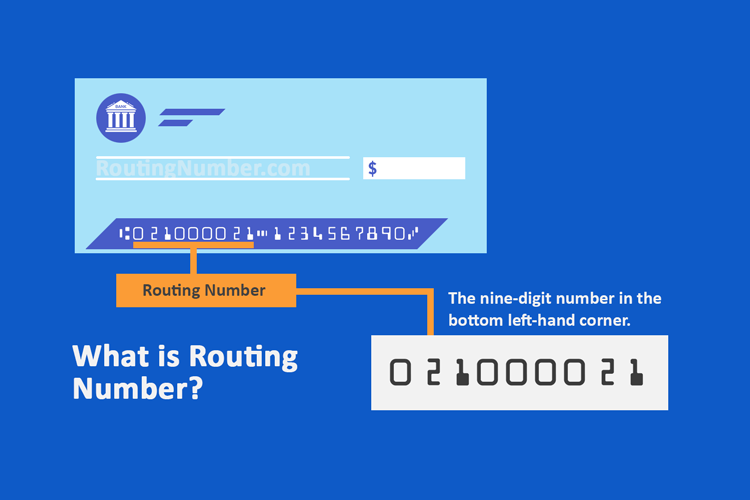
At its core, a bank routing number, also known as an ABA (American Bankers Association) routing transit number, is a nine-digit code that identifies the specific financial institution where your account is held. It acts like a unique address for your bank, enabling transactions to be directed to the correct destination within the vast U.S. banking system. Established in 1910 by the ABA, its primary purpose was to facilitate the processing of paper checks, ensuring they were routed to the correct bank for payment. While the world has largely shifted to electronic transactions, the routing number’s fundamental role remains unchanged.
The Anatomy of an ABA Transit Number
Each of the nine digits within a routing number holds specific significance, though its full breakdown is primarily for internal banking use. Broadly, the first four digits typically identify the Federal Reserve routing symbol, indicating which Federal Reserve Bank processing center the financial institution uses. The subsequent four digits identify the bank itself, and the final digit is a checksum digit used for error detection. This structured format ensures accuracy and efficiency, preventing misrouted funds and streamlining countless daily transactions. Without this standardized identification system, the sheer volume of financial transfers would be chaotic, if not impossible.
More Than Just Numbers: Its Role in Financial Infrastructure
Think of the routing number as the GPS coordinates for your financial institution. When you send money, receive a payment, or authorize a transaction, this number guides the funds directly to your bank. It’s an integral part of the Automated Clearing House (ACH) network, which processes large volumes of electronic credit and debit transactions, and is equally vital for wire transfers. Its pervasive use means that understanding it is fundamental to participating effectively in the modern financial ecosystem. Whether you’re a consumer, a small business owner, or an investor, the routing number is a key piece of your financial identity.
Differentiating Routing Numbers from Account Numbers
A common point of confusion arises when distinguishing between a bank routing number and an account number. While both are critical for financial transactions, they serve distinct purposes. The routing number identifies which bank is involved in a transaction. The account number, on the other hand, identifies your specific account within that bank. You can think of the routing number as the street address of a building, and the account number as the apartment number within that building. Both are necessary to ensure funds reach the precise destination. When initiating or receiving transactions, you will almost always need both, and providing them correctly is crucial to avoid delays or misdirected funds.
Why Your Routing Number is Indispensable in Modern Finance
The utility of your bank routing number extends across a wide spectrum of financial activities, touching almost every aspect of personal and business finance. From receiving your paycheck to paying your bills, it’s the silent workhorse behind the scenes, ensuring that money moves where and when it needs to. Understanding these applications highlights just how central this nine-digit code is to managing your financial life effectively.
Facilitating Direct Deposits and Payroll
For many, the most common encounter with a routing number is during the setup of direct deposit for their paycheck. Employers require your bank’s routing number, alongside your account number, to electronically transfer your earnings directly into your bank account. This eliminates the need for physical checks, speeds up access to funds, and enhances security. Similarly, if you receive government benefits, pensions, or other regular income, direct deposit setup will invariably require your routing number. For businesses, providing accurate routing numbers for employees’ payroll is a non-negotiable step in efficient financial operations.
Seamless Bill Payments and Automatic Transfers
In today’s digital age, manual bill paying is increasingly obsolete. Many service providers, utility companies, and lenders offer automatic bill pay options, often directly debiting your account on a scheduled basis. To set these up, you’ll need to provide your bank’s routing number and your account number. This convenience ensures bills are paid on time, avoiding late fees and maintaining a good credit history. Furthermore, if you wish to set up recurring transfers between your own accounts at different banks (e.g., moving money from a checking account to a savings account at another institution), your routing number will be essential for initiating these interbank transfers.
Executing Wire Transfers and ACH Transactions
Wire transfers, often used for large, time-sensitive, or international transactions, also rely heavily on routing numbers (or SWIFT/BIC codes for international transfers). When sending or receiving a wire within the U.S., the routing number ensures the funds are sent to the correct financial institution. Beyond wires, the routing number is the backbone of the ACH network. ACH transactions encompass a vast array of electronic payments, including direct deposits, automatic bill payments, and Person-to-Person (P2P) transfers through platforms like Venmo or Zelle (though these platforms often abstract the routing number from the user, they utilize it internally). For businesses, ACH is crucial for managing vendor payments, customer invoices, and subscription services, making accurate routing numbers a daily necessity.
Essential for Tax Refunds and Government Benefits
When filing your taxes, opting for direct deposit of your refund is a popular choice for its speed and security. The IRS, like any other payer, requires your bank routing number and account number to electronically send your refund directly to your bank. Similarly, if you are receiving Social Security benefits, veterans’ benefits, or other forms of government assistance, setting up direct deposit will necessitate providing your banking details, including your routing number. This minimizes delays and ensures you receive your funds promptly and securely.
Navigating the Search: Where to Securely Find Your Routing Number
Knowing what a routing number is and why it’s important is only half the battle; the other half is knowing where to find it when you need it. Fortunately, banks provide several accessible and secure avenues for locating this crucial piece of financial information. It’s worth noting that larger banks may have different routing numbers for different states or for different types of transactions (e.g., wire transfers vs. ACH transfers), so always verify the correct one for your specific need.
The Checkbook: Your Primary Source
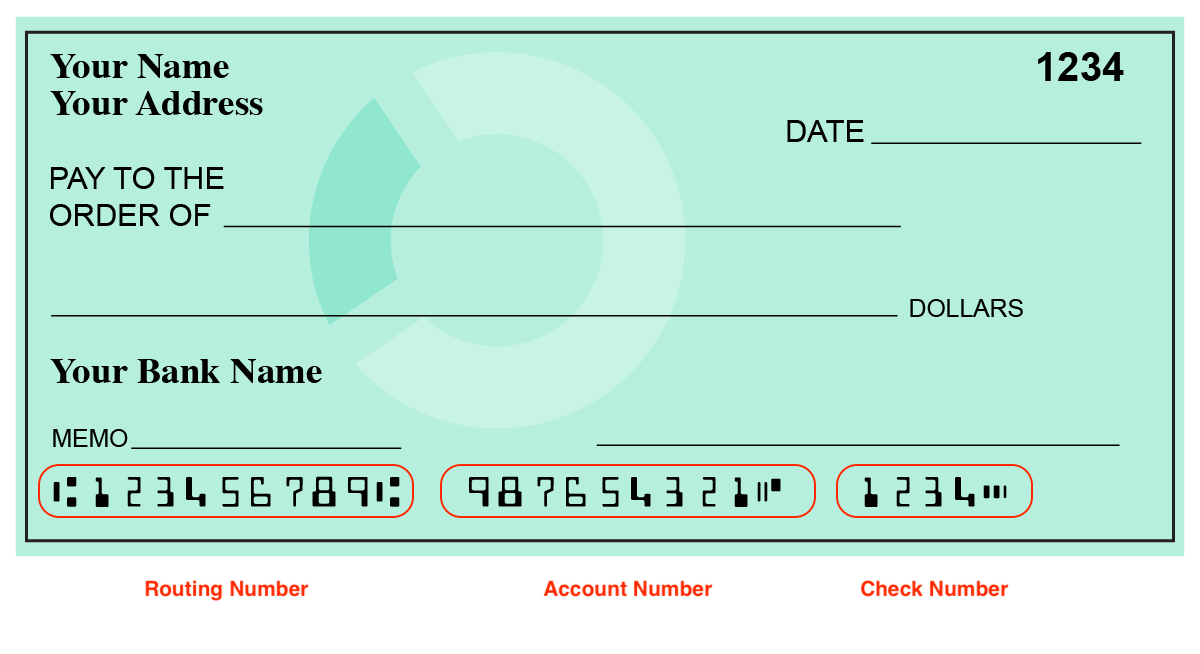
For checking accounts, the most traditional and often easiest place to find your routing number is directly on your checks. Look at the bottom left-hand side of a check. You will typically see a series of three numbers printed in magnetic ink. From left to right, these are usually:
- Routing Number (9 digits)
- Account Number (variable length)
- Check Number (3 or 4 digits)
Always double-check to ensure you’re identifying the correct set of numbers, especially if you have custom checks or your bank has an unusual layout.
Online Banking Portals and Mobile Apps
In our digital age, your bank’s online banking platform or mobile app is an incredibly convenient and secure source. After logging into your account, navigate to your account details or profile section. Most banks prominently display your account number and the associated routing number(s) for your checking and savings accounts. Sometimes, you may need to click into a specific account (e.g., “Checking Account Details”) to see this information. For mobile apps, this information is usually found under similar sections like “Account Info,” “Settings,” or “Statements.”
Monthly Bank Statements: A Reliable Record
Another dependable source is your monthly bank statement, whether it’s a physical copy mailed to you or an electronic statement accessed through your online banking portal. Bank statements typically list your account number and the bank’s routing number, usually near the top or bottom of the statement, often close to your account summary. This is a particularly useful method if you don’t have a checkbook readily available or prefer a documented source.
Contacting Your Bank Directly
If you’re unable to find your routing number through the above methods, or if you want to confirm you have the correct one for a specific type of transaction (e.g., an international wire transfer might require a different routing number than an ACH transfer), don’t hesitate to contact your bank directly. You can call their customer service line, visit a local branch, or use their secure messaging system within online banking. Bank representatives are equipped to provide you with the accurate routing number for your account and intended use.
Using the FDIC’s BankFind Tool
For general information about a bank’s routing number (especially if you’re looking for a common routing number for a large institution and don’t have access to your account details yet), the Federal Deposit Insurance Corporation (FDIC) offers a tool called BankFind. While this tool is primarily designed for consumers to locate information about FDIC-insured institutions, you can often find general routing numbers listed for major banks by searching for the bank name. However, always verify this information directly with your bank or through your personal account, as a bank might have multiple routing numbers depending on the branch or transaction type.
Security and Best Practices: Protecting Your Financial Information
While your routing number is essential for financial transactions, it’s crucial to understand the associated security implications. It’s not as sensitive as your debit card PIN or your online banking password, but it’s still a piece of personal financial data that should be protected. Knowing when and how to share it, along with understanding potential risks, is key to safeguarding your money and identity.
Understanding the Risks: When to Share and When to Hold Back
Generally, sharing your routing number along with your account number is necessary for legitimate transactions like direct deposits, automatic bill payments, and authorized transfers. However, be cautious about sharing it unnecessarily or with unverified sources. Unlike a debit card number which often requires a CVV or PIN for transactions, a routing number combined with an account number can potentially be used to initiate ACH debits from your account. While there are protections in place for unauthorized debits, prevention is always better than cure. Always verify the legitimacy of any request for this information.
Safeguarding Against Fraud and Identity Theft
Phishing scams and identity theft attempts often target banking information. Be wary of unsolicited emails, texts, or calls asking for your routing number, account number, or other sensitive financial details. Legitimate financial institutions will rarely ask for this information via unsecure channels. Always log directly into your bank’s official website or app, or call a verified customer service number if you have concerns about a request. Regularly monitor your bank statements for any unauthorized transactions and report them immediately.
The Importance of Verified Sources
When providing your routing number, ensure the recipient is a trusted entity. For employers, reputable billers, or established financial service providers, it’s generally safe. However, for less familiar online services or new ventures, exercise due diligence. Look for secure websites (HTTPS), read reviews, and understand their data security policies. If something feels off, it probably is. Prioritizing verified sources significantly reduces your exposure to financial fraud.
What to Do if Your Information is Compromised
If you suspect your routing number and account number have fallen into the wrong hands or if you notice unauthorized activity on your account, act quickly. Contact your bank immediately to report the suspicious activity. They can guide you through the process of investigating unauthorized transactions, freezing accounts, and potentially issuing new account numbers if necessary. Federal laws, such as the Electronic Fund Transfer Act, provide consumer protections for unauthorized electronic transfers, but prompt reporting is crucial to leverage these safeguards effectively.
The Future of Transactions: Routing Numbers in a Digital Economy
As financial technology (fintech) continues to evolve at a rapid pace, one might wonder about the enduring relevance of a century-old numbering system. However, even with the advent of digital wallets, cryptocurrency, and blockchain, the routing number remains a critical component of the underlying financial infrastructure in the U.S. Its role is adapting, not diminishing, as it continues to bridge traditional banking with innovative digital solutions.
The Enduring Relevance in a World of Digital Wallets and Fintech
While consumer-facing fintech applications like Venmo, PayPal, and Apple Pay abstract away the need for users to manually enter routing numbers for every transaction, these platforms invariably rely on routing numbers behind the scenes to link to users’ traditional bank accounts. When you link your bank account to a digital wallet, you’re typically providing your routing and account numbers, allowing the platform to initiate ACH transfers to and from your bank. Thus, even as the front-end user experience becomes simpler, the routing number continues to perform its essential function in the background, ensuring interoperability between fintech services and the established banking system.
International Transfers: The SWIFT Code Connection
It’s important to note that U.S. routing numbers are primarily for domestic transactions. For international wire transfers, a different identification system is used: the SWIFT (Society for Worldwide Interbank Financial Telecommunication) code, also known as a BIC (Bank Identifier Code). A SWIFT code identifies a specific bank in an international transaction, much like a routing number does domestically. While distinct, understanding the purpose of both highlights the global need for standardized bank identification in cross-border money movement – a fundamental principle extending from the domestic utility of routing numbers.
Empowering Financial Autonomy and Control
Ultimately, understanding your bank routing number and its various applications empowers you with greater financial autonomy. It allows you to confidently set up direct deposits for income, manage automatic bill payments, and utilize various financial tools and services that streamline your financial life. For small business owners, it’s indispensable for managing payroll, receiving payments from clients, and interacting with payment processors. In a world where financial decisions are increasingly digitized, a firm grasp of these foundational elements provides a sense of control and security over your money.
The bank routing number, though often overlooked, is a powerful enabler of modern finance. Knowing what it is, where to find it, and how to protect it is not merely technical knowledge but an essential component of informed and secure financial management for everyone.
aViewFromTheCave is a participant in the Amazon Services LLC Associates Program, an affiliate advertising program designed to provide a means for sites to earn advertising fees by advertising and linking to Amazon.com. Amazon, the Amazon logo, AmazonSupply, and the AmazonSupply logo are trademarks of Amazon.com, Inc. or its affiliates. As an Amazon Associate we earn affiliate commissions from qualifying purchases.