
Understanding your annual salary is far more complex than simply glancing at a pay stub. It’s a multi-faceted figure influenced by a myriad of factors, reflecting not just your personal worth in the job market, but also broader economic trends, industry standards, and even geographic specifics. For many, salary represents the primary means of achieving financial security, funding aspirations, and planning for the future. Therefore, gaining a comprehensive understanding of what constitutes your annual salary, how it’s determined, and crucially, how to optimize it, is a fundamental pillar of sound personal finance.
This exploration delves into the anatomy of an annual salary, from its basic components to the intricate market forces that shape it. We’ll uncover strategies for accurately assessing your market value and equip you with the knowledge to approach salary negotiations with confidence. Ultimately, the goal is not just to know what your annual salary is, but to understand why it is what it is, and how you can strategically grow it over time.
Deconstructing Your Annual Salary: More Than Just a Number
At its core, your annual salary is the total compensation you receive from an employer over a year. However, this seemingly simple definition masks a layer of complexity involving various components and calculations. To truly grasp “what is my annual salary,” one must look beyond the headline figure.
Gross vs. Net: Understanding the Difference
The most fundamental distinction in salary understanding is between gross pay and net pay. Your gross annual salary is the total amount of money your employer agrees to pay you before any deductions. This is the figure typically quoted in job offers and discussed during salary negotiations.
However, the money that actually lands in your bank account – your net pay – is significantly less. This reduction is due to mandatory and voluntary deductions. Mandatory deductions include:
- Federal Income Tax: A progressive tax levied by the U.S. government (or relevant national government).
- State Income Tax: Applicable in most, but not all, U.S. states.
- Social Security Tax: Funds retirement, disability, and survivor benefits.
- Medicare Tax: Funds hospital insurance for the elderly and disabled.
- Local Income Tax: May apply in certain cities or counties.
Voluntary deductions often include contributions to:
- Retirement Plans: Such as 401(k)s, 403(b)s, or IRAs.
- Health Insurance Premiums: Your share of the cost for medical, dental, and vision coverage.
- Life Insurance: Premiums for employer-sponsored or supplemental policies.
- Disability Insurance: Short-term and long-term policies.
- Flexible Spending Accounts (FSAs) or Health Savings Accounts (HSAs): Pre-tax contributions for healthcare or dependent care expenses.
Understanding the difference between gross and net is crucial for budgeting and financial planning, as it reflects the actual spendable income you have at your disposal.
Beyond Base Pay: The Full Compensation Package
While base salary is often the primary focus, a holistic view of your annual compensation requires considering the entire benefits package. Often, non-monetary or indirect monetary benefits can significantly boost the overall value of your annual remuneration. These can include:
- Bonuses: Performance-based, sign-on, or year-end bonuses.
- Commissions: Common in sales roles, where a percentage of sales directly contributes to earnings.
- Stock Options or Restricted Stock Units (RSUs): Equity compensation, particularly prevalent in tech and startup environments, offering a share in the company’s future growth.
- Paid Time Off (PTO): Vacation days, sick leave, and holidays represent a tangible value.
- Retirement Plan Matching: Employer contributions to your 401(k) or similar plan, essentially free money that significantly aids long-term savings.
- Health & Wellness Benefits: Comprehensive medical, dental, vision coverage, wellness programs, and gym memberships.
- Educational Assistance: Tuition reimbursement, professional development courses, or certification programs.
- Fringe Benefits: Company car, phone, housing allowances, free meals, childcare subsidies, or commuter benefits.
When assessing “what is my annual salary,” it’s vital to quantify the value of these benefits. A lower base salary might be entirely justifiable if the total compensation package, including robust benefits, offers greater overall value.
Hourly, Salaried, or Commission: How It’s Calculated
The method by which you’re paid also dictates how your annual salary is calculated.
- Salaried Employees: Typically receive a fixed annual sum, divided into regular paychecks (bi-weekly, semi-monthly, or monthly). Their pay doesn’t fluctuate with the number of hours worked, though they are generally expected to work a standard workweek (e.g., 40 hours) and may be exempt from overtime pay.
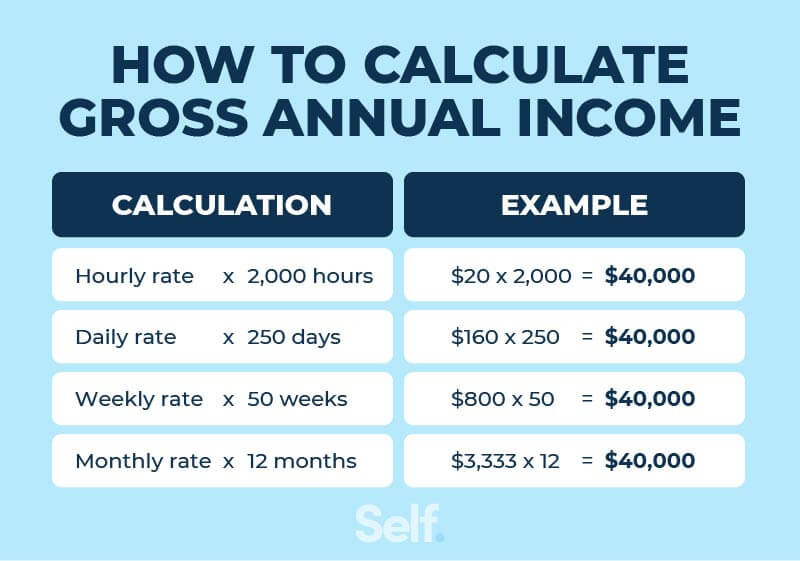
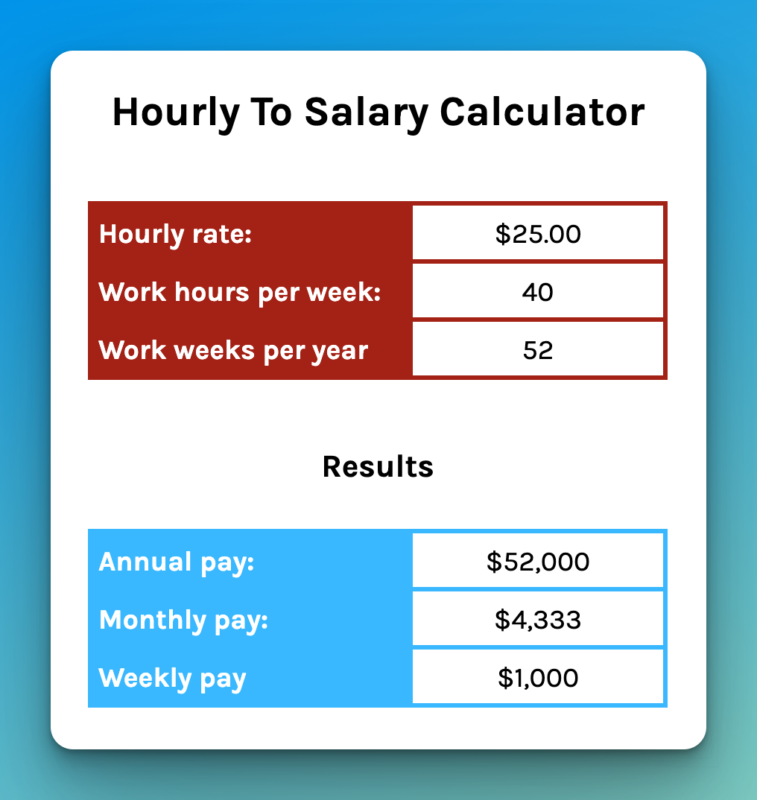
- Hourly Employees: Are paid a specific rate for each hour worked. Their annual income can vary significantly depending on hours worked, including overtime. To estimate an annual salary for an hourly employee, you’d multiply their hourly rate by the number of hours worked per week, then by 52 weeks. For example, $25/hour x 40 hours/week x 52 weeks/year = $52,000 annually.
- Commission-Based Employees: Earn a percentage of the sales they make. Their annual income can be highly variable, often with a smaller base salary (or sometimes none) and the majority of earnings derived from commissions. Calculating an “annual salary” for these roles involves forecasting sales performance, which can be challenging.
Understanding your pay structure is critical for accurately predicting and managing your annual income.
Key Determinants of Your Market Value
Your annual salary isn’t simply a reflection of your skills; it’s a dynamic figure shaped by a complex interplay of internal and external market forces. To answer “what is my annual salary?” accurately, you must understand these underlying determinants.
Industry, Location, and Company Size
These three external factors significantly influence salary ranges:
- Industry: Salaries vary wildly across industries. High-demand, high-profit sectors like technology, finance, and specialized healthcare often offer higher compensation than sectors like retail, hospitality, or non-profits for comparable roles.
- Geographic Location: The cost of living in a particular area is a primary driver of salary differences. Major metropolitan areas with high living expenses (e.g., San Francisco, New York City) typically offer higher salaries than rural areas or cities with lower living costs, even for the same job title. However, the purchasing power of that salary may not always be greater.
- Company Size: Larger, more established companies often have greater resources and more structured compensation frameworks, potentially offering higher salaries and more comprehensive benefits than smaller businesses or startups. Startups, while possibly offering lower base salaries, might compensate with equity or greater growth opportunities.
Experience, Education, and Specialized Skills
These internal, personal attributes are direct indicators of your value to an employer:
- Experience: As you gain more experience in a field, your value typically increases. Entry-level positions command lower salaries than mid-career roles, which in turn are often out-earned by senior and executive positions that require years of demonstrated expertise and leadership.
- Education: Higher levels of education, especially advanced degrees (Master’s, Ph.D.), often correlate with higher earning potential, particularly in fields like engineering, medicine, law, and academia. Specific certifications relevant to your industry can also significantly boost your salary.
- Specialized Skills: Proficiency in high-demand, niche skills (e.g., advanced data analytics, specific programming languages, cybersecurity, complex financial modeling) can command premium salaries, even for less experienced professionals. The rarer and more valuable the skill, the higher its market price.
Economic Factors and Market Demand
Broader economic conditions play a critical role:
- Economic Climate: During periods of economic growth and low unemployment, companies compete more aggressively for talent, pushing salaries upwards. Conversely, in recessions or downturns, salary growth may stagnate, or even decline, as job seekers outnumber available positions.
- Market Demand: The principle of supply and demand heavily influences salaries. If there’s a high demand for a particular role or skill set, but a limited supply of qualified candidates, salaries for those positions will naturally be higher. Conversely, an oversupply of candidates for a common role can depress wages.
Strategies for Discovering Your True Worth
Knowing your market value is an empowering first step toward optimizing your annual salary. Without this information, you’re negotiating in the dark. Fortunately, numerous resources and strategies exist to help you ascertain what your skills and experience are truly worth.

Leveraging Online Salary Tools and Industry Reports
The digital age has democratized salary data. A wealth of information is available through online platforms:
- Salary Websites: Sites like Glassdoor, LinkedIn Salary, Salary.com, PayScale, and Indeed offer robust salary comparison tools. They aggregate data from millions of self-reported salaries, providing ranges based on job title, location, experience, and sometimes even company size.
- Industry-Specific Surveys: Many professional organizations and recruitment firms publish annual salary guides tailored to specific industries (e.g., tech, healthcare, finance). These reports often provide more granular and authoritative data for niche roles.
- Government Labor Statistics: Agencies like the Bureau of Labor Statistics (BLS) in the U.S. provide detailed occupational wage data across various industries and regions. While sometimes broader, this data offers a reliable baseline.
When using these tools, be sure to input accurate and detailed information to get the most relevant results. Look for salary ranges, not just single figures, and understand that these are averages, not definitive guarantees.
Networking and Informational Interviews: Gaining Insider Insights
While online tools are valuable, real-world insights can provide nuanced perspectives that data alone cannot capture.
- Networking: Engage with professionals in your field, especially those in similar roles or at companies you’re interested in. Attend industry events, join professional associations, and utilize platforms like LinkedIn. While directly asking “what is your salary?” might be impolite, you can inquire about typical salary ranges for specific roles or general compensation trends in the industry or region.
- Informational Interviews: Schedule brief chats with individuals working in your target roles or companies. Frame these as opportunities to learn about their career path, daily responsibilities, and industry outlook. During these conversations, you can subtly probe about compensation expectations, benefits common in their company, or what skills are most highly valued and compensated. People are often more willing to share this context than their exact figures.
These interactions offer qualitative insights, helping you understand the ‘soft’ factors that influence pay, such as company culture, growth opportunities, and skill premiums.
Professional Certifications and Continuous Skill Development
Investing in yourself is one of the most direct ways to increase your market value and, by extension, your annual salary.
- Targeted Certifications: Many industries have recognized certifications that validate specialized skills (e.g., PMP for project management, AWS certifications for cloud computing, CFA for finance, specific software proficiencies). Earning these can signal expertise and often lead to higher pay.
- Upskilling and Reskilling: The job market is constantly evolving. Staying current with new technologies, methodologies, and best practices is crucial. This might involve learning a new programming language, mastering a data analytics tool, or developing advanced soft skills like leadership or strategic thinking. Online courses, workshops, and bootcamps are excellent avenues for continuous learning.
- Demonstrate Impact: Beyond just acquiring skills, actively apply them to deliver tangible results for your current employer. Quantifiable achievements (e.g., “reduced costs by X%”, “increased revenue by Y%”, “streamlined processes saving Z hours”) are powerful evidence of your value and formidable ammunition for salary discussions.
Proactive skill development not only makes you more competitive but also positions you for higher-paying roles and greater responsibilities.
Mastering the Art of Salary Negotiation
Once you have a clear understanding of your market value, the next critical step is to effectively negotiate for the salary you deserve. Negotiation isn’t about demanding; it’s about demonstrating value and finding a mutually beneficial agreement.
Preparation is Paramount: Research and Self-Assessment
Effective negotiation begins long before you even speak to an employer about money.
- Thorough Market Research: Revisit your salary research. Know the typical range for your role, experience level, location, and industry. Understand what constitutes a competitive offer in your specific circumstances. Websites, industry reports, and networking insights are your allies here.
- Quantify Your Value: Articulate your achievements and contributions in measurable terms. How have you saved money, generated revenue, improved processes, or led successful projects? Compile a list of your most significant accomplishments, focusing on the impact you’ve made. This provides concrete evidence of your worth.
- Know Your Bottom Line: Before entering negotiations, determine your absolute minimum acceptable salary and total compensation package. This “walk-away point” prevents you from accepting an offer that doesn’t meet your financial needs or market value.
- Practice Your Pitch: Mentally rehearse or even role-play the conversation. How will you present your case confidently and professionally? Anticipate potential objections and prepare thoughtful responses.
Timing and Technique: When and How to Negotiate
The approach to negotiation can be as important as the substance.
- When to Negotiate: The best time to negotiate is after you’ve received a job offer, but before you’ve formally accepted it. At this point, the employer has invested time and resources in you and wants you. Negotiating too early in the process (e.g., during an initial screening call) can sometimes backfire if they haven’t yet recognized your full potential.
- The Initial Ask: When asked about salary expectations, try to defer and turn the question back to the employer (“What is the typical range for this position?”). If pressed, provide a range, but make sure the lower end is above your desired salary, and the upper end leaves room for negotiation. Base your range on your thorough market research.
- Focus on Value: When counter-offering, don’t just state a higher number. Reiterate your enthusiasm for the role and the company, then pivot to how your unique skills and experience align with their needs and justify your requested compensation. Frame your request as a fair reflection of the value you bring.
- Be Prepared to Justify: Be ready to explain why you’re asking for a particular figure, referencing your research and your quantified achievements.
- Maintain a Positive and Professional Demeanor: Negotiation should be a collaborative discussion, not an ultimatum. Be polite, confident, and respectful, even if the initial offer is disappointing.
Evaluating the Total Compensation: Beyond the Monetary Figure
Remember that salary is just one component of your overall compensation.
- Look at the Big Picture: If the employer can’t meet your salary request, explore other components of the total compensation package. Can they offer a higher signing bonus, more PTO, increased 401(k) matching, better health benefits, professional development funds, or a more flexible work arrangement?
- Long-Term vs. Short-Term: Consider how various components impact your long-term financial health. A higher 401(k) match, for instance, might be more valuable in the long run than a slightly higher base salary that doesn’t include such benefits.
- Get It in Writing: Once an agreement is reached, ensure all terms of the offer, including salary, benefits, and any negotiated perks, are clearly documented in an official offer letter before you accept.
Mastering negotiation can significantly impact your annual salary and your financial trajectory for years to come.
Growing Your Earning Potential Over Time
Your annual salary isn’t a static figure; it’s a dynamic indicator of your professional growth and market value. Proactive strategies can ensure your earning potential doesn’t just keep pace with inflation but actively expands throughout your career.
Performance, Promotions, and Proactive Career Planning
Consistent high performance is the bedrock of salary growth.
- Exceed Expectations: Consistently performing above the requirements of your role makes you an invaluable asset. Take initiative, solve problems proactively, and deliver measurable results.
- Document Achievements: Keep a running log of your accomplishments, particularly those that saved money, generated revenue, or improved efficiency. This data is crucial for performance reviews and salary discussions.
- Seek Promotions: Don’t wait to be tapped for a promotion. Understand the requirements for the next level up in your organization, and actively work towards acquiring those skills and demonstrating readiness. Discuss your career aspirations with your manager and collaborate on a plan. Promotions almost always come with a significant salary bump.
- Annual Reviews and Salary Discussions: Approach annual performance reviews as opportunities to discuss your compensation. Come prepared with your documented achievements and market research to justify a raise. Even if a promotion isn’t immediate, a strong performance review can secure a cost-of-living adjustment or merit-based increase.
Upskilling and Reskilling for Future Opportunities
The landscape of work is constantly evolving, driven by technological advancements and shifting market needs.
- Identify Future-Proof Skills: Research which skills are projected to be in high demand in your industry and beyond. This might involve data science, AI literacy, cloud computing, advanced cybersecurity, or specialized project management methodologies.
- Continuous Learning: Dedicate time to acquiring new skills. This could involve online courses (Coursera, edX, Udemy), industry certifications, workshops, or even internal company training programs. Many employers offer tuition reimbursement or professional development budgets—utilize them!
- Become a Specialist: While generalists have their place, deep expertise in a high-value, niche area often commands premium salaries. Consider specializing in a particular technology, methodology, or industry segment.
- Cross-Functional Development: Develop skills that allow you to bridge different departments or functions within an organization. Professionals who can understand and contribute across various areas are highly valued for their ability to facilitate collaboration and drive holistic solutions.
Exploring Supplementary Income Streams and Entrepreneurship
Sometimes, optimizing your primary annual salary isn’t enough, or you might hit a ceiling. This is where diversifying your income streams comes into play.
- Side Hustles: Consider leveraging your existing skills or developing new ones to earn extra income outside your primary job. This could involve freelance consulting, teaching, content creation, web development, graphic design, or even ride-sharing. A successful side hustle can significantly boost your overall annual income and potentially lead to new career paths.
- Investing: While not a “salary” in the traditional sense, smart investing allows your money to work for you, generating returns that supplement your earned income. This includes investing in stocks, bonds, real estate, or mutual funds. A robust investment portfolio is a critical component of long-term financial security and can effectively increase your overall wealth, reducing reliance on a single income source.
- Entrepreneurship: For the truly ambitious, starting your own business can offer unlimited earning potential, though it comes with higher risks. This might begin as a side hustle that scales into a full-time venture.
By actively managing your career, continuously developing your skills, and strategically exploring additional income avenues, you can take control of your financial destiny and ensure your annual salary—and overall wealth—grows steadily throughout your professional life. Understanding “what is my annual salary” is merely the starting point; the journey to optimizing it is a continuous, empowering process.
aViewFromTheCave is a participant in the Amazon Services LLC Associates Program, an affiliate advertising program designed to provide a means for sites to earn advertising fees by advertising and linking to Amazon.com. Amazon, the Amazon logo, AmazonSupply, and the AmazonSupply logo are trademarks of Amazon.com, Inc. or its affiliates. As an Amazon Associate we earn affiliate commissions from qualifying purchases.