
In an era where travel has become an increasingly accessible aspiration, the cost of airfare remains a significant barrier for many. Yet, with a strategic approach and a keen understanding of the market dynamics, it’s entirely possible to unlock substantial savings on flights, transforming a potentially prohibitive expense into an achievable investment in experience. This guide delves into the financial strategies, tools, and tactical planning necessary to navigate the complex world of airfare pricing, empowering you to secure the best possible deals and stretch your travel budget further.
Understanding the Dynamics of Airfare Pricing
Before embarking on your search, it’s crucial to grasp the underlying economic principles that govern flight costs. Airfare is a commodity whose price fluctuates wildly, influenced by a myriad of factors from global events to localized demand. A savvy traveler understands these mechanisms as a financial analyst understands market trends.
The Volatile Nature of Flight Prices
Airline pricing is a sophisticated algorithm-driven operation, far removed from simple cost-plus models. Airlines employ dynamic pricing strategies, constantly adjusting fares based on demand forecasts, competitor pricing, seat availability, and even individual user browsing patterns. This volatility means that the price of a specific flight can change multiple times within a single day, or even within minutes, making vigilance and timely action paramount for securing optimal rates. It’s akin to day trading in the financial markets – identifying the peak opportunity requires understanding the invisible forces at play.
Key Factors Influencing Cost
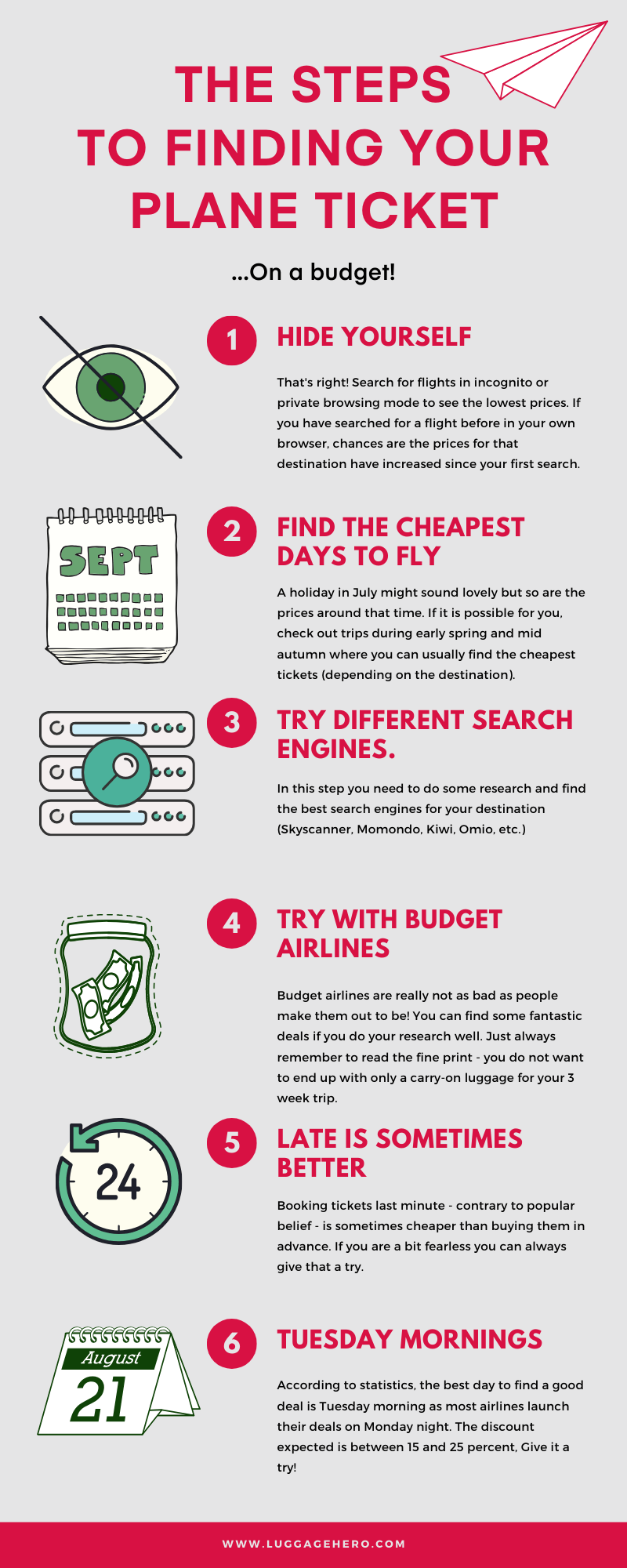
Several critical variables play a pivotal role in dictating the price you pay for a ticket. Seasonality is a dominant factor; peak travel periods like summer holidays, Christmas, and major festivals invariably command higher prices due to surging demand. Conversely, the shoulder seasons (spring and fall in many regions) often present significant savings. Demand for specific routes, influenced by events, business travel, or tourism trends, also drives prices up. Lastly, the day of the week you fly can dramatically impact cost; typically, Tuesdays, Wednesdays, and Saturdays are cheaper for departures, while Friday and Sunday flights tend to be the most expensive. Recognizing these patterns allows for a financially intelligent approach to planning.
The Optimal Booking Window
While there’s no universal magic number, extensive data analysis suggests an optimal booking window for domestic flights is typically between 1 to 3 months out, and for international flights, 2 to 8 months out. Booking too early often means paying a premium before airlines finalize their schedules and pricing strategies, while booking too late means facing increased prices as seats fill up, and airlines capitalize on last-minute demand. This “sweet spot” represents the period when airlines are most aggressively competing for market share, offering more favorable pricing before scarcity drives costs up. Treating your flight booking like a financial investment means timing your entry into the market for maximum return on your travel spend.
Strategic Planning for Maximum Savings
Beyond understanding market forces, a proactive and flexible planning strategy is your most powerful financial tool in the quest for cheap flights. This involves looking beyond the obvious and embracing adaptability.
Flexibility is Your Financial Friend
One of the most impactful strategies for reducing airfare costs is to be flexible with your travel dates, airports, and even your destination. Flying a day or two earlier or later can sometimes shave hundreds off the ticket price. Similarly, exploring alternative airports within a reasonable distance from your primary destination can uncover significantly cheaper fares. A flight into a smaller, secondary airport might require a short train or bus transfer, but the savings on airfare often far outweigh the minor inconvenience and additional transport cost. This requires a broader financial perspective, comparing the total cost of travel (flight + ground transport) rather than just the flight component in isolation.
Leveraging Off-Peak Travel
As discussed, peak travel times are a financial drain. Consciously planning trips during the off-season or shoulder season can lead to substantial savings, not just on flights but often on accommodation and activities too. Furthermore, consider flying during off-peak days of the week (typically Tuesday, Wednesday, Saturday) or even at less convenient times of the day (very early morning or late-night red-eye flights). These options often come with significantly lower price tags because they are less in demand from the general traveling public. For the budget-conscious traveler, these choices are strategic financial decisions.
Exploring Alternative Routes and Layover Benefits
Direct flights, while convenient, often come with a premium price tag. Opting for flights with one or more layovers can frequently result in considerable savings. While it adds to the total travel time, the financial benefit can be substantial enough to justify the additional wait. Moreover, consider flying into a nearby major hub and then utilizing a low-cost carrier or ground transport for the final leg of your journey. This “segmentation” strategy can sometimes uncover arbitrage opportunities where the sum of two cheaper parts is less than one expensive whole. Think of it as diversifying your travel portfolio to minimize costs.
Mastering the Art of Online Flight Search
The digital age provides an array of powerful tools to assist in finding cheap flights. Leveraging these effectively is a critical component of a financially intelligent travel strategy.
Harnessing Flight Comparison Websites

Flight comparison websites like Google Flights, Skyscanner, Kayak, and Momondo are invaluable resources. They aggregate data from hundreds of airlines and online travel agencies (OTAs), allowing you to quickly compare prices across a vast spectrum. However, don’t stop there. After identifying a good deal on a comparison site, it’s always wise to check the airline’s official website directly. Sometimes airlines offer exclusive deals or slightly lower prices to encourage direct bookings, which can also simplify customer service if issues arise. This multi-platform approach ensures you’re not leaving potential savings on the table.
The Power of Incognito Mode and VPNs
A common belief, often supported by anecdotal evidence, is that flight prices can increase based on your browsing history, as websites use cookies to track your interest. While airlines typically deny this, using your browser’s incognito or private browsing mode (which clears cookies and prevents tracking) is a simple, free measure that might help prevent dynamic pricing from penalizing your repeated searches. For the truly committed, using a Virtual Private Network (VPN) to mask your IP address and appear to be browsing from a different country can sometimes reveal different pricing structures, as airlines may offer varying fares based on the perceived market location of the buyer. This is a form of digital arbitrage for the savvy consumer.
Setting Up Price Alerts and Subscribing to Deal Newsletters
automate your search for savings. Most flight comparison websites offer the option to set up price alerts for specific routes and dates. You’ll receive email notifications when the price drops, allowing you to pounce on a deal as soon as it appears. Furthermore, subscribing to deal newsletters from dedicated flight deal websites (e.g., Scott’s Cheap Flights, The Flight Deal, Secret Flying) can alert you to error fares, flash sales, and exceptionally low prices that might otherwise go unnoticed. This passive investment of time (signing up) yields active financial returns in the form of substantial savings.
Beyond the Search: Advanced Tactics for Frugal Travelers
For those committed to maximizing their financial efficiency in travel, several advanced tactics can yield significant returns.
Maximizing Loyalty Programs and Credit Card Rewards
Loyalty programs and travel-focused credit cards are potent financial instruments for reducing flight costs. By consistently flying with one airline alliance or using a co-branded credit card for everyday spending, you can accrue miles or points that can be redeemed for free flights or upgrades. Strategic use of sign-up bonuses on new credit cards can instantly provide enough points for a round-trip international flight. However, this strategy requires careful financial management, ensuring that any annual fees or interest rates associated with credit cards are offset by the value of the rewards earned. It’s a calculated financial play, not a spontaneous splurge.
Considering Budget Airlines
Budget airlines have revolutionized air travel by offering significantly cheaper base fares. Carriers like Ryanair, EasyJet, Southwest, and Spirit Airlines operate on a “unbundling” model, meaning you pay only for the seat itself, with extras like checked baggage, seat selection, and in-flight meals incurring additional charges. While the base fare can be incredibly low, it’s crucial to calculate the total cost including any necessary add-ons before booking. For light travelers who don’t mind sacrificing some amenities, budget airlines can offer unparalleled value. However, failure to account for all potential fees can quickly erode any perceived savings.
The Hidden Costs: Baggage, Seat Selection, and In-Flight Amenities
Beyond the base fare, savvy travelers must factor in all potential ancillary costs. Baggage fees, especially for checked bags, can add significantly to the overall price. Reviewing airline baggage policies before booking is essential. Similarly, many airlines now charge for seat selection, especially for desirable window or aisle seats. Even seemingly minor costs like in-flight meals or entertainment can accumulate. A financially astute traveler considers the entire travel budget, not just the initial ticket price, ensuring no hidden charges surprise them post-booking. This holistic financial view prevents budget overruns.
Common Pitfalls and How to Avoid Them
Even the most seasoned travelers can fall prey to common mistakes that undermine their efforts to save money. Recognizing and avoiding these pitfalls is key to a truly financially optimized travel experience.
Impulse Buying and Unverified Deals
The allure of a “too good to be true” flight deal can lead to impulse purchases without proper due diligence. Always verify the legitimacy of the deal, check the airline’s reputation, and scrutinize the terms and conditions carefully. Error fares are real, but they are often canceled, and claiming a deal from an unknown third-party site without cross-referencing can be risky. A financially prudent approach demands verification and a calm assessment, not emotional reaction.
Overlooking Layover Logistics and Visa Requirements
While flights with long layovers can be cheaper, ensure that the layover duration is manageable and that you have any necessary transit visas if passing through certain countries. What seems like a cost-saving measure can quickly become an expensive headache if you’re stranded or incur unexpected visa fees. Always factor in the practicalities and potential hidden costs associated with complex itineraries.

Not Reading the Fine Print on Budget Carrier Tickets
The low prices of budget airlines come with strict rules regarding baggage dimensions, check-in deadlines, and change fees. Failure to adhere to these can result in hefty charges at the airport, often negating any initial savings. Thoroughly review the specific policies of any budget airline you choose to fly with to avoid unexpected financial penalties. Understanding the terms of your purchase is fundamental to any sound financial decision.
Finding cheap flights is less about luck and more about applying consistent financial strategies, leveraging available tools, and embracing flexibility. By understanding the market, planning strategically, mastering the search, and avoiding common pitfalls, you can transform the daunting task of booking airfare into an empowering exercise in personal finance, making your travel dreams more attainable and your budget more resilient. Happy travels, and happy savings!
aViewFromTheCave is a participant in the Amazon Services LLC Associates Program, an affiliate advertising program designed to provide a means for sites to earn advertising fees by advertising and linking to Amazon.com. Amazon, the Amazon logo, AmazonSupply, and the AmazonSupply logo are trademarks of Amazon.com, Inc. or its affiliates. As an Amazon Associate we earn affiliate commissions from qualifying purchases.