
To understand what MSC Cruises is, one must look beyond the massive hulls and shimmering atriums of its fleet. While at its surface it is a leader in the global vacation industry, from a strategic perspective, MSC Cruises represents one of the most successful examples of brand scaling and identity cultivation in modern corporate history. As the world’s largest privately-owned cruise line, MSC Cruises has transitioned from a niche Mediterranean operator into a dominant global force, driven by a meticulously crafted brand strategy that balances heritage with relentless innovation.
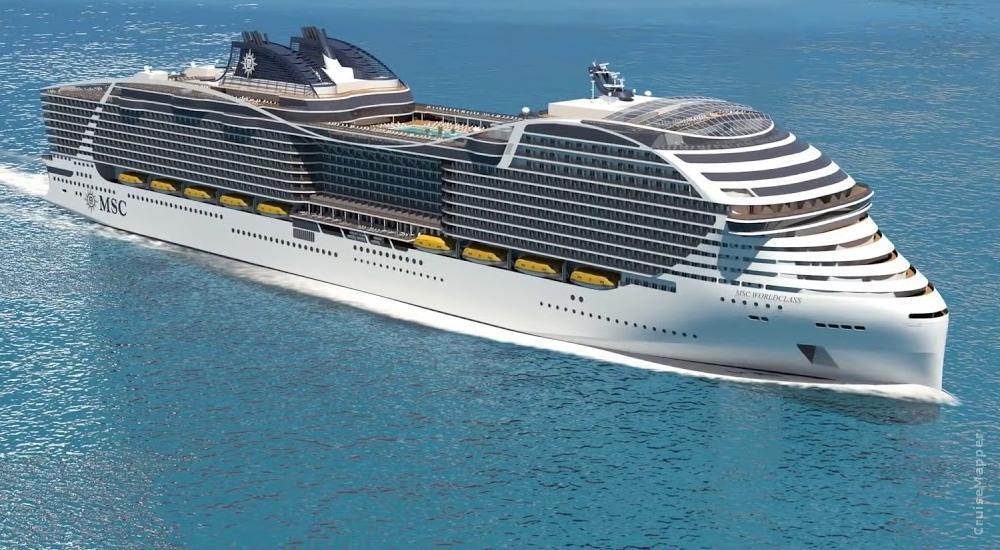
The Identity Evolution: From Mediterranean Heritage to Global Powerhouse
The story of the MSC Cruises brand is inextricably linked to its parent company, the Mediterranean Shipping Company (MSC). This lineage provides a unique foundation for its corporate identity, blending the logistical prowess of a global shipping giant with the elegance of European hospitality.
The Mediterranean Core Values
At the heart of the MSC brand is its “Mediterranean Way of Life.” This isn’t merely a marketing slogan; it is the cornerstone of their brand identity. In an industry often dominated by North American corporate styles, MSC intentionally positioned itself as the “authentic” European choice. This identity is reflected in everything from the multilingual environment on board to the emphasis on slow dining and sophisticated design. By leaning into its heritage, MSC created a distinct brand persona that appeals to travelers seeking a more cosmopolitan and cultured experience than what is typically offered by its Caribbean-centric competitors.
Strategic Expansion and Global Recognition
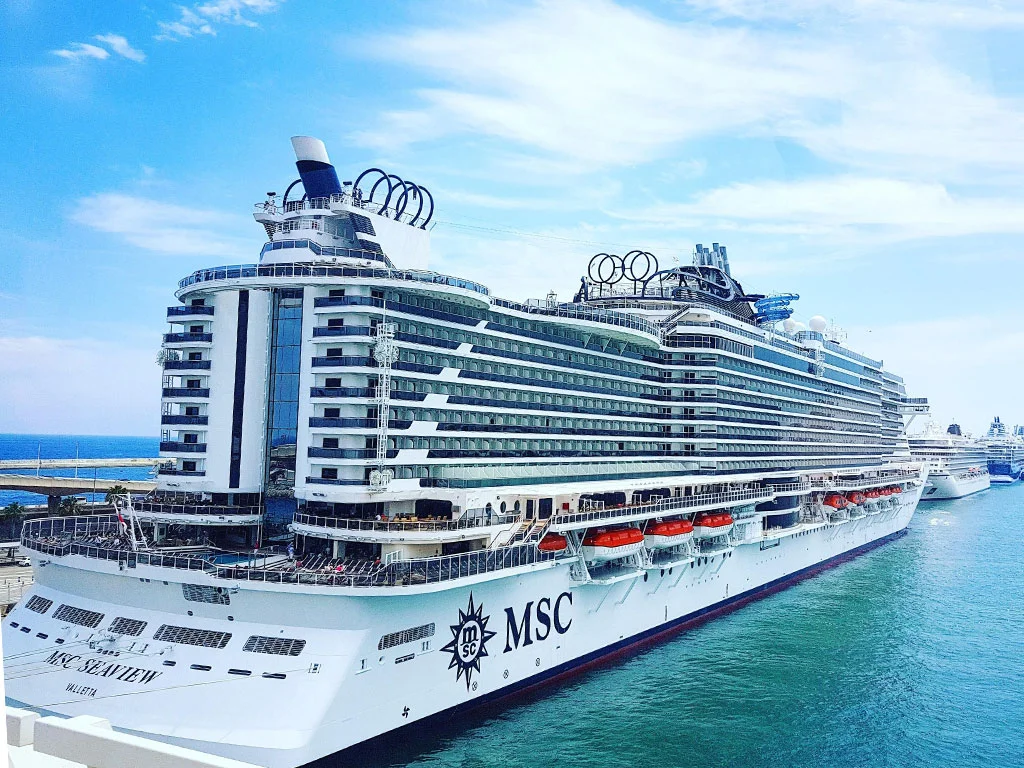
The brand’s evolution from a regional player to a global titan was a calculated move. For years, the brand was synonymous with the Mediterranean. However, to capture the lucrative North American and Asian markets, the brand underwent a strategic pivot. This involved the “globalization” of its identity without losing its European soul. The brand architecture was redesigned to accommodate different cultural expectations, leading to the deployment of ships specifically tailored for the North American market, such as the MSC Seaside. This flexibility in brand application allowed MSC to maintain its core identity while achieving massive scale in new territories.
Brand Differentiation: Carving a Unique Value Proposition
In a crowded market where “floating resorts” often look and feel the same, MSC Cruises has utilized brand differentiation to secure its market share. This differentiation is achieved through a multi-tiered product offering and a commitment to high-end aesthetic standards.
The “Ship within a Ship” Concept (MSC Yacht Club)
One of MSC’s most successful branding masterstrokes is the “MSC Yacht Club.” This concept allows the company to occupy two market segments simultaneously: the mass-market contemporary segment and the ultra-luxury segment. By branding the Yacht Club as an exclusive “ship within a ship,” MSC successfully attracts high-net-worth individuals who desire privacy and butler service but still want access to the large-scale entertainment of a mega-ship. This dual-branding strategy has significantly elevated the brand’s prestige, positioning it as a versatile operator capable of catering to diverse economic demographics under one unified banner.
Design and Aesthetics: The Italian Touch
Visual identity is a critical component of the MSC brand. Unlike many cruise lines that opt for whimsical or neon-heavy interiors, MSC focuses on “European Glamour.” The inclusion of Swarovski crystal staircases has become a signature brand element—a visual shorthand for luxury that guests recognize and share across social media. This commitment to sophisticated interior design, led largely by the De Jorio International design firm, ensures that the brand is perceived as elegant and upscale. By prioritizing aesthetics, the brand creates an aspirational quality that justifies its market positioning and fosters a sense of “premium-ness” even at competitive price points.
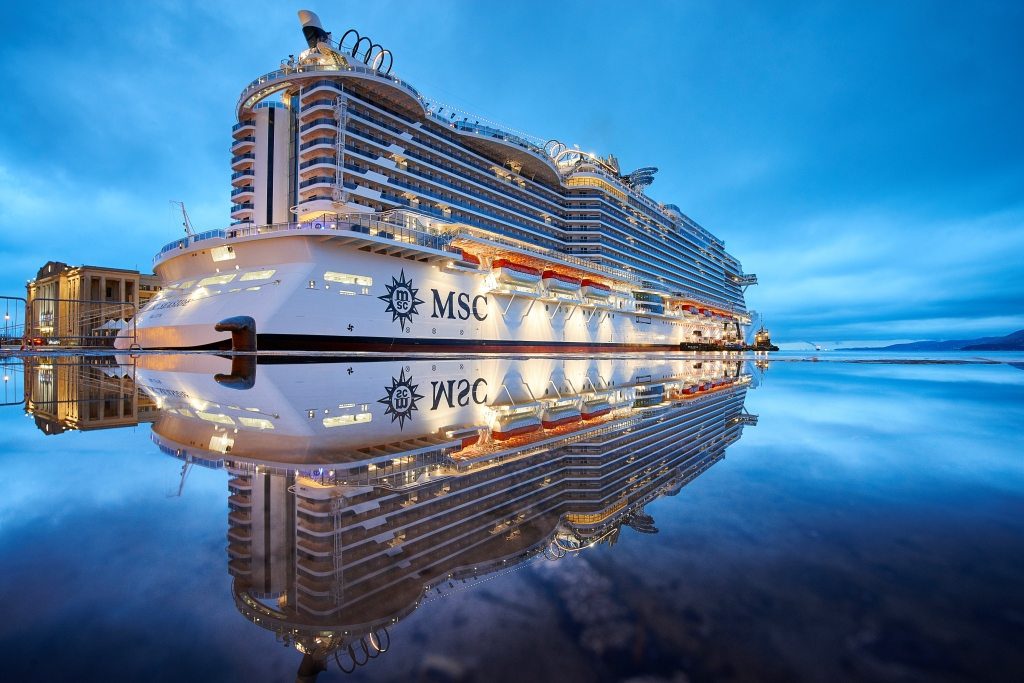
Marketing Mastery: Building Customer Loyalty and Recognition
A brand is only as strong as its perception in the marketplace. MSC Cruises has utilized aggressive marketing and high-profile alliances to ensure its logo is synonymous with global prestige.
Strategic Partnerships and Brand Alliances
MSC Cruises has been prolific in forming partnerships that enhance its brand equity. One of the most notable is its global partnership with Formula 1®. By aligning with the world’s most prestigious motorsport, MSC reinforces its image of speed, precision, and global reach. Similarly, partnerships with brands like LEGO, Chicco, and Swarovski allow MSC to “borrow” the trust and recognition associated with those entities. These collaborations serve to validate the brand in the eyes of various consumer segments—from families with young children to luxury seekers—creating a halo effect that boosts the cruise line’s overall credibility.
Omnichannel Communication and Guest Experience
The MSC brand experience begins long before a guest steps on board. Through its “MSC for Me” digital ecosystem, the brand emphasizes a seamless, high-tech integration of the guest journey. From a branding perspective, this positions MSC as a forward-thinking, innovative company. The marketing communication is consistently sophisticated, utilizing high-quality cinematography and storytelling that focuses on the “beauty of the sea.” By maintaining a consistent tone across digital platforms, travel agencies, and television advertising, MSC ensures that its brand promise of “elegance and discovery” is reinforced at every touchpoint.
Sustainability as a Brand Pillar: The Future of MSC’s Corporate Identity
In the modern business landscape, a brand’s reputation is increasingly tied to its environmental and social governance (ESG). MSC Cruises has recognized that to maintain its market leadership, it must brand itself as a pioneer in maritime sustainability.
The World Class and Decarbonization Efforts
The launch of the MSC World Europa, powered by Liquefied Natural Gas (LNG), marked a significant shift in the brand’s narrative. MSC is no longer just selling vacations; it is selling “responsible travel.” This shift is vital for capturing the millennial and Gen Z markets, who prioritize brand ethics in their purchasing decisions. By investing heavily in solid oxide fuel cell technology and hull air lubrication systems, MSC is building a brand identity rooted in environmental stewardship. The message is clear: MSC is a brand that respects the oceans it traverses.
Communicating Responsibility to the Modern Traveler
Branding sustainability requires more than just technical upgrades; it requires transparent communication. MSC has integrated its sustainability reports and “Ocean Cay MSC Marine Reserve” initiatives into its core marketing. Ocean Cay, in particular, serves as a physical manifestation of the brand’s commitment to conservation. By transforming a former industrial sand extraction site into a flourishing marine reserve, MSC has created a powerful brand story of restoration and care. This tangible proof of brand values helps insulate the company against criticisms of the cruise industry’s environmental impact and builds long-term brand equity with conscious consumers.
Conclusion: The Resilient Architecture of the MSC Brand
MSC Cruises is a masterclass in how a family-owned entity can transform into a global powerhouse through disciplined brand management. What started as a shipping company’s foray into leisure has become a definitive lifestyle brand. By leveraging its Mediterranean heritage, creating distinct “premium” sub-brands like the Yacht Club, forming prestigious global alliances, and committing to a sustainable future, MSC has built a brand architecture that is both resilient and adaptable.
As the company continues to expand its fleet and enter new markets, the strength of the MSC brand remains its greatest asset. It is a brand that represents a bridge between the tradition of maritime travel and the innovation of the future. Whether it is through the sparkle of a Swarovski staircase or the clean wake of an LNG-powered ship, the MSC Cruises brand continues to define what it means to travel the world with elegance, scale, and a deep-rooted sense of identity. To ask “what is MSC Cruise Line” is to uncover a narrative of ambition, a commitment to aesthetic excellence, and a strategic vision that has permanently reshaped the global travel landscape.
aViewFromTheCave is a participant in the Amazon Services LLC Associates Program, an affiliate advertising program designed to provide a means for sites to earn advertising fees by advertising and linking to Amazon.com. Amazon, the Amazon logo, AmazonSupply, and the AmazonSupply logo are trademarks of Amazon.com, Inc. or its affiliates. As an Amazon Associate we earn affiliate commissions from qualifying purchases.