
In the landscape of consumer packaged goods (CPG), few products have undergone a transformation as dramatic as hair mousse. To the casual observer, asking “what is mousse for hair” might seem like a simple question about a styling product. However, from a brand strategy and marketing perspective, mousse represents a masterclass in product lifecycle management, brand repositioning, and consumer psychology. Once the hallmark of the 1980s “big hair” era, mousse was nearly relegated to the archives of beauty history, stigmatized by associations with stiffness and “crunchy” textures. Today, through calculated brand narratives and identity shifts, it has re-emerged as a high-performance essential for the modern consumer.

This article examines the branding mechanics behind hair mousse, exploring how corporate identity, market positioning, and strategic design have redefined what this product is in the digital age.
The Identity Crisis: From 80s Relic to Modern Essential
The primary challenge for any brand managing a legacy product is overcoming historical baggage. For decades, the “brand identity” of hair mousse was inextricably linked to the excessive aesthetics of the 1980s. This created a significant barrier to entry for younger demographics who prioritized natural movement and hair health.
Overcoming the “Crunchy” Association
In brand strategy, the “perceptual map” of a product determines where it lives in a consumer’s mind. For years, mousse occupied a space defined by “high hold” and “high damage.” To pivot, major beauty conglomerates—from L’Oréal to smaller indie brands like Ouai—had to systematically dismantle this association. The rebranding process focused on “weightless volume” and “touchable texture.” By changing the vocabulary used in marketing collateral, brands successfully shifted the product’s identity from a chemical-heavy lacquer to a nourishing, aerated foam.
Repositioning for the Gen Z and Millennial Markets
Modern brand strategy relies heavily on aligning with the values of the current zeitgeist. For Gen Z and Millennials, the “clean beauty” movement is a dominant force. Consequently, the “what is mousse” narrative was rewritten to emphasize what the product doesn’t contain—sulfates, parabens, and alcohols. Brands like Living Proof and Bumble and bumble repositioned mousse as a “priming” step rather than a “finishing” step. This subtle shift in the user journey allowed the product to be marketed as a sophisticated tool for the modern, minimalist aesthetic, rather than an outdated tool for theatrical volume.
Brand Differentiation: Understanding the Value Proposition
In a saturated market, a product must have a clear value proposition to survive. The resurgence of mousse is a result of brands successfully differentiating the product from its competitors, such as gels, creams, and hairsprays.
Solving the Volume vs. Texture Dilemma
Strategic brand positioning often involves identifying a “pain point” and presenting the product as the ultimate solution. For many consumers, the pain point in hair care is the trade-off between volume and softness. Gels provide hold but are heavy; creams provide moisture but are flat. Mousse brands have carved out a niche by positioning the product as the “Goldilocks” of the industry. The branding emphasizes the “foam technology”—a sensory experience that communicates lightness and airiness. This tactile brand experience is a key differentiator that is highlighted in unboxing videos and social media demonstrations.
Ingredient Transparency as a Brand Pillar
Corporate identity in the 21st century is built on transparency. Brands that have successfully launched or revitalized a mousse product have done so by highlighting “hero ingredients.” Whether it is marshmallow root for detangling or rice protein for strength, these ingredients are front-and-center in the brand’s storytelling. By focusing on the science of the formulation, brands elevate the product from a simple styling aid to a sophisticated treatment. This “skinfication” of hair care—treating hair with the same rigor as skincare—is a strategic move that justifies premium price points and builds long-term brand equity.

Strategic Marketing and Multi-Channel Presence
The success of a brand is not just in the product itself, but in how it is communicated across various touchpoints. The “new” mousse is a product of high-velocity digital marketing and curated visual identities.
Influencer Partnerships and Educational Branding
One of the most effective strategies in modern branding is “educational marketing.” Because many consumers were unsure how to use modern mousse without achieving the dreaded “80s crunch,” brands invested heavily in tutorial-based content. By partnering with professional stylists and “granfluencers” (influential figures in the hair space), brands were able to demonstrate the versatility of the product. This educational approach builds trust and positions the brand as an authority in the field, moving the consumer from a state of curiosity (“what is it?”) to a state of necessity (“I need this for my routine”).
Visual Identity: Packaging that Communicates Luxury
Design plays a pivotal role in brand strategy. The aerosol cans of the past were often utilitarian and loudly colored. Today’s mousse packaging reflects a shift toward “elevated minimalism.” Matte finishes, pastel palettes, and sophisticated typography are used to signal a premium experience. When a consumer sees a can of mousse from a brand like Oribe or Virtue, the packaging communicates a sense of luxury and technological advancement before the product is even dispensed. This visual cues are essential for capturing attention in the “infinite scroll” of social media platforms like Instagram and TikTok.
Corporate Strategy in the Personal Care Industry
Behind every successful bottle of mousse is a robust corporate strategy that involves market segmentation, research and development, and long-term sustainability goals.
Market Segmentation: Professional vs. Mass Market
A key component of brand strategy is deciding “where to play.” The mousse market is bifurcated into professional salon brands and mass-market drugstore brands. Professional brands focus on “exclusivity” and “high-potency formulas,” targeting a consumer willing to pay a premium for professional results at home. Mass-market brands, such as Dove or Pantene, focus on “accessibility” and “reliability.” Both segments have successfully utilized the “what is mousse” narrative but have tailored their messaging to fit their specific audience’s economic and lifestyle profiles.
Sustainable Branding and the Future of Aerosols
As corporate social responsibility (CSR) becomes a central pillar of brand identity, the hair mousse category faces a unique challenge: the aerosol delivery system. Brands are now investing in “eco-branding,” developing non-aerosol foaming pumps and using recyclable aluminum cans. This commitment to sustainability is not just an ethical choice but a strategic one. Consumers are increasingly boycotting brands that do not align with their environmental values. By innovating in the space of sustainable delivery systems, mousse brands are future-proofing their identity and ensuring they remain relevant in a green economy.
The Psychology of the “Foam” Brand Experience
Finally, the success of mousse as a brand category can be attributed to the sensory and psychological impact of the product. Brand strategy is often about tapping into the subconscious desires of the consumer.
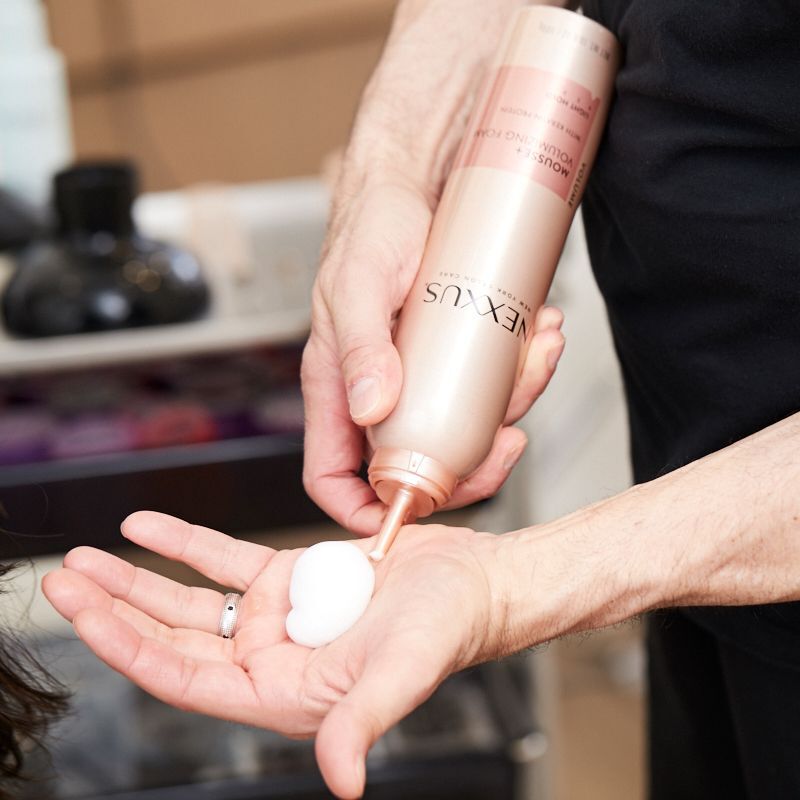
The act of dispensing mousse—the sound of the hiss, the sight of the expanding foam, and the feel of the bubbles popping—creates a unique sensory brand experience. In marketing, this is known as “sensory branding.” It makes the product memorable and satisfying to use. Brands that capitalize on this “ASMR” quality of mousse are able to create a deeper emotional connection with their customers. This emotional resonance is what transforms a one-time buyer into a brand loyalist.
In conclusion, “what is mousse for hair” is a question that can be answered through the lens of successful brand evolution. It is a product that has been stripped of its dated associations and rebuilt as a symbol of modern, scientific, and sustainable beauty. Through strategic repositioning, transparent communication, and a focus on the user experience, mousse has reclaimed its place in the global beauty market, proving that even the most “outdated” brands can find new life with the right strategic approach.
aViewFromTheCave is a participant in the Amazon Services LLC Associates Program, an affiliate advertising program designed to provide a means for sites to earn advertising fees by advertising and linking to Amazon.com. Amazon, the Amazon logo, AmazonSupply, and the AmazonSupply logo are trademarks of Amazon.com, Inc. or its affiliates. As an Amazon Associate we earn affiliate commissions from qualifying purchases.