
In an increasingly complex global economy, discussions around fair compensation and economic justice frequently bring the concept of a “living wage” to the forefront. Far more than just a numerical value, a living wage represents a fundamental standard of income that allows individuals and families to afford a basic, yet decent, standard of living. It’s a powerful idea that challenges traditional notions of minimum wage and urges a deeper look into the true costs of existence in modern society. This article delves into what a living wage truly entails, how it’s calculated, its profound economic and social implications, and the ongoing debates surrounding its implementation.
Defining the Living Wage: More Than Just Minimum
To understand the living wage, it’s crucial to first differentiate it from its more commonly understood counterpart: the minimum wage. While both aim to set a floor for worker compensation, their philosophical underpinnings and practical applications diverge significantly.
Beyond the Minimum Wage
The minimum wage, as mandated by law in many countries and jurisdictions, is typically the lowest hourly wage an employer can legally pay their employees. Its primary goal is often to prevent exploitation and ensure a baseline income for workers. However, the minimum wage is frequently set based on political considerations, economic models, or historical precedents, and it often fails to keep pace with the actual cost of living. Consequently, a full-time worker earning minimum wage may still struggle to meet their basic needs, leading to reliance on public assistance programs.
The living wage, by contrast, is a theoretical concept that calculates the income an individual or family needs to cover their basic expenses without relying on public subsidies or experiencing chronic financial stress. It is not necessarily a legally mandated minimum but rather an ethical benchmark for employers and a goal for policy advocates. It moves beyond mere survival to encompass a level of income that affords dignity, allows for participation in community life, and provides a buffer against unforeseen emergencies.
Components of a Living Wage Calculation
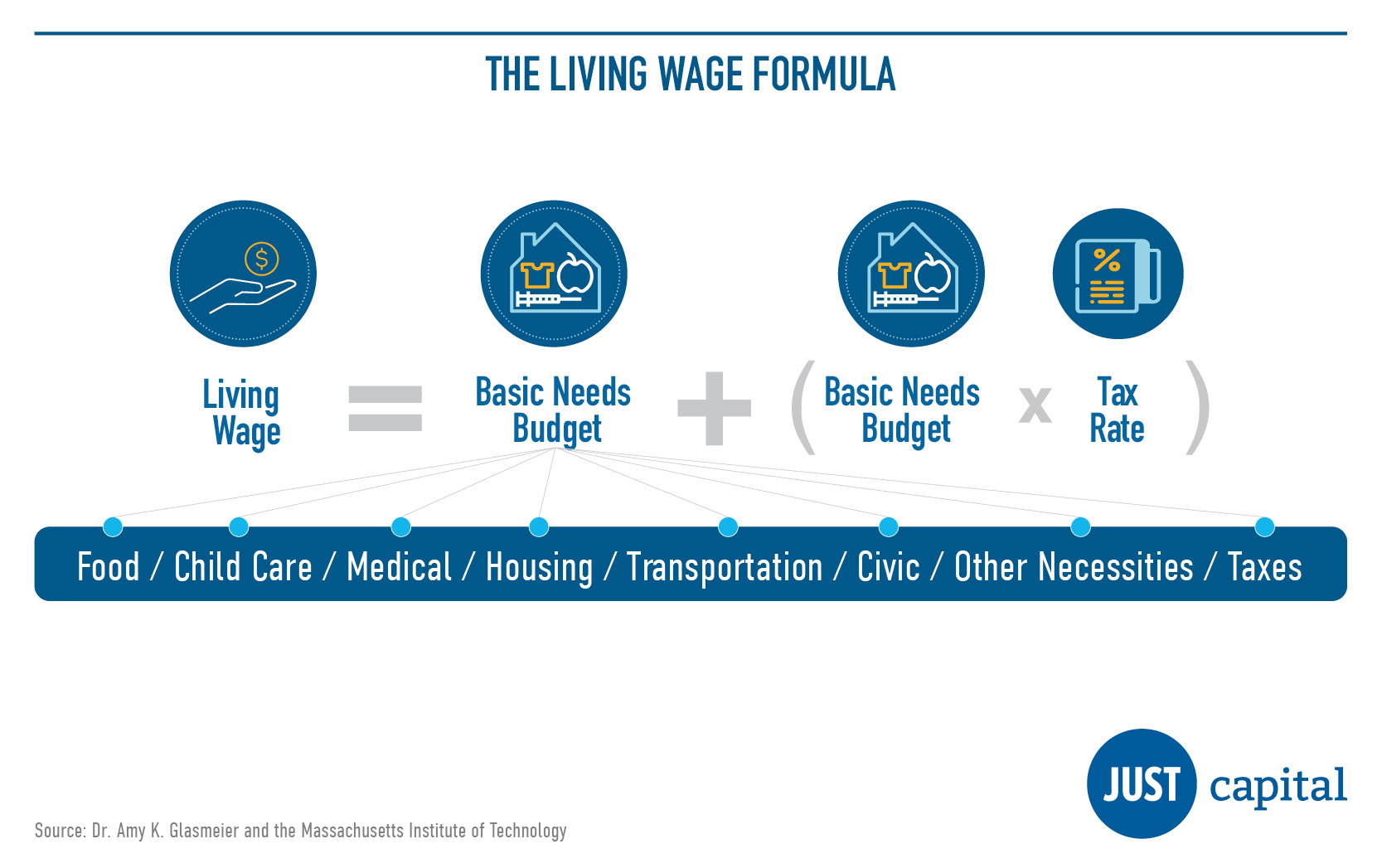
Calculating a living wage is a meticulous process that involves accounting for a comprehensive array of essential expenses. Unlike a one-size-fits-all minimum wage, a living wage is inherently dynamic and localized, reflecting the diverse economic realities of different regions. Key components typically include:
- Housing: This is often the largest single expense. Calculations consider rent or mortgage payments, property taxes, utilities (electricity, heating, water, internet), and basic maintenance. Housing costs vary dramatically from urban centers to rural areas.
- Food: Estimates include the cost of a nutritious and adequate diet for all family members, reflecting local grocery prices and dietary needs.
- Childcare: For families with children, childcare expenses can be prohibitive. A living wage calculation must factor in the cost of quality, accessible childcare, which is a major barrier to financial stability for many working parents.
- Healthcare: Even in countries with universal healthcare, out-of-pocket expenses, prescription costs, and dental/vision care can be substantial. In nations without universal coverage, health insurance premiums become a critical component.
- Transportation: This covers commuting costs, whether through public transport fares, fuel, vehicle maintenance, or insurance. Access to reliable transportation is essential for employment and daily life.
- Other Necessities: This broad category includes clothing, personal care items, household supplies, a modest allowance for recreation and cultural activities, and a small buffer for emergencies or savings. The inclusion of these items acknowledges that a living wage is about more than bare subsistence; it’s about a degree of social inclusion and resilience.
These components are then aggregated, often for different household compositions (single adult, single parent with one child, two adults with two children, etc.), to arrive at a localized living wage figure. Organizations like MIT’s Living Wage Calculator or the Living Wage Foundation in the UK provide detailed methodologies and figures for various regions.
Regional Variations and Cost of Living
One of the most defining characteristics of a living wage is its inherent variability. The cost of living is not uniform across a country, let alone across different continents. What constitutes a living wage in a bustling metropolitan area like New York City or London will be significantly higher than in a small town in the Midwest or a rural European village. This necessitates localized research and calculation, making the implementation of a truly effective living wage a complex, region-specific endeavor. Factors like housing markets, local taxes, public service availability, and even climate can influence these calculations.
The Economic and Social Impact of a Living Wage
The implementation or pursuit of a living wage is driven by a strong belief in its potential to create more equitable and sustainable societies. Its impacts span across individuals, businesses, and the broader economy.
Benefits for Employees
For the individual worker, earning a living wage can be transformative. It means:
- Reduced Financial Stress: The ability to cover basic needs without constant worry improves mental health, reduces stress-related illnesses, and frees up cognitive resources that might otherwise be consumed by financial anxiety.
- Improved Health and Well-being: Access to better food, housing, and healthcare leads to improved physical health outcomes for workers and their families.
- Increased Productivity and Morale: Workers who feel valued and are not struggling to survive are generally more engaged, motivated, and productive. They are also less likely to be absent due to illness or personal crises.
- Enhanced Social Mobility: A living wage provides the stability necessary for individuals to invest in their education, training, or children’s futures, breaking cycles of intergenerational poverty.
- Greater Economic Participation: With disposable income, workers can participate more fully in local economies, contributing to a vibrant community.
Benefits for Employers and the Economy
While some businesses initially express concerns about increased labor costs, a growing body of evidence suggests that paying a living wage can offer significant advantages to employers and the broader economy:
- Reduced Employee Turnover: Employees earning a living wage are more likely to stay with their employers, reducing recruitment and training costs. High turnover is a significant hidden cost for many businesses.
- Improved Quality and Customer Service: Satisfied and less stressed employees are more likely to deliver higher-quality work and better customer service, enhancing a company’s reputation and customer loyalty.
- Enhanced Brand Reputation: Companies that commit to paying a living wage often gain a positive public image, attracting ethically conscious consumers and investors. This can be a powerful differentiator in competitive markets.
- Stimulated Local Economies: When workers earn more, they have more money to spend on goods and services in their local communities, creating a virtuous cycle of increased demand, business growth, and job creation. This reduces reliance on welfare programs, lessening the burden on taxpayers.
- Increased Human Capital: A healthier, more educated workforce is a more skilled and adaptable workforce, benefiting industries and the national economy in the long run.
Addressing Income Inequality
A critical social benefit of the living wage is its potential to significantly reduce income inequality. In many advanced economies, the gap between the highest and lowest earners has widened dramatically over recent decades. The living wage aims to narrow this gap by ensuring that even entry-level or low-skilled positions provide a pathway to a decent standard of living. By lifting the floor of wages, it can mitigate the social and economic consequences of extreme wealth disparities, fostering greater social cohesion and stability.
Challenges and Criticisms

Despite its compelling ethical and economic arguments, the concept of a living wage is not without its challenges and critics. Implementing such a widespread change requires careful consideration of potential pitfalls and trade-offs.
Potential Impact on Employment and Prices
The most common criticism of a mandated or widely adopted living wage is its potential impact on employment levels and consumer prices:
- Job Losses: Opponents argue that if businesses are forced to pay significantly higher wages, they may respond by reducing their workforce, slowing hiring, or automating tasks to offset increased labor costs. This could disproportionately affect entry-level workers or those in low-margin industries.
- Inflation and Price Increases: To maintain profitability, businesses might pass increased labor costs onto consumers through higher prices for goods and services. This could lead to inflationary pressures, potentially eroding the purchasing power of the living wage itself and impacting all consumers.
- Reduced Competitiveness: Industries or businesses operating in highly competitive markets, especially those competing internationally, might struggle to absorb higher wage costs without losing market share or being forced to relocate.
Economists continue to debate the empirical evidence regarding these impacts, with studies offering mixed conclusions depending on the scale of the wage increase, the elasticity of demand, and the specific economic context.
Business Adaptations and Sustainability
For businesses, particularly small and medium-sized enterprises (SMEs), adapting to a living wage can be a significant undertaking. It often requires a reevaluation of business models, pricing strategies, and operational efficiencies. Businesses might need to:
- Increase Productivity: Invest in training, technology, or process improvements to boost output per worker, justifying higher wages.
- Adjust Pricing: Carefully raise prices without alienating customers, requiring a deep understanding of market demand.
- Improve Efficiency: Streamline operations, reduce waste, and negotiate better deals with suppliers to cut other costs.
- Re-evaluate Profit Margins: Some businesses might have to accept slightly lower profit margins, particularly if they operate in highly competitive sectors with little room for price increases.
The transition period can be challenging, and support mechanisms, such as phased implementation or tax incentives, might be necessary to help businesses adapt sustainably.
The Role of Government and Policy
The role of government in promoting or mandating a living wage is a contentious issue. While some advocate for direct legislative action to set living wage standards, others argue that this should be left to market forces or voluntary corporate responsibility.
- Policy Challenges: Setting a national living wage is difficult due to regional cost-of-living differences. Implementing local living wage ordinances can be more effective but creates a patchwork of regulations.
- Balancing Interests: Policymakers must balance the interests of workers, businesses, and consumers, considering the potential for unintended consequences.
- Funding Public Services: If a living wage significantly reduces reliance on public assistance programs, governments might see savings in social welfare budgets, which could be reinvested elsewhere. Conversely, if job losses occur, public services might face new demands.
Ultimately, the debate around the living wage is a complex interplay of economics, ethics, and social policy, requiring nuanced approaches tailored to specific contexts.
Implementing a Living Wage: Pathways to Progress
Despite the challenges, the movement for a living wage continues to gain momentum, driven by various stakeholders working towards a more equitable economic landscape.
Corporate Social Responsibility
An increasing number of businesses are voluntarily adopting living wage policies as part of their corporate social responsibility (CSR) initiatives. These companies often recognize the long-term benefits of a motivated workforce, enhanced brand image, and positive community relations. For them, paying a living wage is seen not just as an expense, but as an investment in human capital and a commitment to ethical business practices. Certifications and accreditation programs, such as those offered by the Living Wage Foundation, help consumers and investors identify and support these ethical employers. This bottom-up approach demonstrates that profitability and social responsibility are not mutually exclusive.
Grassroots Movements and Advocacy
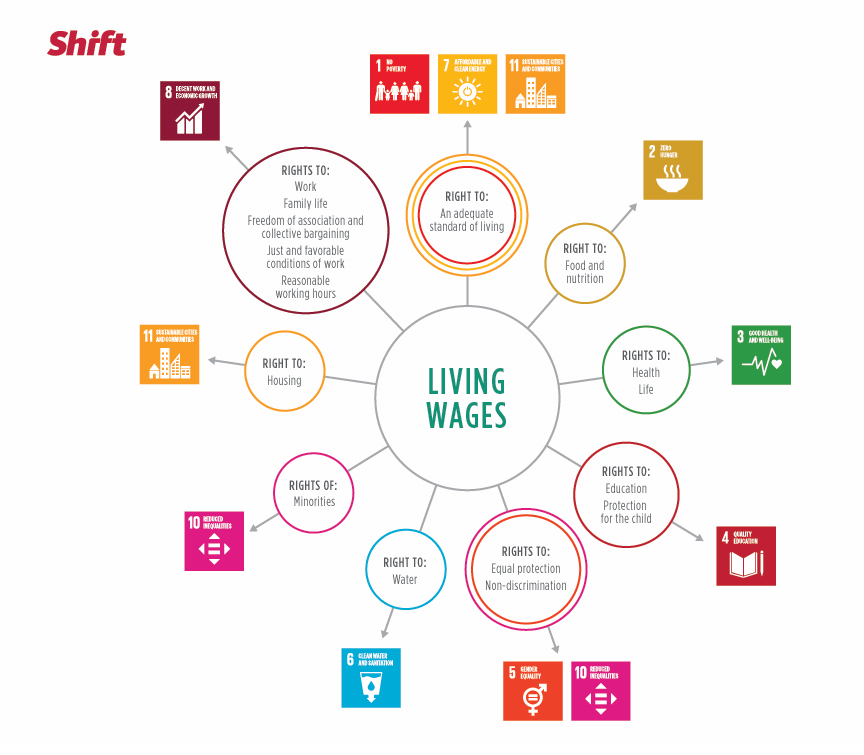
Trade unions, community organizations, and advocacy groups play a crucial role in championing the living wage. They conduct research, raise public awareness, and lobby policymakers and corporations to adopt living wage standards. Through campaigns, protests, and public education, these movements exert pressure for change, highlighting the human cost of inadequate wages and the moral imperative of fair compensation. They often frame the living wage as a human right, arguing that no one working full-time should live in poverty.
Measuring Success and Continuous Improvement
For both voluntary adopters and policymakers, measuring the success of living wage initiatives is vital. This involves:
- Monitoring Economic Indicators: Tracking employment rates, inflation, business growth, and consumer spending in areas where living wages are implemented.
- Assessing Social Outcomes: Evaluating changes in poverty rates, health outcomes, educational attainment, and overall well-being of workers and their families.
- Feedback Loops: Collecting feedback from businesses and employees to understand the practical impacts and identify areas for improvement or adjustment.
The dynamic nature of the cost of living means that living wage calculations are not static; they require regular review and adjustment to remain relevant and effective. This commitment to continuous improvement ensures that the living wage remains a meaningful benchmark for economic justice.
The Path to Financial Stability
The concept of a living wage is fundamentally about dignity, fairness, and the right to a secure life through honest work. It challenges societies to look beyond the minimum and consider what it truly takes for individuals and families to thrive, not just survive. While the path to widespread living wage adoption is complex and fraught with economic debates, the growing consensus around its social benefits and the increasing number of employers embracing it voluntarily suggest a powerful shift in how we define fair compensation. Ultimately, a living wage is not just about a numerical income; it’s about building a more resilient, equitable, and stable financial future for everyone.
aViewFromTheCave is a participant in the Amazon Services LLC Associates Program, an affiliate advertising program designed to provide a means for sites to earn advertising fees by advertising and linking to Amazon.com. Amazon, the Amazon logo, AmazonSupply, and the AmazonSupply logo are trademarks of Amazon.com, Inc. or its affiliates. As an Amazon Associate we earn affiliate commissions from qualifying purchases.