
When we think of the technology sector, the imagery that typically comes to mind is one of sleek Silicon Valley offices, ergonomic chairs, and climate-controlled data centers. We envision software engineers sipping artisanal coffee while solving complex algorithms. However, the infrastructure that supports our digital existence—the high-speed internet, the hardware in our pockets, and the cloud servers that store our data—is built and maintained by individuals in roles that are among the most hazardous on the planet.
While the “dangerous job” moniker is often reserved for deep-sea fishers or loggers, the tech industry harbors a silent hierarchy of high-risk professions. From scaling 2,000-foot telecommunications towers to handling volatile chemicals in semiconductor fabrication, these roles represent the physical frontline of the digital revolution. This article explores the most dangerous jobs within the technology niche, examining the physical, chemical, and psychological risks that power our modern world.
Infrastructure and Physical Maintenance: The High-Stakes World of Connectivity
The seamless “wireless” world we enjoy is a polite fiction. In reality, our digital lives are supported by a massive physical network of towers, cables, and satellites. Maintaining this infrastructure requires a workforce willing to operate in extreme environments where a single mistake can be fatal.
Telecommunications Tower Climbers: The “Deadliest Job” in Tech
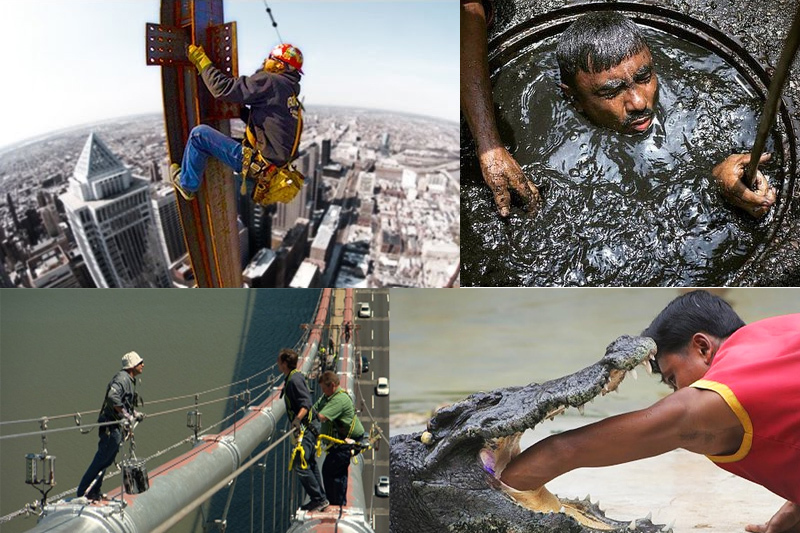
Tower climbers are the unsung heroes of the 5G rollout. These technicians scale vertical heights ranging from 100 to over 2,000 feet to install, maintain, and repair cellular and broadcast equipment. According to various occupational safety reports, this is consistently ranked as one of the most dangerous jobs in the world.
The risks are multifaceted. Beyond the obvious danger of falls, climbers are exposed to high levels of radiofrequency (RF) radiation, which can cause internal heating and long-term health issues if safety protocols are ignored. Furthermore, these technicians often work in extreme weather conditions—high winds, lightning, and freezing temperatures—to ensure that the network remains online. The combination of structural failure, equipment weight, and human fatigue makes this a pinnacle of high-risk tech employment.
Subsea Cable Engineers and Satcom Technicians
While tower climbers look to the sky, subsea cable engineers dive into the depths. Over 95% of international data is transmitted via fiber-optic cables on the ocean floor. The process of laying and repairing these cables involves high-pressure maritime environments and the operation of heavy industrial machinery on unstable platforms.
Similarly, the technicians responsible for satellite ground stations and the emerging “space tech” maintenance sector face unique hazards. Whether it is working with high-voltage power systems or navigating the logistics of remote, high-altitude observatories, these roles bridge the gap between traditional engineering and high-risk exploration.
Resource Extraction and Hardware Manufacturing: The Toxic Underbelly of Tech
Behind every sleek smartphone and high-performance GPU lies a complex supply chain that begins in the earth and ends in highly controlled, yet chemically volatile, manufacturing plants. The “Tech” niche is not just about code; it is about the physical matter required to run that code.
Rare Earth Mineral Mining for Consumer Electronics
The demand for lithium-ion batteries and high-performance magnets has turned mineral mining into a critical tech job. This is perhaps the most ethically and physically dangerous facet of the industry. In regions like the Democratic Republic of Congo, “artisanal” miners—who are effectively the bottom tier of the tech supply chain—work in unstable tunnels to extract cobalt.
Even in modernized, tech-driven mining operations, the use of automated machinery and AI-driven surveying does not eliminate the risk of cave-ins, respiratory diseases from mineral dust, and exposure to toxic runoff. The technology industry’s hunger for hardware makes the extraction of these raw materials a high-stakes race where safety often takes a backseat to volume.
Semiconductor Fabrication and Chemical Exposure
The “Clean Rooms” where microchips are made appear sterile and safe, but they are environments of intense chemical complexity. Semiconductor fabrication involves the use of highly toxic gases, corrosive acids, and volatile solvents. Workers in these facilities are at constant risk of chemical leaks or exposure to “forever chemicals” (PFAS) and heavy metals like arsenic and antimony used in the doping process.
While automation and robotics have reduced the need for human contact with these substances, maintenance crews and specialized technicians must still enter these zones. The long-term health implications of working in chip fabrication remain a point of intense study within the tech niche, as the industry balances the need for smaller, faster chips with the safety of those who manufacture them.
Cyber Warfare and Digital Security: The Mental and Physical Toll
In the 21st century, “danger” is no longer strictly defined by physical trauma. The technology sector has birthed new roles where the risks are psychological, geopolitical, and digital—yet the consequences are no less devastating.
Cybersecurity Frontlines in Conflict Zones
We often view cybersecurity as a desk job, but for those working in “Red Teams” or incident response for critical infrastructure, the stakes are physical. As cyber-attacks increasingly target power grids, water treatment plants, and healthcare systems, tech professionals are being deployed to high-risk geopolitical zones to protect digital assets.
In these environments, a digital security expert might be targeted by state actors or extremist groups. The “danger” here is a blend of traditional espionage and modern hacking. Protecting a nation’s server infrastructure during an active conflict puts tech workers directly in the crosshairs of physical kinetic warfare.
Content Moderation and Psychological Trauma
While often categorized under “operations,” content moderators are the frontline defense for social media AI and platform integrity. These workers spend eight hours a day viewing the most horrific content the internet has to offer—graphic violence, exploitation, and psychological warfare—to “train” safety algorithms.
The industry is beginning to recognize the “danger” of this role as a form of acute psychological injury. The rates of PTSD among content moderators are comparable to those of combat veterans. Within the tech niche, this role highlights the dark side of AI development; before an AI can be “safe,” a human must first process the “unsafe” to categorize it.
The Future of High-Risk Tech: Can AI and Robotics Mitigate the Danger?
As technology evolves, the industry is increasingly using its own innovations to solve the problem of workplace danger. The goal is to remove the “human in the loop” from the most hazardous environments.
Remote Operated Vehicles (ROVs) and Drones
The most significant trend in tech safety is the deployment of drones for infrastructure inspection. Instead of a human climbing a 500-foot wind turbine or a cell tower, a drone equipped with LiDAR and high-resolution thermal cameras can perform the audit. In the subsea sector, ROVs are now capable of performing complex cable repairs at depths that would be lethal for human divers. This shift is transforming “dangerous jobs” into “remote pilot jobs,” though the technical expertise required remains just as high.
Predictive Safety Analytics and Wearable Tech
The integration of Internet of Things (IoT) sensors and AI-driven predictive analytics is another leap forward. In manufacturing plants and mines, wearable tech can now monitor a worker’s heart rate, heat stress, and exposure to toxic gases in real-time. If an environment becomes unstable, AI systems can trigger an automated evacuation before a human even senses the danger.
However, this transition creates its own niche risks. As we rely more on automated safety systems, the “most dangerous job” may shift to the software engineers responsible for the safety code itself. If a bug in a predictive safety algorithm goes undetected, hundreds of lives could be at risk, shifting the burden of responsibility from physical bravado to digital precision.

Conclusion
The technology sector is built on a foundation of high-risk labor that is often invisible to the end-user. Whether it is the physical peril of the tower climber, the chemical risks of the chip manufacturer, or the psychological burden of the content moderator, the “most dangerous job in the world” frequently resides within the very industry that promises to make our lives easier.
As we look toward a future defined by AI and automation, the nature of these dangerous roles will continue to shift. While we may eventually move humans out of the direct line of fire, the demand for high-stakes technical expertise will only grow. Acknowledging the risks inherent in the tech niche is the first step toward building a digital world that is not only innovative but also sustainable and safe for the people who power it.
aViewFromTheCave is a participant in the Amazon Services LLC Associates Program, an affiliate advertising program designed to provide a means for sites to earn advertising fees by advertising and linking to Amazon.com. Amazon, the Amazon logo, AmazonSupply, and the AmazonSupply logo are trademarks of Amazon.com, Inc. or its affiliates. As an Amazon Associate we earn affiliate commissions from qualifying purchases.