
For anyone navigating the modern real estate market, the question “what is the mortgage rate today?” is more than a simple inquiry—it is a critical financial data point that determines purchasing power, long-term wealth accumulation, and monthly cash flow. Mortgage rates represent the cost of borrowing money to purchase a home, and in an era of economic volatility, these figures can shift significantly within a single trading day. Understanding the nuances of these rates is essential for first-time homebuyers, seasoned investors, and homeowners looking to refinance their existing debt.
This guide explores the mechanics of mortgage rates, the macroeconomic forces that drive them, and the personal financial strategies you can employ to secure the best possible terms in the current market.
Understanding the Fundamentals of Modern Mortgage Rates
To answer what the mortgage rate is today, one must first understand that there is no single “universal” rate. Instead, there is a benchmark average that reflects the broader market, while individual rates are tailored to a borrower’s specific financial profile. At its core, a mortgage rate is the interest charged by a lender to mitigate the risk of lending a large sum of money over a long period, typically 15 to 30 years.
The Difference Between Fixed-Rate and Adjustable-Rate Mortgages (ARMs)
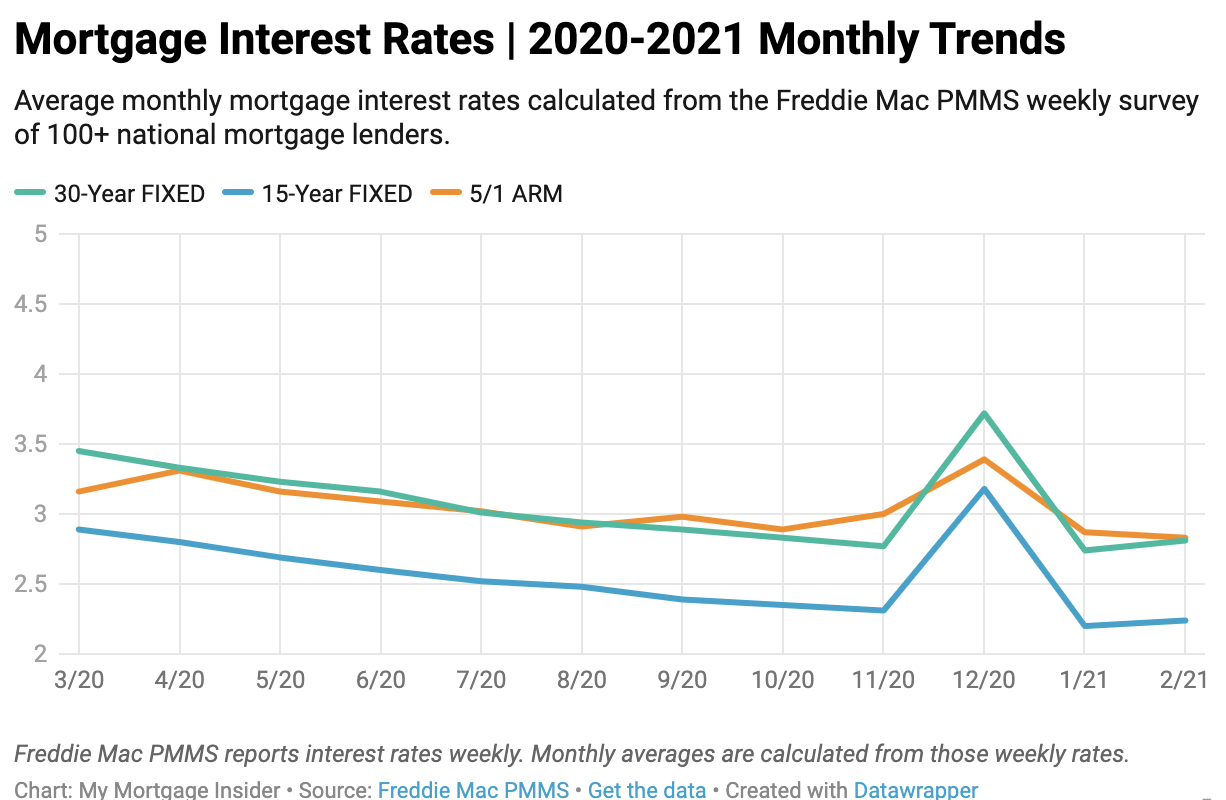
The most common mortgage product is the 30-year fixed-rate mortgage. With this option, the interest rate remains constant for the entire life of the loan, providing the borrower with predictable monthly payments. This is often the preferred choice when rates are historically low. Conversely, an Adjustable-Rate Mortgage (ARM) usually offers a lower initial interest rate for a set period (such as five or seven years), after which the rate adjusts periodically based on market indices. When asking about today’s rates, it is vital to distinguish between these two, as ARMs may appear more attractive in the short term but carry significant long-term risk if market rates rise.
How the Federal Funds Rate Influences Your Home Loan
A common misconception is that the Federal Reserve sets mortgage rates directly. In reality, the “Fed” sets the federal funds rate—the interest rate at which commercial banks borrow and lend to each other overnight. While this does not dictate mortgage rates, it creates a “ripple effect.” When the Fed raises rates to combat inflation, the cost of doing business for banks increases, which is then passed on to consumers in the form of higher mortgage interest rates. Monitoring the Federal Open Market Committee (CC) meetings is essential for predicting which direction rates might head in the coming weeks.
The Role of the 10-Year Treasury Yield
If you want to know where mortgage rates are going today, look at the 10-year Treasury yield. Mortgage-backed securities (MBS) compete for the same investors as Treasury bonds. Because mortgages carry more risk than government bonds, they must offer a higher yield to attract investors. Historically, the spread between the 10-year Treasury yield and the 30-year fixed mortgage rate is about 1.5 to 2 percentage points. When Treasury yields spike due to optimistic economic data or inflation fears, mortgage rates almost always follow suit immediately.
Key Factors That Determine the Specific Rate You Receive
While the “daily average” gives you a baseline, the rate a lender quotes you will depend heavily on your personal “Money” profile. Lenders use a process called risk-based pricing to determine how much of a liability you represent.
Credit Scores and Their Direct Impact on Interest
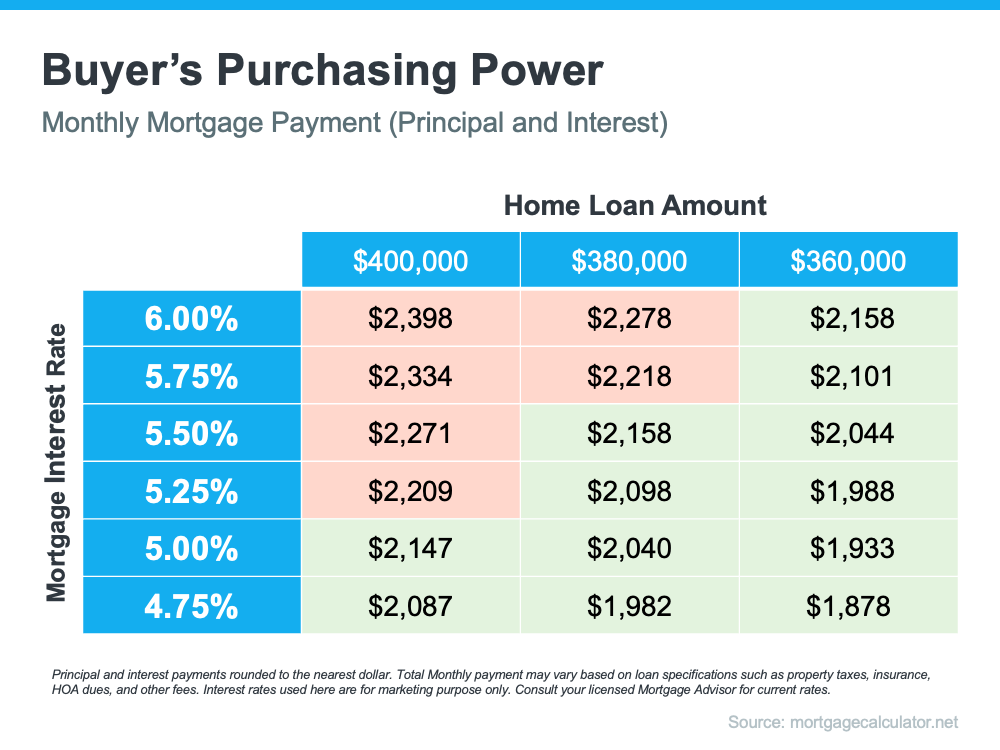
Your FICO score is perhaps the most influential factor in the mortgage rate you are offered. In the eyes of a lender, a higher credit score indicates a lower risk of default. For example, a borrower with a credit score of 760 or higher might receive a rate that is 0.5% to 1.0% lower than someone with a score of 640. Over a 30-year loan on a $400,000 home, this seemingly small difference can result in saving over $100,000 in interest payments. Maintaining a clean credit history, low credit card utilization, and a track record of on-time payments is the most effective way to “discount” your own mortgage rate.
Loan-to-Value (LTV) Ratios and Down Payment Strategies
The amount of equity you put into the home upfront—your down payment—directly affects your rate. The Loan-to-Value (LTV) ratio measures the loan amount against the appraised value of the property. A 20% down payment (an 80% LTV) is the traditional benchmark. Borrowers who can afford a larger down payment often receive better rates because the lender’s “skin in the game” is reduced. Furthermore, reaching the 20% threshold allows borrowers to avoid Private Mortgage Insurance (PMI), which, while not part of the interest rate itself, adds significantly to the monthly financial burden.
Debt-to-Income (DTI) Ratios: Why Lenders Care
Lenders analyze your Debt-to-Income (DTI) ratio to ensure you aren’t overleveraged. This is the percentage of your gross monthly income that goes toward paying debts, including your future mortgage, car loans, and student debt. Most conventional lenders prefer a DTI ratio below 36%, though some programs allow up to 43% or higher. A lower DTI ratio suggests financial stability, which can occasionally help you qualify for “preferred” pricing tiers within a lender’s internal rate sheets.
Navigating the Current Economic Landscape: Why Rates Fluctuate

Mortgage rates are highly sensitive to the broader economic climate. When you check “what is the mortgage rate today,” you are looking at a snapshot of global confidence in the economy.
Inflation and Its Relationship with Mortgage Pricing
Inflation is the primary enemy of fixed-income investments like mortgages. When inflation is high, the purchasing power of the future interest payments a lender receives is eroded. To compensate for this loss of value, lenders demand higher interest rates. This is why mortgage rates often climb when the Consumer Price Index (CPI) shows that prices for goods and services are rising faster than expected. Conversely, when inflation cools, rates tend to stabilize or decline.
Global Economic Events and Market Volatility
The mortgage market does not exist in a vacuum. Geopolitical instability, global trade shifts, and even international health crises can drive investors toward the safety of the U.S. bond market. This “flight to quality” increases demand for bonds, which can drive down yields and, consequently, lower mortgage rates. Monitoring global news is part of a sophisticated approach to timing a home purchase or a refinance.
The Impact of Housing Market Supply and Demand
The local and national housing inventory also plays a secondary role. In a “seller’s market” where demand far outstrips supply, lenders may be inundated with applications, allowing them to keep rates slightly higher. In a “buyer’s market,” lenders may become more competitive, offering lower rates or closing cost incentives to attract a dwindling pool of qualified borrowers.
Strategies to Secure the Best Mortgage Rate in a High-Interest Environment
If today’s mortgage rates are higher than you had hoped, there are several strategic financial maneuvers you can use to mitigate the cost of borrowing.
The Power of Rate Locks and When to Use Them
Because mortgage rates change daily—and sometimes hourly—a “rate lock” is an essential tool. Once you have an accepted offer on a home, your lender can lock in the current rate for a specific period, typically 30, 45, or 60 days. This protects you if rates rise while your loan is in underwriting. However, be cautious: if rates drop significantly during your lock period, you may need a “float-down” option to take advantage of the lower rate, which sometimes carries an additional fee.
Buying Down the Rate: Are Mortgage Points Worth It?
Borrowers often have the option to pay “discount points” at closing to lower their interest rate. One point typically costs 1% of the total loan amount and reduces the interest rate by approximately 0.25%. This is essentially “prepaying” interest. To determine if this is a smart move, you must calculate the “break-even point”—the number of months it will take for the monthly savings to exceed the upfront cost. If you plan to stay in the home for a long time, buying points can be a brilliant long-term financial strategy.
Comparison Shopping: The Importance of Multiple Loan Estimates
Too many borrowers accept the first rate quote they receive from their primary bank. However, different institutions—credit unions, national banks, and independent mortgage brokers—have different overhead costs and risk tolerances. By obtaining at least three Loan Estimates, you can leverage one offer against another. Research shows that shoppers who compare five lenders save an average of $3,000 more than those who only get one quote.
Long-Term Financial Planning: Refinancing and Equity Growth
The rate you get today does not have to be the rate you keep forever. Real estate is a long-term asset, and managing the debt associated with it requires ongoing attention.
Knowing When to Refinance for a Better Rate
Refinancing involves replacing your current mortgage with a new one, ideally at a lower interest rate. A general rule of thumb in personal finance is that if you can lower your rate by 0.75% to 1%, a refinance is worth considering. However, you must factor in closing costs. A “rate-and-term” refinance can lower your monthly payment, while a “cash-out” refinance allows you to tap into your home’s equity for renovations or debt consolidation, albeit usually at a slightly higher interest rate.
Building Equity in an Uncertain Interest Rate Climate
When rates are high, the speed at which you build equity becomes even more important. By making one extra principal payment per year or switching to a bi-weekly payment schedule, you can drastically reduce the amount of interest paid over the life of the loan. In a high-rate environment, your “return on investment” for paying down your mortgage is essentially the interest rate you are avoiding, making it one of the safest financial moves available.
In conclusion, “what is the mortgage rate today” is a question that requires looking at both the macro-level economy and your micro-level personal finances. By understanding the forces at play—from the Fed’s decisions to your own credit score—you can navigate the complexities of the housing market with confidence and precision, ensuring that your home remains a source of wealth rather than a financial burden.
aViewFromTheCave is a participant in the Amazon Services LLC Associates Program, an affiliate advertising program designed to provide a means for sites to earn advertising fees by advertising and linking to Amazon.com. Amazon, the Amazon logo, AmazonSupply, and the AmazonSupply logo are trademarks of Amazon.com, Inc. or its affiliates. As an Amazon Associate we earn affiliate commissions from qualifying purchases.