
In the modern business landscape, a marketing plan is far more than a simple roadmap for advertising expenditures. It is the architectural blueprint of your brand’s presence in the marketplace. Without a cohesive plan, even the most innovative products can fail to find their audience, lost in a sea of noise and competing narratives. Creating a marketing plan requires a deep dive into the soul of your brand, an analytical understanding of your audience, and a tactical approach to storytelling that converts casual observers into lifelong advocates.
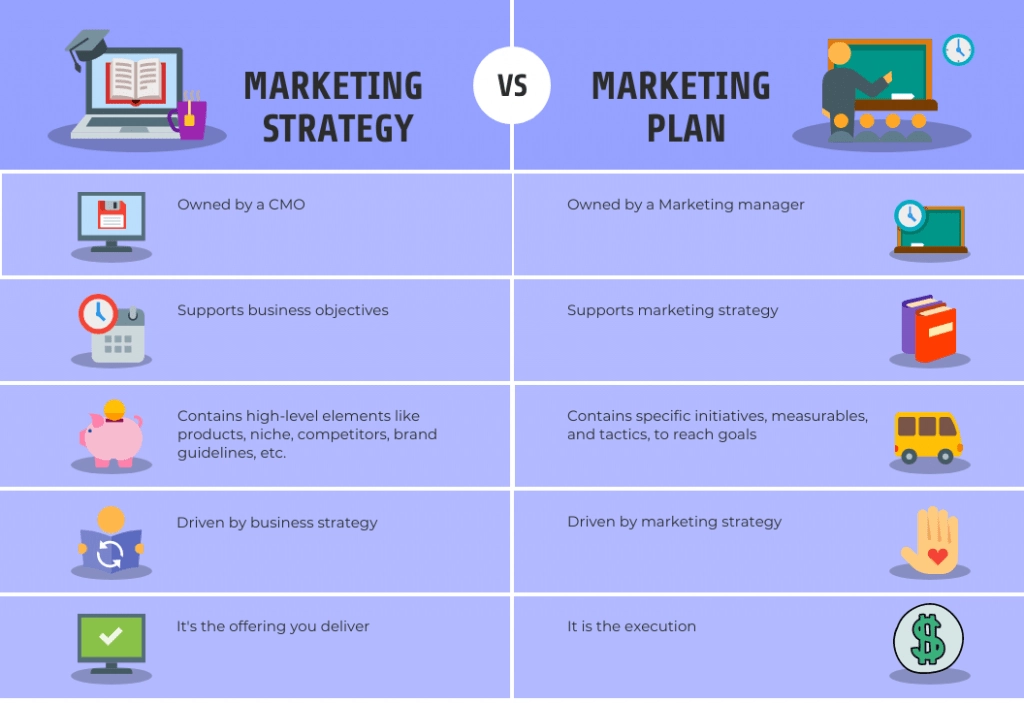
A well-structured marketing plan bridges the gap between a business’s internal vision and the consumer’s external perception. It ensures that every touchpoint—from a social media post to a high-level corporate partnership—reinforces the same brand identity. This guide explores the essential steps to building a marketing plan that prioritizes brand strategy and long-term market positioning.
1. Establishing the Brand Foundation: Identity and Value Proposition
Before a single dollar is spent on promotion, a brand must understand its own DNA. The first section of any marketing plan should be dedicated to defining the core identity of the business. If you do not know who you are, your customers certainly won’t.
Defining the Unique Selling Proposition (USP)
Your Unique Selling Proposition is the “why” behind your brand. In a saturated market, consumers are looking for reasons to choose one brand over another. A strong USP doesn’t just list features; it highlights the unique value that only your brand can provide. Are you the most sustainable? The most luxurious? The most community-focused? Identifying this core differentiator allows you to center your entire marketing strategy around a singular, powerful message.
Developing Brand Persona and Voice
A brand is a living entity in the minds of consumers. To make it relatable, you must develop a consistent persona and voice. This involves deciding whether your brand is authoritative and professional, or playful and irreverent. The voice should be consistent across all channels. When a brand’s voice shifts inconsistently—sounding corporate on LinkedIn but using “gen-z slang” on TikTok—it creates a sense of inauthenticity that erodes trust. A marketing plan must codify these traits to ensure brand alignment across all departments.
2. Market Intelligence and Audience Psychographics
A marketing plan is only as good as the data it is built upon. Understanding the landscape involves more than just knowing who your competitors are; it requires a deep understanding of the psychological drivers of your target audience.
Conducting a Competitive Brand Analysis
Strategic marketing requires a clear-eyed view of the competition. However, instead of just looking at their pricing or product features, a brand-focused marketing plan looks at their “brand share.” What emotional space do they occupy? By mapping out the brand positioning of your competitors, you can identify “white spaces” in the market—areas where consumer needs are not being met or where a specific brand archetype is missing.
Creating Data-Driven Buyer Personas
Traditional demographics (age, location, gender) are no longer enough to build a modern marketing plan. Instead, marketers must focus on psychographics—interests, values, pain points, and lifestyle choices. A buyer persona should feel like a real person. For instance, instead of targeting “women aged 25–35,” a brand might target “The Conscious Professional,” an individual who values efficiency, prioritizes ethical sourcing, and spends their weekends engaging with wellness content. This level of detail allows for highly personalized marketing efforts that resonate on an emotional level.
3. Setting Strategic Objectives and Brand Goals
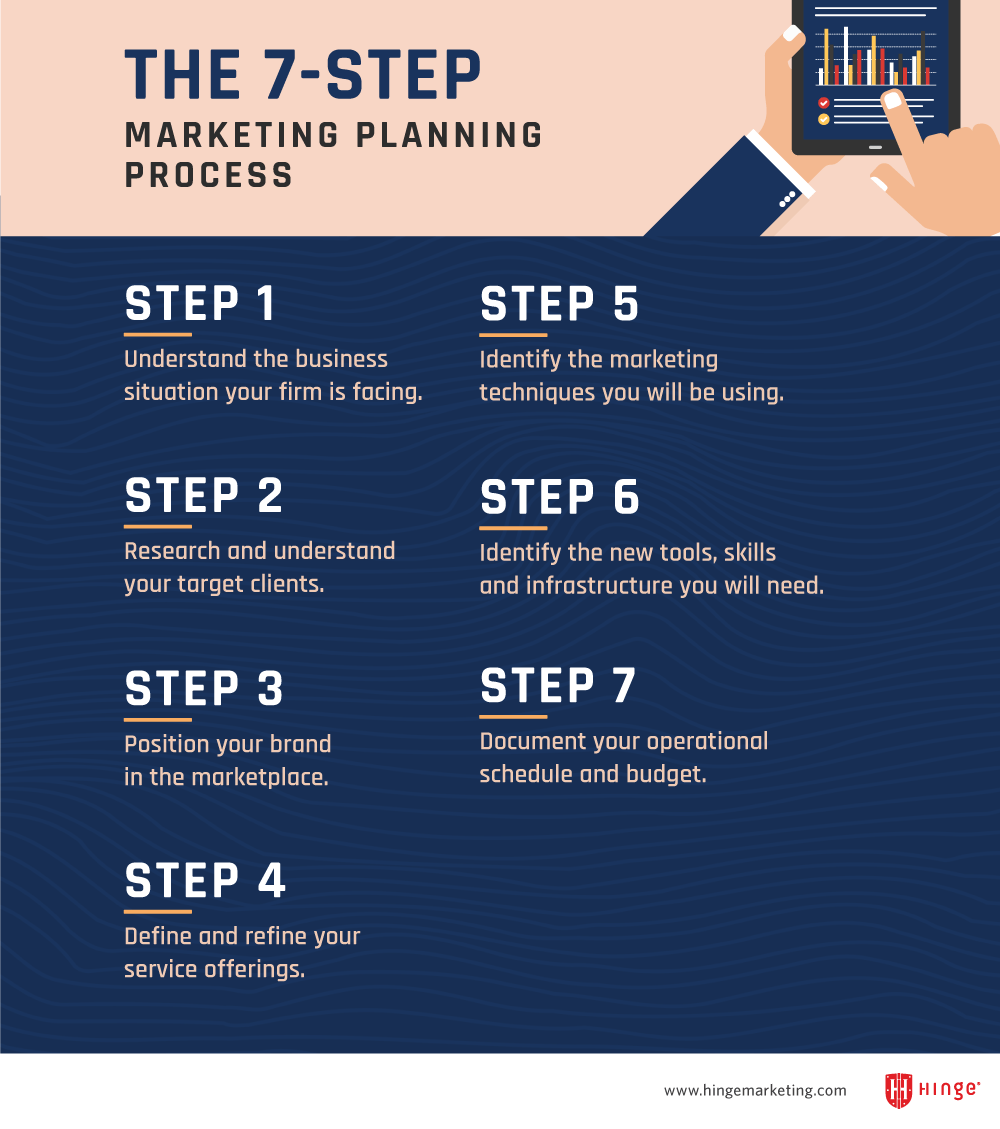
With a firm identity and a clear understanding of the market, the next step is to define success. Without specific goals, a marketing plan is merely a collection of ideas without accountability.
The SMART Framework in Brand Marketing
Effective marketing objectives must be Specific, Measurable, Achievable, Relevant, and Time-bound (SMART). In a brand-centric plan, these goals often balance short-term wins with long-term equity.
- Specific: Instead of “increase brand awareness,” use “increase brand mentions on social media by 25%.”
- Measurable: Use tools to track sentiment, reach, and conversion rates.
- Achievable: Ensure the budget and team size can realistically meet the targets.
- Relevant: Ensure the marketing goals align with the overall business vision.
- Time-bound: Set a six-month or one-year window for these objectives to be met.
Balancing Performance Marketing with Brand Building
A common mistake in marketing plans is focusing exclusively on “performance marketing” (immediate clicks and sales) while ignoring “brand building” (long-term reputation). A comprehensive plan allocates resources to both. While performance marketing keeps the lights on, brand building ensures that when you stop spending on ads, customers still remember who you are. This section of your plan should outline how you will maintain this balance to ensure sustainable growth.
4. Channel Strategy and the Content Ecosystem
Where and how you communicate is just as important as what you say. A strategic marketing plan outlines a multi-channel approach that meets the audience where they already spend their time.
Content Strategy: Building Authority Through Value
Content is the vehicle through which your brand identity is delivered. A robust content strategy focuses on providing value rather than just pitching products. This can take the form of educational blog posts, insightful whitepapers, or engaging video storytelling. By positioning the brand as a thought leader or a source of inspiration, you build a “brand halo” that makes your products more desirable by association. The marketing plan should dictate a content calendar that ensures a steady cadence of high-quality output.
Multi-Channel Integration and Visual Identity
In a world of fragmented media, consistency is the key to recall. Your marketing plan must ensure that the visual identity—logos, color palettes, and typography—is unified across all platforms. Whether a customer sees an Instagram ad, an email newsletter, or a physical billboard, the visual cues should immediately signal your brand. Furthermore, the plan should detail how different channels work together. For example, a video series on YouTube can be repurposed into short clips for Reels, which then drive traffic to a detailed landing page on your website.
5. Execution, Measurement, and Iterative Evolution
The final phase of a marketing plan is the transition from theory to practice. However, a marketing plan is never truly “finished.” It is a living document that must evolve based on real-world feedback and changing market conditions.
Tracking Brand Sentiment and Key Performance Indicators (KPIs)
To understand if your marketing plan is working, you must track the right metrics. While sales figures are the ultimate indicator of business health, brand-specific KPIs provide insight into the “health” of your market position. These include:
- Net Promoter Score (NPS): Measuring customer loyalty and their likelihood to recommend the brand.
- Share of Voice (SOV): How much of the conversation in your industry is centered around your brand versus competitors.
- Customer Acquisition Cost (CAC) vs. Lifetime Value (LTV): Ensuring that the cost to bring in a customer is sustainable relative to the long-term value they bring to the brand.
The Feedback Loop and Strategic Pivoting
The digital landscape moves quickly. A marketing plan created in January might need adjustment by June due to a new social media trend or a shift in consumer sentiment. Successful brands build a feedback loop into their marketing plan, allowing for quarterly reviews of what is working and what isn’t. This agility allows a brand to pivot its tactics without losing sight of its core identity. If a specific channel isn’t yielding the expected engagement, the plan should provide the framework for reallocating those resources to more productive areas.
Conclusion: The Long-Term Impact of a Strategic Plan
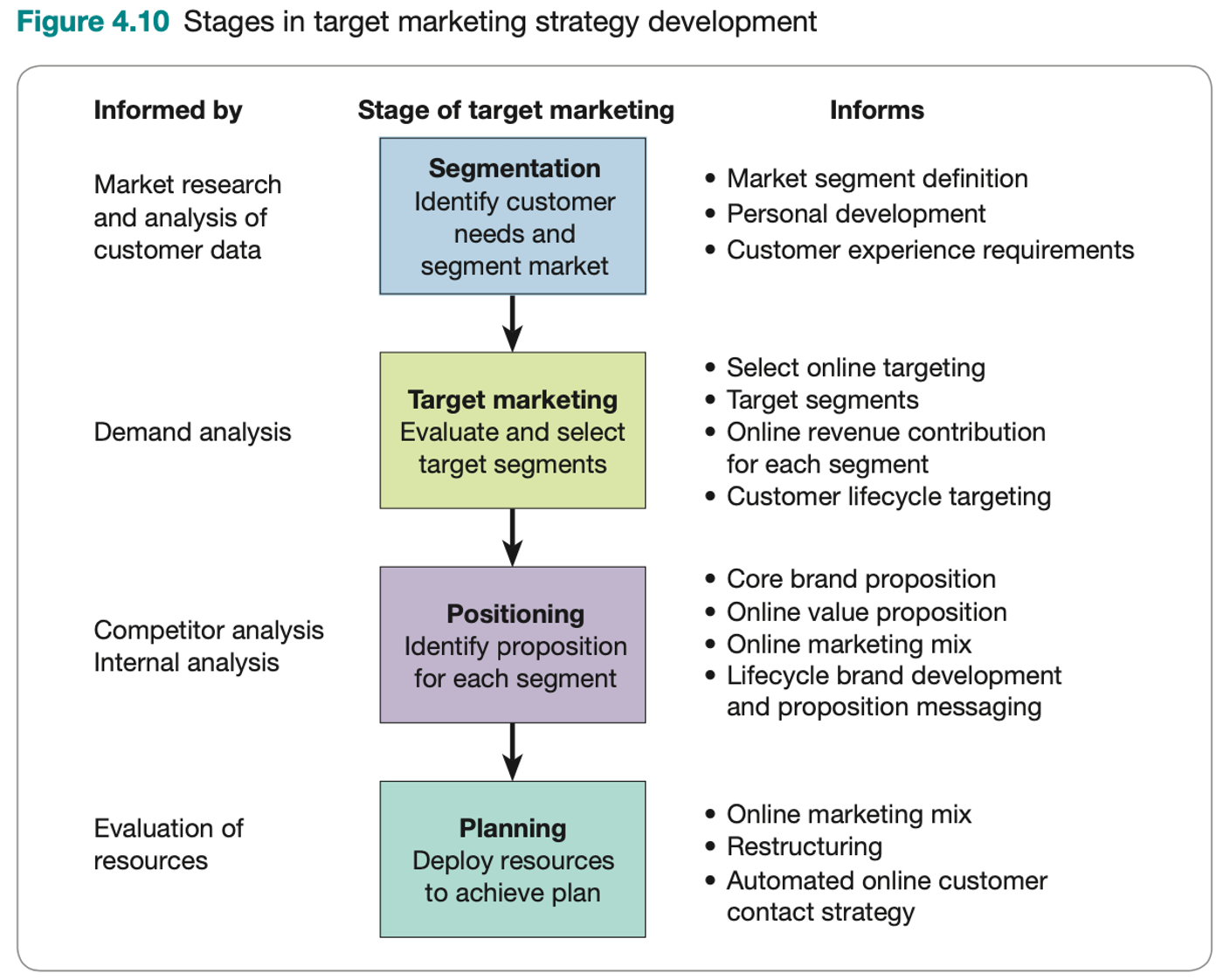
Creating a marketing plan is an investment in the future of your brand. It moves a company away from reactive, “scattergun” promotion and toward a proactive, intentional strategy. By focusing on brand identity, deep audience research, clear objectives, and consistent multi-channel execution, you create a foundation for enduring market presence.
Ultimately, a marketing plan is about storytelling. It is the story of how your brand solves a problem, fulfills a desire, or improves a life. When executed with precision and authenticity, it does more than just sell—it builds a legacy. As you develop your own plan, remember that the goal is not just to reach the customer, but to resonate with them, creating a lasting bond that transcends the transactional and enters the realm of true brand loyalty.
aViewFromTheCave is a participant in the Amazon Services LLC Associates Program, an affiliate advertising program designed to provide a means for sites to earn advertising fees by advertising and linking to Amazon.com. Amazon, the Amazon logo, AmazonSupply, and the AmazonSupply logo are trademarks of Amazon.com, Inc. or its affiliates. As an Amazon Associate we earn affiliate commissions from qualifying purchases.