
For most individuals, purchasing a home represents the single largest financial transaction of their lives. Beyond the sticker price of the property itself, the cost of borrowing the money to finance that purchase—the mortgage—plays an equally, if not more, critical role in its long-term affordability. At the heart of this cost lies the mortgage interest rate, a concept fundamental to understanding homeownership, personal finance, and long-term financial planning. Far from being a mere percentage, the mortgage interest rate is a dynamic figure shaped by a complex interplay of economic forces, market conditions, and individual borrower characteristics. Grasping its nuances is not just a matter of financial literacy; it’s a prerequisite for making informed decisions on your path to homeownership.
The Core Concept: Deconstructing Mortgage Interest
To fully appreciate the impact of a mortgage interest rate, it’s essential to first understand what “interest” truly means in the context of borrowing money. It’s the cost of using someone else’s capital, the lender’s reward for providing funds and taking on risk, and your periodic payment for the privilege of accessing that money.
What is Interest? The Price of Borrowing
At its most basic level, interest is the charge for borrowing money. Think of it as “rent” paid on the capital you’ve borrowed. When you take out a mortgage, a bank or financial institution lends you a significant sum to buy a home. In return for providing this capital, forgoing the opportunity to invest it elsewhere, and assuming the risk that you might not repay, they charge interest. This interest is typically expressed as an annual percentage of the outstanding loan balance.
For a mortgage, this percentage is applied to the principal amount—the actual money you borrowed—and is factored into your monthly payments. Over the life of a typical 15-year or 30-year mortgage, the cumulative interest paid can often amount to a substantial portion of, or even exceed, the original principal borrowed, highlighting its profound impact on the total cost of homeownership.
Principal vs. Interest: The Amortization Schedule
Every mortgage payment you make is divided into two primary components: principal and interest.
- Principal: This is the portion of your payment that goes towards reducing the actual amount you borrowed. As you pay down the principal, your outstanding loan balance decreases.
- Interest: This is the portion of your payment that compensates the lender for providing the loan.
The allocation between principal and interest within each payment follows a process called amortization. In the early years of a mortgage, a significantly larger portion of your monthly payment goes towards interest. This is because the outstanding principal balance is at its highest, and therefore, the interest charged on that large sum is also higher. As time progresses and you gradually pay down the principal, the interest portion of your payment decreases, and an increasingly larger share of your payment begins to chip away at the principal. By the final years of a 30-year fixed-rate mortgage, the vast majority of your payment will be directed towards principal reduction, with only a small fraction covering interest. Understanding this amortization schedule is key to realizing how interest rates affect not just your monthly budget, but the long-term equity you build in your home.
Factors That Influence Your Mortgage Interest Rate
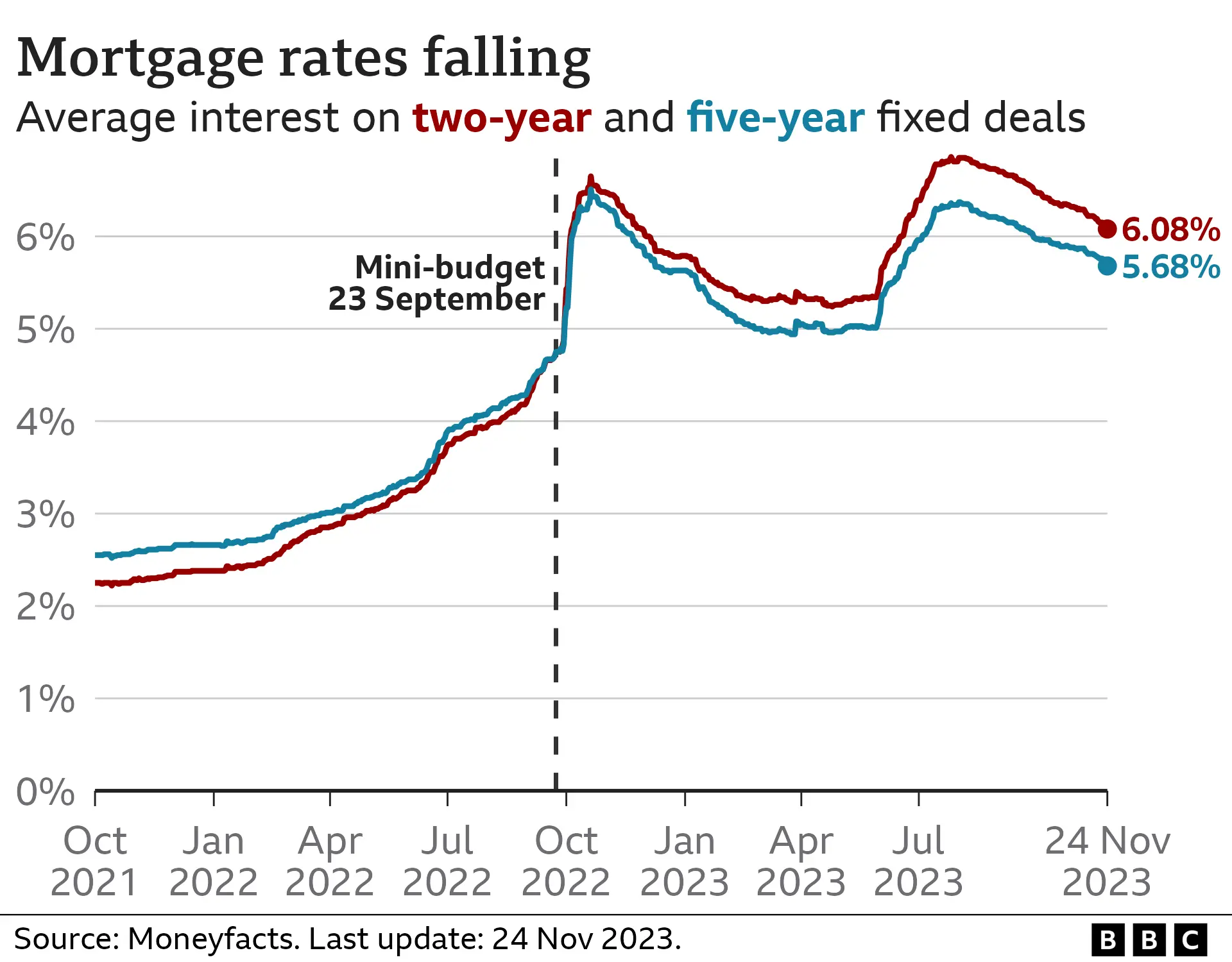
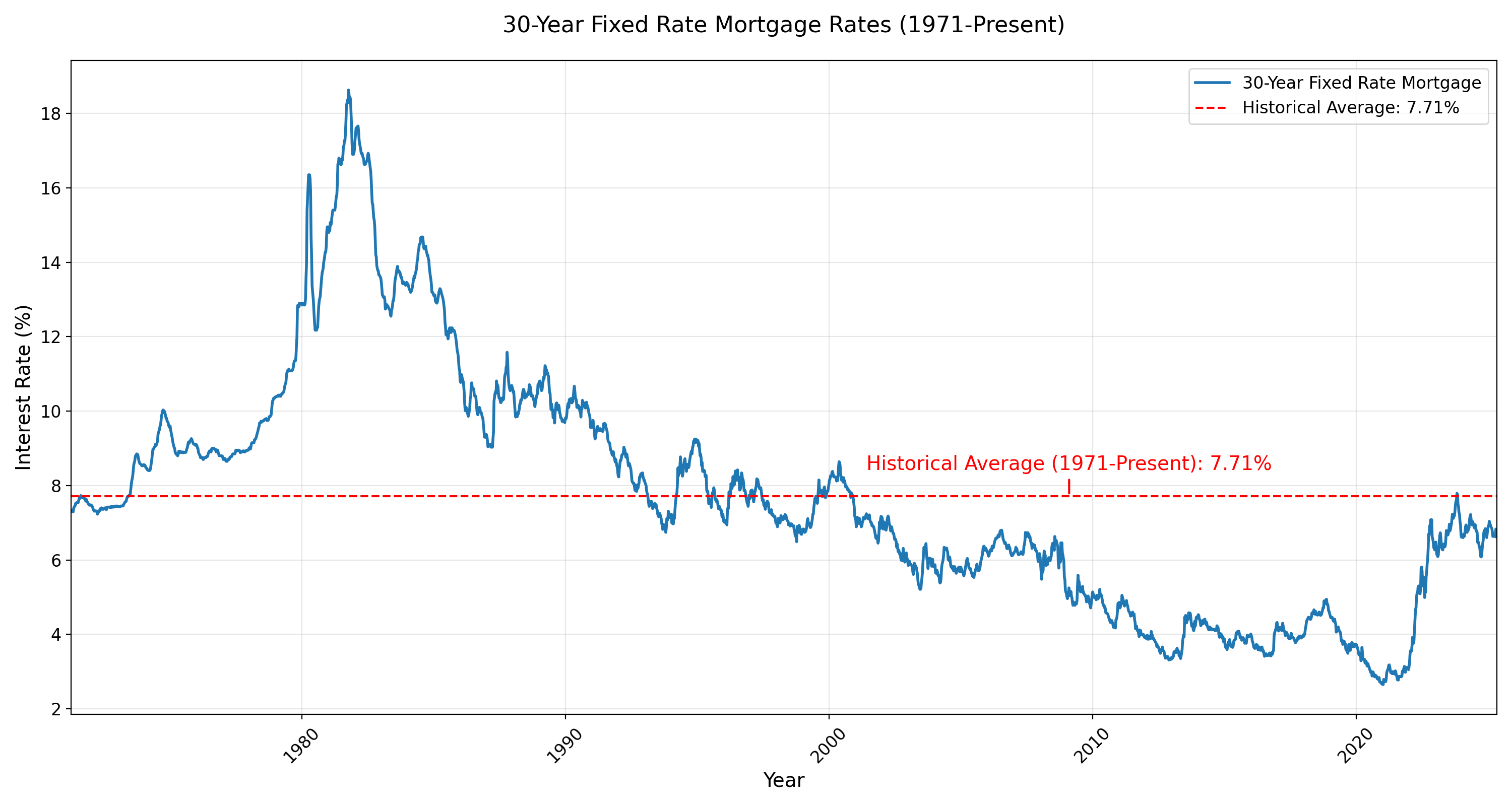
Mortgage interest rates are not static figures; they are dynamic and constantly fluctuating, influenced by a complex web of economic forces and individual circumstances. Pinpointing the factors that push rates up or down is crucial for anyone looking to secure the best possible financing.
Economic Indicators and Central Bank Policy
Broad macroeconomic conditions play a significant role in setting the stage for mortgage interest rates.
- Central Bank Decisions: In the United States, the Federal Reserve’s monetary policy decisions, particularly changes to the federal funds rate, have a ripple effect across the entire financial system. While the federal funds rate is an overnight lending rate between banks, it influences the prime rate, which in turn affects consumer lending rates, including mortgages. When the Fed raises rates to combat inflation, mortgage rates typically follow suit. Conversely, when the Fed cuts rates to stimulate economic growth, mortgage rates tend to fall.
- Inflation: Lenders are acutely sensitive to inflation. If inflation is high or expected to rise, the purchasing power of the money they will be repaid in the future decreases. To compensate for this potential loss in value, lenders will demand higher interest rates today.
- Economic Growth and Stability: A strong, stable economy generally translates to lower perceived risk for lenders, which can keep rates steadier. Periods of economic uncertainty or recession, however, can lead to volatility.
- Bond Markets: Mortgage rates are closely tied to the yields on long-term U.S. Treasury bonds, particularly the 10-year Treasury note. Mortgage lenders often use these bond yields as a benchmark, adding a spread to account for their operating costs, risk, and profit margins. When bond yields rise, mortgage rates tend to rise, and vice-versa.
Borrower-Specific Factors
Beyond the broader economy, your personal financial profile significantly impacts the rate you’re offered. Lenders assess your creditworthiness and ability to repay the loan.
- Credit Score: A strong credit score (typically FICO scores above 740-760) signals to lenders that you are a responsible borrower with a history of timely payments. This reduces their perceived risk, making them more willing to offer you lower interest rates. Conversely, lower credit scores indicate higher risk, leading to higher rates.
- Down Payment: The size of your down payment directly affects your loan-to-value (LTV) ratio. A larger down payment means you’re borrowing less money relative to the home’s value, resulting in a lower LTV. A lower LTV reduces the lender’s risk, often qualifying you for a more favorable interest rate and potentially avoiding private mortgage insurance (PMI).
- Debt-to-Income (DTI) Ratio: Your DTI ratio compares your total monthly debt payments to your gross monthly income. Lenders use this to assess your ability to manage additional debt. A lower DTI (typically below 43%) suggests you have more disposable income to comfortably make your mortgage payments, which can help secure a better rate.
- Loan Term: The length of your mortgage loan (e.g., 15-year vs. 30-year) also impacts the rate. Shorter-term mortgages (e.g., 15-year) generally come with lower interest rates than longer-term mortgages (e.g., 30-year). While the monthly payments are higher for a 15-year loan, the total interest paid over the life of the loan is significantly less due to the lower rate and shorter repayment period.
- Loan Type: Different mortgage products (e.g., conventional, FHA, VA, USDA, jumbo) have varying risk profiles and government backing, which can influence their associated interest rates.
Lender-Specific Factors and Market Dynamics
Even with all other factors being equal, the specific lender you choose can offer different rates.
- Lender’s Overhead and Profit Margins: Each financial institution has its own operating costs, business model, and desired profit margins, which they factor into the rates they offer.
- Competition: A competitive mortgage market, with many lenders vying for borrowers’ business, can drive rates down as institutions compete to offer attractive terms.
- Geographic Location: While less common for national lenders, some regional lenders may adjust rates based on local market conditions or their specific appetite for lending in certain areas.
Understanding Different Types of Mortgage Interest Rates
When considering a mortgage, you’ll primarily encounter two fundamental types of interest rates, each with distinct characteristics that suit different financial situations and risk tolerances.
Fixed-Rate Mortgages (FRM)
A fixed-rate mortgage is characterized by an interest rate that remains constant for the entire duration of the loan term, typically 15, 20, or 30 years. This means your principal and interest payment will never change, regardless of how economic conditions or market rates fluctuate.
- Pros: Predictability and stability are the primary advantages. Your monthly housing costs for principal and interest are locked in, making budgeting straightforward and eliminating the risk of payment shock if rates rise. This provides peace of mind, especially for long-term homeowners.
- Cons: If market interest rates fall significantly after you’ve secured a fixed-rate mortgage, you won’t benefit from those lower rates unless you refinance. Fixed rates are often initially higher than the starting rates for adjustable-rate mortgages during periods of economic stability.
- Ideal for: Borrowers who plan to stay in their homes for many years, those who prioritize stable monthly payments, or individuals who are risk-averse to potential rate increases.
Adjustable-Rate Mortgages (ARM)
An adjustable-rate mortgage (ARM) features an interest rate that is fixed for an initial period, and then adjusts periodically (typically annually) based on a specified financial index.
- Components of an ARM:
- Index: This is a benchmark interest rate that fluctuates with market conditions (e.g., the Secured Overnight Financing Rate (SOFR)).
- Margin: This is a fixed percentage point amount that the lender adds to the index rate. The margin remains constant throughout the life of the loan.
- Caps: ARMs usually include caps that limit how much the interest rate can increase or decrease at each adjustment period (periodic cap) and over the life of the loan (lifetime cap).
- Pros: ARMs typically offer a lower initial interest rate compared to fixed-rate mortgages, which can translate to lower monthly payments in the early years. They can be advantageous if you anticipate selling or refinancing before the fixed-rate period ends, or if you expect your income to increase significantly in the future, allowing you to absorb potential payment hikes.
- Cons: The primary drawback is payment uncertainty. Your monthly payments can increase substantially if the index rate rises, potentially making the loan unaffordable. There’s also the risk that rates will rise when you need to sell, making it harder to attract buyers, or if you need to refinance.
- Ideal for: Borrowers who plan to sell their home or refinance within the initial fixed-rate period, those who anticipate a significant increase in their income, or individuals comfortable with some level of financial risk in exchange for lower initial payments.
Hybrid ARMs (e.g., 5/1 ARM, 7/1 ARM)
Most ARMs today are “hybrid” ARMs, denoted by terms like 5/1 ARM, 7/1 ARM, or 10/1 ARM. The first number indicates the number of years the initial interest rate is fixed (e.g., 5 years for a 5/1 ARM). The second number indicates how frequently the rate will adjust after the fixed period (e.g., annually for a ‘1’ in 5/1 ARM). These hybrids aim to strike a balance, offering an initial period of payment stability combined with the potential for lower starting rates than a 30-year fixed mortgage.
The Impact of Mortgage Interest Rates on Homeownership
The interest rate you secure for your mortgage transcends a mere percentage; it profoundly shapes both the immediate affordability and the long-term financial trajectory of your homeownership journey.
Affordability and Monthly Payments
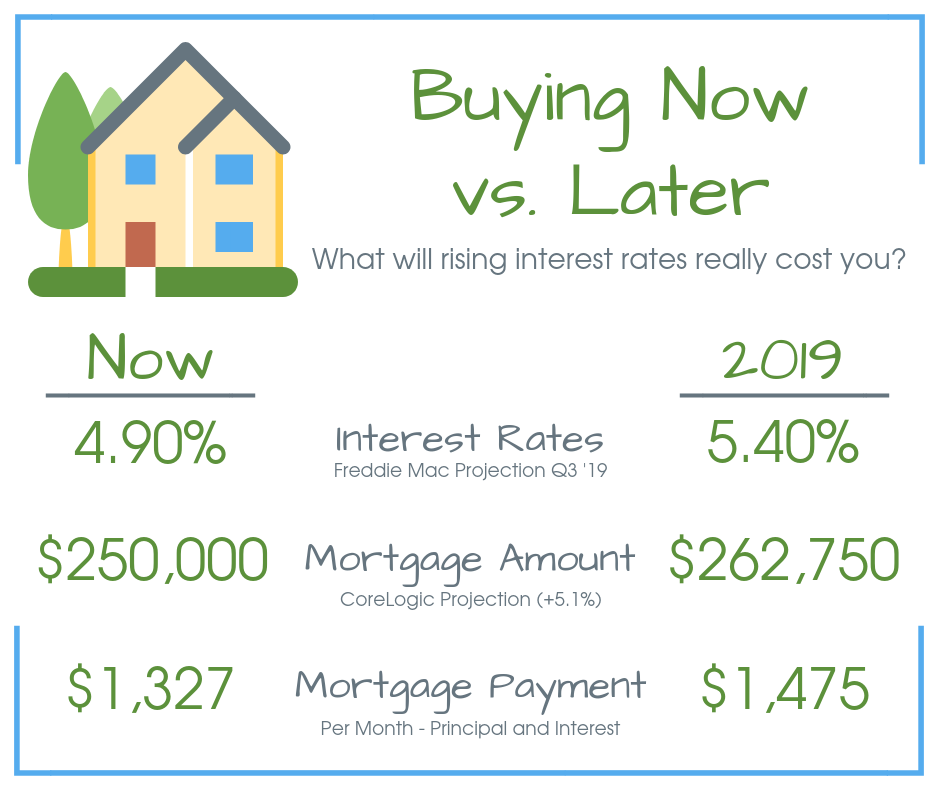
The most immediate and tangible impact of a mortgage interest rate is on your monthly mortgage payment. Even seemingly small differences in the rate can translate into significant variations in how much you pay each month for principal and interest.
Consider a $300,000 mortgage over 30 years:
- At a 6% interest rate, your principal and interest payment would be approximately $1,798 per month.
- At a 7% interest rate, the same loan would cost about $1,996 per month.
That 1% difference in rate results in nearly an additional $200 per month out of your budget. For many households, this difference can be the deciding factor in whether a particular home is financially feasible or whether they qualify for the loan amount they need. A higher rate limits your purchasing power, meaning you’d need to consider a less expensive home or make a larger down payment to keep your monthly payments manageable.
Total Cost of the Loan
While monthly payments are critical, the long-term impact on the total cost of the loan is where the true power of the interest rate becomes starkly apparent. Over a 15-year or 30-year term, the cumulative interest paid can add up to hundreds of thousands of dollars.
Using the previous example of a $300,000 mortgage over 30 years:
- At 6% interest, the total interest paid over 30 years would be approximately $347,370.
- At 7% interest, the total interest paid over 30 years would be approximately $418,650.
That seemingly small 1% difference on the rate translates to over $71,000 more in interest paid over the life of the loan. This highlights that a lower interest rate not only saves you money month-to-month but also dramatically reduces the total financial burden of homeownership, allowing you to build equity faster and keep more of your hard-earned money.
Refinancing Opportunities and Market Timing
Understanding mortgage interest rates also empowers homeowners to strategically manage their loans. When market rates fall significantly below the rate on an existing mortgage, homeowners have the opportunity to refinance. Refinancing involves taking out a new mortgage to pay off the old one, ideally at a lower interest rate, which can:
- Reduce Monthly Payments: Lowering the interest rate directly reduces the principal and interest portion of the payment, freeing up cash flow.
- Lower Total Interest Paid: A reduced rate over the remaining term of the loan can save substantial amounts of money in total interest.
- Change Loan Term: Homeowners can also refinance to shorten the loan term (e.g., from 30 years to 15 years) to pay off the mortgage faster, or lengthen it to lower monthly payments, albeit at a higher total interest cost.
Conversely, potential homebuyers closely watch rate trends to determine the optimal time to purchase. A rising rate environment might incentivize buyers to secure a loan sooner rather than later, anticipating further increases. A falling rate environment might encourage buyers to wait, hoping for even more favorable terms. This strategic timing, informed by a keen understanding of interest rate dynamics, can lead to substantial financial benefits or mitigate significant losses.
Strategies for Securing a Favorable Mortgage Interest Rate
Given the profound impact a mortgage interest rate has on your financial well-being, taking proactive steps to secure the lowest possible rate is paramount. It’s an investment in your financial future, potentially saving you tens or even hundreds of thousands of dollars over the life of your loan.
Boost Your Creditworthiness
Your credit score is arguably the most influential personal factor in determining your mortgage interest rate. Lenders rely heavily on this three-digit number to assess your reliability as a borrower.
- Pay Bills on Time: Payment history is the most significant factor in your credit score. Make sure all your credit card, loan, and utility payments are made consistently and on time.
- Reduce Existing Debt: A high amount of outstanding debt, especially on credit cards, can negatively impact your credit utilization ratio (the amount of credit you’re using versus the amount available to you). Aim to keep this ratio below 30%.
- Check Your Credit Reports: Regularly review your credit reports from all three major bureaus (Equifax, Experian, and TransUnion) for errors or inaccuracies that could be dragging down your score. Dispute any incorrect information promptly.
- Avoid New Credit Applications: Limit applying for new credit cards or loans in the months leading up to your mortgage application, as each application can temporarily ding your score.
Save for a Larger Down Payment
A larger down payment directly translates to a lower loan-to-value (LTV) ratio, which is the amount of the loan compared to the home’s value. Lenders view borrowers with lower LTVs as less risky.
- Reduced Risk for Lender: When you have more equity from the start, the lender’s exposure is reduced. This reduced risk often qualifies you for a better interest rate.
- Avoid Private Mortgage Insurance (PMI): If you put down less than 20% on a conventional loan, lenders typically require you to pay for PMI, an additional monthly cost that protects the lender, not you. A larger down payment can help you avoid PMI altogether, further reducing your monthly housing expenses and making your overall loan more affordable.
Shop Around and Compare Lenders
This cannot be overstated: never take the first offer you receive. Mortgage rates can vary significantly from one lender to another, even on the same day for the same borrower.
- Get Multiple Quotes: Contact several different types of lenders—large national banks, local credit unions, and independent mortgage brokers. Each may have different rate structures, fees, and loan products.
- Compare Annual Percentage Rate (APR) vs. Interest Rate: While the nominal interest rate is important, the APR provides a more comprehensive picture of the total cost of the loan. APR includes not just the interest rate but also most of the fees and other charges associated with the mortgage, such as origination fees, discount points, and private mortgage insurance. Comparing APRs offers a truer comparison of the overall cost of loans from different lenders.
- Timing: Try to gather all your quotes within a short window (typically 14-45 days, depending on the credit scoring model) so that multiple inquiries for a mortgage loan are treated as a single hard inquiry on your credit report, minimizing the impact on your score.
Consider Mortgage Points (Discount Points)
Mortgage points, also known as discount points, are essentially prepaid interest that you pay upfront at closing in exchange for a lower interest rate over the life of the loan. One point typically costs 1% of the total loan amount.
- Buying Down the Rate: For example, on a $300,000 loan, one point would cost $3,000. In return, the lender might reduce your interest rate by, for instance, 0.25%.
- When It Makes Sense: Whether buying points is a good strategy depends on how long you plan to stay in the home. You need to calculate the “break-even point”—how long it takes for the savings from the lower monthly payment to offset the upfront cost of the points. If you plan to stay beyond that break-even point, buying points can be a smart financial move. If you anticipate selling or refinancing sooner, it might not be cost-effective.
Conclusion
The mortgage interest rate stands as a pivotal element in the complex mosaic of homeownership. It’s far more than a simple percentage; it’s a dynamic indicator influenced by global economic forces, central bank policies, and your individual financial standing. From determining your monthly payments and total loan cost to shaping opportunities for refinancing and market timing, understanding this rate is fundamental to navigating the housing market effectively.
By grasping the difference between fixed and adjustable rates, recognizing the factors that influence them, and proactively implementing strategies to enhance your creditworthiness and shop intelligently, you empower yourself to make astute financial decisions. In a world where homeownership is often the largest financial commitment, being well-versed in “what is a mortgage interest rate” is not merely academic—it is a critical step towards securing a stable and prosperous financial future.
aViewFromTheCave is a participant in the Amazon Services LLC Associates Program, an affiliate advertising program designed to provide a means for sites to earn advertising fees by advertising and linking to Amazon.com. Amazon, the Amazon logo, AmazonSupply, and the AmazonSupply logo are trademarks of Amazon.com, Inc. or its affiliates. As an Amazon Associate we earn affiliate commissions from qualifying purchases.