
Beyond the simple question of nomenclature, understanding what money is called in Canada opens a broader discussion about the nation’s financial identity, its economic bedrock, and the everyday realities of personal finance for millions. While the official term is straightforward, the cultural nuances, economic factors, and practical applications of the Canadian dollar are multifaceted and deeply integrated into the lives of its citizens. This article aims to provide an insightful and engaging exploration of Canada’s currency, moving past a mere definition to uncover its significance in the realm of personal finance and the broader Canadian economy.
The Official Identity: Canadian Dollar (CAD)
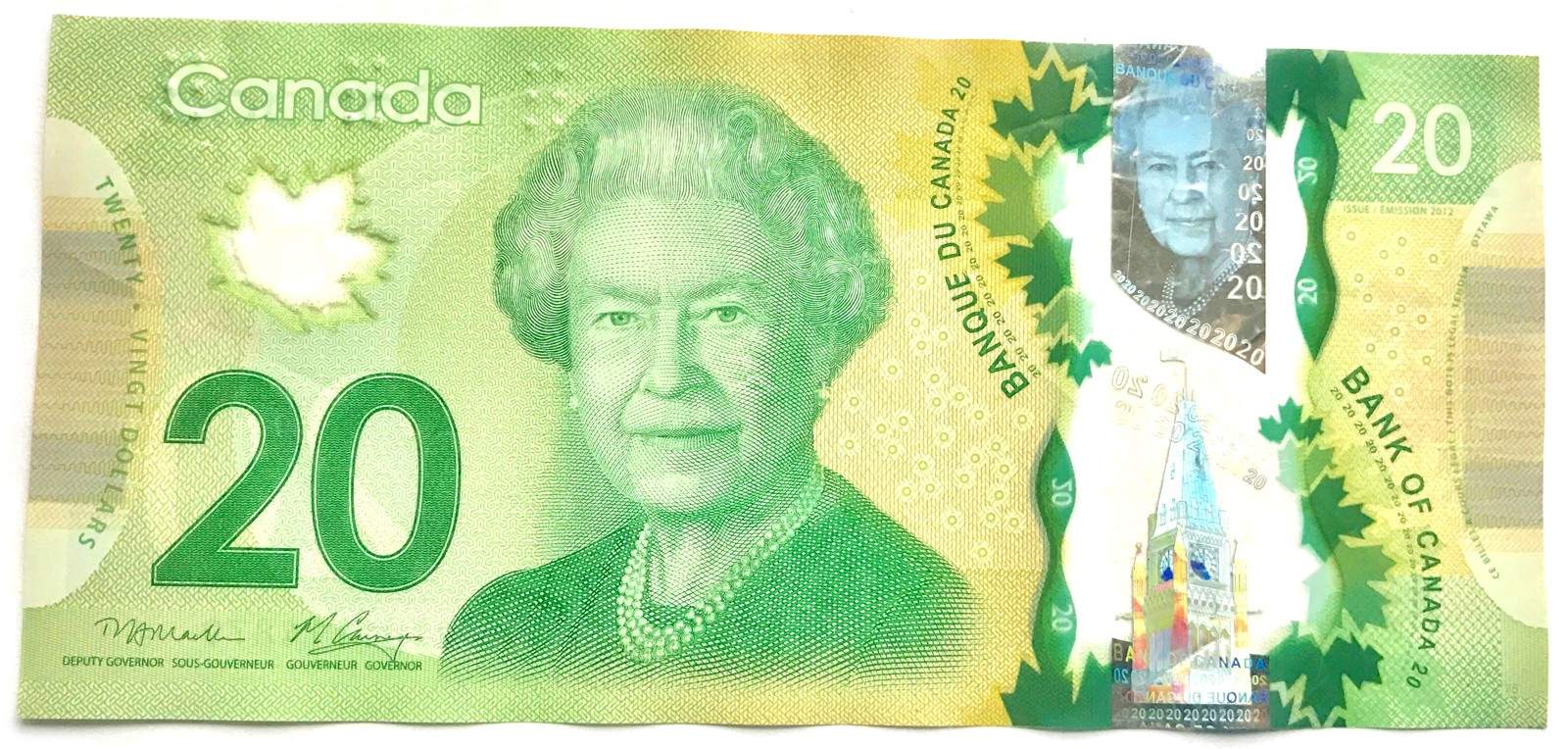
Officially, the currency of Canada is the Canadian Dollar, denoted by the symbol C$ or CAD in international markets. This is the foundational answer, yet it only scratches the surface of how money is perceived, discussed, and utilized across the vast Canadian landscape. The Canadian dollar is a fiat currency, meaning its value is not backed by a physical commodity like gold but rather by the government’s declaration and the trust placed in it by the public.
From “Loonie” to “Toonie”: Understanding Canadian Colloquialisms
While “Canadian Dollar” is the formal designation, everyday conversation often employs more endearing and distinctly Canadian terms. The one-dollar coin is universally known as the “Loonie,” a nickname derived from the common loon, a prominent aquatic bird, depicted on its reverse side. Introduced in 1987 to replace the one-dollar banknote, the loonie quickly became an iconic symbol of Canadian currency.
Following in its footsteps, the two-dollar coin, introduced in 1996, earned the moniker “Toonie.” This term is a portmanteau of “two” and “loonie,” and features a polar bear, another emblem of Canadian wildlife, on its reverse. These nicknames are not just slang; they are an integral part of Canadian cultural lexicon, used by everyone from schoolchildren to business executives. They represent a sense of national pride and a playful approach to an otherwise serious subject. Understanding these terms is crucial for anyone engaging with money in Canada, whether as a resident, visitor, or an investor tracking CAD values.
Anatomy of Canadian Currency: Coins and Banknotes
Canadian currency is issued in both coin and banknote formats, each designed with unique features and security measures.
-
Coins: Beyond the loonie and toonie, Canadian coinage includes denominations of 5 cents (nickel), 10 cents (dime), 25 cents (quarter), and 50 cents (though the 50-cent piece is rarely seen in circulation, often collected). Pennies (1 cent coins) were phased out of circulation in 2013, with cash transactions now rounded to the nearest five cents. All Canadian coins feature the effigy of Queen Elizabeth II on the obverse, a tradition that continues with King Charles III.
-
Banknotes: Canadian banknotes are renowned for their innovative design, durability, and security features. Issued by the Bank of Canada, current banknotes are made from polymer, a material that significantly enhances their lifespan and makes them more difficult to counterfeit than traditional paper notes. Denominations include $5, $10, $20, $50, and $100. Each note features a prominent Canadian historical figure and iconic Canadian imagery, such as famous landmarks, achievements, or cultural symbols. These polymer notes include clear windows, metallic holographic images, and raised ink, making them a marvel of modern anti-counterfeiting technology.
The Bank of Canada’s Mandate: Stability and Issuance
The Bank of Canada (BoC) serves as the nation’s central bank and plays a pivotal role in the issuance and management of Canadian currency. Its primary mandate is to preserve the value of money by keeping inflation low, stable, and predictable. The BoC is responsible for:
-
Issuing Currency: Designing, printing, and distributing all Canadian banknotes.
-
Monetary Policy: Setting interest rates to influence borrowing and lending, thereby managing inflation and supporting economic growth.
-
Financial System Stability: Overseeing and regulating the financial system to ensure its stability and efficiency.
-
Government’s Fiscal Agent: Managing the government’s foreign exchange reserves and providing banking services.
The Bank of Canada’s decisions directly impact the purchasing power of the Canadian dollar and, consequently, the personal finances of every Canadian.
The Canadian Dollar in Everyday Personal Finance
For the average Canadian, the Canadian dollar is the primary tool for managing daily life – from buying groceries to paying rent, saving for retirement, and investing. Understanding how to effectively manage this currency is fundamental to sound personal finance.
Managing Daily Transactions: Cash, Debit, and Digital Wallets
The methods Canadians use to conduct daily transactions have evolved significantly. While cash (loonies, toonies, and banknotes) remains accepted everywhere, its usage has declined. Debit cards, primarily through the Interac network, are ubiquitous and highly preferred for in-person transactions. Credit cards, offered by major international providers like Visa, MasterCard, and American Express, are also widely used, often for their convenience, rewards programs, and security features.
The digital transformation has further propelled the shift away from physical money. E-transfers (Interac e-Transfer), a simple and secure way to send money directly from one bank account to another using an email address or phone number, are incredibly popular for person-to-person payments, paying bills, and even small business transactions. Mobile payment apps and digital wallets (like Apple Pay and Google Pay) have also gained traction, allowing Canadians to make contactless payments using their smartphones or smartwatches. This digital ecosystem offers convenience and efficiency, but also necessitates an understanding of digital security and transaction fees.
Budgeting and Saving in CAD: Practical Strategies
Effective budgeting is the cornerstone of personal finance, and for Canadians, this means allocating Canadian dollars efficiently. Strategies include:
-
Tracking Expenses: Monitoring where money goes helps identify areas for potential savings. Tools range from simple spreadsheets to sophisticated budgeting apps.
-
Setting Financial Goals: Whether it’s saving for a down payment on a home, retirement, or a child’s education, defining clear goals helps prioritize spending and saving.
-
Utilizing Canadian Financial Institutions: Canada boasts a robust banking sector with major institutions offering a wide array of savings accounts, chequing accounts, and investment products. Leveraging these institutions for automated savings plans, high-interest savings accounts, and tax-advantaged registered accounts (like RRSPs and TFSAs) is crucial.
-
Debt Management: Understanding interest rates on credit cards and loans, and having a plan to pay down high-interest debt, is critical for financial health.
Investing in the Canadian Context: CAD-Denominated Assets
For those looking to grow their wealth, Canada offers a diverse range of investment opportunities denominated in CAD. These include:
-
Stocks: Investing in publicly traded Canadian companies through exchanges like the Toronto Stock Exchange (TSX).
-
Bonds: Purchasing government or corporate bonds, which offer fixed income returns.
-
Mutual Funds and ETFs: Diversified portfolios managed by professionals or passively tracking market indices, often denominated in CAD.
-
Real Estate: Investing in Canadian residential or commercial properties.
-
Guaranteed Investment Certificates (GICs): Low-risk, fixed-term investments offered by banks.

Understanding the Canadian market, its regulatory environment, and the specific nuances of CAD-denominated assets is essential for building a robust investment portfolio within the national context.
The Canadian Dollar’s Global Standing and Economic Influences
While primarily used within Canada, the Canadian dollar also holds a significant position on the global stage, influencing and being influenced by international markets and economic forces.
Understanding Exchange Rates: Factors Affecting CAD Value
The value of the Canadian dollar relative to other major currencies (like the US dollar, Euro, or Japanese Yen) is determined by a complex interplay of factors:
-
Commodity Prices: Canada is a major exporter of natural resources, particularly oil. Fluctuations in global commodity prices, especially crude oil, often have a direct and significant impact on the CAD’s value. A rise in oil prices, for instance, typically strengthens the loonie.
-
Interest Rate Differentials: The Bank of Canada’s interest rate policy relative to other central banks can make the CAD more or less attractive to international investors. Higher interest rates often attract foreign capital, strengthening the currency.
-
Economic Data: Strong Canadian economic indicators, such as GDP growth, employment figures, and inflation data, generally support a stronger CAD.
-
Global Risk Sentiment: During periods of global economic uncertainty, the CAD, often considered a “risk-on” currency due to its commodity ties, may weaken as investors seek safer havens.
-
Geopolitical Events: International political stability and major global events can also sway currency markets.
Understanding these dynamics is vital for businesses engaged in international trade and for individuals planning cross-border transactions or investments.
Inflation and Purchasing Power: Impact on Canadian Households
Inflation refers to the rate at which the general level of prices for goods and services is rising, and subsequently, the purchasing power of currency is falling. For Canadian households, inflation directly impacts how far their Canadian dollars go. The Bank of Canada aims to keep inflation within a target range (typically 1-3%) to maintain economic stability.
-
Consumer Price Index (CPI): This is the most common measure of inflation, tracking the change in prices of a basket of consumer goods and services over time.
-
Impact on Savings: High inflation erodes the real value of savings if the interest earned is lower than the inflation rate.
-
Impact on Wages: If wage growth doesn’t keep pace with inflation, workers effectively experience a decrease in their purchasing power.
Canadians must consider inflation when planning their long-term finances, especially when saving for retirement or assessing the real returns on investments.
Cross-Border Financial Management: CAD for International Travel and Business
For Canadians engaging with the global economy, managing the Canadian dollar effectively when dealing with foreign currencies is a practical concern.
-
Currency Exchange: When traveling or conducting international business, Canadians need to exchange CAD for foreign currencies. Exchange rates and associated fees from banks, credit unions, and dedicated currency exchange bureaus vary.
-
Credit and Debit Cards Abroad: Using Canadian credit and debit cards internationally is convenient, but often comes with foreign transaction fees (typically 2.5% to 3.5% of the transaction value). Some financial products offer no foreign transaction fees, which can be a significant saving for frequent travelers.
-
International Transfers: Sending money abroad from Canada or receiving funds from overseas often involves wire transfers or specialized money transfer services, each with its own fee structure and exchange rates.
Strategic management of CAD when interacting with other currencies can lead to substantial savings and smoother financial operations.
Evolution of Money and Future Prospects in Canada
The concept and form of money are constantly evolving. Canada, like other nations, is navigating this transformation.
The Digital Transformation: E-transfers and Online Banking
The shift to digital money is arguably the most significant recent development. Canadian banks have invested heavily in online banking platforms, offering comprehensive services from bill payments and fund transfers to investment management. Interac e-Transfer stands out as a uniquely Canadian success story, making peer-to-peer and small business payments incredibly efficient and secure, largely supplanting cheques for many uses. This digital ecosystem emphasizes convenience, speed, and reduced reliance on physical cash, aligning with global trends toward a cashless society.
Emerging Forms of Money: Cryptocurrencies and Central Bank Digital Currencies (CBDCs)
The rise of decentralized digital currencies like Bitcoin and Ethereum has introduced new forms of “money” that exist outside traditional banking systems. While not officially recognized as legal tender in Canada, cryptocurrencies are traded and used for certain transactions, prompting discussions about their regulatory framework and potential impact on the Canadian dollar.
Looking ahead, the Bank of Canada is actively researching the potential for a Central Bank Digital Currency (CBDC) – a digital form of the Canadian dollar issued and backed by the central bank. While no decision has been made, a CBDC could offer benefits such as enhanced financial inclusion, increased payment system resilience, and a more efficient monetary system. Should a CBDC be introduced, it would fundamentally reshape how Canadians interact with their national currency, offering a digital equivalent to physical cash.
Financial Literacy and the Empowered Canadian Consumer
In an increasingly complex financial world, understanding what money is called, how it works, and how to manage it effectively is paramount. Financial literacy initiatives, often spearheaded by government bodies, financial institutions, and non-profit organizations, aim to empower Canadians with the knowledge and skills needed to make informed financial decisions. This includes understanding interest rates, investment risks, budgeting techniques, and the nuances of digital payments. An empowered Canadian consumer is better equipped to navigate their personal finances, contribute to economic stability, and leverage the Canadian dollar to achieve their financial aspirations.

Conclusion: More Than Just a Name: The Cornerstone of Canadian Financial Life
Ultimately, “what is money called in Canada” is a question that leads to a much deeper understanding of the nation’s financial identity. It’s not just the Canadian dollar, the loonie, or the toonie; it’s the sum of its official designation, its cultural nicknames, its physical manifestations, the economic forces that shape its value, and the myriad ways Canadians interact with it daily. From the Bank of Canada’s vital role in maintaining stability to the everyday decisions made by individuals on budgeting, saving, and investing, the Canadian dollar is more than just a medium of exchange; it is the cornerstone of Canadian financial life, reflecting the nation’s economic health, cultural uniqueness, and an evolving future.
aViewFromTheCave is a participant in the Amazon Services LLC Associates Program, an affiliate advertising program designed to provide a means for sites to earn advertising fees by advertising and linking to Amazon.com. Amazon, the Amazon logo, AmazonSupply, and the AmazonSupply logo are trademarks of Amazon.com, Inc. or its affiliates. As an Amazon Associate we earn affiliate commissions from qualifying purchases.