
In the world of business finance, the method by which a company tracks its income and expenses is not merely a matter of administrative preference; it is a foundational strategic decision. For most small to mid-sized enterprises (SMEs), the choice often feels like a binary one: the simplicity of cash basis accounting versus the comprehensive complexity of accrual basis accounting. However, there is a third option that seeks to bridge the gap between these two extremes. Known as the modified cash basis of accounting, this hybrid method offers a pragmatic solution for businesses that need more insight than basic cash tracking provides but aren’t yet ready—or required—to adopt full accrual standards.
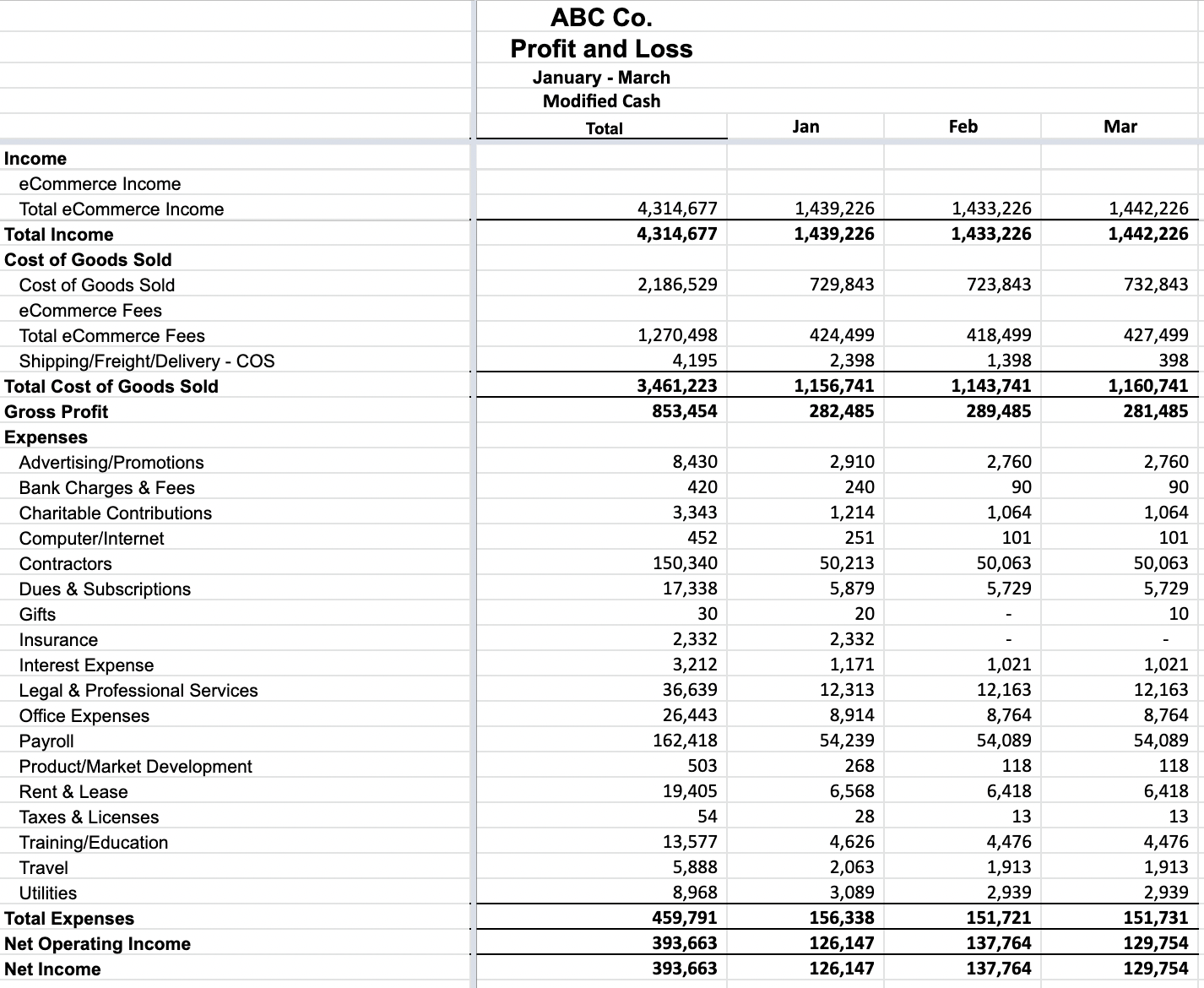
The modified cash basis combines elements of both systems to provide a clearer picture of a company’s long-term financial health while maintaining the day-to-day ease of tracking actual cash flow. To understand why a business might choose this path, one must first understand the mechanics, benefits, and limitations of this unique financial framework.
Understanding the Framework: How Modified Cash Basis Operates
The modified cash basis is essentially a “best-of-both-worlds” approach. To grasp how it functions, it is helpful to look at it as a cash-based system that has been “modified” to include specific accrual-style adjustments for significant items. While it does not follow Generally Accepted Accounting Principles (GAAP) in the strictest sense, it provides a more nuanced view of a company’s obligations and assets than a pure cash system ever could.
The Cash Core
At its heart, the modified cash basis operates on the principle that most routine transactions are recorded when money actually changes hands. For example, if a consulting firm receives a check for services rendered in December, the revenue is recorded in December, regardless of when the work was performed. Similarly, utility bills, office supplies, and monthly rent are typically recorded as expenses only when the payment leaves the business bank account. This provides a real-time look at liquidity, which is vital for managing immediate operational needs.
The Accrual Enhancements
The “modification” occurs when the business decides that certain items are too significant to be treated as simple cash outflows. Under a pure cash system, buying a $50,000 piece of machinery would show up as a massive expense in a single month, potentially making a profitable business look like it is failing. Under the modified cash basis, that machinery is treated as an asset (an accrual concept).
Key modifications often include:
- Capitalized Assets: Large purchases are recorded on the balance sheet as assets and depreciated over time, rather than expensed immediately.
- Inventory: For businesses that sell physical goods, inventory is often tracked on an accrual basis to ensure that the cost of goods sold is accurately reflected against sales.
- Long-Term Debt: Loans and liabilities are tracked on the balance sheet, allowing the business to see its total debt obligations rather than just the monthly interest payments.
- Payroll Taxes: Some businesses choose to accrue payroll tax liabilities to ensure they are prepared for quarterly or annual filings, even if the cash hasn’t yet been paid to the government.
The Strategic Advantages of a Hybrid Approach
The modified cash basis is not just a compromise; for many organizations, it is a strategic choice that aligns with their specific operational realities. It offers a balance of clarity and efficiency that pure systems often lack.
Reduced Administrative Burden
Full accrual accounting requires meticulous tracking of accounts receivable (money owed to you) and accounts payable (money you owe others). For a small business with limited accounting staff, this can become a full-time job. By staying on a modified cash basis, the business avoids the need to track every minor invoice and utility bill on an accrual basis, significantly reducing the time and cost associated with bookkeeping.
Improved Long-Term Financial Clarity
The primary weakness of the pure cash method is that it ignores the “big picture.” A company could have $100,000 in the bank but owe $200,000 to suppliers, making it technically insolvent despite appearing “cash-rich.” By incorporating accrual elements for major items like debt and large equipment, the modified cash basis ensures that the business owner—and potential lenders—can see the company’s true net worth. It prevents the distortion that occurs when large capital investments are treated as simple expenses.
Tax Planning and Flexibility
From a tax perspective, the modified cash basis can be highly advantageous. Because it is not a GAAP-compliant method, it is often used for internal reporting and tax filings (depending on local regulations and business size). It allows business owners to manage their taxable income by timing the receipt of income or the payment of expenses at year-end, while still maintaining an accurate internal record of their long-term assets and liabilities.
Comparing the Three Pillars: Cash, Accrual, and Modified

To truly appreciate the niche that the modified cash basis fills, it is necessary to compare it directly against its counterparts. Each method serves a different purpose, and the choice between them often depends on the scale and complexity of the business.
Cash Basis: The Starting Point
The cash basis is the simplest form of accounting. It is used by millions of sole proprietors and very small businesses. Its primary advantage is simplicity. You record income when you get paid and expenses when you pay. However, it fails to match revenue with the expenses that generated that revenue, leading to erratic “peaks and valleys” in financial reports that don’t necessarily reflect the actual performance of the business.
Accrual Basis: The Gold Standard
Accrual accounting is required for all publicly traded companies and any business that exceeds certain revenue thresholds (typically $25 million or more in gross receipts in the US). It follows the “matching principle,” meaning revenue and expenses are recorded when they are earned or incurred, regardless of when cash moves. While it provides the most accurate picture of profitability, it is complex, requires sophisticated software, and can sometimes obscure the actual cash position of a company.
Modified Cash Basis: The Middle Ground
The modified cash basis acts as a bridge. It maintains the cash-flow focus of the cash basis for day-to-day operations but adopts the asset-management focus of the accrual basis for long-term health. It is particularly popular among professional service firms (lawyers, doctors, architects) and non-profit organizations that have significant fixed assets but relatively simple daily transactions.
Implementation and Best Practices for Business Finance
Transitioning to or maintaining a modified cash basis requires a disciplined approach to record-keeping. Because this method is a hybrid, there is no single “correct” way to do it; rather, the business must establish a consistent set of rules for what will be treated as cash and what will be treated as accrual.
Defining the Thresholds
A business should establish clear thresholds for capitalization. For example, a company might decide that any purchase under $2,500 is recorded as a cash expense, while anything over $2,500 is recorded as an asset on the balance sheet and depreciated. Consistency is key here; changing these thresholds frequently can make year-over-year financial comparisons impossible.
Managing the Balance Sheet
In a modified cash basis system, the balance sheet becomes a vital tool. Business owners must ensure that they are regularly updating their asset accounts and reflecting depreciation. While the income statement may still feel like a “cash in, cash out” report, the balance sheet should provide a realistic view of what the company owns and what it owes.
Selecting the Right Financial Tools
Modern accounting software has made the modified cash basis much easier to manage. Many platforms allow users to toggle between cash and accrual views or set up specific accounts to follow different rules. When choosing a tool, look for the ability to manage fixed asset schedules and depreciation alongside standard cash-based ledger entries.
Limitations and Regulatory Considerations
While the modified cash basis is highly effective for internal management, it is not without its drawbacks. Before adopting this method, a business must consider its long-term goals and the requirements of external stakeholders.
Lack of GAAP Compliance
The most significant limitation of the modified cash basis is that it is not compliant with GAAP or International Financial Reporting Standards (IFRS). This is a critical distinction. If a business intends to go public, seek venture capital, or apply for a large bank loan, the stakeholders will almost certainly require GAAP-compliant accrual-based financial statements. In these cases, a modified cash basis may need to be converted to a full accrual system by a professional accountant, which can be an expensive and time-consuming process.
Complexity in Tracking Inventory
For retail or manufacturing businesses, the modified cash basis can sometimes fall short. If inventory is a major component of the business, tracking it on a cash basis is nearly impossible if you want to understand your margins. While you can “modify” the system to include inventory, at a certain point, the number of modifications makes the system nearly as complex as full accrual, at which point the simplicity benefits of the cash basis are lost.

Audit Preparedness
Auditors generally prefer accrual-based records because they provide a more comprehensive trail of transactions. While a business on a modified cash basis can certainly be audited, the process may be more cumbersome as the auditor works to reconcile the hybrid entries with standard accounting expectations.
In conclusion, the modified cash basis represents a sophisticated middle path in business finance. It acknowledges that for many businesses, cash is king, but assets and liabilities cannot be ignored. By carefully selecting which accrual elements to incorporate, a business can gain deep financial insights without drowning in the administrative complexity of full accrual accounting. It is a pragmatic, scalable, and insightful way to manage the financial heartbeat of a growing enterprise.
aViewFromTheCave is a participant in the Amazon Services LLC Associates Program, an affiliate advertising program designed to provide a means for sites to earn advertising fees by advertising and linking to Amazon.com. Amazon, the Amazon logo, AmazonSupply, and the AmazonSupply logo are trademarks of Amazon.com, Inc. or its affiliates. As an Amazon Associate we earn affiliate commissions from qualifying purchases.