
Understanding the minimum wage landscape in Georgia for 2024 requires a clear grasp of both federal and state regulations, as the two interact in a way that often results in a higher effective minimum for most workers than the state’s statutory rate. For individuals managing personal finances and businesses structuring their payrolls, this distinction is critically important.
The Federal and State Minimum Wage Landscape
In 2024, the federal minimum wage remains set at $7.25 per hour, a rate that has been in effect since July 24, 2009. Georgia, like several other states, has its own state minimum wage. As of 2024, Georgia’s state minimum wage is $5.15 per hour.

However, the key principle governing minimum wage laws is that when federal and state minimum wage laws apply to an employee, the employee is entitled to the higher of the two minimum wages. This means that for the vast majority of employees in Georgia who are covered by the Fair Labor Standards Act (FLSA), the effective minimum wage they must be paid is the federal rate of $7.25 per hour.
There are specific, limited exceptions where the Georgia state minimum wage of $5.15 per hour might apply. These typically involve businesses that are not covered by the FLSA, meaning they do not engage in interstate commerce and have annual gross revenues below a certain threshold (currently $500,000). Such businesses are usually very small, local enterprises. For instance, a small, independent corner store that exclusively serves local customers and has revenue below the federal threshold might only be subject to the Georgia state minimum wage. However, any business that has employees involved in interstate commerce or meets the federal revenue threshold must comply with the FLSA and pay the $7.25 federal minimum wage. This distinction is crucial for both employers to ensure compliance and for employees to understand their rights regarding earned income.
Who is Covered by Federal Minimum Wage?
Most employees in Georgia are covered by the federal FLSA. This includes:
- Employees of enterprises that have an annual gross volume of sales or business done of at least $500,000.
- Employees of hospitals, institutions primarily engaged in the care of the sick, aged, mentally ill, or intellectually disabled who reside on the premises; schools for mentally or physically disabled or gifted children; preschools, elementary and secondary schools, and institutions of higher education (regardless of whether they are public or private or operated for profit or not for profit).
- Employees of federal, state, or local government agencies.
- Employees engaged in interstate commerce or in the production of goods for interstate commerce. This includes activities like using internet for business, making calls out of state, or handling goods that have traveled across state lines.
Given the pervasive nature of interstate commerce in today’s economy, very few businesses fall solely under the Georgia state minimum wage. Therefore, for most Georgians entering the workforce or seeking employment, planning finances should be based on the federal minimum wage of $7.25 per hour.
Implications for Workers: Income, Budgeting, and Financial Planning
For minimum wage earners in Georgia, the $7.25 per hour rate translates into a significant financial reality. Working a full-time schedule of 40 hours per week, a minimum wage earner would gross approximately $290 per week, or about $1,160 per month before taxes and deductions. Annually, this amounts to roughly $15,080.
This income level presents substantial challenges for personal finance management, particularly in regions where the cost of living exceeds what this wage can comfortably support.
Budgeting on a Minimum Wage Income
Effective budgeting becomes paramount for those earning minimum wage. Financial planning must prioritize essential expenses:
- Housing: Rent or mortgage payments often consume a large portion of a minimum wage income, frequently requiring individuals to live with roommates or in more affordable, sometimes less accessible, areas.
- Utilities: Electricity, water, heating/cooling, and internet are non-negotiable costs that must be factored in.
- Food: Strategic grocery shopping, meal planning, and avoiding eating out are critical to managing food budgets.
- Transportation: Whether through public transport, car ownership (fuel, insurance, maintenance), or ride-sharing, getting to and from work is a necessary expense.
- Healthcare: Even with health insurance, co-pays and deductibles can strain an already tight budget.
After these necessities, disposable income for savings, debt repayment, education, or discretionary spending is often minimal or nonexistent. This situation frequently leads to a cycle of living paycheck to paycheck, making it difficult to build emergency funds or plan for future financial stability.
The “Living Wage” Disparity
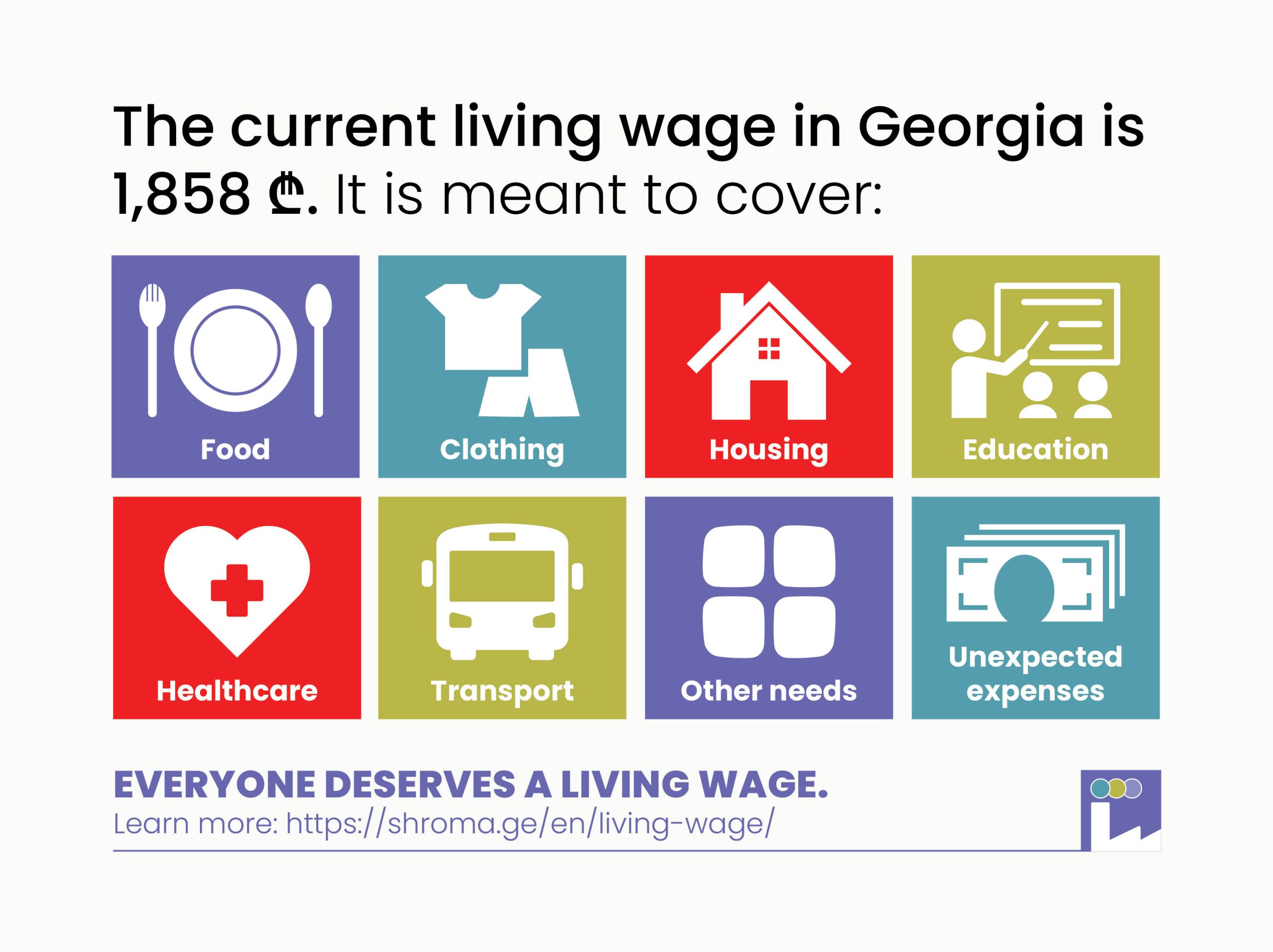
It is important to distinguish between the minimum wage and a “living wage.” A living wage is generally defined as the minimum income necessary for a worker to meet their basic needs without public assistance. For many areas within Georgia, particularly urban centers like Atlanta, the $7.25 federal minimum wage falls significantly short of what is considered a living wage for a single adult, let alone for an individual supporting a family. This disparity underscores the financial pressure faced by many minimum wage workers and highlights the importance of supplemental income strategies, public assistance programs, and robust financial literacy.
Impact on Businesses: Labor Costs, Pricing, and Economic Strategy
For businesses operating in Georgia, the minimum wage dictates a fundamental component of their operational costs: labor. While a $7.25 per hour wage may seem low to an individual, it represents a baseline cost that scales with the number of employees and hours worked.
Managing Labor Costs
Businesses, particularly those in sectors with high labor intensity such as retail, hospitality, and food service, must carefully integrate minimum wage requirements into their financial planning.
- Payroll Budgeting: Accurately forecasting payroll expenses, including minimum wage, overtime, and associated employer taxes (FICA, unemployment), is critical for financial health.
- Productivity & Efficiency: To mitigate the impact of labor costs, businesses often seek to enhance employee productivity through training, technology adoption (e.g., self-checkout kiosks), and process optimization.
- Staffing Levels: Decisions regarding full-time vs. part-time employment, seasonal hiring, and overall staffing levels are often influenced by minimum wage regulations and the need to manage labor expenses.
Pricing Strategies and Competitiveness

The cost of labor directly impacts a business’s pricing strategy. If labor costs rise (e.g., through future minimum wage increases, or competition for labor pushing wages above the minimum), businesses may need to adjust their pricing for goods and services to maintain profit margins.
- Competitive Landscape: Businesses must consider their competitors’ pricing and cost structures. Raising prices too aggressively due to labor costs can erode market share, especially in highly competitive industries.
- Value Proposition: Some businesses might choose to absorb higher labor costs by focusing on increased value or differentiated service to justify premium pricing.
- Economic Equilibrium: The interaction between labor costs, pricing, and consumer demand creates a delicate economic equilibrium that businesses must constantly monitor and adapt to.
Small Business Challenges
Small and medium-sized enterprises (SMEs) are often more sensitive to minimum wage changes than larger corporations. SMEs typically have thinner profit margins, less negotiating power with suppliers, and fewer resources to invest in automation. A static minimum wage helps them predict and manage these costs, but also puts pressure on hiring quality talent if other businesses or industries pay more. For these businesses, optimizing cash flow, maintaining a robust emergency fund, and strategic financial forecasting are paramount.
Navigating Exemptions and Special Circumstances
While the $7.25 federal minimum wage generally applies, certain categories of workers and specific employment situations can fall under different rules. Understanding these nuances is vital for both compliance and fair compensation.
Tipped Employees
In Georgia, as per federal FLSA rules, employers of “tipped employees” (those who customarily and regularly receive more than $30 per month in tips) can pay a lower direct cash wage, provided the tips received bring the employee’s total compensation up to at least the federal minimum wage of $7.25 per hour. The federal direct cash wage for tipped employees is $2.13 per hour. If an employee’s tips plus the $2.13 direct wage do not equal at least $7.25 per hour, the employer must make up the difference. This is a critical financial mechanism in industries like restaurants and hospitality, impacting both employee income and employer payroll.
Student Workers
Full-time students employed in retail or service establishments, agriculture, or institutions of higher education may be paid 85% of the minimum wage, provided the employer obtains a certificate from the U.S. Department of Labor. This allows for a subminimum wage for students, intended to encourage part-time employment and work experience. For students, this still provides valuable income and work experience, though at a slightly reduced rate.
Workers with Disabilities
The FLSA allows employers, under a special certificate from the Department of Labor, to pay subminimum wages to individuals whose earning or productive capacity is impaired by a disability for the work performed. This provision is designed to provide employment opportunities that might otherwise be unavailable.
Other Exemptions
Certain categories of employees are exempt from minimum wage and overtime requirements. These typically include:
- Executive, administrative, and professional employees (often referred to as “salaried exempt” employees) who meet specific salary and duties tests.
- Outside sales employees.
- Certain agricultural workers.
- Casual babysitters and companions for the elderly or infirm.
Understanding these exemptions is crucial for businesses to ensure legal compliance and avoid costly penalties, and for workers to know if they are entitled to the minimum wage.
Broader Economic Effects and Future Outlook
The minimum wage in Georgia, set effectively by the federal standard, plays a role in the state’s broader economic health. It influences consumer spending, poverty rates, and regional economic development.
Consumer Spending and Economic Growth
A higher minimum wage can theoretically boost consumer spending, as low-wage workers tend to spend a larger proportion of any additional income. This increased demand can stimulate local economies. Conversely, a static minimum wage, especially one that doesn’t keep pace with inflation, can lead to decreased purchasing power for a significant segment of the population, potentially dampening economic growth.
Poverty and Income Inequality
The minimum wage is a tool in the fight against poverty. While $7.25 per hour often falls short of a living wage, it provides a floor that prevents wages from sinking to potentially exploitative levels. Debates around increasing the minimum wage often center on its potential to lift families out of poverty and reduce income inequality.
Future Outlook and Policy Debates
There is ongoing national and state-level debate regarding minimum wage policy. Advocates for increasing the minimum wage argue it is necessary to provide a living wage, stimulate economic growth, and reduce poverty. Opponents often raise concerns about potential job losses, inflation, and the financial burden on businesses, particularly small businesses.
As Georgia’s economy continues to evolve, the discussion around minimum wage will remain a prominent topic in financial and political discourse. For individuals and businesses, staying informed about these debates and potential legislative changes is essential for effective financial planning and strategic decision-making in the years to come. While $7.25 per hour remains the effective minimum wage for most Georgians in 2024, the long-term trajectory of this critical financial benchmark is subject to economic shifts and policy reforms.
aViewFromTheCave is a participant in the Amazon Services LLC Associates Program, an affiliate advertising program designed to provide a means for sites to earn advertising fees by advertising and linking to Amazon.com. Amazon, the Amazon logo, AmazonSupply, and the AmazonSupply logo are trademarks of Amazon.com, Inc. or its affiliates. As an Amazon Associate we earn affiliate commissions from qualifying purchases.