
The seemingly simple question, “how much is the movies today,” unpacks into a multifaceted financial analysis for consumers. Far from a static price point, the cost of a cinema outing is a dynamic sum influenced by an array of factors, ranging from ticket format and location to concession choices and even the hidden expenses of transportation. Understanding this total financial outlay is crucial for personal budgeting and evaluating the entertainment value proposition in an increasingly diverse media landscape. For many, a trip to the movies is no longer an impulsive decision but a considered financial investment in an experience.
The Evolving Price Tag of a Cinema Trip
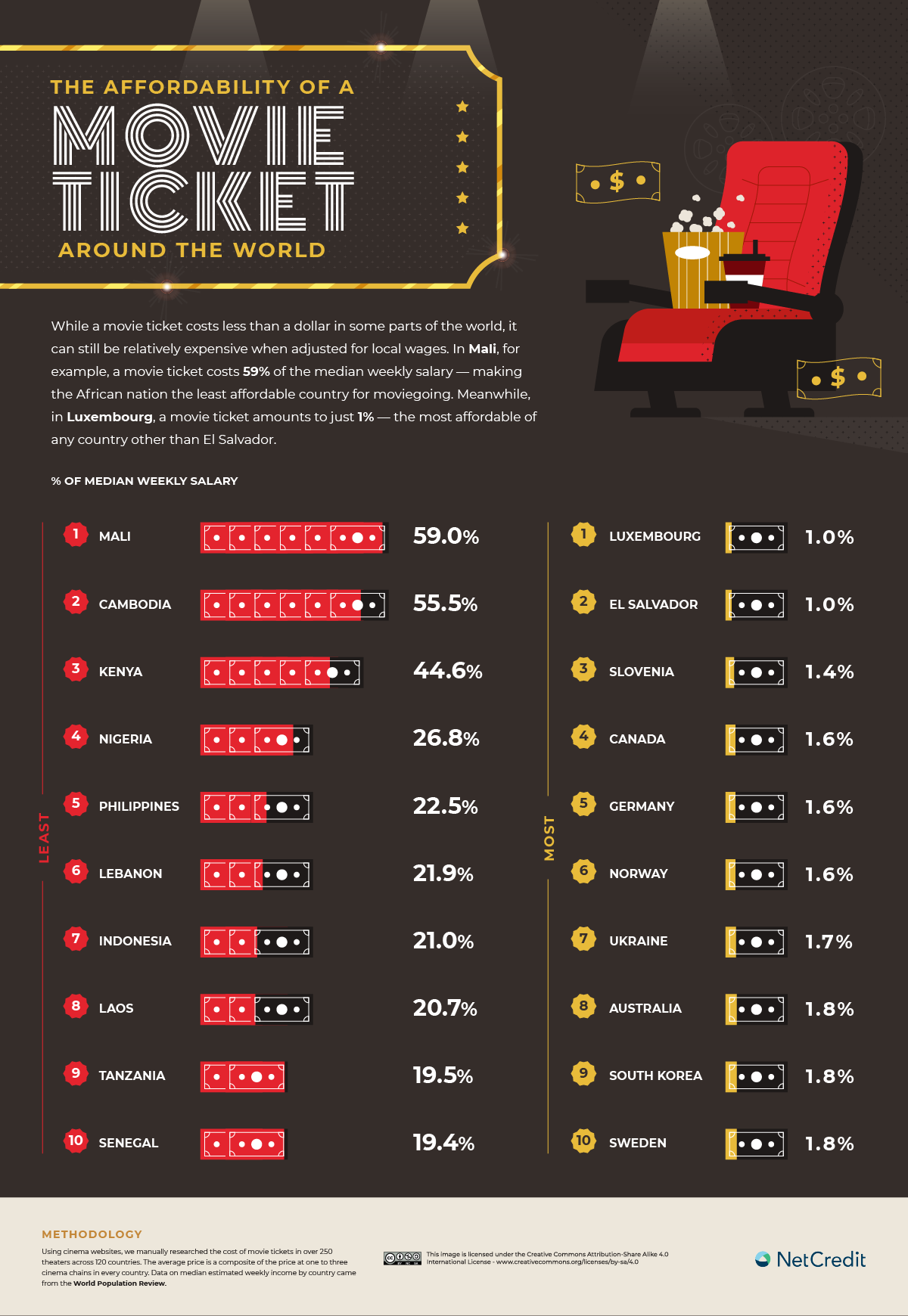
Pinpointing an exact cost for a movie ticket is akin to hitting a moving target. Prices fluctuate significantly based on various market dynamics and consumer choices, making it essential for individuals and families to calculate their potential expenditure before committing.
Standard Ticket Prices
The baseline cost for a movie ticket generally sits in a range, rather than a fixed sum. In major metropolitan areas of the United States, a standard adult evening ticket can typically range from $12 to $18, with some upscale theaters or specific prime locations potentially exceeding this. Suburban and rural theaters often present a slightly lower entry point, perhaps $9 to $14. These prices are also heavily influenced by the day of the week and time of day. Matinee showings (before 5 p.m.) and weekday screenings almost universally offer a discount, sometimes reducing the ticket price by 20-40% compared to a peak weekend evening slot. This pricing strategy reflects demand elasticity, allowing theaters to maximize revenue during peak times while attracting budget-conscious viewers during off-peak hours. Inflationary pressures and increasing operational costs, including real estate and labor, have also contributed to a gradual upward trend in average ticket prices over the past decade.
Premium Formats and Their Surcharge
For those seeking an enhanced viewing experience, premium formats come with a significant financial surcharge. Technologies like IMAX, 3D, Dolby Cinema, RPX, D-Box, or even luxury recliner seating options add a substantial premium to the base ticket price. An IMAX or 3D ticket can easily add $3 to $7 to the standard fare, pushing the cost of a single adult ticket into the $15 to $25+ range. Dolby Cinema, known for its advanced audio and visual technology, often commands a similar or slightly higher premium. While these formats promise an immersive experience, consumers must weigh the added financial cost against the perceived value of these technological upgrades. For a family of four, opting for a premium format can escalate the ticket cost alone by an additional $12 to $28, representing a notable increase in the overall entertainment budget.
The Concession Stand: A Significant Cost Driver
Perhaps the most universally acknowledged financial impact on a movie outing comes from the concession stand. While ticket sales are largely shared with film distributors, concession sales represent a theater’s primary profit margin driver, often exceeding 80% on individual items. A medium popcorn and a large soda, for instance, can easily cost $12 to $18 or more. Add a box of candy (typically $5-$8), and a single person’s concession spend can quickly rival, or even surpass, the cost of their ticket. For a couple or a family, the cost of snacks and drinks can easily add $30 to $60+ to the overall bill, effectively doubling or tripling the total expenditure for the movie experience. This high markup on food and beverages is a critical component of the movie theater business model, but for the consumer, it represents a considerable and often unavoidable expense, heavily influencing the total answer to “how much is the movies today.”
Beyond the Ticket: The Hidden Costs and Value
The direct cost of tickets and concessions forms the core of moviegoing expenditure, but a comprehensive financial assessment requires considering additional, often overlooked, elements that contribute to the total cost of the experience. These include logistical expenses and the intangible value derived from the outing.
Transportation and Parking
Getting to the cinema itself incurs financial costs that are often underestimated. For those driving, fuel expenses, vehicle wear and tear, and potential parking fees can add up significantly. In urban centers, parking garages or metered street parking can range from $5 to $25 or more for the duration of a movie, particularly during peak evening hours. Public transportation, while often cheaper than driving and parking, still represents an expenditure, with round-trip fares typically costing $2 to $10 per person depending on the city and distance. These logistical costs, while not directly paid to the cinema, are an integral part of the total financial outlay for the entertainment activity and should be factored into any personal finance calculation for a night out.
Childcare Considerations
For parents, especially those with young children, a movie outing might necessitate additional childcare expenses. Hiring a babysitter can cost anywhere from $15 to $30 per hour, meaning a two-to-three-hour movie and associated travel time could add an extra $45 to $90 or more to the overall cost of the evening. This expense is a critical, though indirect, component of the financial decision-making process for adult moviegoers and significantly impacts the total budget allocated to entertainment. Without accounting for childcare, the perceived cost of “the movies” would be incomplete for this demographic.
The Experiential Premium
While “cost” is typically measured in monetary terms, the “value” of the movie experience is a crucial, though subjective, financial consideration. The large screen, immersive sound system, and communal viewing atmosphere offer an escape and a sense of occasion that streaming at home often cannot replicate. This “experiential premium” justifies the higher expenditure for many. From a personal finance perspective, evaluating this intangible value against the tangible costs helps consumers decide if the investment is worthwhile. For some, the unique sensory experience and the social aspect of moviegoing are sufficient to warrant the higher price point, viewing it as an investment in quality leisure time or a special event rather than just a commodity. This perceived value directly influences the financial decision-making process and willingness to pay.
Strategies to Save Money on Moviegoing
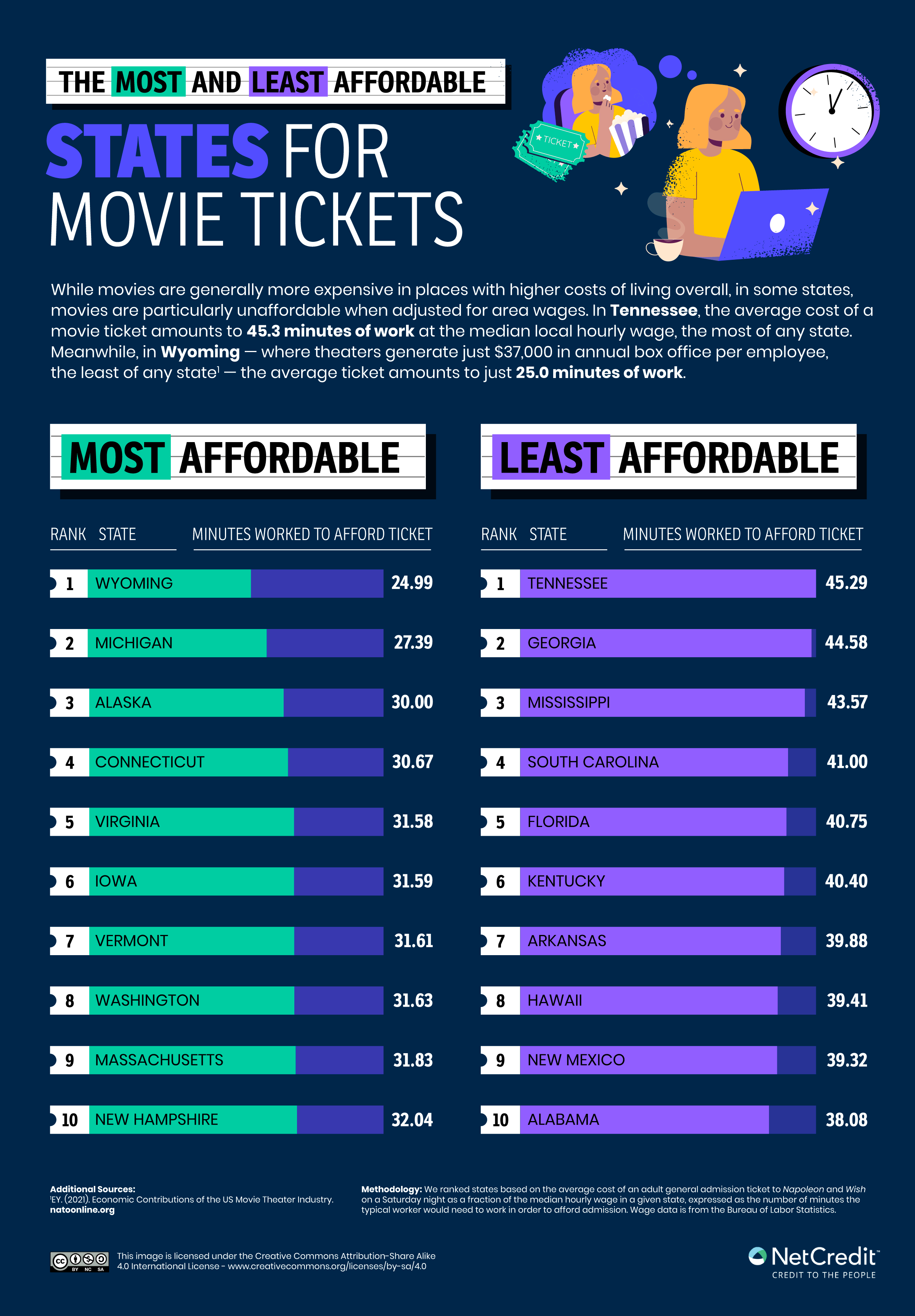
For those who cherish the cinema experience but are mindful of their budget, several financial strategies can significantly reduce the overall cost of a movie outing. Smart planning and leveraging available discounts can make moviegoing a more affordable entertainment option.
Matinee and Discount Days
The simplest and most widely available cost-saving measure is attending matinee shows or taking advantage of specific discount days. Most theaters offer reduced ticket prices for showings before a certain time (often 4 p.m. or 5 p.m.), with savings sometimes reaching 30-50% off evening prices. Many chains also designate a specific day of the week, commonly Tuesday, as a “discount day” where all standard tickets are sold at a significantly lower price, often ranging from $5 to $8. By simply adjusting the timing of their visit, consumers can realize substantial savings on ticket costs, particularly for families or groups.
Loyalty Programs and Subscriptions
Major cinema chains have developed loyalty programs and subscription services designed to offer recurring value to frequent moviegoers. Programs like AMC Stubs A-List, Regal Unlimited, or Cinemark Movie Club operate on a fixed monthly fee model. For example, AMC Stubs A-List, at around $20-$25 per month (depending on location), allows members to see up to three movies per week, including premium formats, with no additional cost for tickets. This can translate into enormous savings for individuals who see more than one movie a month. Regal Unlimited, at a similar price point, offers unlimited standard movies. These subscriptions also often include discounts on concessions (typically 10-25%), further mitigating the high cost of snacks and drinks. For regular attendees, these programs transform a variable and potentially high cost into a predictable and lower fixed monthly entertainment expenditure.
Group Discounts and Memberships
Beyond general discounts, specific demographics can often access reduced pricing. Senior citizens, students (with valid ID), and military personnel frequently receive special discounts, often 10-20% off standard ticket prices. Many independent and arthouse cinemas also offer annual memberships that provide discounted tickets, free passes, and other perks, supporting local cinema while providing financial benefits to patrons. For larger groups or families, some theaters offer “family packs” or special pricing for children, though this is less common for new releases. Researching these specific offers before purchasing tickets can yield significant savings.
Bringing Your Own Snacks (Where Permitted)
While often a grey area, some smaller, independent cinemas or drive-ins may permit patrons to bring their own outside snacks and non-alcoholic beverages. This is a highly effective way to circumvent the high markup at concession stands, potentially saving $10 to $20 or more per person on food and drink. However, it is crucial to verify the specific theater’s policy beforehand, as most major chains strictly prohibit outside food and beverages to protect their primary profit center. Attempting to bring in prohibited items could lead to issues.
The Rise of At-Home Entertainment and Its Financial Implications
The landscape of film consumption has drastically shifted with the proliferation of digital platforms, offering consumers compelling alternatives to the traditional cinema experience and fundamentally altering the financial equation of “seeing a movie.”
Streaming Services: A Fixed Monthly Cost
Streaming services have emerged as a dominant force in home entertainment, offering an expansive library of films and television shows for a fixed monthly subscription fee. Platforms like Netflix, Disney+, Max, Hulu, and Amazon Prime Video typically range from $7 to $20 per month for their ad-free tiers, with family plans or bundles sometimes costing more. For this predictable expenditure, subscribers gain unlimited access to thousands of titles, allowing for multiple viewings by multiple household members without additional per-title costs. From a personal finance perspective, a single streaming subscription can offer significantly more content and viewing hours for less than the cost of one or two cinema tickets, especially when considering a family or multiple individuals viewing together. This cost-efficiency makes streaming an attractive alternative for budget-conscious consumers.
Premium Video On Demand (PVOD)
A relatively newer model, Premium Video On Demand (PVOD), directly challenges the traditional theatrical window by offering new cinematic releases for rent or purchase at home, often simultaneously with or shortly after their big-screen debut. Prices for PVOD titles typically range from $19.99 to $29.99 for a 48-hour rental or a digital purchase. While this might seem comparable to or even slightly higher than a single cinema ticket, the financial value proposition changes dramatically for groups. For a family of four, buying or renting a PVOD title for around $25 is often significantly cheaper than purchasing four cinema tickets, especially for a premium format showing, not to mention avoiding concession costs. PVOD offers the convenience of immediate home viewing, rewatchability within the rental window, and the ability to consume personal snacks and drinks, making it a financially prudent choice for certain demographics.

Comparing Value: Cinema vs. Home
Ultimately, the choice between cinema and home entertainment boils down to a financial decision driven by personal preferences and perceived value. The cinema offers an unparalleled immersive experience, a social outing, and the immediate impact of a new release, but at a variable, often higher, per-viewing cost, particularly when factoring in concessions and hidden expenses. For a single individual, a standard cinema ticket plus concessions might cost $25-$35. For a family of four, this could easily escalate to $70-$100+ for a single outing. In contrast, a streaming service offers an ongoing, fixed monthly cost for vast content, while PVOD provides new releases at a flat rate that becomes more cost-effective for larger groups. Consumers must weigh the “experiential premium” of the big screen against the financial savings, convenience, and content volume offered by home entertainment options when determining “how much the movies today” truly means for their personal budget.
aViewFromTheCave is a participant in the Amazon Services LLC Associates Program, an affiliate advertising program designed to provide a means for sites to earn advertising fees by advertising and linking to Amazon.com. Amazon, the Amazon logo, AmazonSupply, and the AmazonSupply logo are trademarks of Amazon.com, Inc. or its affiliates. As an Amazon Associate we earn affiliate commissions from qualifying purchases.