
The term “military personnel” encompasses the vast and intricate network of individuals who serve in a nation’s armed forces. While often perceived as a monolithic entity, the reality is a complex ecosystem of roles, responsibilities, and specializations, each contributing to the overarching mission of national defense and security. Beyond the immediate image of combat troops, military personnel includes a diverse range of individuals whose skills and dedication are vital in peacetime and during times of conflict. Understanding what constitutes military personnel requires delving into the various branches, ranks, and specialized functions that define this critical sector.
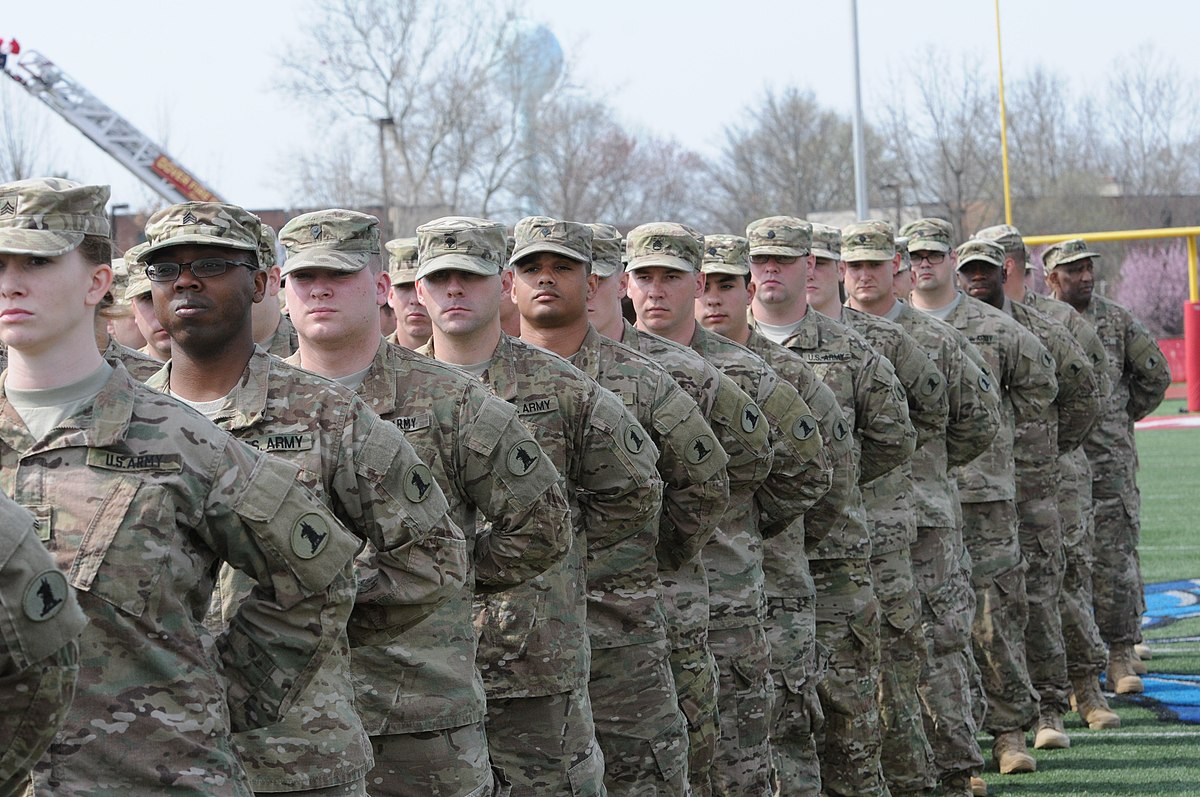
The modern military is far from solely reliant on physical might; it is a technologically advanced organization that thrives on expertise across numerous fields. In today’s interconnected world, the parallels between the skills and demands of military service and the burgeoning sectors of tech, brand, and money are increasingly apparent. From the cutting-edge AI tools deployed on the battlefield to the strategic branding of national defense initiatives, and the sophisticated financial management required to sustain a global military apparatus, the world of military personnel is deeply intertwined with the very trends shaping our digital and economic landscape.
The Pillars of Military Service: Branches and Their Roles
At its core, military personnel are organized into distinct branches, each with its own operational domain, specialized training, and unique contributions to national defense. These branches represent the primary avenues through which individuals can serve and contribute their skills.
Army: The Ground Force
The Army is typically the largest branch of a nation’s armed forces, primarily responsible for land-based military operations. Military personnel within the Army are trained to engage in combat, secure territory, and conduct stability operations. This involves a wide array of roles, from infantry soldiers who form the front lines, to artillery crews providing crucial fire support, and engineers who build essential infrastructure and overcome obstacles.
However, the Army’s needs extend far beyond combat roles. It requires significant personnel in logistics and supply chains, ensuring that troops on the ground have the resources they need, from food and ammunition to fuel and medical supplies. Specialized units focus on intelligence gathering, reconnaissance, and surveillance, providing critical information to commanders. Communication specialists maintain vital links between units, while medical personnel provide life-saving care in demanding environments. The development and deployment of advanced weaponry, including drones and sophisticated communication systems, also necessitate a highly skilled technical workforce within the Army, mirroring the advancements seen in the broader tech industry.
Navy: Dominance of the Seas
The Navy is dedicated to projecting power and protecting national interests at sea. Military personnel in the Navy operate and maintain a fleet of ships, submarines, and aircraft. Their responsibilities include maritime patrol, power projection, freedom of navigation operations, and amphibious assaults. Naval personnel are trained in a vast array of specialized fields.
Seamen and officers on board vessels manage everything from navigation and engineering to combat systems and damage control. Submarine crews operate in a unique and challenging environment, requiring exceptional technical aptitude and psychological resilience. Naval aviators and their support crews operate sophisticated aircraft from carrier decks, providing air superiority and reconnaissance. Beyond the operational crews, the Navy relies on a robust support network of engineers, technicians, and cyber warfare specialists who maintain its advanced technological infrastructure. The complex network of communication and command systems within the Navy mirrors the intricate architectures found in large-scale tech enterprises.
Air Force: Control of the Skies
The Air Force is responsible for air and space superiority, as well as rapid global mobility. Military personnel in this branch operate and maintain a diverse fleet of aircraft, including fighter jets, bombers, transport planes, and reconnaissance aircraft. Their roles encompass aerial combat, strategic bombing, airlift operations, and space-based surveillance.
Air Force personnel include pilots who master complex aircraft, air traffic controllers who manage vast airspace, and ground crews who ensure aircraft are flight-ready. Security forces protect airbases and critical assets. Increasingly, the Air Force relies heavily on personnel with expertise in cyber warfare, electronic warfare, and space operations, areas that are at the forefront of technological innovation. The development and integration of AI-driven targeting systems, advanced sensor technology, and secure communication networks are paramount to the Air Force’s mission, drawing directly from the trends dominating the tech sector.
Marine Corps: Expeditionary Force
The Marine Corps is a versatile force specializing in amphibious operations and expeditionary warfare. Military personnel in the Marines are trained to rapidly deploy to various environments, often serving as the nation’s first responders in crises. They are known for their rigorous training and high standards of discipline.
Marines engage in infantry combat, artillery operations, and air support, often operating in close coordination with the Navy. Their capabilities extend to specialized units for reconnaissance, intelligence, and unconventional warfare. The emphasis on adaptability and rapid deployment means Marines often work with cutting-edge equipment and require personnel who can quickly master new technologies. The “brand” of the Marine Corps, synonymous with toughness and elite performance, is a powerful example of personal and corporate branding in action, showcasing how a cohesive identity can motivate and inspire.
Other Branches and Specialized Services
Beyond these primary branches, many nations have other specialized military services, such as the Coast Guard (often focused on maritime law enforcement and search and rescue) or the Space Force, dedicated to operations in the space domain. These branches, too, require a diverse range of military personnel, from operational commanders and technical experts to administrative staff and intelligence analysts.
The Spectrum of Roles: Beyond the Front Lines
While the image of combat troops is often the most prominent, military personnel encompass a far broader spectrum of roles, many of which align closely with specialized fields in the civilian sector, particularly in technology, brand management, and financial operations.

Technological Expertise: The Digital Battlefield
The modern military is a highly technological enterprise. Military personnel are increasingly involved in roles that demand advanced technical skills, mirroring the demands of the tech industry. This includes:
- Cybersecurity Professionals: Protecting critical military networks and systems from cyberattacks is paramount. These personnel are skilled in identifying vulnerabilities, developing defensive strategies, and responding to breaches, much like their counterparts in the civilian cybersecurity world. They work with advanced AI tools for threat detection and analysis.
- Information Technology Specialists: From maintaining vast server farms and complex communication networks to developing and deploying software, IT specialists are the backbone of military information infrastructure. Their work involves staying abreast of the latest software trends, cloud computing, and ensuring robust digital security.
- Engineers and Technicians: Military personnel in engineering roles are responsible for the design, development, maintenance, and operation of everything from advanced aircraft and naval vessels to sophisticated weaponry and communication systems. This includes mechanical, electrical, aerospace, and software engineers.
- Data Analysts and AI Specialists: The military collects vast amounts of data. Personnel in these roles analyze this information to inform strategic decisions, identify patterns, and develop predictive capabilities. The integration of AI tools for intelligence analysis, logistics optimization, and autonomous systems is a rapidly growing field.
- Robotics and Drone Operators: The use of unmanned aerial vehicles (UAVs) and other robotic systems is becoming increasingly prevalent. Military personnel are trained to operate these sophisticated gadgets, often employing advanced software and sensor technology.
Brand and Reputation Management: The Face of Defense
While not always explicitly termed “marketing,” the military engages in significant brand and reputation management. Military personnel in these areas focus on:
- Public Affairs Officers: These individuals manage communication between the military and the public, media, and government. They craft messages, handle press inquiries, and ensure a consistent and accurate portrayal of military operations and values. This is akin to corporate communications and reputation management.
- Recruitment and Marketing: Attracting top talent requires strategic branding and marketing efforts. Personnel involved in recruitment develop campaigns and outreach programs that highlight the opportunities, values, and impact of military service. They aim to create a strong “brand” for their respective branches, akin to personal branding in a professional context.
- Strategic Communication Specialists: Beyond public affairs, these roles involve developing communication strategies for complex operations, diplomatic engagements, and international partnerships. They understand the nuances of conveying messages to diverse audiences and building trust.
- Design and Visual Branding: The visual identity of military units, operations, and initiatives is often managed by skilled designers who understand how to create impactful symbols, logos, and visual materials that convey authority and purpose.
Financial Management and Operations: The Economic Engine
Sustaining a global military apparatus requires immense financial resources and sophisticated financial management. Military personnel play crucial roles in:
- Financial Controllers and Accountants: Managing multi-billion dollar budgets, ensuring fiscal responsibility, and tracking expenditures are vital. These roles require strong financial acumen and adherence to strict regulations.
- Logistics and Supply Chain Managers: Ensuring the efficient flow of goods and services to military units worldwide is a monumental task. This involves intricate financial planning, procurement, and inventory management, similar to large-scale business finance.
- Contract Specialists: The military procures a vast array of goods and services from civilian contractors. Personnel in this area negotiate, manage, and oversee these contracts, ensuring value for money and adherence to terms.
- Investment and Resource Allocation: Strategic decisions about where to allocate resources, from personnel training to equipment acquisition, involve complex financial analysis and long-term planning.
Ranks, Roles, and Responsibilities: A Hierarchy of Service
Military personnel are organized within a hierarchical structure of ranks, which signifies experience, responsibility, and authority. This system ensures clear command chains and a structured approach to operations.
Enlisted Ranks: The Backbone of Service
The majority of military personnel fall under enlisted ranks, starting from entry-level positions and progressing through years of service and demonstrated competence. These individuals are the operators, technicians, and support staff who perform the day-to-day tasks essential for military function. From Private to Sergeant Major in the Army, or Seaman Recruit to Master Chief Petty Officer in the Navy, each rank signifies increasing responsibility and leadership potential.
Non-Commissioned Officers (NCOs): The Leaders and Mentors
Non-Commissioned Officers (NCOs) form the crucial leadership layer within the enlisted ranks. They are experienced personnel who bridge the gap between junior enlisted members and commissioned officers. NCOs are responsible for leading small units, training junior personnel, enforcing discipline, and ensuring that missions are executed effectively. Their roles often involve significant decision-making at the tactical level, and their experience is invaluable in maintaining unit cohesion and operational readiness.
Commissioned Officers: The Commanders and Strategists
Commissioned officers typically begin their careers after completing higher education and specialized military training programs. They hold positions of command and are responsible for strategic planning, decision-making, and the overall welfare of their units. Ranks range from Second Lieutenant to General, with each level denoting increasing scope of command and responsibility. Officers are tasked with developing long-term strategies, managing resources, and leading large formations of military personnel.

The Evolving Landscape: Military Personnel in the 21st Century
The nature of military service is constantly evolving, driven by technological advancements, geopolitical shifts, and changing societal expectations. Military personnel today operate in an environment that is more interconnected, data-driven, and globally focused than ever before.
The increasing reliance on technology means that military personnel must be adaptable and willing to embrace continuous learning. The lines between military and civilian skill sets are blurring, as evidenced by the demand for individuals with expertise in AI, cybersecurity, data science, and advanced engineering. Furthermore, the emphasis on information operations and strategic communication highlights the growing importance of understanding and managing the “brand” of defense, both domestically and internationally.
In essence, military personnel are the dedicated individuals who serve their nations by safeguarding security, projecting power, and responding to crises. They are a diverse group, ranging from combat specialists to highly skilled technicians, strategic thinkers, and adept communicators. Their contributions are vital, and their roles are increasingly intertwined with the dynamic and rapidly advancing fields of technology, brand strategy, and financial management that define our modern world.
aViewFromTheCave is a participant in the Amazon Services LLC Associates Program, an affiliate advertising program designed to provide a means for sites to earn advertising fees by advertising and linking to Amazon.com. Amazon, the Amazon logo, AmazonSupply, and the AmazonSupply logo are trademarks of Amazon.com, Inc. or its affiliates. As an Amazon Associate we earn affiliate commissions from qualifying purchases.