
In the modern economic landscape, few names carry as much weight as Google. While most of us interact with it as a search engine, a video platform, or a mobile operating system, from a financial perspective, Google (operating under its parent company, Alphabet Inc.) is a monumental engine of capital. To answer the question “How much money does Google have?” requires looking beyond a simple bank account balance. It necessitates a deep dive into liquidity, asset valuation, revenue streams, and the strategic allocation of one of the largest corporate war chests in history.
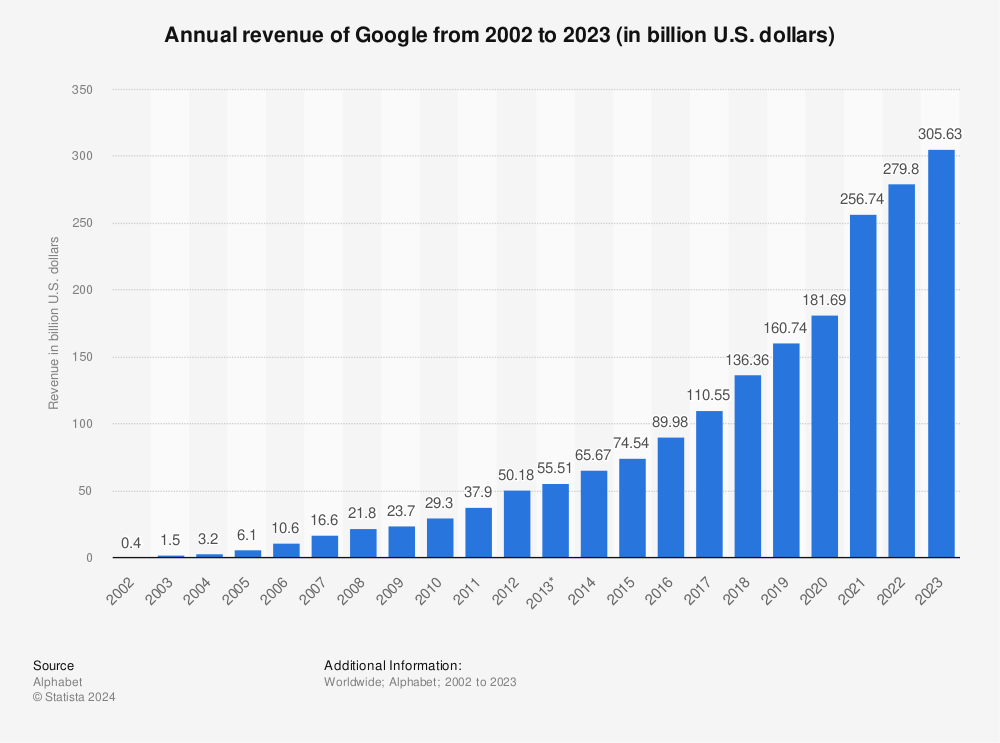
As of the latest fiscal reporting periods, Alphabet Inc. consistently maintains a cash position that rivals the GDP of medium-sized nations. However, the true measure of their “wealth” is a combination of their liquid cash, their massive investments in infrastructure, and their ability to generate billions of dollars in free cash flow every single quarter.
1. Decoding the Balance Sheet: Cash, Assets, and Market Value
When we talk about how much money a corporation “has,” we usually refer to its liquidity—money that can be spent immediately. However, for a behemoth like Alphabet, “money” is a multi-layered concept involving cash on hand, short-term investments, and total shareholder equity.
Cash and Cash Equivalents
Alphabet’s balance sheet is legendary in the financial world for its high level of liquidity. The company typically maintains between $100 billion and $120 billion in cash and marketable securities. To put this in perspective, this “cash pile” allows Google to acquire almost any mid-sized tech company in the world without needing to take out a loan. This liquidity acts as a massive safety net, providing the company with the “dry powder” needed to survive economic downturns or pivot aggressively into new technologies like Artificial Intelligence.
Total Assets vs. Liabilities
If we look at the broader financial health, Alphabet’s total assets far exceed its liabilities. With total assets valued in the neighborhood of $400 billion, the company owns a vast array of physical and intellectual property. This includes massive data centers scattered across the globe, subsea fiber-optic cables that power the internet, and a real estate portfolio that includes some of the most expensive office spaces in New York City and Mountain View. When you subtract their debts and obligations, the company’s “Book Value” or total equity remains incredibly robust, reflecting a fortress-like financial position.
Market Capitalization and Valuation
While the balance sheet tells us what the company owns, the market capitalization tells us what the world thinks the company is worth. As a member of the “Trillion Dollar Club,” Alphabet’s market cap frequently fluctuates between $1.5 trillion and $2 trillion. This valuation represents the collective belief of investors in Google’s future earning potential. For an investor in the “Money” niche, understanding that Google’s “money” is tied to its stock price is crucial, as the company uses its high valuation to compensate employees via stock options and to fund all-stock acquisitions.
2. Revenue Streams: How the Money Flows In
Google does not just “have” money; it is a relentless generator of it. To understand the scale of their wealth, one must understand the diversified—yet search-centric—revenue model that fuels their growth.
Google Search and Advertising Dominance
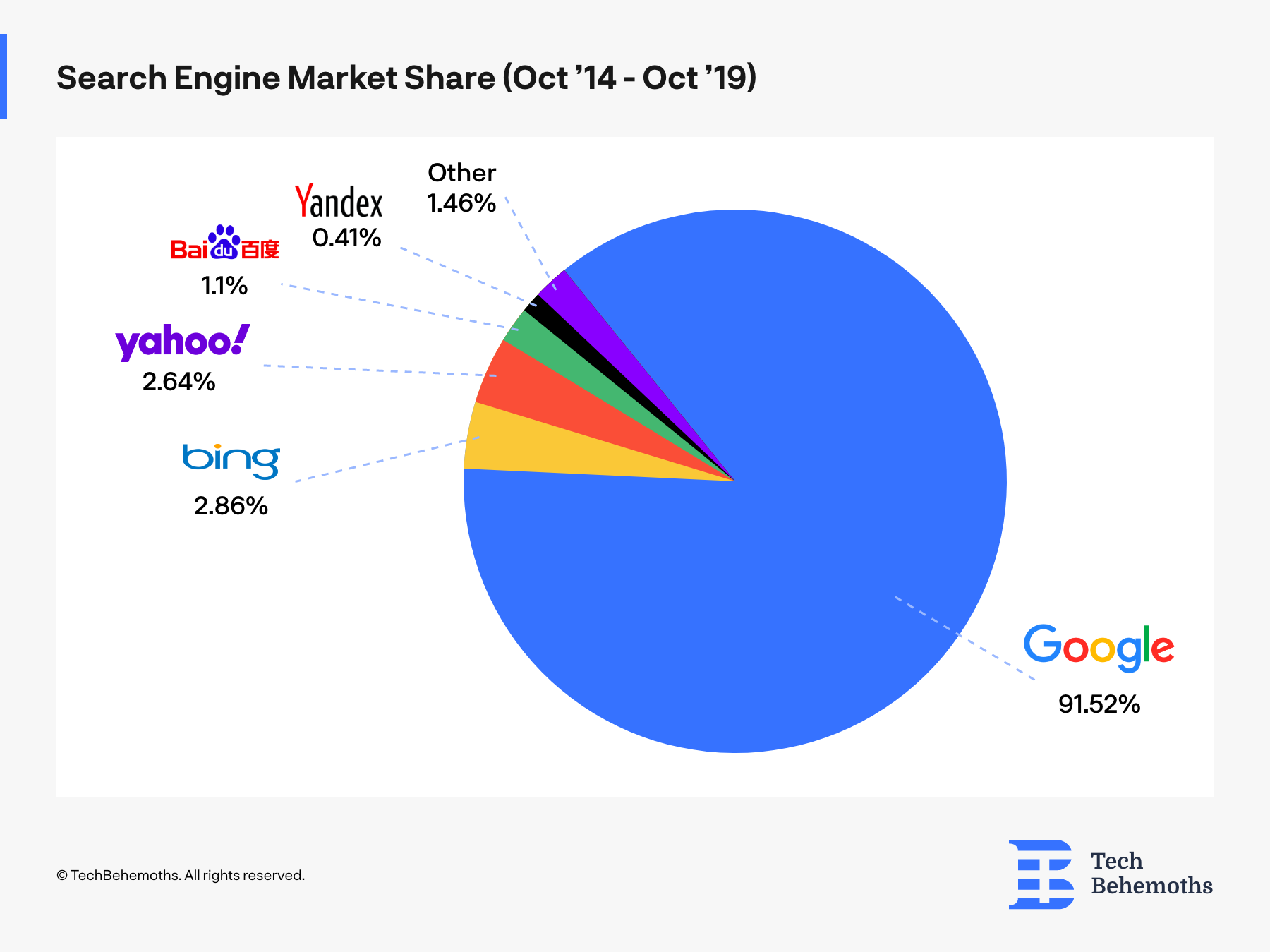
The heart of the Google money machine is advertising. Approximately 75% to 80% of Alphabet’s total revenue comes from Google Advertising (Google Search, YouTube ads, and the Google Network). This is one of the most efficient business models ever created. Every time a user searches for a product or service, Google auctions off the digital real estate to the highest bidder. Because the marginal cost of serving an additional search result is nearly zero, the profit margins on search advertising are exceptionally high, allowing the company to funnel billions into other ventures.
YouTube’s Financial Contribution
YouTube has evolved from a video-sharing site into a financial titan of its own. Generating tens of billions of dollars annually in ad revenue, YouTube also represents a growing shift toward subscription models. With YouTube Premium and YouTube TV, Google is diversifying its income from purely ad-based to recurring “sticky” revenue. This shift is highly favored by financial analysts because it provides a more predictable and stable cash flow compared to the cyclical nature of the advertising market.
Google Cloud and Subscriptions
While it trailed behind Amazon Web Services (AWS) and Microsoft Azure for years, Google Cloud has recently turned the corner into profitability. This is a significant milestone. Cloud computing represents the “picks and shovels” of the digital age. By providing the infrastructure for other businesses to run their operations, Google Cloud secures long-term enterprise contracts. This segment is growing faster than the core search business, signaling that Google’s future wealth will be increasingly tied to enterprise software and data storage.
3. Strategic Allocation: Where the Money Goes
Having over $100 billion in cash presents a unique challenge: what do you do with it? Alphabet’s strategy for spending its money is divided between securing its future and rewarding its shareholders.
Research and Development (R&D) and AI Innovation
Google spends more on R&D than almost any other corporation on earth. Annually, this figure exceeds $30 billion. Currently, the lion’s share of this investment is being funneled into Artificial Intelligence. From developing their own custom AI chips (TPUs) to training large language models like Gemini, Google is betting its entire financial future on the AI revolution. In the world of business finance, this is seen as a defensive necessity; they must spend billions now to ensure they aren’t disrupted by emerging AI competitors.
Acquisitions and Capital Expenditures
Google’s wealth allows it to be an aggressive shopper. Over the years, they have acquired companies like Android, YouTube, DoubleClick, and Fitbit. These weren’t just “buying products”; they were strategic financial moves to dominate new markets. Additionally, their capital expenditure (CapEx) is massive. They spend billions every quarter on “hard assets” like servers and data centers. This infrastructure is the physical backbone of their digital empire, and it represents a barrier to entry that almost no other company can afford to replicate.
Share Buybacks and the Question of Dividends
For a long time, Google was known for hoarding its cash. However, as the company matured, it began returning money to shareholders through massive share buyback programs. In recent years, Alphabet has authorized buybacks in the range of $70 billion. By buying back its own stock, the company reduces the number of shares outstanding, which increases the earnings per share (EPS) and helps support the stock price. More recently, Alphabet joined other tech giants in initiating its first-ever dividend, a move that signals the company’s transition from a high-growth “startup” mentality to a stable, cash-generating blue-chip powerhouse.
4. The Competitive Landscape and Financial Risks
Even with a trillion-dollar valuation and a hundred-billion-dollar cash pile, Google’s money is not without its threats. In the world of high finance, risks are as scaled as the rewards.
Macroeconomic Pressures and Advertising Cycles
Google’s primary income source—advertising—is highly sensitive to the global economy. When interest rates rise or a recession looms, businesses often slash their marketing budgets first. While Google is more resilient than smaller ad platforms, it is not immune. A global downturn can lead to stagnant revenue growth, which pressures the stock price and reduces the capital available for “Other Bets” (Alphabet’s experimental divisions like Waymo).
Regulatory Risks and Anti-Trust Fines
One of the biggest “leaks” in Google’s bucket comes from legal and regulatory challenges. Governments in the US and the EU have increasingly targeted Google with multi-billion dollar anti-trust fines. Beyond the immediate cash impact of the fines, there is the long-term risk of structural changes. If regulators force Google to decouple its search engine from its browser or ad tech, the financial implications would be profound, potentially devaluing their core assets overnight.
The Cost of the AI Arms Race
While AI is an opportunity, it is also an immense financial burden. The cost of running an AI-powered search is significantly higher than a traditional keyword search due to the massive computing power required. This puts pressure on Google’s legendary profit margins. To stay ahead of competitors like OpenAI and Microsoft, Google must continue to spend record amounts on talent and hardware, a financial “arms race” where the winner is the one with the deepest pockets and the most efficient execution.

Conclusion: A Fortress of Finance
To answer “how much money does Google have” is to describe a corporate entity that is functionally a financial superpower. With over $100 billion in liquid cash, a market valuation near $2 trillion, and a revenue engine that brings in over $300 billion annually, Alphabet Inc. sits at the pinnacle of global corporate finance.
However, the “Money” story of Google is no longer just about accumulation; it is about transformation. The company is currently leveraging its vast wealth to transition from the era of “Search and Ads” to the era of “Cloud and AI.” Whether they are buying back billions in stock or building out the global infrastructure for the next generation of computing, Google’s financial strategy remains clear: use an unparalleled cash pile to build a moat so wide that no competitor can cross it. For any observer of business finance, Google remains the ultimate case study in how to build, protect, and deploy capital on a global scale.
aViewFromTheCave is a participant in the Amazon Services LLC Associates Program, an affiliate advertising program designed to provide a means for sites to earn advertising fees by advertising and linking to Amazon.com. Amazon, the Amazon logo, AmazonSupply, and the AmazonSupply logo are trademarks of Amazon.com, Inc. or its affiliates. As an Amazon Associate we earn affiliate commissions from qualifying purchases.