
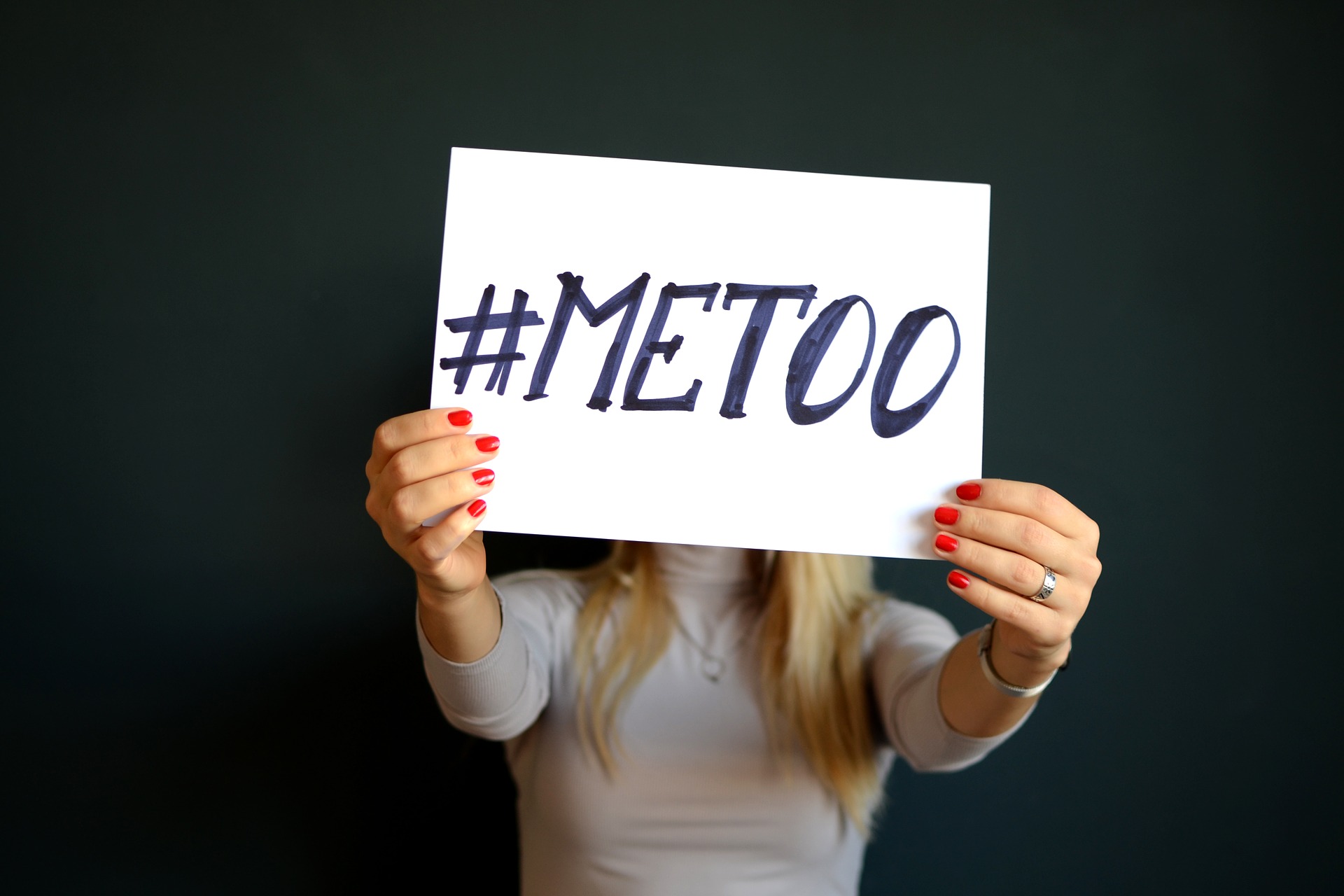
The phrase “MeToo” has transcended a simple hashtag to become a global phenomenon, a powerful clarion call against sexual harassment and assault that has profoundly reshaped social norms and expectations. While often discussed in terms of its societal and legal implications, the MeToo movement has, perhaps unexpectedly, become a monumental force in the realm of brand strategy, corporate identity, and personal reputation. It has challenged organizations and individuals alike to confront uncomfortable truths, scrutinize entrenched power dynamics, and fundamentally rethink how they build, maintain, and protect their public image. Far from being a fleeting trend, MeToo has solidified its position as an enduring paradigm shift, forcing brands to integrate ethical conduct, transparency, and genuine respect into the very core of their identity, or face catastrophic consequences.
The Genesis and Evolution of a Brand-Defining Movement
The MeToo movement did not materialize overnight but emerged from decades of activism and individual courage, culminating in a powerful digital wave that redefined public accountability. Its journey from a personal testament to a global brand imperative is crucial to understanding its lasting impact.
From Hashtag to Global Reckoning
The origins of “MeToo” trace back to 2006, when activist Tarana Burke coined the phrase to foster solidarity among survivors of sexual violence, particularly women of color. However, it was its viral resurgence in October 2017, following actress Alyssa Milano’s tweet encouraging survivors to respond with “Me too” to highlight the pervasiveness of sexual harassment and assault, that catapulted the phrase into a global movement. This simple hashtag, amplified by the immediacy and reach of social media platforms, became a powerful symbol. It provided a collective voice to countless individuals who had previously suffered in silence, creating an undeniable narrative of systemic abuse. For brands, this rapid mobilization signified a new era: a single online spark could ignite a global conversation, instantly scrutinizing corporate cultures and individual behaviors on an unprecedented scale. The sheer volume of shared experiences transformed MeToo into more than just a social media trend; it became a global reckoning, permanently altering the landscape of public perception and moral accountability for brands worldwide.
Shifting Public Perception and Stakeholder Expectations
Prior to MeToo, issues of workplace harassment were often relegated to confidential HR matters, managed internally with little public scrutiny. The movement shattered this veil of secrecy, creating an environment where tolerance for such misconduct plummeted. Public perception underwent a dramatic shift, making it clear that sexual harassment and assault were no longer acceptable externalities of power dynamics. This changed landscape created new, non-negotiable expectations from all stakeholders:
- Consumers began to scrutinize brands not just on product quality or price, but on their ethical standing, demanding that companies uphold values of respect and safety. Boycotts and public shaming became potent tools for enforcing these demands.
- Employees — current and prospective — now critically evaluate an organization’s culture and its track record on diversity, equity, and inclusion, especially concerning sexual harassment. Companies known for toxic environments struggled to attract and retain top talent.
- Investors increasingly factored Environmental, Social, and Governance (ESG) criteria into their decisions. Brands with poor ethical reputations, particularly concerning employee welfare and a history of misconduct, were seen as higher risk, impacting stock prices and long-term viability.
These heightened expectations meant that brands could no longer afford to be perceived as silent, indifferent, or complicit in harassment. Their commitment to ethical conduct became a fundamental component of their brand equity, influencing everything from hiring practices to marketing campaigns.
MeToo’s Direct Impact on Corporate Identity and Brand Reputation
The reverberations of the MeToo movement struck at the very heart of corporate America and global enterprises, fundamentally altering how organizations define themselves and are perceived by the public. It moved issues of workplace conduct from the periphery to the core of brand identity.
The Erosion of Trust and the Demand for Authenticity
Before MeToo, many corporate brands cultivated an image of professionalism and integrity, often without genuinely addressing underlying issues of power abuse within their structures. The movement, however, exposed a harsh reality: countless organizations harbored cultures where sexual harassment was rampant, often covered up or tacitly accepted. High-profile cases, such as those involving Harvey Weinstein’s production company or numerous media outlets, revealed a deep-seated erosion of trust. When allegations surfaced, the brands associated often faced immediate and severe damage to their reputation, sometimes leading to outright collapse. This was because the public saw a stark disconnect between the polished external brand and the internal reality.
The MeToo era underscored a critical lesson for brands: authenticity is paramount. Consumers, employees, and investors are no longer swayed by superficial PR statements or performative gestures. They demand genuine commitment to ethical practices, robust accountability mechanisms, and a demonstrable culture of respect. Brands built on hollow promises were swiftly exposed, demonstrating that true brand value is inextricably linked to consistent ethical behavior, not just perception. The cost of failing this authenticity test could range from severe reputational damage to complete market rejection.
Redefining Workplace Culture as a Brand Asset
What was once considered an internal HR matter — workplace culture — has been unequivocally elevated to a critical brand asset in the post-MeToo landscape. Companies previously known for high-pressure, often male-dominated environments, sometimes fostering unhealthy or even predatory behaviors, now face intense scrutiny. A toxic workplace culture is no longer just an internal problem; it is a brand liability that can directly impact public perception, talent acquisition, and ultimately, profitability. Brands associated with harassment allegations suffer from:
- Reputational Damage: A tarnished image that repels customers and partners.
- Talent Drain: Difficulty attracting and retaining top talent, as employees prioritize respectful and safe work environments.
- Legal and Financial Penalties: Costly lawsuits, settlements, and regulatory fines.
Conversely, companies that proactively foster inclusive, respectful, and safe workplace cultures are gaining a significant competitive edge. These organizations are seen as employers of choice, attracting diverse talent, boosting employee morale, and enhancing their overall brand equity. This involves more than just written policies; it requires a genuine, top-down commitment to:
- Transparency: Open communication about values and conduct expectations.
- Robust Reporting Mechanisms: Anonymous, accessible, and trusted channels for reporting misconduct without fear of retaliation.
- Accountability: Swift, fair, and consistent action against perpetrators, regardless of their position.
Investing in a positive, respectful culture is no longer merely a “nice-to-have”; it is a fundamental pillar of a strong, resilient brand.
Crisis Management in the MeToo Era
The MeToo movement fundamentally rewrote the rules of crisis management for brands. The traditional playbook, which often involved denial, delay, or damage control, proved disastrous in this new environment of heightened public awareness and immediate digital dissemination. When allegations of sexual harassment or assault surface, how a brand responds determines its fate.
- Disastrous Responses: Brands that issued dismissive statements, blamed victims, or attempted to cover up misconduct faced severe backlash. Such responses amplified public anger, deepened distrust, and often led to widespread condemnation, boycotts, and irreparable brand damage. The perception of a brand protecting perpetrators over victims is fatal.
- Effective Responses: Brands that managed to navigate such crises, or even emerge stronger, did so by adopting a proactive, empathetic, and transparent approach. This typically involved:
- Swift and Decisive Action: Immediately launching impartial investigations.
- Genuine Apologies: Expressing sincere remorse for any harm caused or for failing to prevent misconduct.
- Demonstrable Corrective Actions: Publicly outlining and implementing clear steps to address the issues, reform policies, and hold individuals accountable.
- Leadership from the Top: Senior leadership publicly owning the problem and committing to change.
The MeToo era has made it clear that “silence is complicity” and that the court of public opinion moves rapidly and unforgivingly. Brands must prepare for such eventualities with robust crisis communication strategies rooted in integrity and accountability.

Personal Branding in the Shadow of MeToo
While MeToo’s corporate impact is vast, its influence on individual reputations—personal brands—has been equally profound, permanently altering the landscape for public figures, executives, and even everyday professionals.
Public Figures: From Idols to Accountability
Before MeToo, many public figures, particularly in entertainment, politics, and business, operated with an unspoken understanding that certain behaviors, though unethical, might be overlooked or tolerated given their talent or power. The movement dismantled this unspoken pact. Celebrities, politicians, and high-ranking executives who were once revered idols found their meticulously crafted personal brands collapsing overnight under the weight of credible accusations. Figures like Harvey Weinstein, Kevin Spacey, and Matt Lauer, once titans in their respective fields, saw their careers ended, their legacies tarnished, and their public images utterly destroyed. This shift demonstrated that talent, charisma, or power no longer provided immunity from accountability. The public’s tolerance for misconduct, especially sexual harassment and assault, evaporated, making personal integrity a non-negotiable component of any sustainable personal brand. Past actions, once hidden or dismissed, were brought to light and subjected to intense scrutiny, often leading to immediate and irreversible consequences.
The Double-Edged Sword of Social Media for Personal Brands
Social media, the very engine that amplified the MeToo movement, proved to be a double-edged sword for personal brands. On one side, it became an unprecedented platform for survivors to share their stories, find solidarity, and collectively expose patterns of abuse. This democratized storytelling empowered individuals, bypassing traditional gatekeepers and creating a powerful wave of collective truth-telling that could dismantle even the most formidable personal brands. The virality of hashtags and shared narratives meant that allegations could spread globally in minutes, making it impossible for individuals to control or suppress information.
Conversely, social media also became the primary battleground for individuals accused of misconduct. While some attempted to use these platforms to issue apologies or defend themselves, such efforts were often met with intense skepticism and further backlash if they lacked sincerity or appeared to deflect responsibility. The permanence of digital footprints means that once an accusation or a response is made public, it lives on indefinitely, shaping how a personal brand is perceived for years to come, regardless of subsequent rehabilitation efforts. For any individual in the public eye, managing one’s personal brand now requires an acute awareness of social media’s power, both to build and to destroy reputations.
Building an Ethical Personal Brand Post-MeToo
In the wake of MeToo, the parameters for building and maintaining a strong personal brand have fundamentally shifted. Beyond talent, achievements, or public appeal, integrity, ethical conduct, and a demonstrated commitment to respect are now paramount. For public figures and professionals alike, an ethical personal brand means:
- Integrity as a Foundation: Consistently acting in alignment with stated values, both publicly and privately. Hypocrisy is quickly exposed and severely penalized.
- Accountability and Self-Reflection: Being willing to acknowledge past mistakes, apologize genuinely, and commit to learning and growth.
- Advocacy and Allyship: For those in positions of power or influence, actively championing safe, equitable environments and supporting survivors. Being an ally, not just an observer, is now a crucial component of a positive personal brand.
- Consistent Behavior: Ensuring that one’s online persona, professional interactions, and private life are all aligned with a respectful and ethical code of conduct.
The emphasis has shifted from simply avoiding scandal to actively embodying ethical leadership. A robust personal brand in the MeToo era is built on transparency, empathy, and an unwavering commitment to fostering cultures of respect and safety, positioning individuals not just as experts in their field, but as trustworthy and morally sound leaders.
Strategic Imperatives for Brands in the MeToo Landscape
The enduring legacy of MeToo is not just about retrospectively addressing past wrongs, but proactively building a future where ethical conduct and respect are woven into the very fabric of every brand. This necessitates a strategic reimagining of internal practices and external communications.
Cultivating a Culture of Respect and Transparency
The most fundamental imperative for any brand in the MeToo era is to cultivate an unwavering culture of respect and transparency. This is not a superficial initiative but a deep, systemic transformation that must originate from the very top.
- Leadership Commitment: CEOs, executives, and senior management must not only verbally endorse these values but actively embody them, setting a clear ethical tone for the entire organization. Their actions, not just words, define the culture.
- Clear Policies and Training: Robust, clearly communicated anti-harassment policies, coupled with mandatory, regular, and effective training programs, are essential. These trainings should go beyond legal compliance, fostering empathy and understanding.
- Accessible Reporting Mechanisms: Brands must establish multiple, trustworthy, and genuinely anonymous channels for reporting misconduct, ensuring that employees feel safe and confident that their concerns will be taken seriously without fear of retaliation.
- Regular Audits and Feedback: Proactive internal audits and anonymous employee surveys can help identify potential issues before they escalate, allowing for continuous improvement and demonstrating a commitment to psychological safety.
A culture rooted in respect, psychological safety, and transparency acts as the strongest defense against future allegations and fosters a positive environment that strengthens the brand from within.
Re-evaluating Brand Messaging and Marketing
The MeToo movement also demanded a critical re-evaluation of how brands communicate, market, and represent themselves to the world. Obsolete or problematic messaging can quickly undermine brand credibility and trigger consumer backlash.
- Authentic Representation: Marketing and advertising should move beyond tokenism to genuinely portray diverse individuals and relationships in empowering and respectful ways. This means challenging stereotypes, avoiding objectification, and reflecting the true diversity of society.
- Ethical Storytelling: Brands must ensure their narratives do not inadvertently glorify or romanticize power imbalances, harassment, or exploitative dynamics. Every piece of content should be scrutinized through a lens of respect and inclusivity.
- Alignment with Internal Culture: There must be a consistent alignment between a brand’s external messaging (what it projects) and its internal culture (how it operates). Consumers and employees are adept at detecting hypocrisy, and a disconnect can lead to severe reputational damage. A brand that advocates for empowerment externally but fosters a toxic environment internally will be exposed.
This requires a conscious, ongoing effort to review creative processes, challenge unconscious biases, and ensure that all brand communication contributes to a more respectful and equitable world.
Proactive Reputation Management and Ethical Leadership
In the complex, interconnected landscape shaped by MeToo, proactive reputation management and ethical leadership are no longer optional but critical for long-term brand equity. Brands must anticipate and address potential vulnerabilities before they escalate into crises.
- Risk Assessment and Preparedness: Regularly assessing internal culture, past incidents, and industry trends to identify potential risks. Developing robust crisis communication plans specifically tailored for MeToo-related allegations.
- Investing in Ethical Leadership: Training leaders at all levels not just in compliance, but in ethical decision-making, empathy, and fostering inclusive environments. Ethical leadership builds trust, mitigates risk, and inspires confidence among all stakeholders.
- Understanding Intersectionality: Recognizing that issues of harassment often intersect with other forms of discrimination (race, gender, sexual orientation, disability). Brands must adopt an intersectional approach to their diversity and inclusion efforts to build a truly equitable environment.
- Social Responsibility as an Investment: Viewing social responsibility not as a cost center or a fleeting trend, but as a strategic investment in long-term brand equity, resilience, and societal impact. Brands that genuinely commit to creating a safer, more respectful world will earn the trust and loyalty of an increasingly conscious marketplace.
Conclusion
The MeToo movement has been an undeniable catalyst for profound shifts across society, and its impact on brand strategy, corporate identity, and personal reputation is both undeniable and enduring. It has exposed vulnerabilities, challenged conventional wisdom, and fundamentally redefined the parameters of ethical conduct in the public and corporate spheres. Brands can no longer exist in a vacuum, detached from the social consequences of their internal cultures or the behaviors of their leaders. The era of overlooking misconduct for the sake of profit or power has unequivocally ended.
Instead, MeToo has established a new imperative: brands that not only survive but thrive in this conscious marketplace will be those that embrace authenticity, champion transparency, cultivate cultures of genuine respect, and lead with unwavering ethical integrity. This means understanding that a brand’s true value is now inextricably linked to its moral compass, its commitment to safety, and its proactive efforts to contribute to a more just and equitable world. The legacy of MeToo is not merely about accountability for past wrongs, but a powerful, ongoing call to build more ethical, responsible, and ultimately, more resilient brands for the future.
aViewFromTheCave is a participant in the Amazon Services LLC Associates Program, an affiliate advertising program designed to provide a means for sites to earn advertising fees by advertising and linking to Amazon.com. Amazon, the Amazon logo, AmazonSupply, and the AmazonSupply logo are trademarks of Amazon.com, Inc. or its affiliates. As an Amazon Associate we earn affiliate commissions from qualifying purchases.