
In the landscape of American retail, few success stories are as compelling or as uniquely positioned as Menards. While the home improvement sector is often defined by the sprawling, nationwide dominance of corporate giants like The Home Depot and Lowe’s, Menards stands as a formidable outlier. To the uninitiated, Menards might appear to be just another hardware store. However, from a brand strategy perspective, it is a masterclass in regional identity, vertical integration, and consumer psychology.
Headquartered in Eau Claire, Wisconsin, Menards has cultivated a brand equity that allows it to thrive in a specific geographical footprint—primarily the Midwest—while successfully warding off larger competitors. Understanding “what is Menards” requires looking past the lumber and power tools to analyze the sophisticated brand architecture that has kept a family-owned enterprise at the forefront of a multi-billion-dollar industry for decades.
The Anatomy of a Midwestern Giant: Defining the Menards Identity
The Menards brand is inextricably linked to its Midwestern roots. Unlike its primary competitors, which project a polished, universal corporate image suitable for any zip code from Florida to Washington, Menards has leaned heavily into a “neighborly” persona. This is not accidental; it is a calculated brand positioning strategy designed to foster trust and loyalty within a specific demographic.
The “Save Big Money” Promise
Every successful brand needs a core promise, and for Menards, it is encapsulated in one of the most recognizable jingles in American advertising: “Save Big Money at Menards.” In the realm of brand strategy, this is a “Value Proposition” executed with ruthless consistency. By focusing on cost-savings as the primary brand pillar, Menards appeals to the pragmatic, budget-conscious sensibilities of the Midwestern consumer. This isn’t just a marketing slogan; it is the lens through which every corporate decision—from sourcing to store layout—is viewed.
Visual Identity and Retail Atmosphere
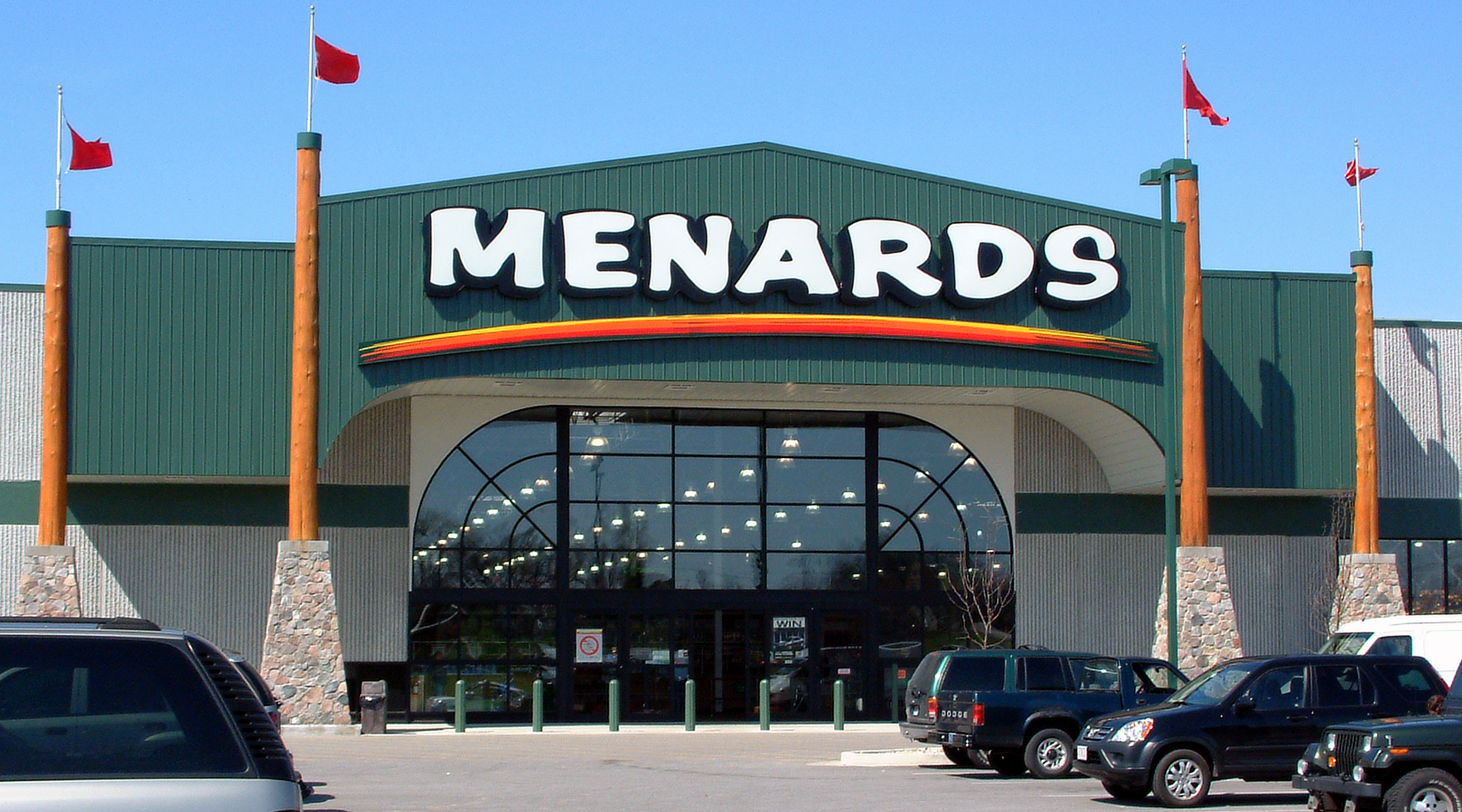
The visual identity of Menards is distinctive. The use of a bright, forest-green color palette suggests growth, reliability, and a connection to the outdoors, contrasting with the industrial orange of Home Depot or the sterile blue of Lowe’s. Inside the stores, the brand experience is intentionally “busy.” The multi-level layouts found in many flagship locations, the wide aisles filled with a dizzying array of products ranging from milk to hardwood flooring, and the ubiquitous presence of the “11% Rebate” signage create an environment of abundance. This “one-stop-shop” atmosphere reinforces the brand’s identity as a comprehensive resource for the home and life, rather than just a construction warehouse.
Strategic Differentiation: How Menards Competes Against National Titans
In brand strategy, differentiation is survival. Menards has avoided the trap of trying to out-globalize its competitors. Instead, it has focused on several key strategic differentiators that make the brand nearly impossible to displace within its territory.
Vertical Integration as a Brand Pillar
One of the most significant aspects of the Menards corporate identity is its commitment to vertical integration. Through its subsidiary, Midwest Manufacturing, Menards produces many of its own building materials, including trusses, siding, blocks, and treated lumber.
From a branding perspective, this is a genius move. It allows Menards to control the quality and price of its core products, ensuring that the “Save Big Money” promise remains true even when global supply chains fluctuate. By being the manufacturer as well as the retailer, Menards builds a brand story of self-reliance and “Made in the Midwest” pride. This verticality isn’t just a logistics choice; it is a fundamental part of how the brand presents its value to the customer—cutting out the middleman to pass savings directly to the consumer.
The Power of Regional Focus and Hyper-Local Marketing
Menards has resisted the urge for rapid, nationwide expansion, choosing instead to saturate the Midwest and surrounding regions. This regional focus allows for a hyper-local brand connection. The brand understands the specific needs of a Midwestern homeowner—seasonal demands like snow blowers in October and lawn care in April—and tailors its inventory and marketing accordingly. By dominating a specific region, Menards has achieved “top-of-mind” awareness that national brands struggle to match without spending significantly more on localized advertising.
The Marketing Engine: Consistency, Rebates, and the Human Touch

The Menards marketing strategy is a study in traditionalism meeting psychological pricing. While many brands have abandoned legacy media in favor of purely digital plays, Menards continues to dominate mailboxes and airwaves with a strategy that feels familiar and reliable.
The 11% Rebate: A Psychological Branding Masterstroke
Perhaps the most iconic element of the Menards brand is the “11% Mail-In Rebate.” This promotion has become so synonymous with the brand that it functions as a secondary identity. From a strategic standpoint, the rebate serves two purposes. First, it drives repeat foot traffic; customers must return to the store to spend their rebate checks, creating a self-sustaining cycle of brand engagement.
Second, it builds a perception of constant value. Unlike a one-time sale, the recurring nature of the rebate creates a “wait for the 11%” consumer behavior, making the brand an integral part of the customer’s financial planning for home projects. It is a masterclass in behavioral economics packaged as a simple brand perk.
Traditional Media in a Digital Age
For years, the face of Menards was Ray Szmanda, the “Menards Guy,” whose friendly, exuberant delivery of weekly specials became a cultural staple. Even after his passing, the brand maintained the same aesthetic and tone in its commercials. By sticking to a tried-and-true formula—bright lights, fast-paced item showcases, and the catchy jingle—Menards avoids the “brand drift” that often plagues long-lived companies. They know who they are, and more importantly, they know who their audience is. They don’t try to be “edgy” or “minimalist”; they stay true to the high-energy, value-driven persona that built their empire.
Operational Branding: The Store Experience as a Competitive Edge
A brand is more than a logo; it is the sum of every interaction a customer has with the company. Menards has carefully curated an in-store experience that feels different from the “big box” norm, further solidifying its unique market position.
Diversification Beyond Hardware
One of the most surprising elements for first-time Menards visitors is the grocery and pet departments. While Home Depot stays strictly within the realm of home improvement, Menards carries everything from canned goods and clothing to toys and pet food.
This diversification is a strategic branding move to increase “basket size” and “visit frequency.” By positioning itself as a hybrid between a hardware store and a general merchant, Menards becomes a more essential part of the consumer’s weekly routine. This broad product mix reinforces the brand’s identity as a utilitarian, family-centric destination.
Customer Loyalty through Tangible Value
Menards invests heavily in the concept of the “Pro” customer while never alienating the “DIY” homeowner. Their loyalty programs and contractor services are branded as partnerships rather than just transactions. By offering dedicated desks for builders and sophisticated design software for homeowners, the brand positions itself as an expert collaborator. This builds a “service-based” brand equity that transcends price, creating a barrier to entry for competitors who may offer similar products but lack the established community trust.

The Future of the Menards Brand in a Digital-First Economy
As the retail landscape shifts toward e-commerce and digital integration, Menards faces the challenge of modernizing its brand without losing its “down-home” soul.
The brand’s digital strategy has remained characteristically pragmatic. The Menards website and mobile app are designed for utility, focusing on inventory transparency and project planning tools. However, the core of the brand remains the physical store experience. The challenge for Menards moving forward will be to translate its regional, “Save Big Money” persona into a digital space that is increasingly dominated by global platforms.
By maintaining its family-owned status, Menards avoids the pressures of quarterly earnings calls that often force public companies into short-term brand decisions that alienate long-term fans. This allows the brand to play the “long game,” investing in massive, well-maintained facilities and long-term community relationships.
In conclusion, “What is Menards?” It is a regional powerhouse that has successfully used brand strategy to turn its “limitations”—its regionality and its traditionalist approach—into its greatest strengths. Through vertical integration, a relentless focus on value, and a deep understanding of its Midwestern audience, Menards has built a brand that is not just a place to buy tools, but a cultural and economic fixture of the American heartland. It serves as a potent reminder that in the world of branding, knowing exactly who you are—and who you are not—is the ultimate competitive advantage.
aViewFromTheCave is a participant in the Amazon Services LLC Associates Program, an affiliate advertising program designed to provide a means for sites to earn advertising fees by advertising and linking to Amazon.com. Amazon, the Amazon logo, AmazonSupply, and the AmazonSupply logo are trademarks of Amazon.com, Inc. or its affiliates. As an Amazon Associate we earn affiliate commissions from qualifying purchases.