
At first glance, a justice center might appear as nothing more than a building or a complex of offices where legal proceedings unfold. Yet, to understand a justice center solely through its architectural footprint or administrative functions is to miss a crucial, often overlooked, dimension: its identity as a brand. In an era where trust, transparency, and public perception are paramount for any institution, particularly those vested with the power to dispense justice, the “brand” of a justice center becomes a foundational element of its efficacy and legitimacy. It’s more than just a name or a logo; it’s the sum total of its mission, values, operations, public interactions, and the overarching promise it makes to the community it serves.

From a branding perspective, a justice center represents an institutional brand of immense significance. It is tasked with upholding the rule of law, ensuring fair process, and delivering equitable outcomes – a monumental responsibility that directly impacts the lives of individuals and the fabric of society. Therefore, understanding “what is a justice center” necessitates delving into how its identity is forged, communicated, perceived, and ultimately, trusted. This exploration moves beyond the purely functional to examine the strategic elements that define its corporate identity, influence public perception, and shape its enduring legacy.
Beyond Bricks and Mortar: Defining the Institutional Brand
The concept of a justice center, stripped down to its core, is the embodiment of justice itself within a community. But in the realm of branding, this abstract ideal must be translated into a tangible, relatable, and trustworthy identity. It’s not merely about having a legal infrastructure; it’s about communicating its purpose, establishing its authority, and fostering a relationship of trust with every citizen, from litigants to the general public.
The Core Mission as a Brand Foundation
Every successful brand begins with a clear mission, and for a justice center, this mission is inherently noble: to administer justice. This core purpose forms the bedrock of its brand identity. It encapsulates the ideals of fairness, equality, accessibility, and accountability. The brand strategy of a justice center must articulate this mission not just internally to its staff and legal professionals, but externally to all stakeholders. This involves defining what “justice” means within its specific context – whether it’s focused on restorative justice, swift adjudication, victim support, or crime prevention – and ensuring that every operational facet aligns with this declared mission. When a justice center brand consistently delivers on its mission, it builds authenticity, which is a cornerstone of brand loyalty and trust.
Stakeholder Perception and Public Trust
A justice center’s brand is not solely what it says it is; it’s largely what others perceive it to be. Stakeholders are diverse, ranging from those directly interacting with the legal system (defendants, victims, witnesses, lawyers) to community leaders, media, and the general public. Each group forms an impression based on their experiences and information, influencing the overall brand perception. Public trust is arguably the most critical asset for any justice center. A brand that is perceived as transparent, fair, and accessible will cultivate higher levels of trust, encouraging citizen cooperation and compliance with legal processes. Conversely, a brand marred by perceptions of bias, inefficiency, or corruption will struggle to gain legitimacy, undermining the very purpose it serves. Strategic branding efforts, therefore, must actively manage and nurture these perceptions, understanding that every interaction is a touchpoint that either reinforces or detracts from its desired image.
Nomenclature and Identity: The “Justice Center” Moniker
The very name “justice center” is a powerful branding choice. Unlike a “courthouse” or “police station,” the term “justice center” often implies a more holistic and integrated approach to justice. It suggests a central hub where various legal and support services converge, aiming for comprehensive solutions rather than fragmented operations. This choice of nomenclature itself communicates a modern, citizen-centric philosophy. It implies accessibility, collaboration, and a focus on outcomes that extend beyond mere legal rulings to encompass broader societal well-being. From a branding perspective, this name sets expectations, positions the institution, and shapes the narrative around its role in the community. It’s an intentional effort to differentiate and convey a commitment to a broader vision of justice.
Crafting the Brand Identity: Visuals, Voice, and Values
Just as a commercial brand invests in logos, slogans, and marketing campaigns, a justice center must strategically craft its identity through various communicative elements. This goes beyond official seals and formal pronouncements; it encompasses everything from the physical environment to digital engagement and the very language used in its communications.
Architectural and Interior Design as Brand Expression
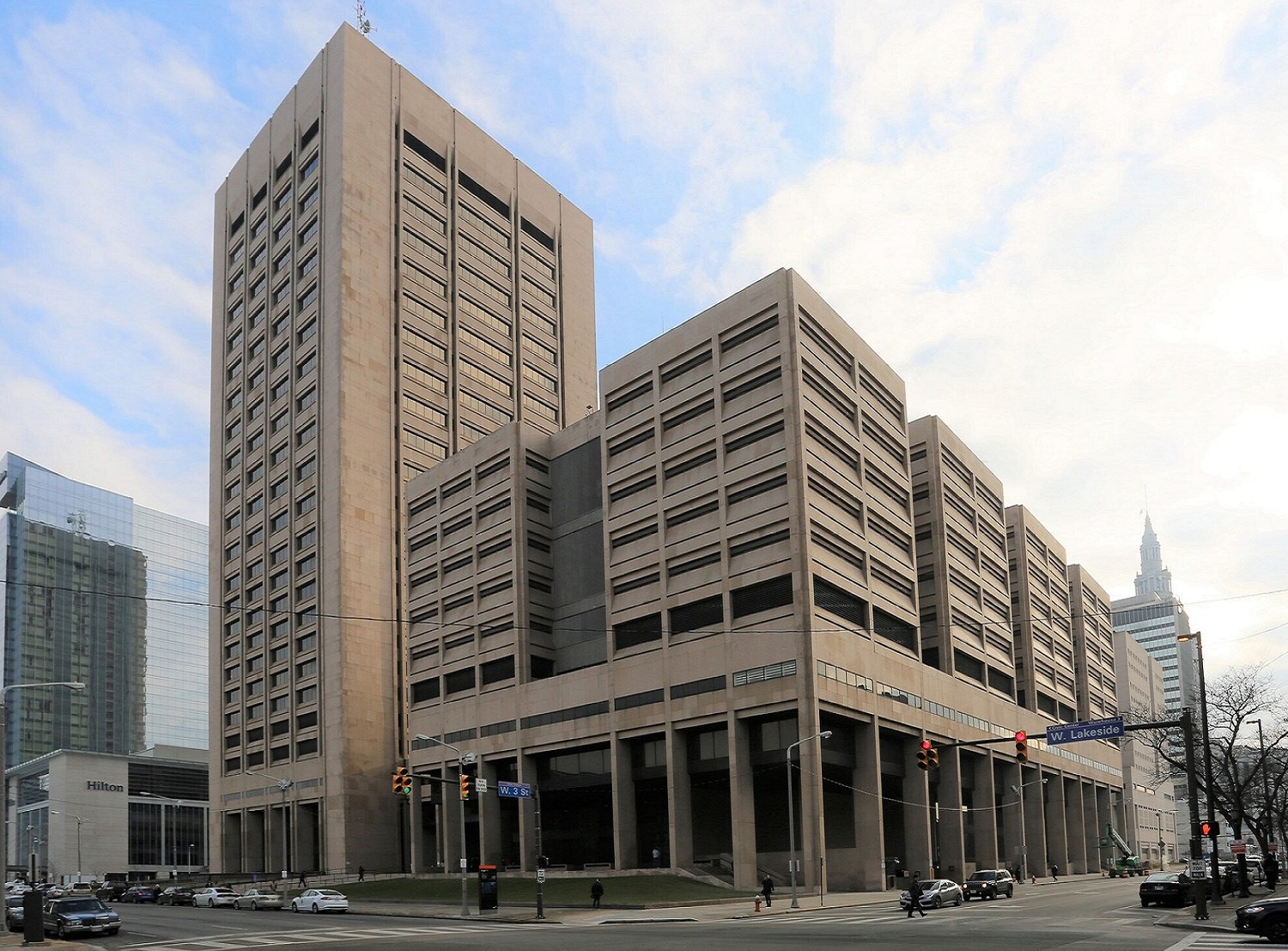
The physical space of a justice center is a powerful, albeit often unspoken, brand messenger. Its architecture, layout, and interior design communicate its values and influence user experience. A building designed to be intimidating or inaccessible might inadvertently project an image of aloofness or elitism. Conversely, a design that prioritizes natural light, clear signage, comfortable waiting areas, and integrated support services can convey a brand message of transparency, accessibility, and compassion. For instance, a welcoming lobby, clear directional cues, or dedicated children’s areas can subtly communicate a human-centered approach. From a branding perspective, the physical environment is an embodiment of the institution’s commitment to dignity, respect, and public service, creating an immediate and lasting impression that reinforces its brand promise.
Digital Presence and Communication Strategy
In the digital age, a justice center’s online presence is as critical as its physical one. A well-designed, user-friendly website, active social media channels (where appropriate), and clear online resources are essential components of its brand strategy. This digital footprint should reflect the institution’s values: transparency through readily available information, accessibility through easy navigation and multi-language options, and public service through clear guides and FAQs. The communication strategy extends to how it handles press releases, public announcements, and online inquiries. A proactive and responsive digital presence builds trust, demystifies legal processes, and offers an accessible platform for community engagement, thereby strengthening the justice center’s brand as a modern, accountable, and accessible institution. This is crucial for reputation management and ensuring the correct narrative about its operations.
The Language of Justice: Tone and Messaging
The language used by a justice center in all its communications – official documents, public statements, website content, and staff interactions – profoundly impacts its brand. Legal jargon, while necessary for precision, can create barriers for the public. A brand committed to accessibility will strive for clarity, simplicity, and empathy in its messaging. This means adopting a tone that is professional yet approachable, authoritative yet understandable. Training staff in effective communication, developing plain language guidelines, and ensuring consistent messaging across all channels are vital branding initiatives. The “voice” of the justice center brand should reflect its core values: respect for the individual, commitment to fairness, and dedication to public service. This careful curation of language helps to bridge the gap between complex legal concepts and public understanding, enhancing its perceived transparency and user-friendliness.
Building and Maintaining Brand Equity in the Public Sphere
Brand equity refers to the value a brand accrues over time based on consumer perception, trust, and loyalty. For a justice center, building brand equity is about cultivating an unshakeable reputation for integrity, effectiveness, and public service. This is an ongoing process that requires proactive engagement and robust management strategies.
Community Engagement and Outreach Programs
A strong institutional brand for a justice center isn’t built in isolation; it’s forged through active participation and integration within the community. Outreach programs, such as legal aid clinics, educational workshops, open house events, or partnerships with local non-profits, allow the justice center to connect directly with the public, demystify its operations, and address community concerns. These initiatives build positive brand associations by demonstrating a commitment to public service beyond court proceedings. They provide opportunities for the public to see the human face of justice, fostering empathy and understanding. When a justice center brand actively invests in its community, it earns goodwill, strengthens its reputation, and solidifies its place as a vital and valued community asset, ultimately bolstering its brand equity.
Transparency, Accountability, and Reputation Management
Transparency and accountability are non-negotiable pillars for any institution dealing with justice, and they are critical components of its brand integrity. A justice center brand must actively demonstrate its commitment to these values by making information readily available, explaining its decisions, and having clear processes for handling complaints or misconduct. This proactive approach to transparency, whether through open court records, public performance metrics, or accessible annual reports, builds confidence. Reputation management is an ongoing process that involves monitoring public perception, addressing misinformation swiftly and accurately, and consistently acting in accordance with its stated values. Any perceived lapse in accountability can severely damage brand equity, making it difficult to regain public trust. Therefore, a robust framework for ethical conduct and clear communication is paramount for sustaining a credible and trustworthy brand.
Crisis Communication and Brand Resilience
Even the most well-managed justice center can face crises – a high-profile controversial case, allegations of misconduct, or a significant operational failure. In such moments, the effectiveness of its crisis communication strategy determines its brand resilience. A strong brand needs a clear, empathetic, and timely response plan. This involves acknowledging the issue, taking responsibility where appropriate, outlining steps for resolution, and maintaining consistent communication with the public and media. How a justice center handles adversity speaks volumes about its character and values. A transparent and responsible approach during a crisis can actually strengthen brand trust in the long run, demonstrating integrity under pressure. Conversely, a defensive, evasive, or slow response can cause irreparable damage to its brand equity, eroding years of trust built.
The Impact of a Strong Justice Center Brand
The effort invested in building and maintaining a strong brand for a justice center yields substantial dividends, far beyond superficial recognition. It profoundly influences its operational effectiveness, its standing within the community, and its ability to achieve its fundamental mission.
Fostering Public Confidence and Participation
A strong justice center brand, characterized by trust, transparency, and accessibility, directly translates into increased public confidence. When citizens trust the institution, they are more likely to cooperate with law enforcement, serve on juries, provide testimony, and engage constructively with legal processes. This public participation is vital for the effective functioning of the justice system. Furthermore, public confidence acts as a powerful deterrent to crime, as it reinforces the belief that justice will be served fairly and efficiently. A well-regarded brand helps to legitimize the entire system, ensuring that its rulings and decisions are respected and adhered to, which is foundational for maintaining social order and equity.
Attracting Talent and Resources
Just like any leading organization, a justice center with a robust and positive brand identity is significantly more attractive to top talent. Highly skilled judges, lawyers, administrative staff, and support personnel are drawn to institutions that are respected, ethical, and effective. A strong brand communicates a commitment to excellence, professional development, and meaningful public service, making it an employer of choice in a competitive landscape. Beyond human capital, a strong brand can also facilitate the acquisition of essential resources. It enhances credibility for securing funding from governmental bodies, grants from philanthropic organizations, and support from community partners. Donors and taxpayers are more likely to invest in an institution they trust and perceive as well-managed and impactful.

Driving Systemic Reform and Social Impact
Ultimately, a strong justice center brand is a powerful catalyst for systemic reform and positive social impact. When an institution commands respect and trust, it gains the moral authority to advocate for necessary changes within the legal system and broader society. Its voice carries weight in legislative debates, policy discussions, and community dialogues about justice issues. This brand power can be leveraged to champion initiatives like criminal justice reform, victim support enhancements, alternative dispute resolution programs, or preventive measures aimed at reducing crime rates. By consistently embodying its mission and values through a cohesive brand strategy, a justice center can transcend its operational functions to become a leading force for positive societal change, fulfilling its highest purpose as a cornerstone of a just and equitable society.
In conclusion, “what is a justice center” is a question that reveals layers of institutional branding. It’s not just a physical location or a collection of legal procedures; it is a meticulously crafted, strategically communicated, and continuously managed brand that embodies justice itself. Its success hinges on its ability to build and sustain public trust through transparency, accessibility, and consistent adherence to its core mission. By understanding and strategically nurturing its brand, a justice center can amplify its impact, foster a more just society, and cement its indispensable role in the community.
aViewFromTheCave is a participant in the Amazon Services LLC Associates Program, an affiliate advertising program designed to provide a means for sites to earn advertising fees by advertising and linking to Amazon.com. Amazon, the Amazon logo, AmazonSupply, and the AmazonSupply logo are trademarks of Amazon.com, Inc. or its affiliates. As an Amazon Associate we earn affiliate commissions from qualifying purchases.