
The concept of “medium” in art, traditionally rooted in physical materials like oil paint, clay, or marble, has undergone a radical transformation in the digital age. Today, an artist’s medium extends far beyond the tangible, encompassing an expansive universe of software, algorithms, virtual environments, and networked platforms. For the modern artist, understanding what constitutes a medium for art increasingly involves navigating the intricate landscape of technology. This evolution not only offers unprecedented creative possibilities but also redefines the very essence of artistic expression and its dissemination.
The Digital Canvas: Reshaping Artistic Expression
The advent of powerful computing and sophisticated software has introduced a paradigm shift, where the screen becomes the canvas and code the pigment. This transition has democratized art creation, making advanced tools accessible to a broader audience and fostering new artistic disciplines that were previously unimaginable. The digital canvas is not merely a substitute for traditional surfaces but a distinct entity with its own unique properties, challenges, and aesthetic potential.
Beyond Pigment and Clay: A New Definition
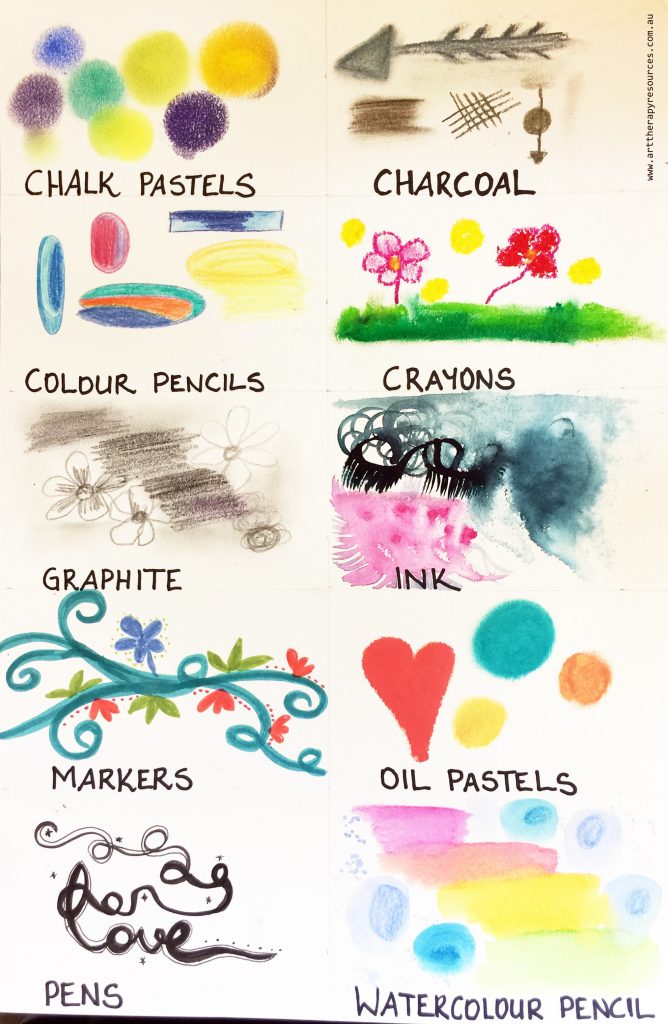
Traditionally, a medium is the material or means an artist uses to create a work of art. While oil paints offer rich texture and vibrant colors, and clay allows for sculptural form, digital mediums provide unparalleled flexibility, non-destructive editing capabilities, and the potential for interactivity and animation. The definition now includes any digital tool, application, or system that facilitates the creation, manipulation, or presentation of artistic content. This can range from a photo editing suite to a virtual reality sculpting environment, each offering a distinct “feel” and set of possibilities, much like different types of paint or drawing instruments.
The Rise of Digital Art Tools
The foundation of digital art lies in specialized software applications. These tools are the digital equivalents of brushes, chisels, and canvases, each tailored for specific artistic purposes. Mastering these applications is as fundamental for a digital artist as understanding color theory or anatomy is for a painter.
- Raster Graphics Software: Programs like Adobe Photoshop, Corel Painter, and Procreate (for iPad) are essential for painting, drawing, and photo manipulation. They operate on pixels, allowing for intricate detail and expressive brushwork, simulating traditional media with remarkable fidelity while offering unique digital capabilities such as layers, blend modes, and unlimited undo actions.
- Vector Graphics Tools: Applications such as Adobe Illustrator, Affinity Designer, and Inkscape utilize mathematical equations to create scalable artwork. This medium is ideal for logos, illustrations, typography, and designs that require crisp lines and infinite scalability without loss of quality, contrasting sharply with the pixel-based nature of raster art.
- 3D Modeling and Animation Suites: Software like Blender, Autodesk Maya, ZBrush, and Cinema 4D empower artists to sculpt, texture, rig, and animate three-dimensional objects and environments. These tools are the backbone of character design, architectural visualization, film special effects, and virtual reality experiences, offering a medium for creating immersive worlds and dynamic narratives.
Interactive and Generative Mediums: Art Beyond Static Forms
The digital realm has opened avenues for art that are not merely static images or sculptures but dynamic, responsive, and even autonomously generated experiences. These mediums challenge conventional notions of authorship, audience interaction, and the very nature of an artwork’s final form.
Game Engines and Virtual/Augmented Reality
Game engines like Unity and Unreal Engine, originally designed for video game development, have emerged as powerful artistic mediums. They provide comprehensive toolsets for building interactive 3D environments, creating compelling narratives, and prototyping immersive experiences. Artists use these engines to craft:
- Virtual Reality (VR) Art: Immersive experiences where viewers can step into an artist’s world, interact with digital sculptures, or explore narrative spaces. Tools like Tilt Brush allow artists to paint in 3D space, creating sculptures made of light and texture that can only be fully appreciated within a VR headset.
- Augmented Reality (AR) Art: Blending digital creations with the physical world, AR art superimposes virtual objects onto real-world environments viewed through a smartphone or AR glasses. This medium transforms public spaces into dynamic canvases, offering transient, context-aware artistic interventions.
Algorithmic and AI-Powered Art
Perhaps the most revolutionary shift in artistic mediums involves the integration of artificial intelligence and machine learning. Artists are now collaborating with or directing algorithms to generate entirely new forms of art, where code itself becomes a creative partner.
- Generative Art: This involves using algorithms and computational processes to create visual forms, patterns, and compositions. Artists write code that defines rules and parameters, and the algorithm then generates unique outputs. The medium here is the algorithm itself, with each execution potentially yielding a distinct artwork.
- AI Art Generators: Tools like Midjourney, DALL-E, Stable Diffusion, and Adobe Firefly leverage large language models and vast datasets to interpret text prompts or image inputs and generate novel images, styles, or even entire scenes. The artist’s role shifts from direct creation to prompt engineering, curation, and the ethical consideration of AI’s capabilities. This raises profound questions about originality, copyright, and the nature of artistic skill in an age where machines can manifest complex visual concepts almost instantly.
Platforms and Ecosystems: The Exhibition Space and Beyond
Beyond the tools of creation, the digital medium also encompasses the platforms and networks through which art is shared, exhibited, and monetized. These ecosystems are as crucial to the modern artist as galleries and auction houses were historically, providing visibility, community, and economic infrastructure.
Digital Art Marketplaces and Communities
Platforms like ArtStation, DeviantArt, Behance, and Instagram serve as vital portfolios and community hubs for digital artists. They allow artists to display their work to a global audience, receive feedback, network with peers, and attract clients. These platforms are mediums for exhibition and professional development, shaping trends and fostering collaboration. They facilitate the discovery of new talent and provide avenues for independent artists to build a following without traditional gatekeepers.
NFTs and Blockchain as a Medium for Ownership
The emergence of Non-Fungible Tokens (NFTs) and blockchain technology has introduced a new dimension to digital art, particularly concerning ownership and provenance. While the art itself remains digital, the NFT functions as a unique digital certificate of authenticity and ownership, recorded on a decentralized ledger.
- Scarcity and Value: NFTs provide a mechanism to create verifiable scarcity for digital works, which are otherwise infinitely replicable. This transforms digital files from commodities into unique, collectible assets.
- Decentralized Marketplaces: Platforms like OpenSea, SuperRare, and Foundation serve as marketplaces where NFTs can be minted, bought, and sold, establishing a new economic model for digital artists that often includes creator royalties on secondary sales. In this context, the blockchain itself becomes a medium—a secure, transparent ledger that enables new forms of artistic commerce and ownership. The smart contracts embedded within NFTs can even dictate how the art behaves or how royalties are distributed, making the code a part of the artwork’s functional medium.
The Future of Artistic Mediums: Blurring Realities
The trajectory of artistic mediums is undeniably towards increasing integration with technology, blurring the lines between the digital and the physical, and constantly expanding the definition of what art can be. Artists will continue to push the boundaries of these technological mediums, experimenting with new forms of expression.

Hybrid and Experiential Forms
The future will likely see further convergence of traditional and digital mediums, giving rise to hybrid art forms. Expect to see more art that incorporates real-time data, bio-feedback, neuro-technology, and even genetic engineering. These emerging mediums will not just be tools but integral components of the artwork’s concept and experience, inviting audiences into deeper, more personalized, and often interactive encounters with art. The exploration of computational photography, sensor-based installations, and living art forms powered by synthetic biology signifies a profound re-evaluation of the artist’s toolkit and the very concept of artistic creation.
In essence, “medium for art” has transcended its material origins to encompass a vast, interconnected digital ecosystem. From the algorithms that generate images to the blockchain that authenticates them, technology is not just enabling art but becoming intrinsic to its definition, creation, and experience. Understanding this evolving landscape is crucial for anyone engaging with contemporary art, whether as a creator, collector, or enthusiast.
aViewFromTheCave is a participant in the Amazon Services LLC Associates Program, an affiliate advertising program designed to provide a means for sites to earn advertising fees by advertising and linking to Amazon.com. Amazon, the Amazon logo, AmazonSupply, and the AmazonSupply logo are trademarks of Amazon.com, Inc. or its affiliates. As an Amazon Associate we earn affiliate commissions from qualifying purchases.