
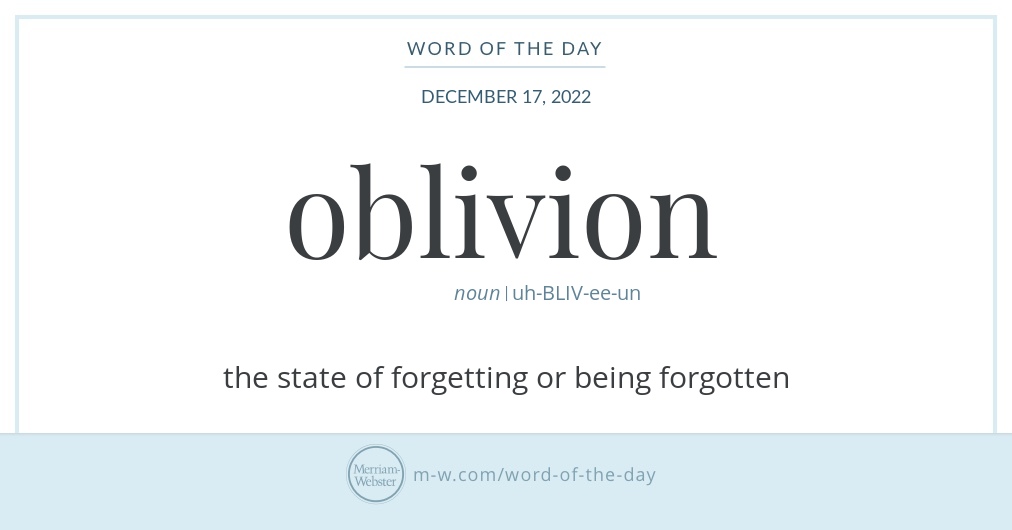
The word “oblivion” conjures images of fading memories, lost histories, and a complete cessation of existence. But in the context of our hyper-connected, technologically driven, and financially focused world, the meaning of oblivion takes on new and complex dimensions. It’s no longer just about personal forgetfulness; it’s about the potential for data erasure, brand disappearance, financial ruin, and the erosion of digital identities. This article explores the multifaceted meaning of oblivion as it pertains to our contemporary existence, drawing parallels and contrasts across the realms of technology, branding, and finance.
The Technological Abyss: Where Data and Digital Lives Vanish
In the digital age, oblivion is a very real and often terrifying prospect. Our lives are increasingly lived online, documented in vast streams of data. From personal photos and social media posts to sensitive financial transactions and professional documents, a significant portion of our existence resides in the cloud or on digital devices. The meaning of oblivion here directly relates to the loss or inaccessibility of this data.
Data Erasure and the Digital Footprint
The concept of a digital footprint is well-established. Every click, every search, every interaction leaves a trace. But what happens when that trace is deliberately erased, or worse, accidentally lost?
Intentional Oblivion: Digital Deletion and the Right to be Forgotten
The desire to disappear digitally is growing. Whether it’s to escape past mistakes, protect privacy, or simply to start anew, individuals are seeking ways to achieve a form of digital oblivion. Technologies and legal frameworks like the “right to be forgotten” are attempts to grant individuals control over their online presence. However, achieving true oblivion is an arduous task. Data is often replicated across multiple servers, cached by search engines, and archived by various entities. Even when data is deleted from one platform, fragments can persist elsewhere, making complete erasure a significant challenge.
- The Challenge of Centralized vs. Decentralized Data: Cloud storage, while convenient, can become a single point of failure. If a service goes offline permanently, or if a data breach leads to widespread deletion, users can face an abrupt and irreversible form of oblivion for their digital assets. Conversely, decentralized systems, while more resilient, can also make it harder to enforce deletion requests, leading to a different kind of persistent presence that may feel like a form of digital haunting rather than oblivion.
- The Role of AI in Data Management and Erasure: Artificial Intelligence tools are increasingly being used to manage and organize vast amounts of data. This can lead to more efficient retrieval and organization, but also raises concerns about AI’s potential role in accidental or intentional data deletion. Imagine an AI tasked with optimizing storage that misinterprets a command and wipes critical files. The sophistication of AI in understanding and manipulating data means that the pathways to oblivion can be both more sophisticated and more prone to automated error.
Accidental Oblivion: System Failures, Cyberattacks, and Data Loss
Beyond intentional erasure, oblivion in the digital realm frequently stems from unforeseen events. System crashes, hardware failures, ransomware attacks, and natural disasters can all lead to the permanent loss of valuable data. For businesses, this can mean the end of operations, the loss of customer trust, and severe financial repercussions. For individuals, it could mean the irretrievable loss of cherished memories, important documents, or critical financial information.
- The Peril of Inadequate Backups: A fundamental defense against digital oblivion is robust backup and recovery strategies. Yet, many individuals and businesses neglect this crucial step, leaving themselves vulnerable to catastrophic data loss. The meaning of oblivion, in this context, is the stark reality of permanently losing what was once readily accessible.
- The Evolving Threat Landscape of Digital Security: As technology advances, so do the methods of cybercriminals. Sophisticated malware, phishing attacks, and zero-day exploits can bypass even the most advanced security measures, leading to data breaches and potential oblivion for sensitive information. The constant arms race between security professionals and hackers means that vigilance is paramount, and a lapse in security can lead to a swift descent into digital oblivion.
The Demise of Digital Identities
Our online personas – our social media profiles, professional networks, and digital credentials – form a significant part of our identity. The loss or compromise of these identities can feel like a form of oblivion, stripping away a carefully constructed digital self.
- Account Deactivation and Permanent Deletion: When a social media account is deactivated or permanently deleted, it’s not just a profile that disappears; it’s a curated collection of memories, connections, and expressions. For some, this is a deliberate act of shedding a past self. For others, it might be a consequence of platform policy violations or account suspension, leaving them with a sense of digital displacement and loss.
- Identity Theft and the Perversion of Oblivion: In a twisted sense, identity theft can also lead to a form of oblivion for the victim’s true identity. When someone’s digital identity is stolen and used for malicious purposes, the victim can find themselves struggling to reclaim their reputation, their finances, and their sense of self. Their authentic digital presence effectively fades into the background, replaced by a fraudulent imitation, creating a disorienting and disempowering form of digital oblivion.
The Brand’s Vanishing Act: From Icon to Irrelevance
In the world of business and marketing, oblivion signifies a brand’s descent into obscurity. It’s the fate of companies and products that fail to adapt, innovate, or connect with their audience, ultimately fading from the marketplace and public consciousness.
The Erosion of Brand Identity and Reputation
A strong brand identity is built over years, if not decades, of consistent messaging, quality products, and positive customer experiences. Oblivion, in this context, is the gradual or sudden decay of this carefully constructed edifice.
Failed Marketing and Outdated Strategies
Brands that fail to keep pace with evolving consumer preferences, technological shifts, or market dynamics are destined for oblivion. This can manifest in various ways:
- Marketing Missteps and Ineffective Campaigns: A poorly conceived marketing campaign can damage a brand’s reputation beyond repair. If a brand’s messaging becomes tone-deaf, offensive, or simply irrelevant, it risks alienating its existing customer base and failing to attract new ones. This can lead to a rapid decline in sales and a slide into oblivion.
- Neglecting Digital Transformation: In today’s landscape, a brand’s online presence is paramount. Companies that fail to embrace digital marketing, e-commerce, and social media engagement are essentially choosing oblivion. Their competitors, who are actively leveraging these tools, will inevitably capture market share and attention.
- Ignoring Market Trends and Consumer Evolution: The marketplace is a dynamic entity. Brands that remain stagnant, clinging to outdated products or services, will eventually be left behind. The rapid pace of innovation means that what was once cutting-edge can quickly become obsolete.
Reputational Damage and the Permanent Scar
A significant crisis, scandal, or consistent pattern of poor customer service can inflict irreparable damage on a brand’s reputation. This damage can lead to a loss of trust, customer boycotts, and a swift journey towards oblivion.

- The Power of Negative Word-of-Mouth and Social Media Backlash: In the age of social media, negative experiences can spread like wildfire. A single viral complaint or a well-publicized scandal can decimate a brand’s reputation overnight, leaving it struggling to recover. The speed and reach of online communication make it easier than ever for brands to fall into oblivion.
- The Long Shadow of Ethical Lapses and Corporate Misconduct: Brands that engage in unethical practices, such as deceptive advertising, exploitative labor, or environmental negligence, risk facing prolonged public outcry and sustained boycotts. The consequences of such actions can be so severe that they lead to permanent brand obsolescence.
The Rise and Fall of Digital Brands
The digital landscape has given rise to entirely new categories of brands and businesses. However, the ephemeral nature of online trends and the intense competition mean that many of these brands are also susceptible to rapid oblivion.
- The Fleeting Nature of Viral Trends: Brands built on viral marketing campaigns or catering to fleeting internet fads can experience meteoric rises followed by equally rapid falls into oblivion. Their success is often tied to a moment in time, and without a strategy for sustained relevance, they quickly become forgotten.
- The Dominance of Tech Giants: The tech industry, in particular, is characterized by intense competition and rapid consolidation. Smaller startups, even those with innovative ideas, can be quickly overshadowed or acquired by larger players, or simply fail to gain traction in a crowded market, leading to their disappearance.
The Financial Abyss: Ruin, Irrelevance, and Lost Opportunities
In the realm of personal and business finance, oblivion represents a state of extreme financial distress, irrelevance, or the complete loss of financial well-being. It’s the outcome of poor financial decisions, market downturns, or a failure to adapt to evolving economic realities.
Personal Finance and the Specter of Indebtedness
For individuals, financial oblivion is a descent into overwhelming debt, poverty, and the inability to meet basic needs. It’s the consequence of unchecked spending, lack of savings, and poor investment choices.
The Cycle of Debt and the Loss of Financial Freedom
Accumulating unmanageable debt can lead to a vicious cycle of interest payments, late fees, and a shrinking ability to manage finances. This can result in:
- Bankruptcy and the Legal Oblivion of Assets: Filing for bankruptcy is a legal process that can offer a fresh start, but it also signifies a period of financial oblivion, where assets are liquidated, credit is severely damaged, and financial freedom is temporarily lost.
- The Inability to Access Credit and Basic Services: Severe debt and a poor credit history can make it incredibly difficult to obtain loans, mortgages, and even rent an apartment. This can lead to a form of social and economic oblivion, limiting opportunities and perpetuating financial hardship.
- The Psychological Toll of Financial Strain: The stress and anxiety associated with financial hardship can be debilitating, leading to mental health issues and a sense of hopelessness. This psychological burden can be a significant aspect of financial oblivion.
Missed Investment Opportunities and Stagnant Wealth
Conversely, oblivion can also manifest as a lack of financial progress. Individuals who fail to invest, who are too risk-averse, or who make consistently poor investment choices can find their wealth stagnating or even diminishing over time. This leads to a form of financial irrelevance in a world where others are growing their wealth.
- The Compounding Power of Inaction: The magic of compounding is a cornerstone of wealth building. Those who fail to invest miss out on this powerful mechanism, meaning their money doesn’t grow as effectively as it could, leaving them further behind those who actively participate in the market.
- The Pitfalls of “Get Rich Quick” Schemes: The allure of easy money can lead individuals into fraudulent schemes, resulting in the complete loss of their investments. This is a swift and brutal path to financial oblivion, driven by greed and a lack of due diligence.
Business Finance and Corporate Collapse
For businesses, financial oblivion typically means bankruptcy and closure. This can be caused by a multitude of factors, from poor management to economic downturns.
Poor Financial Management and Cash Flow Crises
A company’s inability to manage its finances effectively is a primary driver of corporate collapse. This includes:
- Inadequate Budgeting and Financial Planning: Businesses that lack clear financial goals, fail to track expenses, or mismanage their budgets are setting themselves up for failure.
- Cash Flow Problems and Liquidity Issues: Even profitable companies can fail if they don’t have enough cash on hand to meet their short-term obligations. This can lead to a domino effect, where the inability to pay suppliers or employees triggers a cascade of problems.
- Over-leveraging and Excessive Debt: Taking on too much debt can cripple a company, making it vulnerable to interest rate hikes and economic downturns. The burden of debt repayment can become insurmountable, leading to financial oblivion.
Market Disruptions and Economic Downturns
External factors can also push businesses into oblivion. Rapid technological shifts, new competitors, and broader economic recessions can leave even well-managed companies struggling to survive.
- Disruptive Technologies and the Failure to Adapt: Companies that are slow to embrace new technologies or whose core business models are rendered obsolete by innovation risk becoming irrelevant. The obsolescence of Blockbuster Video in the face of streaming services is a classic example.
- Economic Recessions and Consumer Spending Contraction: During economic downturns, consumer spending often decreases, impacting businesses across all sectors. Companies that are heavily reliant on discretionary spending are particularly vulnerable.

Conclusion: Navigating the Perils of Oblivion in the Modern World
The meaning of oblivion is not static; it evolves with the world around us. In the interconnected age of technology, branding, and finance, oblivion is no longer a passive state of being forgotten but an active and often brutal process of erasure, irrelevance, and ruin.
From the disappearing data and digital identities in the tech sphere, to the fading brand recognition and reputational damage in marketing, and the crushing weight of debt and corporate collapse in finance, the threats of oblivion are pervasive. Understanding these different facets of oblivion is crucial for navigating our complex modern world. It requires vigilance, foresight, adaptability, and a commitment to robust strategies – whether it’s digital security, brand building, or financial planning – to avoid the ultimate fade into the void. The pursuit of stability, relevance, and prosperity is, in essence, a continuous effort to resist the encroaching specter of oblivion.
aViewFromTheCave is a participant in the Amazon Services LLC Associates Program, an affiliate advertising program designed to provide a means for sites to earn advertising fees by advertising and linking to Amazon.com. Amazon, the Amazon logo, AmazonSupply, and the AmazonSupply logo are trademarks of Amazon.com, Inc. or its affiliates. As an Amazon Associate we earn affiliate commissions from qualifying purchases.