
Efficiency, at its core, is the art and science of achieving maximum output with minimum input. In the world of finance—spanning personal wealth management, investing, business operations, and online income generation—this concept isn’t merely a desirable trait; it’s a fundamental pillar for success, growth, and sustainability. To be efficient financially means to optimize resources, reduce waste, and accelerate progress towards monetary goals. It’s about working smarter, not just harder, to ensure every dollar, every minute, and every decision contributes optimally to your financial prosperity.
The Core Concept of Efficiency in Finance
Understanding efficiency in a financial context goes beyond a simplistic definition. It delves into the strategic deployment and management of resources to yield superior outcomes. This foundational understanding is critical, whether you’re managing a household budget or overseeing the balance sheet of a multinational corporation.
Input vs. Output: The Fundamental Ratio
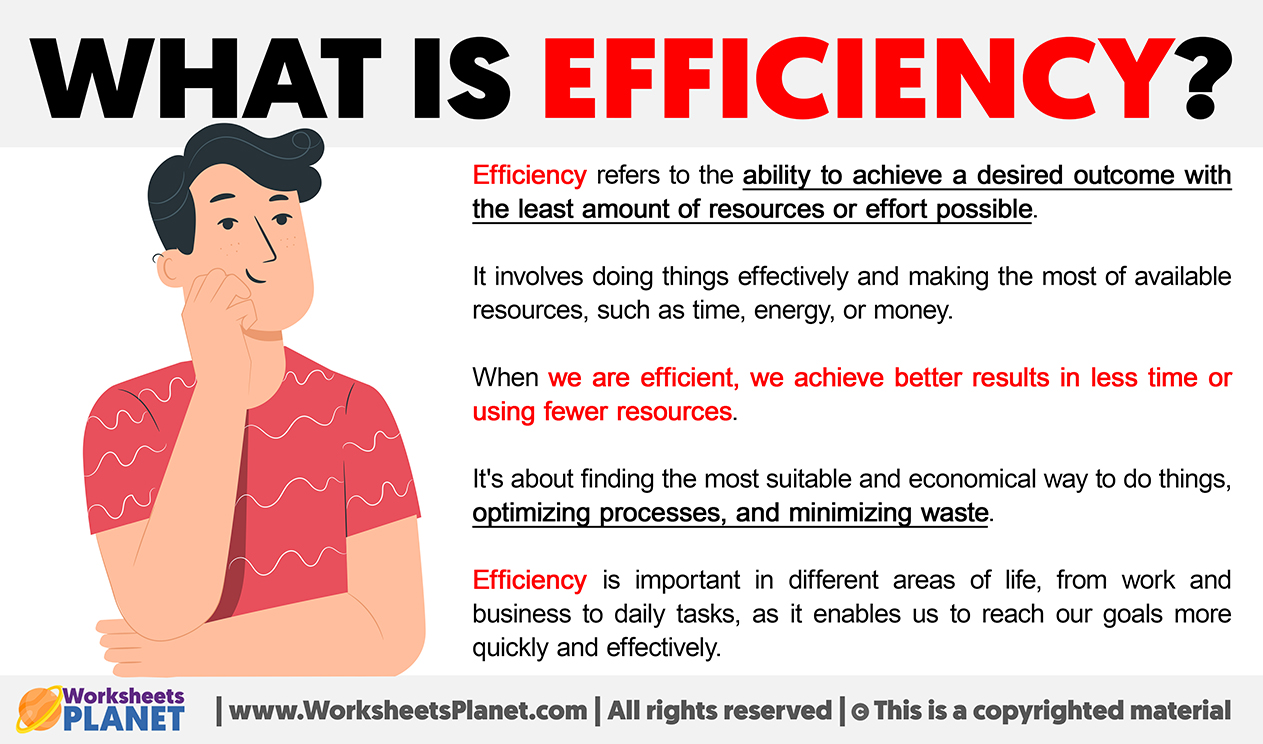
At its most basic, efficiency is a ratio: output divided by input. In finance, inputs can include capital, time, effort, and even emotional energy. Outputs, on the other hand, represent tangible financial results: profits, savings, investment returns, debt reduction, or increased cash flow. An efficient financial strategy is one that consistently improves this ratio, generating more value from fewer resources. For instance, an efficient investment portfolio generates higher returns relative to its risk and fees, while an efficient business operation produces more goods or services with lower operational costs. The relentless pursuit of an improved input-output ratio drives innovation and competitiveness in all financial spheres.
Beyond Cost-Cutting: Strategic Resource Allocation
While often associated with cost-cutting, true financial efficiency is a far more nuanced and strategic endeavor. It’s not just about spending less, but about spending better. This means making informed decisions about where to allocate capital, time, and effort to maximize their impact. For a personal investor, this might mean choosing low-cost index funds over actively managed funds with high fees, or automating savings to remove decision fatigue. For a business, it could involve investing in technology that automates repetitive tasks, thereby freeing up human capital for more strategic initiatives, or optimizing supply chains to reduce lead times and inventory costs. Strategic resource allocation ensures that every unit of input is directed towards opportunities that promise the highest return and align with long-term financial objectives, fostering growth rather than merely preserving capital.
Efficiency in Personal Finance
For individuals, cultivating financial efficiency is paramount for building wealth, achieving financial freedom, and navigating economic uncertainties. It directly impacts how quickly one can reach goals like homeownership, retirement, or educational funding.
Budgeting and Spending: Streamlining Your Cash Flow
Efficient budgeting is not about deprivation; it’s about intentionality. It involves understanding where every dollar goes and aligning spending with personal values and financial goals. An efficient budget automates savings, prioritizes debt repayment, and allocates discretionary funds wisely, ensuring that income is not just consumed but actively works towards future wealth. Tools like budgeting apps, automated transfers to savings accounts, and regular expense tracking can streamline this process, minimizing manual effort while maximizing financial control. The goal is to move from reactive spending to proactive financial management, where your money flows effortlessly towards your desired outcomes.
Debt Management: Accelerating Freedom
Debt can be a significant drain on financial resources. Efficient debt management involves strategies that accelerate repayment and minimize interest accrual. Methods like the “debt avalanche” (paying off highest interest debt first) or the “debt snowball” (paying off smallest debt first for motivational wins) are efficient in their approach to eliminating liabilities. Furthermore, consolidating high-interest debts into a lower-interest loan can reduce monthly payments and overall interest costs, freeing up capital for other financial priorities. The efficiency here lies in reducing the cost of borrowing and shortening the timeline to debt freedom, thereby freeing up cash flow for investing and wealth building.
Investing for Optimal Returns: Time and Diversification
Efficient investing emphasizes maximizing returns while managing risk and minimizing costs. This often translates to strategies like dollar-cost averaging into diversified portfolios of low-cost index funds or ETFs. This approach capitalizes on the power of compounding over time, reduces market timing risk, and minimizes fees that erode returns. Efficient investors also understand the importance of asset allocation tailored to their risk tolerance and financial horizon, regularly rebalancing their portfolios to maintain their desired mix. The efficiency comes from leveraging market growth consistently, avoiding behavioral biases, and keeping investment expenses to a minimum, ensuring that more of your money works for you.
Efficiency in Business and Online Income
In the commercial world, efficiency directly correlates with profitability, competitiveness, and scalability. Businesses, from small online ventures to large enterprises, constantly seek ways to optimize their operations and financial performance.
Operational Efficiency: Maximizing Profitability
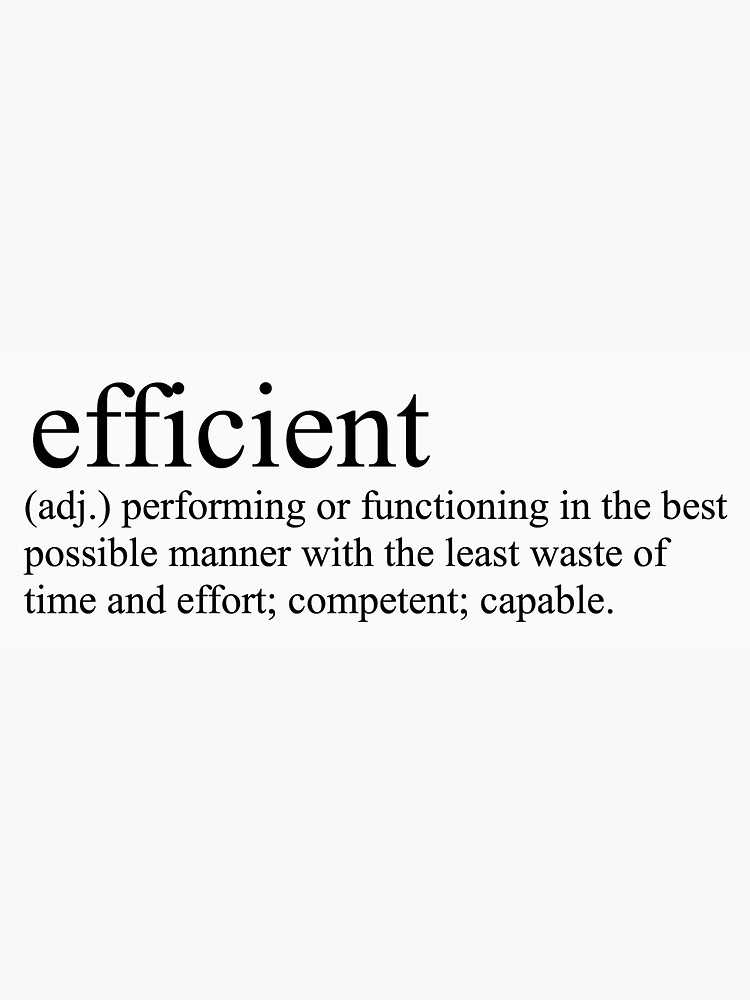
Operational efficiency is the cornerstone of a profitable business. It involves optimizing processes, reducing waste (in terms of time, materials, and effort), and enhancing productivity. This could mean automating customer service responses, streamlining supply chain logistics, implementing lean manufacturing principles, or optimizing inventory management. By minimizing the resources required to produce goods or services, businesses can improve their profit margins, reduce their pricing, or reinvest savings into growth initiatives. Financial metrics such as gross profit margin, operating expense ratio, and inventory turnover ratio are key indicators of a business’s operational efficiency.
Time Management and Automation for Entrepreneurs
For entrepreneurs and those generating online income, time is often the most valuable, yet finite, resource. Efficient time management is crucial for scaling a business or side hustle. This involves prioritizing high-impact tasks, delegating or outsourcing non-core activities, and leveraging automation tools. Automating email marketing sequences, social media posting, invoicing, or appointment scheduling can free up significant time, allowing entrepreneurs to focus on strategic growth, content creation, or client acquisition. The efficiency gained here is not just about saving hours but about redirecting those hours towards revenue-generating and value-adding activities.
Financial Tools and Technologies for Enhanced Efficiency
The modern financial landscape is rich with tools designed to enhance efficiency. For businesses, accounting software (like QuickBooks, Xero), enterprise resource planning (ERP) systems, and customer relationship management (CRM) platforms streamline financial reporting, automate data entry, and integrate various business functions. For individuals, personal finance apps, investment platforms with automated rebalancing, and tax preparation software simplify complex tasks and reduce errors. These technologies minimize manual intervention, improve accuracy, provide real-time insights, and enable better, faster financial decision-making, thereby acting as powerful enablers of financial efficiency.
The Long-Term Impact of an Efficient Mindset
Embracing an efficient mindset is not a one-time task but a continuous journey that yields profound long-term benefits, fostering not just wealth but also resilience and peace of mind.
Sustainable Wealth Creation
A consistent focus on financial efficiency leads to sustainable wealth creation. By systematically optimizing inputs and outputs, individuals and businesses can build a robust financial foundation that withstands economic fluctuations and supports long-term growth. Efficient saving habits compound over decades, efficient investment strategies mitigate risk, and efficient business operations generate consistent profits. This sustained approach to financial management is what differentiates fleeting success from enduring prosperity.
Resilience and Adaptability
Financial efficiency also builds resilience. When resources are optimized and waste is minimized, there is a greater buffer against unexpected expenses, market downturns, or economic shifts. Efficiently managed finances provide the flexibility to adapt to new opportunities or challenges without derailing long-term goals. For a business, this might mean having adequate cash reserves to navigate a slow period or the agility to pivot to a new market demand. For an individual, it translates to having an emergency fund and diversified investments that can absorb financial shocks, ensuring continued progress even when faced with adversity.
Measuring and Improving Financial Efficiency
To truly harness the power of efficiency, it must be measurable and subject to continuous improvement. Without metrics, it’s difficult to assess progress or identify areas for optimization.
Key Performance Indicators (KPIs)
Both personal and business finance benefit from tracking relevant Key Performance Indicators (KPIs). For personal finance, these might include savings rate, debt-to-income ratio, net worth growth, or investment return on equity. For businesses, KPIs such as return on investment (ROI), profit margins, operating cash flow, inventory turnover, or customer acquisition cost (CAC) provide crucial insights into financial health and operational efficiency. Regularly monitoring these KPIs allows for objective assessment of current efficiency levels and identifies specific areas that require attention.
Continuous Optimization
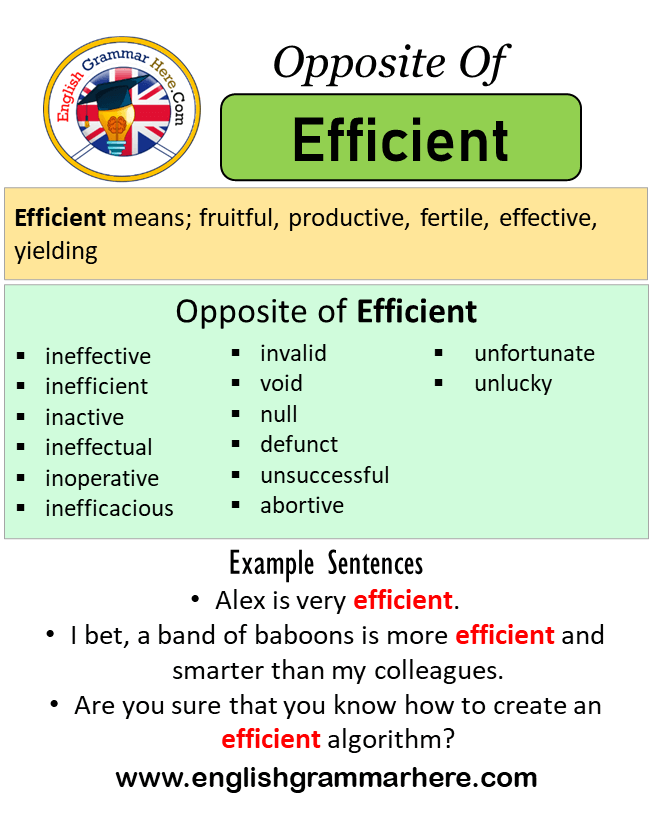
Efficiency is not a static state; it’s a dynamic process of continuous optimization. This involves regularly reviewing financial strategies, processes, and tools to identify new opportunities for improvement. It means staying informed about new financial products, technologies, and market trends. For an individual, this might entail reviewing investment allocations annually or seeking ways to reduce recurring expenses. For a business, it could involve implementing new software, retraining staff, or re-evaluating supplier contracts. The commitment to ongoing analysis and adjustment ensures that financial efficiency remains at its peak, continuously driving better outcomes with optimized inputs. By embracing this relentless pursuit of “doing more with less,” individuals and organizations can unlock their full financial potential and achieve lasting success.
aViewFromTheCave is a participant in the Amazon Services LLC Associates Program, an affiliate advertising program designed to provide a means for sites to earn advertising fees by advertising and linking to Amazon.com. Amazon, the Amazon logo, AmazonSupply, and the AmazonSupply logo are trademarks of Amazon.com, Inc. or its affiliates. As an Amazon Associate we earn affiliate commissions from qualifying purchases.