
In the landscape of modern software development and digital entertainment, few titles have demonstrated the sheer technical complexity and architectural depth of Baldur’s Gate 3 (BG3). Developed by Larian Studios, this title serves as a masterclass in translating a complex tabletop ruleset—Dungeons & Dragons 5th Edition—into a robust, interactive software environment. For users and developers alike, one of the most significant points of discussion surrounding the game’s design is its level cap. Unlike many contemporary Role-Playing Games (RPGs) that offer endless progression or caps reaching level 50 or 100, Baldur’s Gate 3 implements a strict maximum level of 12.
From a tech-centric perspective, this choice is not arbitrary. It represents a calculated balance between software stability, mechanical complexity, and the limitations of high-tier computational simulation. This article explores the technical nuances of the level 12 cap, the underlying software architecture that supports character progression, and the optimization strategies required to reach the pinnacle of the game’s digital ecosystem.
The Software Architecture of Progression: Why Level 12?
The decision to cap Baldur’s Gate 3 at level 12 is a fascinating study in software engineering and game design. In the Dungeons & Dragons framework, as characters progress beyond level 12, they gain access to “Level 7” spells and beyond. These abilities—such as Teleport, Plane Shift, or Wish—introduce variables that are notoriously difficult to account for in a scripted digital environment.
The Complexity of High-Tier Spell Simulation
In a digital simulation, every player action must be accounted for within the game’s code. When a character reaches level 13 and gains 7th-level spells, the scope of player agency expands exponentially. From a programming standpoint, implementing a spell like Wish would require the software to interpret virtually any player request, which is a near-impossible task for current AI and branching logic systems without creating game-breaking bugs. By capping the level at 12, Larian Studios ensured that the software remains stable and that every ability available to the player is fully realized, animated, and integrated into the world’s reactive systems.
Balancing the Divinity Engine 4.0
Baldur’s Gate 3 runs on a proprietary engine known as the Divinity Engine 4.0. This engine is designed for high levels of environmental interactivity, where almost every object in the game world is a physics-enabled entity. As characters increase in level, their power to manipulate these entities grows. Level 12 represents the “sweet spot” for the engine’s processing capabilities. It allows for spectacular, high-impact combat maneuvers and spells (like Chain Lightning or Globe of Invulnerability) without overwhelming the CPU’s ability to calculate complex environmental interactions, lighting effects, and AI pathfinding simultaneously.
Technical Strategies for Reaching the Level Cap
Achieving level 12 in Baldur’s Gate 3 is a journey through a dense digital landscape. Because the game utilizes a finite amount of Experience Points (XP) available through specific interactions, reaching the cap requires an optimized approach to exploring the game’s software “nodes”—its quests, combat encounters, and environmental triggers.
Optimization of XP Gain Algorithms
The game’s XP system is programmed to reward “milestone” activities and creative problem-solving. To reach the max level efficiently, users must engage with the game’s branching narrative logic. The software doesn’t just track kills; it tracks state changes in the world. For instance, bypassing a combat encounter through high-difficulty “Persuasion” or “Deception” checks often yields the same XP as the combat itself. This encourages a “technical” playstyle where the user manipulates the game’s social simulation variables to maximize growth while minimizing resource expenditure.
Multiclassing: The Complexity of Software Synergy
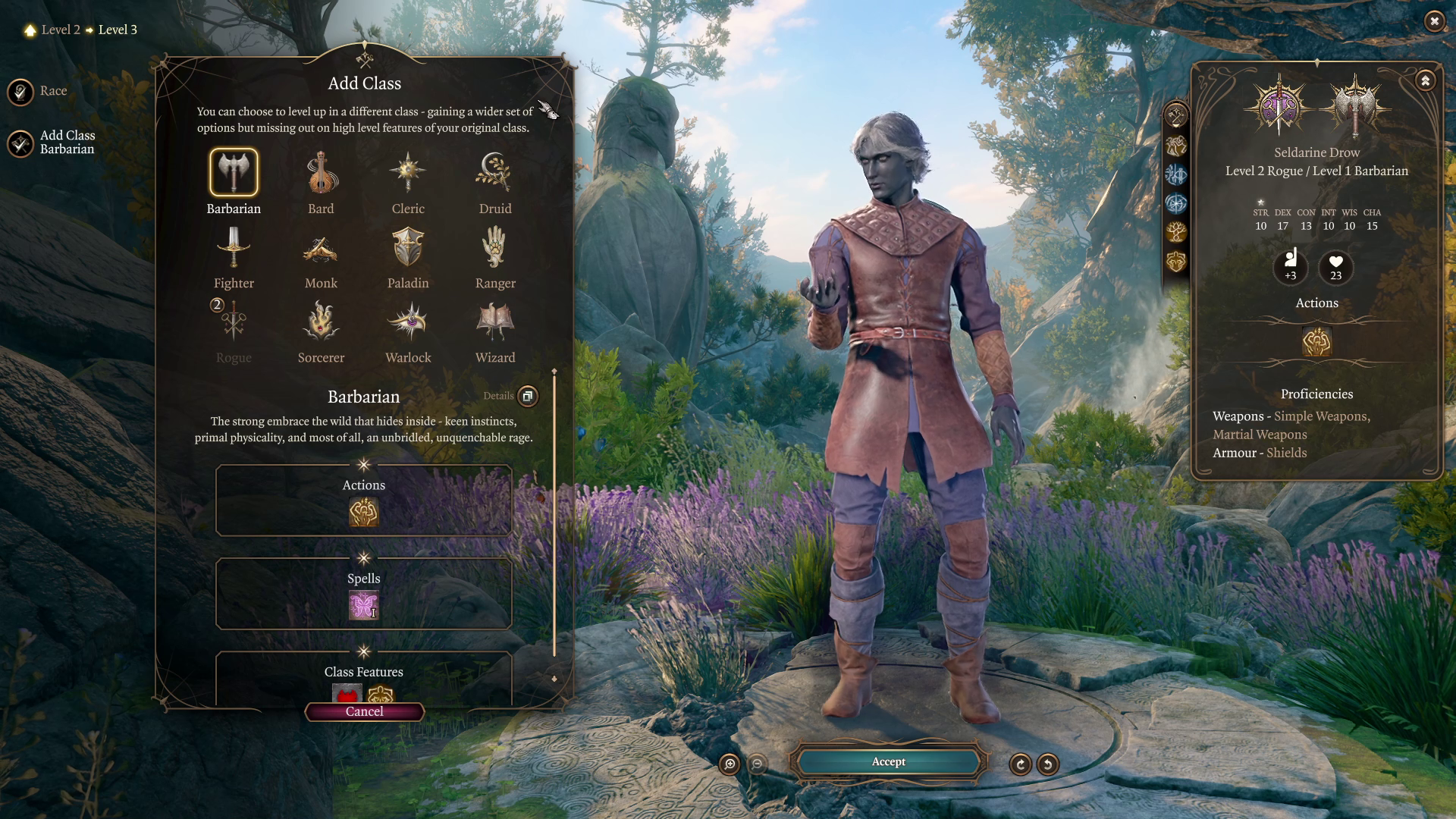
One of the most advanced technical features of BG3’s progression system is multiclassing. This allows a single character entity to draw from the data tables of multiple different classes (e.g., a Fighter/Wizard hybrid). While the max level remains 12, the way those 12 levels are distributed across the software’s class modules can drastically change the character’s performance.

From a technical standpoint, multiclassing requires the game to manage complex overlapping “if/then” statements. If a player takes five levels in Paladin and seven in Warlock, the software must correctly calculate “Spell Slot” scaling and “Extra Attack” redundancies. Optimizing a multiclass build is essentially an exercise in data synergy—finding the specific combination of class features that produce the highest damage-per-second (DPS) or utility within the 12-level constraint.
The Impact of High-Level Abilities on System Performance
As players approach the level cap, the sheer volume of data being processed during a single turn of combat increases significantly. A level 12 character has access to a wide array of “Passives,” “Reactions,” and “Active Abilities” that the game’s engine must constantly monitor.
Rendering High-Level Visual Effects (VFX)
Level 6 spells—the highest tier available at level 12—are visual and computational heavyweights. Spells like Sunbeam or Heroes’ Feast involve complex particle systems, dynamic lighting, and status-effect overlays for the entire party. The tech behind these effects is designed to be scalable, but at level 12, the density of these effects during a large-scale battle (such as those found in the game’s third act) tests the limits of GPU optimization. The game employs sophisticated culling and LOD (Level of Detail) algorithms to ensure that even when the screen is filled with high-level magical effects, the frame rate remains consistent.
Managing Complex Combat AI
At the maximum level, the AI’s “decision tree” must become significantly more sophisticated. Enemy NPCs at high levels are programmed to counter the player’s level 12 capabilities. This involves a technical process known as “Tactical AI Scaling,” where the software analyzes the player’s positioning, active buffs, and potential threats to determine the most efficient counter-move. The interaction between a level 12 player and high-level AI creates a high-load computational environment where the engine must simulate hundreds of potential outcomes in milliseconds to provide a challenging and fair experience.
The Digital Future: Beyond the Level 12 Cap
While the official software cap is level 12, the tech community surrounding Baldur’s Gate 3 has already begun looking toward the future. The game’s modular design and support for modding tools have opened the door for community-led expansions of the progression system.
Modding and Software Extensibility
The “Level 20” mod is one of the most popular technical modifications available for BG3. This mod demonstrates the extensibility of Larian’s code. By tapping into the existing data structures for high-level D&D spells (some of which were partially coded but left unimplemented in the final release), modders have been able to “unlock” the cap. However, this often highlights why the level 12 cap was implemented in the first place: at level 20, the game’s balance breaks, and the engine frequently encounters logic loops that the original developers avoided by setting a more stable limit.
Potential for Expansion and DLC
From a software lifecycle perspective, a level cap can always be increased through patches or downloadable content (DLC). If Larian Studios were to increase the cap to 14 or 16 in a future update, it would require a massive technical overhaul of the game’s Act 3 environments to accommodate the increased power. This would involve re-coding encounter scaling, adding new high-tier assets, and potentially upgrading the engine’s ability to handle “reality-bending” spells.
Conclusion: The Technical Mastery of Level 12
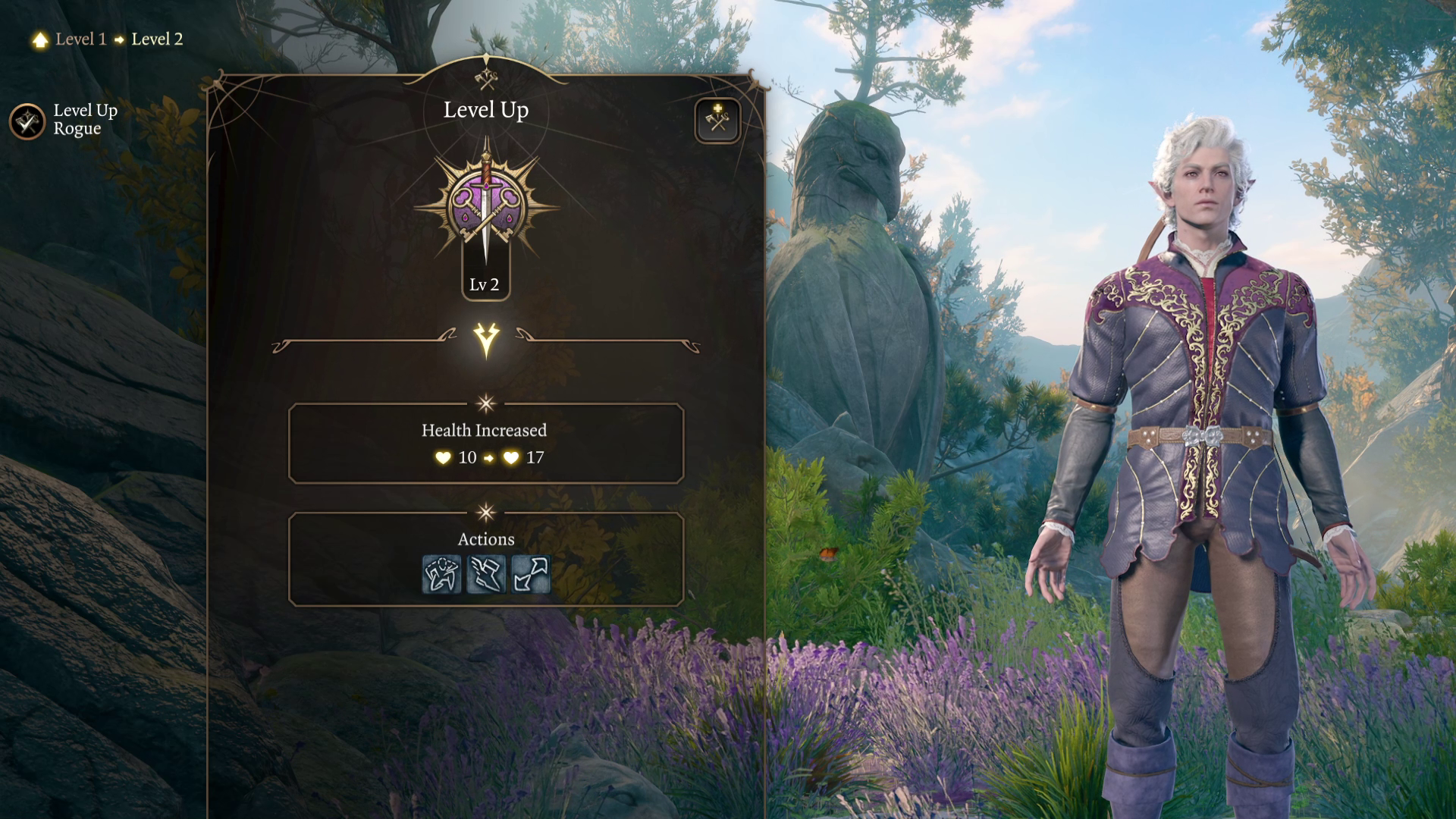
Baldur’s Gate 3’s level 12 cap is a testament to the philosophy of “quality over quantity” in software design. By limiting the scope of character progression, Larian Studios was able to build a deeper, more reactive, and technically stable simulation than would have been possible with a higher cap. Every level gained from 1 to 12 feels impactful because the software architecture supports meaningful changes in gameplay mechanics and environmental interaction at every stage.
For the tech-savvy player, the max level in BG3 is not just a number—it represents the boundary of a highly sophisticated digital playground. Navigating the journey to level 12 requires an understanding of the game’s underlying systems, from XP gain algorithms to the synergistic potential of multiclassing. As we look forward to the future of the RPG genre, the technical successes of Baldur’s Gate 3’s progression system will likely serve as a blueprint for how to balance player power with software performance in increasingly complex virtual worlds.
aViewFromTheCave is a participant in the Amazon Services LLC Associates Program, an affiliate advertising program designed to provide a means for sites to earn advertising fees by advertising and linking to Amazon.com. Amazon, the Amazon logo, AmazonSupply, and the AmazonSupply logo are trademarks of Amazon.com, Inc. or its affiliates. As an Amazon Associate we earn affiliate commissions from qualifying purchases.