
In the global marketplace of entertainment, music is often viewed through the lens of artistry and emotion. However, from a strategic perspective, a music genre is much more than a collection of similar tempos or harmonic structures. In the world of marketing and corporate identity, a genre serves as a primary brand framework—a taxonomy that allows creators to communicate a specific value proposition to a targeted audience. For a brand strategist or a corporate entity entering the creative space, understanding “what is a genre” is essential to mastering market segmentation, consumer loyalty, and brand positioning.

A genre is, essentially, a set of shared expectations. It is a promise made by the artist (the brand) to the listener (the consumer) regarding the experience they are about to have. Whether it is the rebellious energy of Punk, the sophisticated precision of Classical, or the rhythmic innovation of Hip-Hop, genre provides the structural blueprint for building a recognizable and repeatable brand identity.
The Brand Identity of Sound: More Than Just a Category
At its core, a genre functions as a brand’s visual and auditory DNA. When we ask what a genre is in a branding context, we are looking at the stylistic markers that distinguish one “product” from another in a saturated market. Just as a luxury fashion house uses specific fabrics and logos to signal its status, a musical genre uses specific sonic textures and cultural tropes to signal its identity.
Genre as a Value Proposition
Every successful brand offers a unique value proposition. In music, the genre defines what that value is. A consumer “buying into” the Lo-fi Beats genre is seeking a specific utility: focus, relaxation, or background ambiance. Conversely, a consumer engaging with Heavy Metal is often seeking catharsis or community. By aligning with a genre, an artist adopts a pre-established value proposition, allowing them to instantly communicate their brand’s purpose to potential followers without needing to reinvent the wheel.
The Visual Language of Musical Branding
Genre is rarely limited to sound; it extends into a comprehensive visual identity. From album art and typography to fashion and stage design, genre dictates the brand’s aesthetic. Consider the “Corporate Identity” of K-Pop: it is characterized by high-production music videos, synchronized choreography, and hyper-stylized fashion. This visual consistency is a hallmark of strong branding, ensuring that the consumer recognizes the genre’s “brand” even before the first note is played. This holistic approach ensures that the brand is cohesive across all touchpoints.
Consumer Segmentation and the Psychology of Genre
In brand strategy, market segmentation is the process of dividing a broad consumer base into subgroups based on shared characteristics. In the music industry, genre is the ultimate segmentation tool. It allows labels and independent artists to identify exactly who their “Ideal Customer Profile” (ICP) is and how to reach them.
Target Audience Alignment
Different genres attract different psychographic profiles. For instance, the branding of Indie Folk often targets consumers who value authenticity, nature, and storytelling—often an audience that overlaps with sustainable lifestyle brands and artisanal products. By understanding the nuances of a genre, brand managers can execute highly targeted marketing campaigns. If a brand knows its music falls within the “Synthwave” genre, it can focus its advertising spend on platforms and communities that value 1980s nostalgia and retro-futurism.
Building Community Through Niche Identification
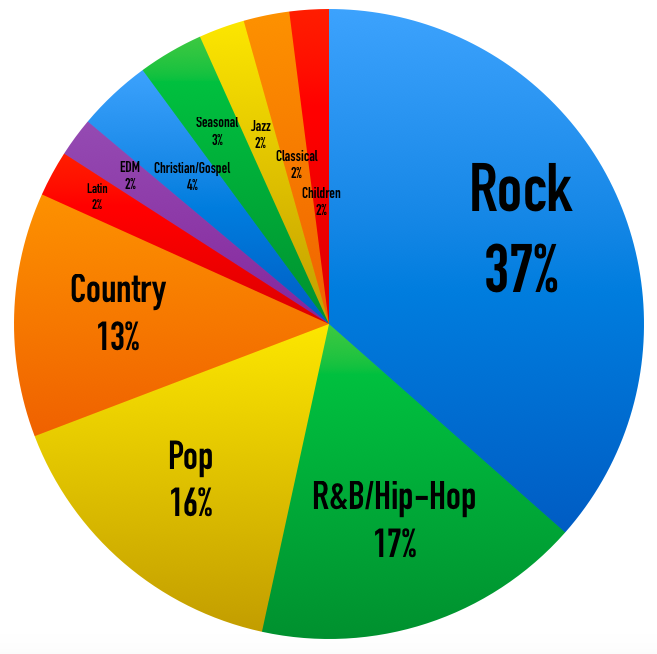
One of the most powerful aspects of branding is the creation of a “brand community.” Music genres are perhaps the world’s most successful examples of this. Genres like Country or Electronic Dance Music (EDM) do not just have customers; they have “tribes.” These communities are built on shared values and shared language. For a brand, being rooted in a specific genre means having access to a built-in community that facilitates word-of-mouth marketing and high levels of brand advocacy. The genre acts as a social signifier, helping consumers find “people like them.”
Strategic Positioning: How Artists Use Genre to Pivot or Dominate
In the corporate world, positioning is how a brand occupies a distinct place in the mind of the consumer. In music, artists use genre strategically to position themselves against competitors or to expand their market reach. This is often seen in how artists navigate “Genre Fluidity” or “Genre Pivoting.”
The Cross-Genre Collaboration Strategy
Co-branding is a common corporate tactic, and in music, this takes the form of cross-genre collaboration. When a Pop artist features a Rapper on a track, they are essentially performing a brand merger. They are looking to capture a segment of the Hip-Hop market while offering the Rapper access to the broader Pop demographic. This strategic move expands the brand equity of both parties and allows them to test new market territories with reduced risk.
Rebranding Through Genre Evolution
Successful brands must evolve to stay relevant. In music, this often involves a shift in genre. A classic example of a successful strategic rebrand is Taylor Swift’s transition from Country to Pop. By gradually shifting her genre markers, she managed to retain her core audience (the brand loyalists) while successfully penetrating the massive global Pop market. This was not just an artistic choice; it was a masterful execution of brand repositioning that increased her market share exponentially.
Corporate Strategy: How Labels and Platforms Use Genre Data
For streaming platforms like Spotify, Apple Music, and YouTube, genre is a data point that drives their entire business model. These platforms use genre as a primary metric for their recommendation algorithms, which are designed to increase “customer retention” and “time on platform.”
Curated Playlists and Algorithm-Driven Brand Awareness
The modern “Playlist” is the digital equivalent of a curated brand collection. Platforms categorize music into “mood-based” or “activity-based” genres (e.g., “Productivity Pop” or “Midnight Blues”). For an artist, getting placed on one of these playlists is a major win for brand awareness. It places their “product” in front of consumers who are already primed to enjoy that specific genre-brand, significantly lowering the barrier to discovery and conversion.
Genre Ownership and Market Share
Major record labels often seek to “own” a specific genre category within a region. By signing the top five artists in a burgeoning genre like Afrobeats or Reggaeton, a label can effectively control the market share for that sound. This is a vertical integration strategy: they control the production, the marketing, and the distribution of the genre’s leading brands, allowing them to dictate trends and maximize ROI across the entire category.
The Future of Genre in a Post-Categorical Era
As digital tools make music production and distribution more accessible, the traditional boundaries of genre are beginning to blur. We are entering an era of “post-genre” music, where the most successful brands are those that can navigate multiple categories simultaneously. However, this does not mean genre is dead; it means the strategy of genre is becoming more sophisticated.

Maintaining Brand Consistency in a Fluid Market
In a world where an artist might release a Trap song one week and a Rock ballad the next, maintaining a “Brand Essence” is more important than ever. The genre may change, but the core brand values—the “Why” behind the music—must remain consistent. Brands that successfully navigate this fluidity are often those that view genre not as a cage, but as a wardrobe. They choose the “outfit” (the genre) that best fits the specific campaign or message they want to convey at that moment.
In conclusion, a music genre is the ultimate strategic tool for branding in the creative economy. It provides the framework for identity, the roadmap for consumer segmentation, and the data points for corporate growth. For any entity looking to make an impact in the world of sound, the question is not just “what is a genre,” but “which genre brand will we build to win the market?” By treating genre as a sophisticated branding mechanism, artists and companies can move beyond mere noise and create a lasting, resonant legacy.
aViewFromTheCave is a participant in the Amazon Services LLC Associates Program, an affiliate advertising program designed to provide a means for sites to earn advertising fees by advertising and linking to Amazon.com. Amazon, the Amazon logo, AmazonSupply, and the AmazonSupply logo are trademarks of Amazon.com, Inc. or its affiliates. As an Amazon Associate we earn affiliate commissions from qualifying purchases.