
The smart home ecosystem is rapidly evolving, and with it, the need for interoperability and seamless integration between devices. For years, consumers have grappled with a fragmented landscape of proprietary protocols and walled gardens, leading to frustration when trying to build a truly connected home. Enter Matter, a revolutionary connectivity standard aiming to bridge these divides. At the forefront of this movement are smart locks, a critical component of home security and convenience. Understanding what a “Matter-compatible lock” signifies is essential for anyone looking to invest in a future-proofed, interconnected smart home.
The Foundation: Understanding Matter
Before delving into the specifics of Matter-compatible locks, it’s crucial to grasp the core principles of Matter itself. Matter, developed by the Connectivity Standards Alliance (CSA), is an open-source, IP-based connectivity standard designed to enhance interoperability and simplify the development of smart home products. Its primary goal is to ensure that devices from different manufacturers can communicate and work together effortlessly, regardless of their underlying technology.

The Need for Interoperability
The smart home market, while offering immense potential, has historically been plagued by a lack of interoperability. Consumers often found themselves locked into specific ecosystems, such as Apple HomeKit, Google Home, or Amazon Alexa, purchasing devices that were only compatible within that chosen ecosystem. This led to a confusing and often expensive experience, where users might own several smart devices that couldn’t interact with each other. For example, a smart light bulb designed for one platform might not work with a smart hub from another, forcing users to choose between functionality and ecosystem loyalty. Matter seeks to eliminate this fragmentation by establishing a universal language that all compliant devices can understand.
Key Pillars of Matter
Matter is built upon several key pillars that contribute to its robust and user-friendly design:
- IP-Based Connectivity: Matter leverages existing IP-based network technologies, including Wi-Fi and Thread, allowing devices to communicate directly with each other and with the internet. This eliminates the need for proprietary hubs that often acted as translators, simplifying network architecture.
- Thread Protocol: Thread is a low-power, low-data-rate wireless networking protocol specifically designed for IoT devices. It creates a mesh network, meaning devices can relay messages for each other, extending range and improving reliability. This is particularly important for battery-powered devices, like many smart locks.
- Bluetooth Low Energy (BLE): BLE is used for initial device commissioning and setup, making it easy for users to add new Matter devices to their network through their smartphone or tablet.
- Bridging Capabilities: Matter is designed to be extensible, allowing older technologies and protocols to connect to the Matter network through bridges. This ensures that existing smart home investments are not rendered obsolete.
- Security at its Core: Matter implements robust security measures, including end-to-end encryption and device authentication, to protect user data and prevent unauthorized access to their smart home devices.
Defining a Matter-Compatible Lock
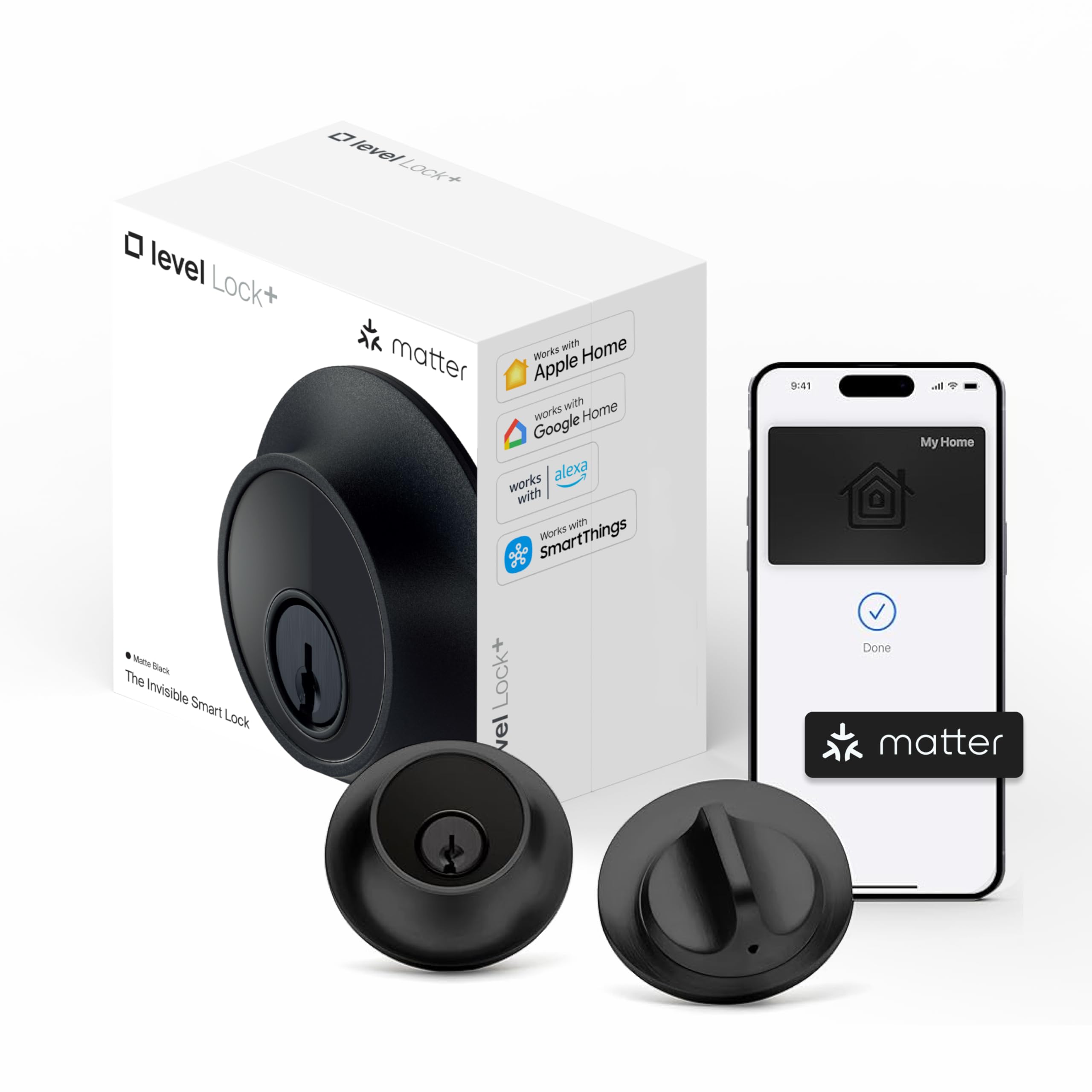
A Matter-compatible lock is, quite simply, a smart lock that adheres to the Matter connectivity standard. This means it can be seamlessly integrated into any Matter-enabled smart home ecosystem, allowing for control and automation through various platforms and applications. The “compatibility” aspect is paramount, distinguishing it from traditional smart locks that might only work with a specific manufacturer’s app or hub.
How Matter Enhances Smart Locks
The integration of Matter into smart locks brings several significant advantages for consumers:
- Universal Control: A Matter-compatible lock can be controlled by any Matter-certified controller, such as a Google Nest Hub, Amazon Echo, Apple HomePod, or a dedicated Matter app. This eliminates the need to juggle multiple apps to manage different smart devices.
- Simplified Setup: The onboarding process for Matter devices is designed to be straightforward. Typically, users can scan a QR code or enter a setup code using their smartphone, and the lock will be automatically discovered and added to their Matter network. This significantly reduces the technical barrier to entry for smart home enthusiasts.
- Enhanced Automation: With a Matter-compatible lock, users can create more sophisticated and unified automations. For instance, a “goodnight” scene could automatically lock the Matter-compatible door lock, turn off Matter-compatible lights, and adjust the thermostat, all triggered by a single command or schedule.
- Future-Proofing: As more smart home devices adopt the Matter standard, investing in a Matter-compatible lock ensures that your security system will continue to integrate with new devices and platforms as they emerge. This protects your investment and avoids the need for premature upgrades due to compatibility issues.
- Increased Reliability: By leveraging Thread’s mesh networking capabilities, Matter-compatible locks can benefit from increased range and resilience. If one device in the Thread network goes offline, others can reroute messages, ensuring continued connectivity and responsiveness.
The Technical Underpinnings of Matter Locks
From a technical perspective, a Matter-compatible lock incorporates specific hardware and software components that enable it to communicate using the Matter protocol. This typically involves:
- Wi-Fi or Thread Radio: The lock will be equipped with either a Wi-Fi radio for direct connection to the home network or a Thread radio for participation in a Thread mesh network. Many Matter devices, including locks, are designed to support both for maximum flexibility.
- Matter-Certified Chipset: The heart of a Matter-compatible lock is a certified chipset that handles the Matter protocol stack, including message routing, data encryption, and device commissioning.
- Secure Element: A secure element is a dedicated hardware component designed to protect sensitive cryptographic keys and perform secure operations, ensuring the integrity and confidentiality of the lock’s communications.
- Software Stack: The lock runs a specific software stack that implements the Matter application layer, defining how the lock’s functionalities (e.g., lock/unlock, status reporting) are exposed to the Matter ecosystem.
The Role of Matter-Compatible Locks in Home Security
Smart locks have always been positioned as a significant upgrade in home security and convenience. The addition of Matter compatibility elevates this role by integrating them seamlessly into a broader, more intelligent security network.
Beyond Simple Locking and Unlocking
A Matter-compatible lock offers more than just remote locking and unlocking capabilities. It can become an active participant in a comprehensive home security strategy:
- Integration with Sensors: When a Matter-compatible lock is linked to other Matter-enabled sensors, such as motion detectors or door/window sensors, it can trigger more complex security routines. For example, if a window sensor is triggered while the front door lock is unlocked, it could immediately send an alert to the homeowner’s phone and activate an alarm.
- Automated Security Protocols: Users can program sophisticated automation rules. For instance, if the lock detects an unauthorized entry attempt (e.g., multiple failed unlock attempts), it can be configured to send an immediate notification, trigger internal lights to turn on, and even alert emergency services if integrated with a compatible security monitoring service.
- Guest Management: Matter compatibility simplifies the management of temporary access for guests or service providers. Instead of sharing physical keys or relying on proprietary apps, users can grant temporary Matter access through their preferred Matter ecosystem, which can be easily revoked.
- Activity Logging: While many smart locks offer activity logs, Matter ensures that these logs can be accessed and potentially aggregated with other security event data from different devices within the Matter ecosystem, providing a more holistic view of home activity.
Addressing Security Concerns in the Smart Home
While the convenience of smart locks is undeniable, security concerns have always been a primary consideration. Matter addresses these concerns head-on through its stringent security requirements:
- End-to-End Encryption: All communication between Matter devices, including the lock and its controller, is encrypted end-to-end. This means that even if data is intercepted, it is unreadable without the proper decryption keys.
- Device Attestation: Every Matter-certified device undergoes a rigorous attestation process, verifying its authenticity and ensuring it is a genuine Matter product. This helps prevent counterfeit or compromised devices from entering the network.
- Secure Commissioning: The process of adding a new Matter device to the network is secured through cryptographic challenges and authentication, ensuring that only authorized users can add devices.
- Regular Updates: The Matter standard is designed to be updated regularly to address evolving security threats and introduce new features. Manufacturers of Matter-compatible locks are expected to provide firmware updates to maintain the security and functionality of their devices.
The Future of Matter-Compatible Locks and the Smart Home
The advent of Matter and, by extension, Matter-compatible locks, signals a significant shift towards a more unified and user-centric smart home experience. This standardization is poised to accelerate innovation and broaden the adoption of smart home technology.
Interoperability as a Catalyst for Innovation
The universal nature of Matter removes a significant barrier to innovation. Developers can now focus on creating compelling features and user experiences without being constrained by the need to support multiple proprietary protocols. This will likely lead to a more diverse and feature-rich market of smart locks and other smart home devices.
- New Use Cases: As more devices become interoperable, entirely new use cases for smart locks will emerge. Imagine a Matter-compatible lock that can automatically adjust its locking state based on the arrival of a specific Amazon Alexa or Google Assistant recognized voice command, or even based on the location data of your Matter-compatible smartphone.
- Enhanced Energy Efficiency: While not directly tied to security, the integration with other Matter devices can contribute to energy efficiency. For instance, a Matter-compatible lock could signal a Matter-compatible thermostat to adjust energy settings when the last person leaves the house and the door is locked.
- Simplified Smart Home Management: The ultimate goal is a smart home that is intuitive and responsive. Matter-compatible locks are a key piece in achieving this, enabling users to manage their home security and other smart devices from a single, cohesive interface.
What to Look for in a Matter-Compatible Lock
When considering a Matter-compatible lock for your home, several factors are important beyond just the “Matter-compatible” label:
- Certifications: Ensure the lock is officially certified by the CSA as a Matter device. Look for the Matter logo on the packaging or product description.
- Connectivity Options: Decide whether you prefer Wi-Fi, Thread, or a dual-mode device for your home network. Thread offers better mesh networking and lower power consumption, while Wi-Fi offers direct internet connectivity.
- Security Features: Beyond Matter compatibility, evaluate the lock’s inherent security features, such as robust deadbolt mechanisms, tamper detection, and encryption standards.
- Battery Life: For battery-powered locks, battery life is a critical consideration, especially when relying on Thread for efficient power consumption.
- User Interface and App Experience: Even with Matter, the manufacturer’s app will likely still offer advanced settings and customization. Consider the usability and feature set of the accompanying app.
- Integration with Your Ecosystem: While Matter aims for universality, it’s still good practice to ensure the lock integrates well with your primary smart home ecosystem (e.g., Google Home, Apple HomeKit, Amazon Alexa) for ease of use.
In conclusion, a Matter-compatible lock represents the future of smart home security and convenience. By adhering to a universal standard, these devices promise to break down ecosystem barriers, simplify setup, enhance automation capabilities, and bolster home security through robust encryption and interoperability. As the Matter standard continues to mature and gain wider adoption, Matter-compatible locks will become an indispensable component of any modern, interconnected, and secure smart home.
aViewFromTheCave is a participant in the Amazon Services LLC Associates Program, an affiliate advertising program designed to provide a means for sites to earn advertising fees by advertising and linking to Amazon.com. Amazon, the Amazon logo, AmazonSupply, and the AmazonSupply logo are trademarks of Amazon.com, Inc. or its affiliates. As an Amazon Associate we earn affiliate commissions from qualifying purchases.