
Marvel Rivals represents a significant entry into the competitive online gaming landscape, positioning itself as a fast-paced, 6v6 team-based hero shooter. Developed by NetEase Games and featuring the iconic intellectual property of Marvel Comics, the game is designed to immerse players in dynamic multiversal conflicts, leveraging advanced game design principles and a robust technical framework. At its core, Marvel Rivals is a software application built for exhilarating player-versus-player (PvP) combat, characterized by a diverse roster of Marvel heroes and villains, strategic team play, and an emphasis on environmental interaction and destruction.
The Premise: A Multiversal Showdown and Core Gameplay Loop
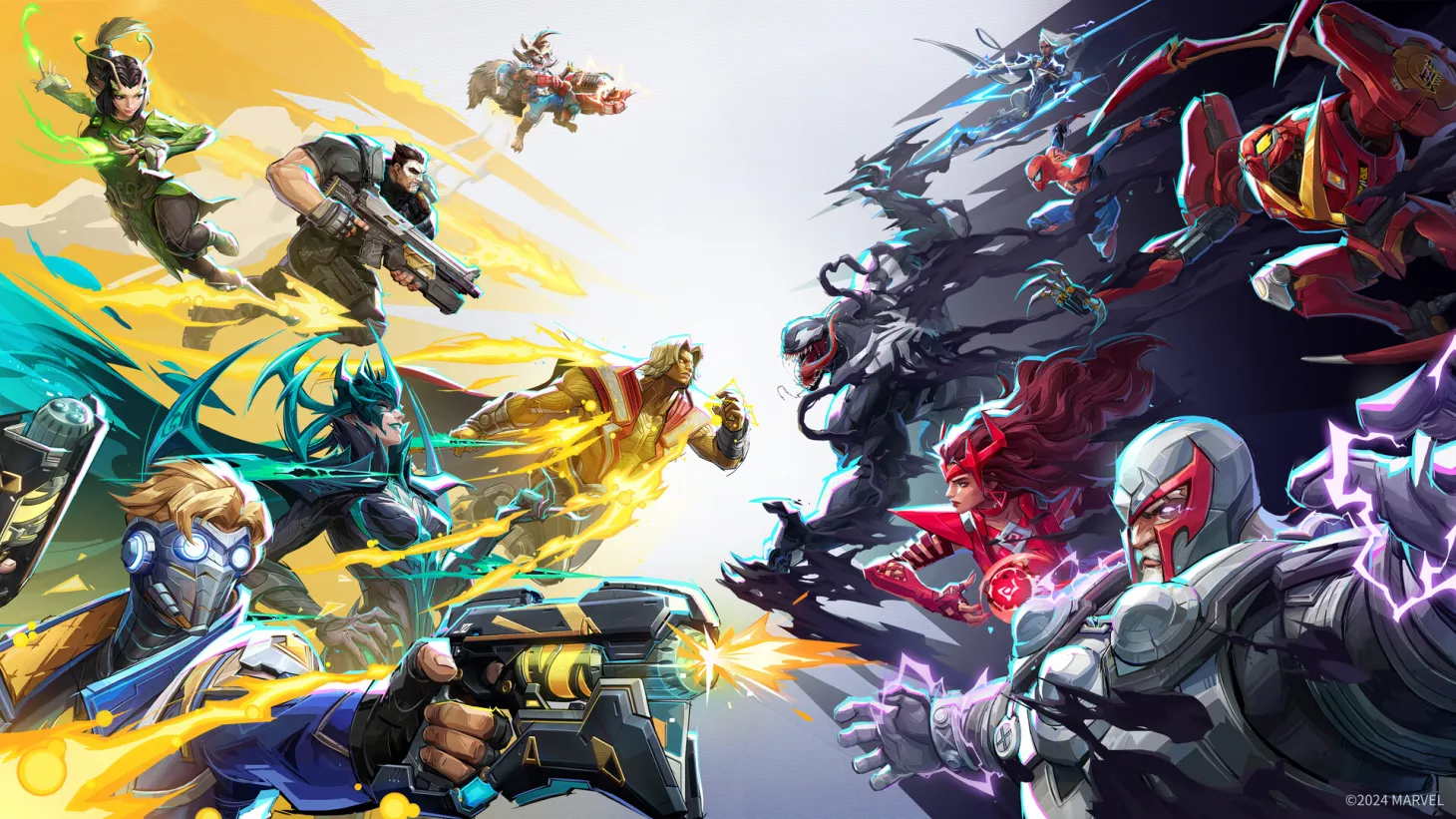
Marvel Rivals plunges players into an unfolding narrative where an enigmatic event has forced countless universes to collide, resulting in the “Temporal Anomaly.” This cataclysmic convergence creates the perfect backdrop for heroes and villains from across the Marvel multiverse to clash in high-stakes battles. The game’s premise is not just a narrative device but a foundational element that justifies its expansive character roster and diverse battlegrounds, each meticulously rendered to reflect various Marvel locales.

The core gameplay loop revolves around objective-based team combat. Players select from a growing roster of iconic Marvel characters, each possessing a distinct set of abilities, a unique role within the team (e.g., damage, tank, support), and specific tactical advantages. Matches typically involve two teams of six players competing to complete objectives, which can range from capturing control points and escorting payloads to eliminating specific targets. Success hinges not only on individual skill but, more crucially, on effective team composition, synergistic ability usage, and real-time strategic adjustments. The software’s matchmaking algorithms aim to create balanced teams, ensuring competitive integrity and an engaging experience for players of varying skill levels.
The game distinguishes itself through its dynamic environment system. Battlegrounds are not static arenas but interactive spaces where player actions can cause significant environmental destruction and alteration. This feature adds a layer of tactical depth, as players can manipulate the terrain to create new pathways, expose enemies, or secure advantageous positions. Furthermore, Marvel Rivals introduces a unique “Team-Up Skill” mechanic. When two specific characters are played together on a team, they can activate a powerful combined ability, leading to spectacular cinematic attacks and game-changing strategic opportunities. This system encourages experimentation with character pairings and fosters deep team coordination, underscoring the game’s emphasis on integrated tactical gameplay facilitated by intricate coding and animation systems.
Technical Foundations and Platform Strategy
As a modern competitive title, Marvel Rivals relies on a sophisticated technical infrastructure to deliver a seamless and responsive gaming experience. While specific details about its proprietary engine remain under wraps, it is evident that the development team has invested heavily in optimizing performance, graphics fidelity, and network stability. The game targets the PC platform primarily, a strategic choice that allows for a broader reach within the competitive gaming community and leverages the robust hardware capabilities of modern gaming rigs. This focus implies a commitment to high frame rates, detailed visual effects, and crisp graphical rendering, crucial for the fast-paced nature of a hero shooter.
Graphics and Performance Optimization
The visual design of Marvel Rivals blends stylized aesthetics with detailed character models and vibrant environmental art. This approach requires powerful rendering pipelines to handle complex character animations, particle effects from abilities, and real-time environmental destruction without compromising performance. Optimization techniques likely include dynamic resolution scaling, efficient asset streaming, and multi-threaded rendering to ensure the game runs smoothly across a wide range of PC configurations. The goal is to minimize input lag and maintain a high refresh rate, which are paramount for competitive play where split-second decisions dictate outcomes.
Network Infrastructure and Anti-Cheat
For any online PvP game, network performance is critical. Marvel Rivals employs a client-server architecture, where game logic is primarily processed on dedicated servers to ensure fairness and mitigate cheating. Low latency and stable connections are paramount for hero shooters, and NetEase likely utilizes globally distributed server clusters to minimize ping times for players worldwide. Furthermore, a robust anti-cheat system is a non-negotiable component. This includes server-side validation of player actions, client-side anti-tampering measures, and potentially AI-driven detection algorithms to identify and ban cheaters, thereby preserving the integrity of the competitive environment. The continuous evolution of anti-cheat technology is a key focus for live-service games, demonstrating an ongoing commitment to a fair player experience.
Gameplay Mechanics and Hero Roster Design
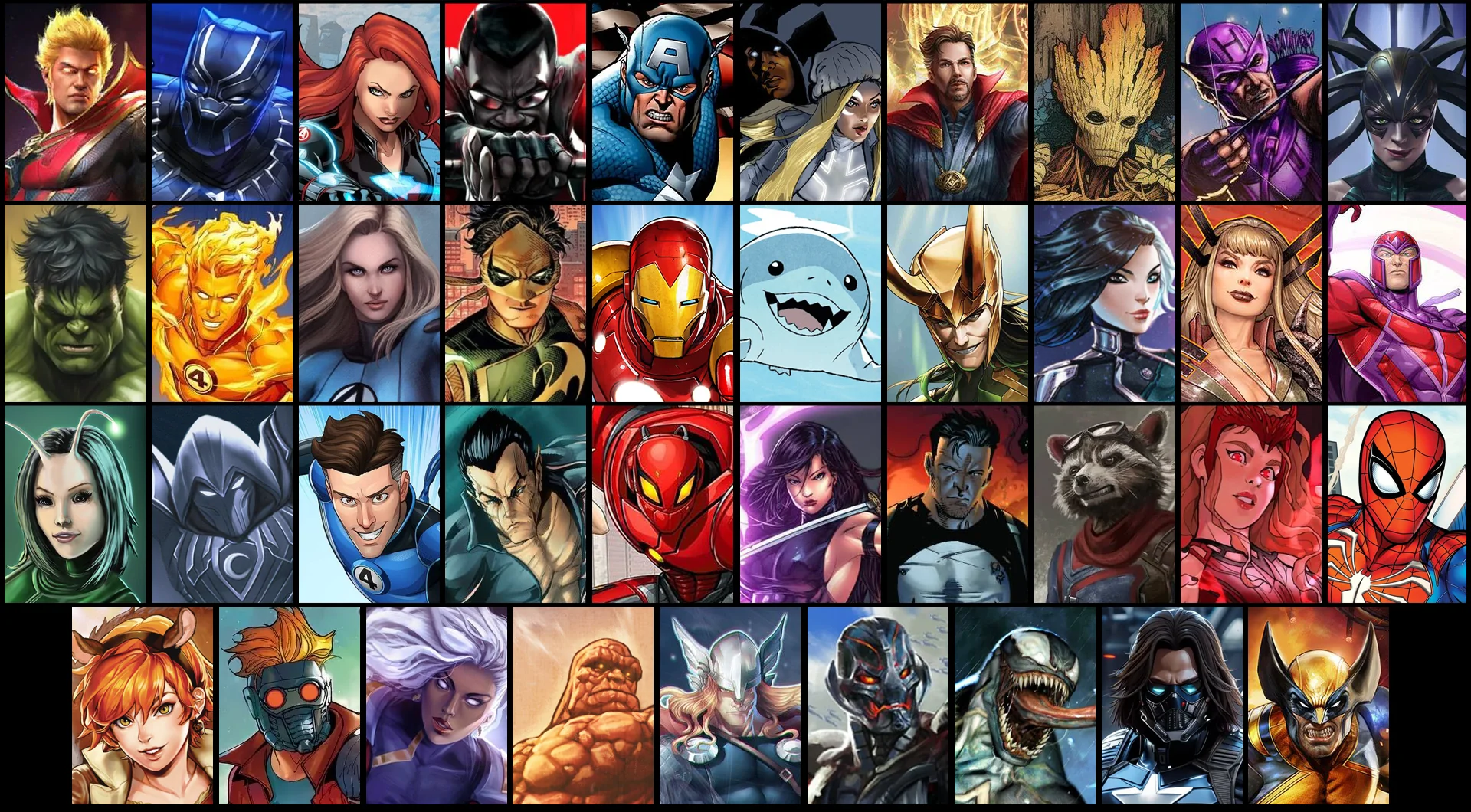
The core of Marvel Rivals’ appeal lies in its finely tuned gameplay mechanics and the imaginative design of its hero roster. Each character is not merely a reskin but a unique gameplay kit, meticulously crafted to offer distinct playstyles and tactical roles, contributing to the game’s depth and replayability.
Character Design and Ability Kits
The game launches with a diverse array of Marvel characters, including well-known icons like Iron Man, Spider-Man, Hulk, and Black Panther, alongside deeper cuts from the Marvel pantheon. Each hero is categorized into archetypes such as “Vanguard” (tanks), “Duelist” (damage dealers), and “Strategist” (support/utility), providing a clear role definition. Their ability kits are designed for synergy, encouraging players to think about team composition and how individual powers can combine for maximum effect. This includes primary attacks, secondary abilities, movement skills, and powerful ultimate abilities that charge over time and can turn the tide of a battle. The design philosophy behind these kits emphasizes intuitive controls, distinct visual feedback, and balanced power levels to ensure no single character feels overwhelmingly dominant or underpowered. Regular balance patches, informed by player data and feedback, are a technological necessity to maintain a healthy meta.
Environmental Interaction and Team-Up Skills
Beyond individual abilities, Marvel Rivals innovates with its environmental destruction and “Team-Up Skills.” Select sections of maps can be destroyed or altered, opening new sightlines, creating cover, or forcing enemies into disadvantageous positions. This dynamic map design is a significant technological feat, requiring complex physics simulations and real-time rendering of environmental changes. The “Team-Up Skills” mechanism, where specific hero combinations can unleash unique, powerful abilities, is another layer of strategic depth. For example, Rocket Raccoon might jump onto Groot’s back to unleash a barrage of enhanced attacks, or Iron Man and Hulk might combine for a devastating area-of-effect attack. These are not merely cosmetic animations but coded abilities with distinct damage outputs, crowd control effects, and tactical applications, requiring precise coordination and timing from players. This system relies on robust detection and activation logic within the game’s software.
The Live-Service Model and Future Outlook
Marvel Rivals is designed as a live-service game, meaning it will continuously evolve with new content, features, and balance adjustments post-launch. This model, prevalent in many successful online competitive titles, is predicated on sustained engagement through regular updates and community interaction, all powered by a robust backend and iterative development cycles.
Content Roadmap and Seasonal Updates
A key aspect of the live-service strategy involves a consistent content roadmap. Players can expect seasonal updates that introduce new playable characters, battlegrounds, cosmetic items (skins, emotes, sprays), and potentially new game modes. Each season will likely bring a battle pass system, offering both free and premium reward tracks, incentivizing continued play. The development team will leverage analytics and player feedback to prioritize content development, ensuring that new additions resonate with the player base and address community desires. This continuous content injection is vital for maintaining a fresh and engaging experience over time, preventing player burnout and fostering a loyal community.
Balancing and Anti-Cheat Iteration
Maintaining game balance is an ongoing challenge for any live-service competitive game. NetEase will employ telemetry and data analytics tools to monitor character performance, win rates, and player behavior. This data-driven approach allows developers to identify overpowered or underpowered characters, problematic ability interactions, or frustrating gameplay loops. Regular balance patches, often accompanied by developer notes explaining the rationale behind changes, are essential for ensuring a fair and enjoyable competitive environment. Similarly, anti-cheat measures are an ever-evolving arms race. As cheaters develop new methods, the anti-cheat software must be updated and refined. This continuous iteration of both game balance and security protocols is fundamental to the long-term health and competitiveness of Marvel Rivals.
Competitive Landscape and Player Experience
Marvel Rivals enters a competitive genre dominated by established titles such as Overwatch 2, Valorant, and Apex Legends. Its success will depend on its ability to carve out a distinct identity and offer a compelling player experience that stands apart in a crowded market.
Differentiating Factors
The game’s primary differentiators include the strength of the Marvel IP, the dynamic environmental destruction, and the unique Team-Up Skills. The appeal of playing as beloved Marvel characters in a competitive setting is a significant draw. However, the technical implementation of these unique gameplay mechanics is what truly sets it apart. The physics engine handling destruction, the complex scripting for Team-Up Skills, and the intricate character ability design all contribute to a distinct technological footprint. These features must be well-executed and seamlessly integrated into the core gameplay to provide a smooth and responsive experience, preventing them from feeling like mere gimmicks.
Fostering a Community and Esports Potential
Beyond the game’s technical merits, the long-term viability of Marvel Rivals as a competitive title hinges on its ability to cultivate a thriving community and potentially develop an esports scene. This involves active community management, transparent communication from developers, and robust in-game social features. From an esports perspective, the game’s technical foundation must support high-level competitive play, including spectator modes, replay systems, and custom game options. Network stability, server reliability, and fair matchmaking are critical components for any game aspiring to be an esport. By delivering a polished, balanced, and technically sound experience, Marvel Rivals aims to attract and retain a dedicated player base capable of sustaining a vibrant competitive ecosystem.
aViewFromTheCave is a participant in the Amazon Services LLC Associates Program, an affiliate advertising program designed to provide a means for sites to earn advertising fees by advertising and linking to Amazon.com. Amazon, the Amazon logo, AmazonSupply, and the AmazonSupply logo are trademarks of Amazon.com, Inc. or its affiliates. As an Amazon Associate we earn affiliate commissions from qualifying purchases.