
Navigating the complexities of bank overdraft policies is a critical aspect of personal financial management. For customers of Chase, one of the largest retail banks in the United States, understanding how much they can overdraft, the associated costs, and available protection options is essential to maintain financial health and avoid unnecessary fees. While Chase does not publish a universal, hard-and-fast overdraft limit applicable to all customers, their policies are designed with specific mechanisms and varying degrees of flexibility based on individual account history, type, and customer relationships.
Understanding Chase’s Overdraft Services and Policies
An overdraft occurs when you make a transaction—such as a debit card purchase, ATM withdrawal, check payment, or automatic bill payment—for an amount that exceeds the available balance in your checking account. When this happens, the bank effectively covers the difference, but it typically comes with a cost. Chase, like most financial institutions, offers different approaches to managing these situations.
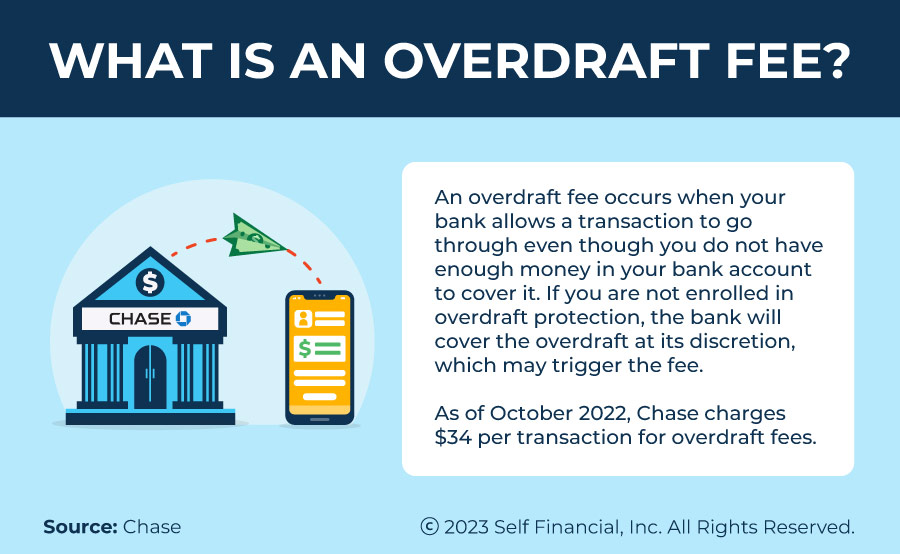
What is an Overdraft?
Simply put, an overdraft is a negative balance in your checking account. If you attempt a transaction and your account lacks sufficient funds, the bank has two primary choices: either decline the transaction or pay it. If they choose to pay it, your account goes into a negative balance, and this is an overdraft.
Standard Overdraft Practices vs. Overdraft Protection
Chase differentiates between standard overdraft practices and what they call Overdraft Protection.
- Standard Overdraft Practices: By default, Chase will generally decline debit card transactions and ATM withdrawals if you don’t have enough money in your checking account. However, for certain types of transactions like checks and automated clearing house (ACH) payments (e.g., recurring bill payments), Chase may pay the transaction even if you don’t have sufficient funds. If they do, your account will be overdrawn, and an overdraft fee will apply. This is their standard procedure if you haven’t opted in for specific overdraft services for debit card transactions.
- Overdraft Protection: This is an optional service you can set up to automatically transfer money from another linked Chase account (like a savings account or a credit card cash advance) to cover transactions that would otherwise overdraw your checking account. This is a proactive measure designed to prevent overdrafts and their associated fees by having a backup funding source.
Opting In and Opting Out: Your Choices
For debit card purchases and ATM withdrawals, federal regulations require banks to obtain your consent to pay overdrafts.
- Opting In: If you opt in for Chase’s “Debit Card Coverage” (their term for paying debit card overdrafts), Chase may authorize and pay debit card purchases and ATM withdrawals even if you don’t have enough money. If they do, an overdraft fee will apply for each transaction. This can be convenient for avoiding declined transactions, but it means incurring fees.
- Opting Out: If you do not opt in (or opt out after previously opting in), Chase will generally decline debit card transactions and ATM withdrawals if you don’t have sufficient funds. This prevents overdraft fees for these specific transaction types but means your card might be declined. For checks and ACH payments, Chase’s standard practices (potentially paying and charging a fee) still apply unless you have Overdraft Protection set up.
Chase Overdraft Limits and Fees Explained
The core question of “how much does Chase let you overdraft” isn’t answered with a fixed dollar amount for all customers. Instead, it’s a dynamic limit influenced by several factors and subject to specific fee structures.
Typical Overdraft Limits (Debit Card Transactions)
Chase does not publicly disclose a specific, universal overdraft limit for debit card transactions or ATM withdrawals. The amount Chase may allow an account to go negative is typically determined on a case-by-case basis, influenced by factors such as:
- Account History: How long you’ve been a customer, your track record of managing your account, and previous overdrafts.
- Deposit Activity: The regularity and amount of direct deposits or other income into your account.
- Account Balance: Your average daily balance over time.
- Account Type: Some premium checking accounts might have slightly more flexibility, though this is not a guaranteed feature for overdraft limits.
Essentially, Chase assesses the risk associated with extending this temporary credit. While there isn’t a hard limit like “$500,” they are unlikely to allow very large overdrafts through debit card transactions and may still decline transactions even if you’ve opted in, particularly if the amount is substantial relative to your account history or if you frequently overdraw.
Overdraft Fees for Debit Card Transactions and ATM Withdrawals
If you opt in for Debit Card Coverage and Chase pays a debit card transaction or ATM withdrawal that causes an overdraft:
- Fee per item: Chase typically charges a fee per overdraft. As of recent policies, this fee is often around $34 per item.
- Daily fee limit: There’s usually a cap on the total number of overdraft fees you can incur in a single day. For instance, Chase may limit the fees to a maximum of three overdraft fees per business day, meaning you wouldn’t be charged more than $102 in a day, regardless of how many transactions overdraw your account.
- Small transaction exemption: Chase typically has a “Small Overdraft Amount” policy. If your account is overdrawn by a very small amount (e.g., $50 or less, though this figure can change), they may waive the overdraft fee. This is a crucial detail for minor shortfalls.
Overdraft Fees for Checks and ACH Transactions
For checks and ACH payments (like online bill payments or recurring deductions) that cause an overdraft:
- The same fee per item (e.g., $34) usually applies if Chase chooses to pay the item.
- The same daily fee limit (e.g., three fees per day) also typically applies.
- The small transaction exemption mentioned above also applies to these types of transactions.
It’s important to remember that if Chase decides not to pay an item (e.g., declines a check or ACH payment), that item will be returned unpaid, and you might incur a “Return Item Fee” from Chase (which is often the same amount as an overdraft fee) and potentially a fee from the merchant or payee for the returned payment.
Navigating Chase’s Overdraft Protection Options
Proactive management is key to avoiding overdraft fees. Chase offers specific services designed to prevent your account from going negative by automatically transferring funds from another source.

Linking to a Savings Account
This is the most common and often recommended form of overdraft protection.
- How it works: You link your Chase checking account to a Chase savings account. If a transaction would overdraw your checking account, Chase automatically transfers funds from your linked savings account to cover the shortfall.
- Benefits: This prevents your checking account from going negative and helps you avoid overdraft fees. Since it’s your own money, there’s typically no interest charged.
- Potential costs: While the transfer itself is usually free, some banks may count these transfers towards monthly transaction limits for savings accounts, which could incur a fee if exceeded, though this is less common with basic overdraft protection transfers.
Linking to a Credit Card
Chase also allows you to link a Chase credit card to your checking account for overdraft protection.
- How it works: If your checking account is short on funds, Chase will advance cash from your linked credit card to cover the transaction.
- Benefits: It ensures payments go through and prevents overdraft fees.
- Drawbacks: A cash advance from a credit card is usually treated differently than a regular purchase. It typically incurs an immediate cash advance fee (a percentage of the amount transferred) and starts accruing interest immediately, often at a higher rate than regular purchases. This can quickly become an expensive way to cover an overdraft. This option should generally be a last resort.
Grace Periods and Preventing Fees
Chase may offer a grace period to help customers avoid overdraft fees.
- 24-Hour Grace Period: If your account becomes overdrawn, Chase typically provides a short window (e.g., until the end of the next business day) to deposit enough money to bring your account balance back to positive. If you do so within this period, the overdraft fees for the items that caused the negative balance may be waived. This feature can be a lifesaver for small, unexpected shortfalls. Always check the exact terms and duration of this grace period, as it can be subject to change.
Strategies to Avoid Overdrafts and Manage Your Finances Effectively
Preventing overdrafts is always more cost-effective and less stressful than dealing with them after the fact. Adopting robust financial habits can significantly reduce your risk.
Budgeting and Tracking Your Spending
The foundation of preventing overdrafts is a clear understanding of your cash flow.
- Create a Budget: Know how much income you have and where every dollar goes. Categorize your expenses to identify areas where you might be overspending.
- Track Transactions: Regularly review your checking account activity. Whether through a spreadsheet, a budgeting app, or Chase’s mobile banking tools, staying aware of your current balance and pending transactions is crucial.
Setting Up Account Alerts
Chase offers customizable alerts that can warn you before an overdraft occurs.
- Low Balance Alerts: Set up alerts to notify you via text or email when your account balance falls below a certain threshold (e.g., $100). This gives you time to transfer funds or adjust spending.
- Transaction Alerts: Get notified for large transactions or when your balance changes significantly.
Maintaining a Buffer in Your Account
Always try to keep a cushion of extra money in your checking account beyond what you need for immediate expenses. This buffer acts as a personal safety net for unexpected small purchases or forgotten bills, preventing your balance from hitting zero. A buffer of $100-$300 is a good starting point.
Regularly Reviewing Your Transactions
Don’t wait for your monthly statement. Log into your Chase online banking or mobile app frequently to:
- Check Pending Transactions: Some transactions, especially debit card purchases, may take a day or two to fully clear. Account for these pending items in your available balance.
- Identify Errors: Catch any unauthorized transactions or billing errors quickly.
Utilizing Mobile Banking Tools
Chase’s mobile app provides a powerful suite of tools to manage your money on the go.
- Instant Balance Checks: Quickly view your available funds.
- Mobile Deposits: Deposit checks instantly using your phone’s camera, which can help replenish funds quickly if you’re close to overdrawing.
- Transfers: Easily move money between your Chase accounts to cover potential shortfalls.
When to Contact Chase and What to Do If You Overdraft
Even with the best planning, an overdraft can occasionally happen. Knowing how to react can mitigate the impact.
Proactive Communication
If you anticipate that your account might be overdrawn due to an upcoming large payment or a delay in a deposit, it’s often wise to contact Chase’s customer service ahead of time. While they may not be able to prevent all fees, discussing your situation might open up options or understanding.
Resolving Accidental Overdrafts
If your account is overdrawn, act quickly:
- Deposit Funds Immediately: The most effective step is to deposit enough money to bring your account balance positive as soon as possible, ideally within Chase’s grace period. Use mobile deposit, an ATM, or visit a branch.
- Review Transactions: Understand what caused the overdraft. Was it a forgotten subscription, a large purchase, or a mistake?
- Contact Customer Service: If you believe a fee was charged in error, or if this is your first overdraft and you need assistance, contacting Chase can sometimes result in a fee waiver, especially for customers in good standing.

Understanding the Impact on Your Financial Health
Frequent overdrafts can have several negative consequences:
- Accumulated Fees: Fees quickly add up, eroding your available funds.
- Negative Account History: Consistent overdrafts can negatively impact your banking relationship, potentially leading to account closure or difficulty opening accounts elsewhere.
- Credit Reporting (Indirectly): While a checking account overdraft doesn’t directly affect your credit score, if the bank closes your account and sends the unpaid balance to collections, that could show up on your credit report.
- Stress and Instability: Financially, frequent overdrafts indicate a lack of control and can contribute significantly to stress.
By understanding Chase’s policies, utilizing available protection options, and maintaining diligent financial habits, you can effectively manage your account and avoid the costly pitfalls of overdrafts.
aViewFromTheCave is a participant in the Amazon Services LLC Associates Program, an affiliate advertising program designed to provide a means for sites to earn advertising fees by advertising and linking to Amazon.com. Amazon, the Amazon logo, AmazonSupply, and the AmazonSupply logo are trademarks of Amazon.com, Inc. or its affiliates. As an Amazon Associate we earn affiliate commissions from qualifying purchases.