
The landscape of modern brand building is a complex tapestry woven from various strategic threads, among the most critical of which are marketing and public relations (PR). While historically treated as distinct disciplines, their roles have increasingly converged, blurring the lines and forging a symbiotic relationship that is crucial for any brand aiming for sustained growth and a positive public image. Understanding “what is marketing in public relations” isn’t about identifying a sub-category; it’s about recognizing the strategic infusion of marketing principles, tools, and objectives into PR practices to amplify reach, enhance credibility, and ultimately strengthen brand equity.
Distinguishing and Uniting Disciplines: Marketing’s Role in PR
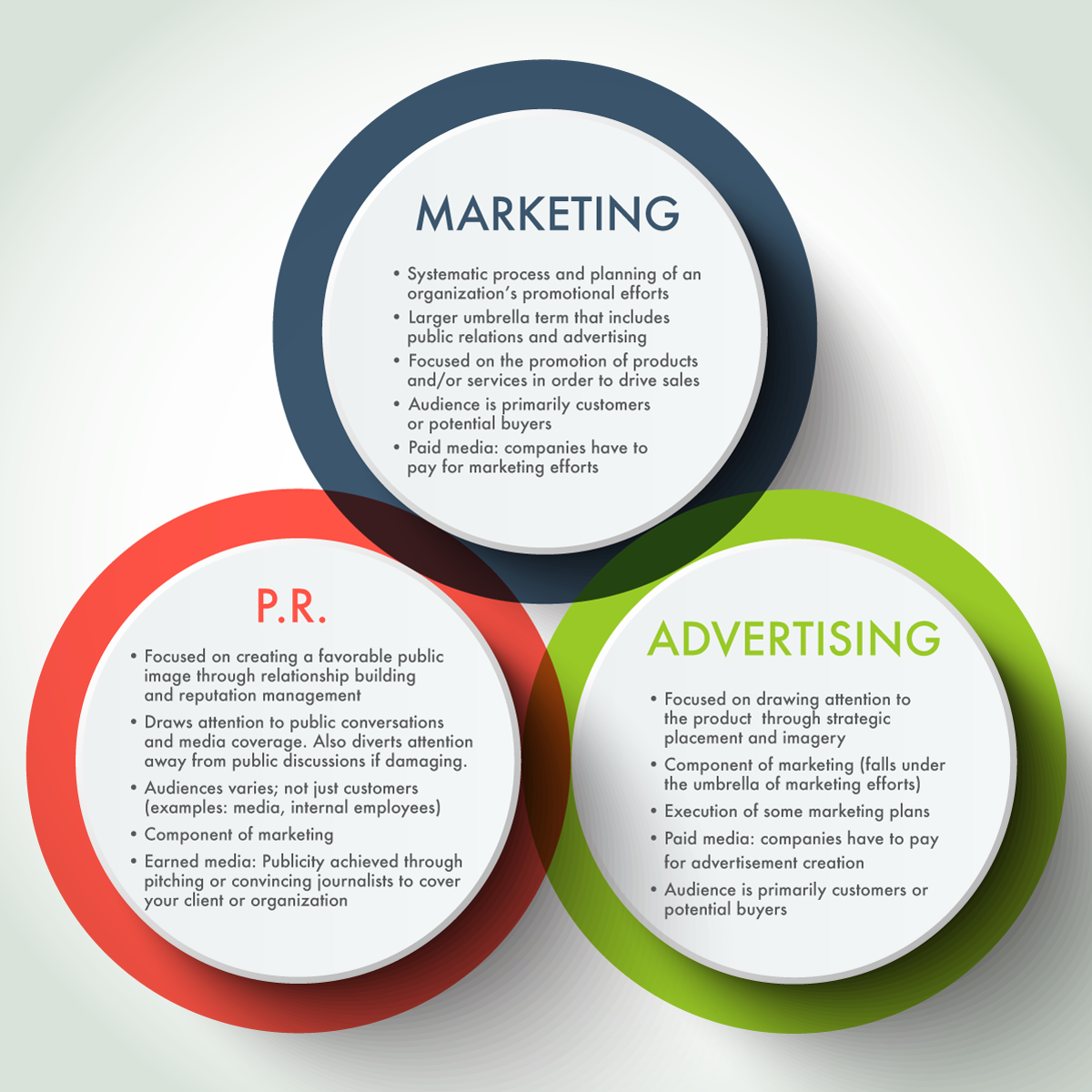
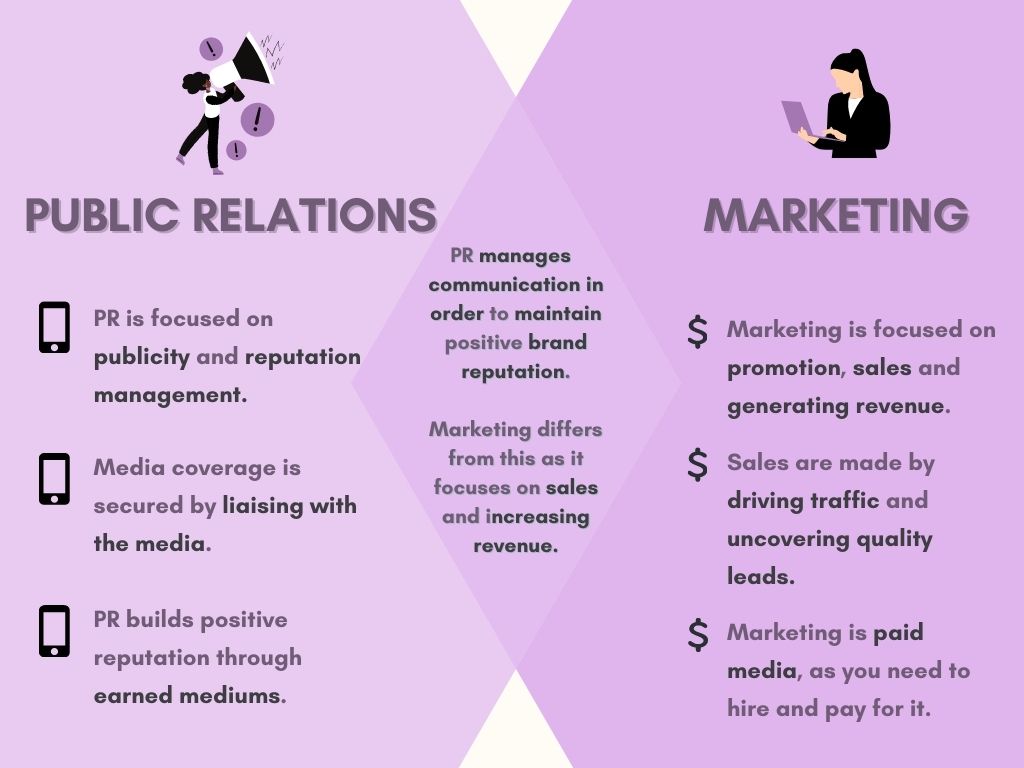
To appreciate the nuanced relationship, it’s essential to first delineate the core purposes of each discipline. Marketing, at its heart, is a strategic business function focused on understanding, creating, communicating, delivering, and exchanging offerings that have value for customers, clients, partners, and society at large. Its traditional framework, often simplified into the “4 Ps” (Product, Price, Place, Promotion), directly aims to drive sales, increase market share, and generate revenue. Marketing activities encompass market research, competitor analysis, consumer segmentation, advertising campaigns, and direct sales initiatives, all geared towards a transactional outcome.
Public Relations, conversely, is primarily concerned with reputation management and fostering mutual understanding between an organization and its various publics or stakeholders. PR builds trust, credibility, and long-term relationships by managing the flow of information between a brand and the public. Its tools include media relations, crisis communication, community engagement, and internal communications, focusing on earned media – coverage gained through editorial merit rather than paid advertising. The ultimate goal of PR is to cultivate a positive public perception, build goodwill, and protect the brand’s image.
The essential overlap emerges from their shared objective: influencing perception and driving desired audience behavior. While marketing often employs direct persuasion to encourage purchase, PR relies on indirect influence, building an environment of trust and credibility within which marketing messages can resonate more effectively. In the contemporary brand ecosystem, this convergence is no longer an option but a strategic imperative. Marketing’s data-driven insights, audience segmentation capabilities, and promotional tools become invaluable assets within the PR function, transforming how messages are crafted, delivered, and amplified.
The Nexus of Strategy: Integrated Communications
The days of marketing and PR operating in isolated silos are rapidly becoming obsolete. Modern brand strategy demands an integrated approach where communication efforts are synchronized across all channels to deliver a coherent and consistent brand message. This synergy is not merely about avoiding conflicting messages; it’s about leveraging the unique strengths of each discipline to achieve a superior collective outcome.
A prime example of this integration is the PESO model, which categorizes media into Paid, Earned, Shared, and Owned. In this framework, marketing techniques (Paid media like advertising, sponsored content, and search engine marketing) can be strategically deployed to amplify PR messages, ensuring they reach a wider and more targeted audience. Conversely, PR’s ability to generate authentic, third-party validated content (Earned media) provides valuable material for Owned media channels (like a brand’s website or blog) and Shared media platforms (social media). When marketing and PR collaborate, a press release that garners significant earned media coverage can then be further promoted through targeted social media campaigns (Shared) and featured prominently on the brand’s own blog (Owned), demonstrating a seamless communication flow that builds both awareness and credibility.
Storytelling serves as the unifying force in this integrated landscape. Both marketing and PR rely heavily on compelling narratives. Marketing tells stories designed to highlight product benefits and drive sales, while PR crafts narratives that build reputation, demonstrate corporate values, and foster trust. When these stories align and reinforce each other, the brand’s message becomes more powerful, memorable, and persuasive. Marketing provides the insights into consumer desires and product value propositions, which PR then translates into compelling narratives for media outreach, stakeholder engagement, and thought leadership pieces. This ensures that the brand’s identity is consistently communicated, whether the audience encounters it through an advertisement or an editorial feature.
Marketing’s Instrumental Contributions to Public Relations
The integration of marketing principles and tactics significantly enhances the effectiveness and reach of public relations initiatives. Marketing’s contributions are not just supplementary; they are often foundational to robust PR strategy.
Content Development and Distribution
Marketing plays a pivotal role in feeding PR’s content engine. It provides the research, insights, and strategic direction necessary to create compelling narratives. For instance, marketing’s understanding of target audience pain points and brand solutions fuels PR’s ability to craft impactful thought leadership articles, whitepapers, and expert commentary. Marketing teams often lead the creation of high-quality visual and multimedia assets—videos, infographics, interactive experiences—that PR professionals can then use to make their pitches more engaging and their stories more shareable for media outlets and public consumption. Furthermore, marketing’s expertise in structuring information to highlight key benefits and unique selling propositions is invaluable in developing effective press kits and media materials that resonate with journalists.
Digital Amplification Strategies
The digital realm has profoundly reshaped PR, and marketing’s digital expertise is now indispensable.
- SEO for Earned Media: Marketing best practices in Search Engine Optimization (SEO) are applied to PR, ensuring that online press releases, company news, and earned media mentions are optimized for search engines. This increases discoverability, allowing more people to find credible third-party information about the brand.
- Social Media Integration: While PR monitors and engages in public conversations on social platforms, marketing often manages the broader social media strategy. This collaboration ensures that PR announcements are effectively distributed across social channels, amplified through relevant hashtags, and integrated into the overall content calendar.
- Influencer Marketing: A powerful hybrid strategy, influencer marketing leverages marketing’s ability to identify and cultivate relationships with individuals who have significant sway over target audiences. When influencers organically endorse a brand or its initiatives, it generates authentic earned media and extends PR reach far beyond traditional channels, lending credibility that direct advertising often struggles to achieve.
Brand Messaging and Positioning Alignment
Perhaps one of the most critical contributions of marketing to PR is ensuring consistent brand messaging and positioning. Marketing establishes the brand guidelines, tone of voice, and key messages that define a brand’s identity. PR then ensures that all external communications, from crisis responses to product launch announcements, adhere strictly to these established parameters. This consistency builds a cohesive brand image in the public’s mind. For product or service launches, marketing defines the unique selling propositions and target audience; PR then takes these core messages and translates them into compelling stories that resonate with journalists and the broader public, ensuring that the brand’s innovation is understood and appreciated.
Measuring the Collective Impact on Brand Equity
In an era demanding accountability, demonstrating the return on investment (ROI) for both marketing and PR is paramount. The integration of these disciplines facilitates a more comprehensive and accurate measurement of their collective impact on brand equity. Outdated metrics like Advertising Value Equivalency (AVE) are increasingly being replaced by more robust, data-driven approaches that reflect actual business outcomes.
Key Performance Indicators (KPIs) for integrated campaigns often include:
- Brand Awareness & Reach: Tracking mentions across various media (online publications, print, broadcast), social media reach and impressions, and analyzing website traffic spikes directly attributable to earned media placements.
- Brand Sentiment & Reputation: Utilizing social listening tools and media monitoring platforms to conduct qualitative analysis of media coverage, tracking positive versus negative sentiment, and conducting public perception surveys to gauge shifts in brand reputation.
- Engagement & Influence: Measuring interaction rates on PR-driven content (shares, likes, comments), tracking backlinks from high-authority websites, and analyzing conversion rates from content discovered through PR efforts.
- Crisis Management Effectiveness: Assessing the speed of response during a crisis, the reduction in negative sentiment post-intervention, and the recovery of brand trust over time.
By sharing analytics dashboards, employing sophisticated attribution models, and aligning on common objectives, marketing and PR teams can collectively quantify their contribution to critical business goals, ranging from lead generation and customer acquisition to enhancements in overall brand value and market capitalization. This data-driven approach not only justifies budgets but also provides invaluable insights for continuous strategy refinement.

The Evolving Horizon: Future of Marketing in PR
The dynamic interplay between marketing and public relations continues to evolve, shaped by technological advancements, shifting consumer behaviors, and an increasingly competitive media landscape. The future promises even deeper integration, demanding professionals with hybrid skill sets.
One significant trend is the rise of hyper-personalization and niche targeting. Leveraging advanced data analytics and artificial intelligence (AI), brands can gain unprecedented insights into media preferences and audience segments. Marketing’s data scientists will become critical to PR, enabling highly targeted outreach strategies that ensure messages reach the most receptive journalists and influencers. This precision makes PR efforts more efficient and effective, moving beyond broad strokes to surgical strikes.
The increasing demand for authenticity and purpose-driven communication also underscores the combined strength of marketing and PR. Consumers are increasingly seeking brands that stand for something beyond their products—brands with values and a clear societal purpose. Marketing plays a crucial role in defining this brand purpose, conducting the research to identify causes and values that resonate with target audiences. PR then takes on the vital task of communicating this purpose authentically and transparently, ensuring that the brand’s actions align with its stated values, thereby building genuine trust and loyalty.
The blurring of lines between owned, earned, paid, and shared media will continue to intensify. This means that content marketing, native advertising, and traditional PR will converge further, with the emphasis firmly on creating compelling, relevant stories that can transcend their distribution channel. A piece of thought leadership might start as an earned media placement, be repurposed as a paid sponsored article, then shared across social media, and ultimately live as a cornerstone piece on the brand’s owned blog. The value lies in the story itself, and the integrated strategy ensures its maximum impact across all possible touchpoints.
Finally, navigating the challenges and opportunities presented by ethical AI and data privacy will be paramount. As AI tools become more sophisticated in generating content, analyzing sentiment, and managing media relationships, both marketing and PR professionals must ensure these technologies are used ethically, maintaining transparency and protecting consumer data. This commitment to responsible practice will be crucial for maintaining brand reputation and fostering consumer trust in an increasingly regulated and data-conscious world. The synergy between marketing and PR, therefore, is not just about amplification but also about safeguarding the brand’s integrity and long-term viability in an ever-complex environment.
aViewFromTheCave is a participant in the Amazon Services LLC Associates Program, an affiliate advertising program designed to provide a means for sites to earn advertising fees by advertising and linking to Amazon.com. Amazon, the Amazon logo, AmazonSupply, and the AmazonSupply logo are trademarks of Amazon.com, Inc. or its affiliates. As an Amazon Associate we earn affiliate commissions from qualifying purchases.