
In the world of business finance and investment, a market opportunity represents the fertile ground where an unmet consumer need intersects with a viable path to profitability. It is more than just a creative idea; it is a quantified potential for a business or investor to generate revenue by entering a specific space, launching a new product, or solving a problem that current competitors have ignored. Understanding market opportunity is the cornerstone of strategic financial planning, as it dictates where capital should be allocated to achieve the highest possible return on investment (ROI).
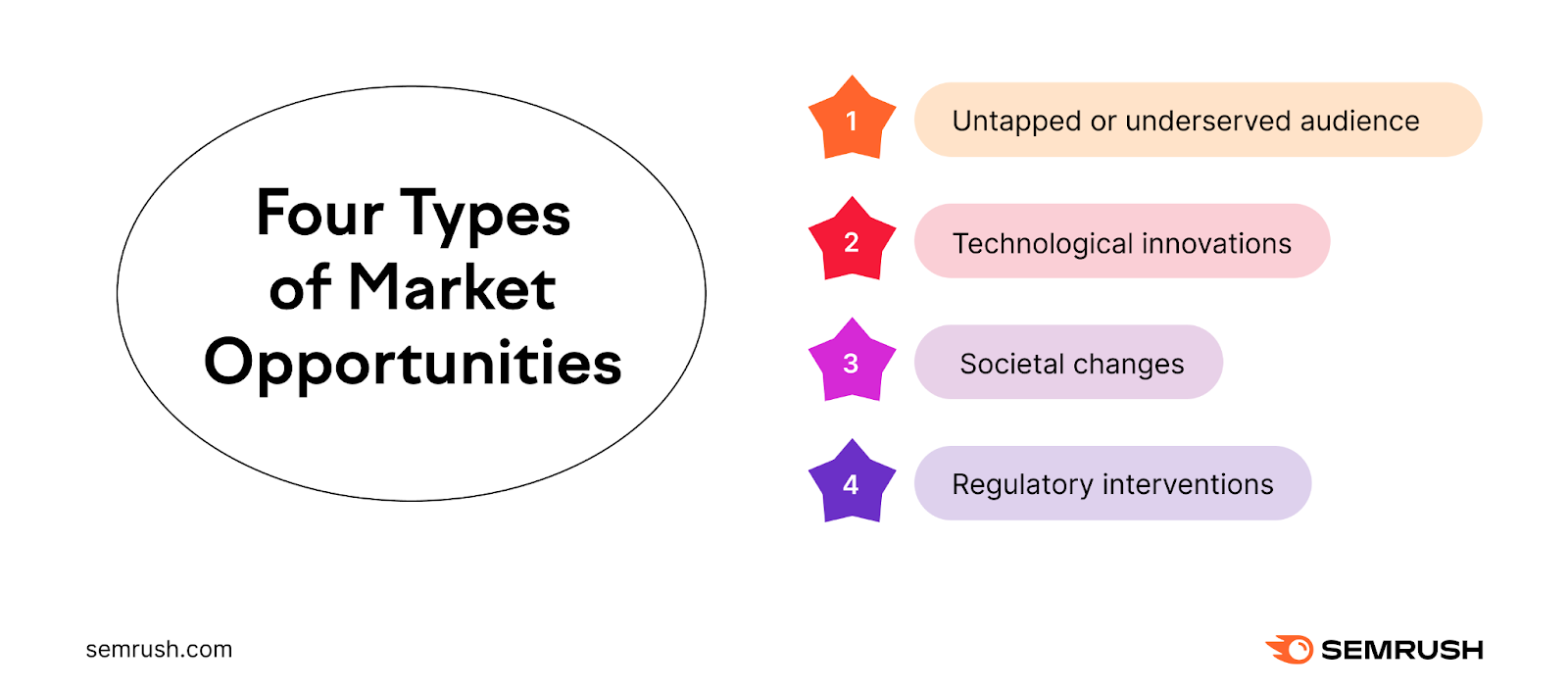
For entrepreneurs, side-hustlers, and corporate leaders alike, the ability to accurately identify and size a market opportunity is what separates sustainable ventures from fleeting experiments. To truly grasp what market opportunity entails, one must look past the surface-level demand and dive into the underlying financial metrics, competitive dynamics, and scalability factors that determine whether a gap in the market is worth pursuing.
Defining Market Opportunity in the Financial Landscape
At its core, a market opportunity is a set of favorable circumstances that makes it possible to launch or expand a financial endeavor. From a business finance perspective, this is often viewed through the lens of supply and demand. When demand for a particular solution outweighs the current supply, or when the existing supply is inefficient or overpriced, a market opportunity exists.
The Three Pillars of Opportunity
To qualify as a genuine market opportunity, a situation must generally satisfy three criteria:
- Identifiable Need: There must be a specific group of people or businesses experiencing a problem or a desire that is currently unsatisfied.
- Purchasing Power: The target demographic must have the financial means and the willingness to spend money to solve that problem.
- Scalable Solution: There must be a way to fulfill this need at a cost that allows for a healthy profit margin.
The Importance of Timing
In the realm of personal finance and online income, timing is often the most critical variable. A market opportunity can be “too early,” where the infrastructure or consumer mindset isn’t ready, or “too late,” where the market is oversaturated and margins have been compressed to zero. Identifying the “Goldilocks zone”—where the market is mature enough to understand the value but young enough to lack dominant players—is where the greatest financial gains are realized.
Quantifying the Opportunity: TAM, SAM, and SOM
A professional assessment of market opportunity requires moving from qualitative observations to quantitative data. Investors and financial analysts use a specific framework to size a market, known as TAM, SAM, and SOM. This hierarchy helps determine if the financial upside justifies the risk of entry.
TAM: Total Addressable Market
The Total Addressable Market represents the total revenue opportunity available if a business achieved 100% market share with no competition. For example, if you are looking at the opportunity in the “home office furniture” niche, your TAM would be the total annual global spend on home office equipment. While no company captures the entire TAM, this figure helps investors understand the “ceiling” of the opportunity.
SAM: Serviceable Addressable Market
The Serviceable Addressable Market is a more realistic segment of the TAM. It accounts for geographical limitations, regulatory constraints, and the specific niche your product serves. If your home office furniture business only ships within North America and focuses on high-end ergonomic chairs, your SAM is the total spend on premium ergonomic chairs in the North American market.
SOM: Serviceable Obtainable Market
The SOM is the most critical metric for short-term financial planning. It represents the portion of the SAM that you can realistically capture within the first few years of operation, considering your marketing budget, production capacity, and competition. This is the figure that dictates your initial revenue projections and cash flow requirements.
Strategic Frameworks for Finding Market Gaps
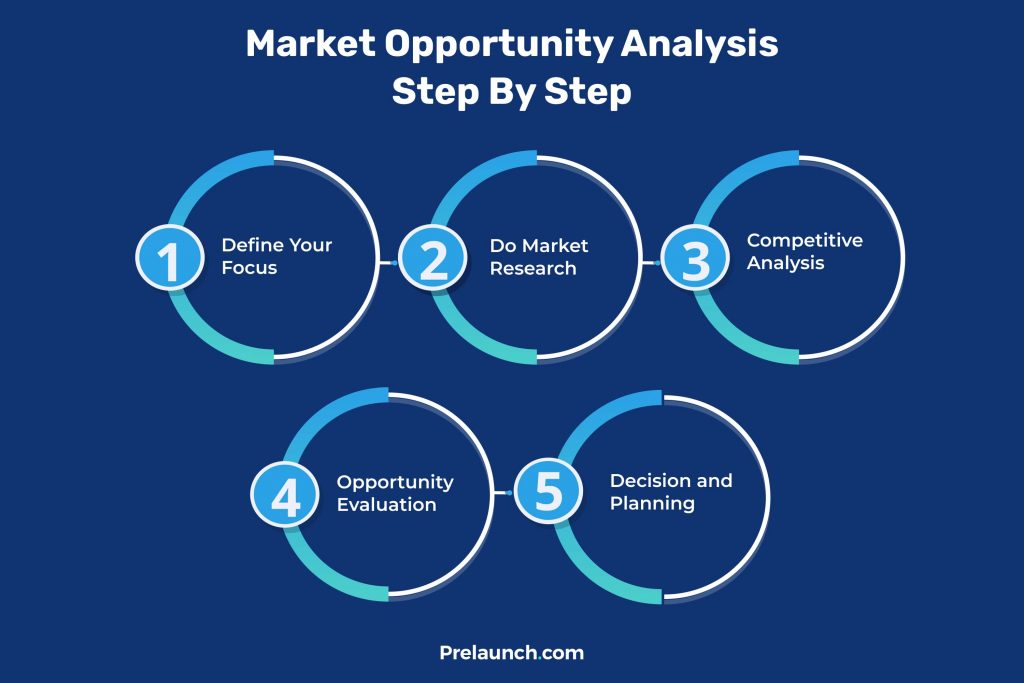
Identifying a market opportunity requires a blend of analytical rigor and creative foresight. Financial experts often use several proven frameworks to scout for untapped niches that promise high profitability.
Blue Ocean Strategy
The Blue Ocean Strategy involves looking for “uncontested market space.” Instead of fighting competitors in a “red ocean” of shrinking profit margins and cutthroat pricing, a business creates a new category. From a finance perspective, this is highly attractive because it allows for “value innovation”—simultaneously decreasing costs while increasing value for the customer, leading to superior margins.
The Gap Analysis
A gap analysis involves a detailed audit of existing products and services to find where they fall short. Are they too expensive? Are they difficult to use? Do they lack specific features that a subset of customers is begging for? In the world of side hustles and online income, gap analysis often reveals opportunities in “micro-niches”—specialized areas that are too small for giant corporations to care about but large enough to support a highly profitable small business.
Utilizing Consumer Spending Data
Following the money is one of the most reliable ways to spot opportunities. By analyzing shifts in consumer spending—such as the transition from physical goods to digital experiences or the rise of the “subscription economy”—investors can predict where the next major market opportunity will arise. When capital begins flowing into a new sector, it creates a ripple effect of secondary opportunities in logistics, software, and consulting.
Analyzing Competitive Dynamics and Financial Feasibility
Once an opportunity is identified and sized, the next step is to evaluate the barriers to entry and the competitive landscape. A large market with high demand is not an opportunity if the cost of entry is prohibitively high or if the dominant players can easily crush new entrants.
Barriers to Entry and Capital Requirements
Every market opportunity has a “price of admission.” This might include research and development costs, inventory procurement, licensing fees, or significant marketing spend to build brand awareness. A sound financial strategy involves calculating the “Burn Rate”—how much money you will spend before the business becomes profitable. If the capital required to reach the break-even point exceeds your available resources or credit lines, the opportunity may not be financially viable for you at this time.
Profit Margin Analysis
Not all revenue is created equal. A market opportunity in a high-volume, low-margin industry (like grocery retail) requires a completely different financial structure than a low-volume, high-margin industry (like specialized SaaS or luxury goods). Identifying an opportunity includes determining if the projected margins can sustain the business through economic downturns and provide a sufficient return for stakeholders.
Competitive Response
A common mistake in market analysis is assuming that competitors will remain static. When a new player enters a profitable niche, incumbents often respond by dropping prices, increasing marketing spend, or copying features. Part of assessing a market opportunity is “war-gaming” these responses to ensure your financial model can withstand a price war or an aggressive counter-campaign.
Executing the Opportunity: From Analysis to Revenue
The final stage of understanding market opportunity is the transition from theory to execution. This requires a disciplined approach to resource allocation and a focus on hitting key financial milestones.
Minimum Viable Product (MVP) and Market Testing
Before committing massive amounts of capital, savvy entrepreneurs test the market opportunity with a Minimum Viable Product. This allows you to validate the “Purchasing Power” pillar of your opportunity. Does the market actually want to pay for this? Testing provides real-world data that can be used to refine financial forecasts and attract further investment.
Scalability and Long-term Value
A true market opportunity isn’t just a one-time windfall; it’s a foundation for long-term wealth. Scalability refers to the ability of the business to increase revenue without a proportional increase in costs. In digital business finance, this is often achieved through automation and software. When evaluating an opportunity, ask: “If I double my customers, do I have to double my staff and overhead?” If the answer is no, you have found a highly scalable opportunity with significant financial upside.
Risk Management and Exit Strategies
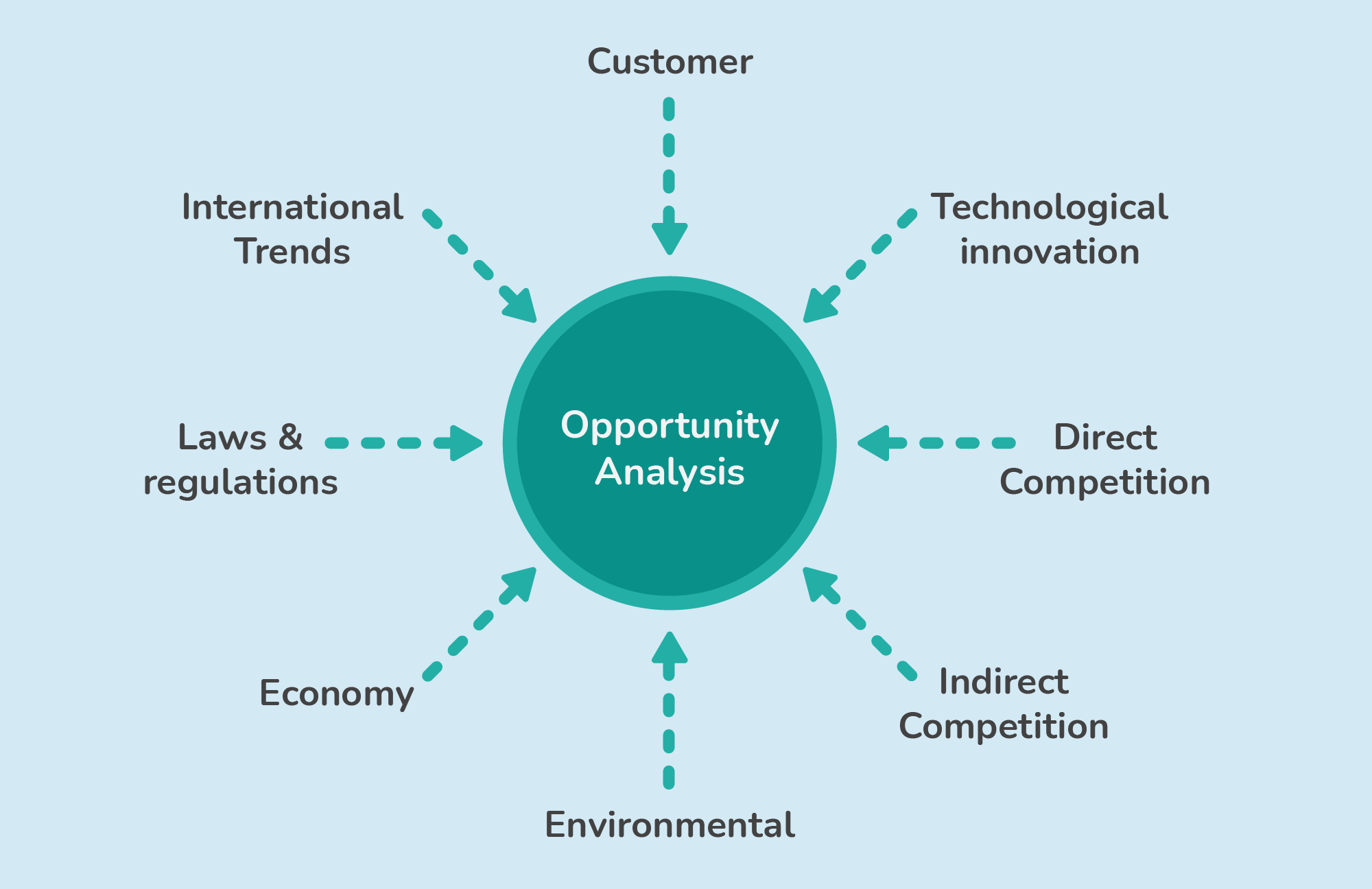
Every financial endeavor carries risk. Identifying a market opportunity also means identifying what could go wrong. This includes regulatory changes, shifts in consumer sentiment, or technological obsolescence. A professional approach involves having a clear exit strategy—whether that’s selling the business to a larger competitor, taking it public, or maintaining it as a high-cash-flow lifestyle business.
In conclusion, a market opportunity is the bedrock of financial success in the business world. It is the calculated recognition of a gap in the marketplace that can be filled profitably. By utilizing tools like TAM/SAM/SOM analysis, conducting thorough gap assessments, and maintaining a rigorous focus on profit margins and scalability, individuals and organizations can turn abstract potential into tangible financial growth. Success lies in the ability to see what others have missed and the financial discipline to execute on that vision.
aViewFromTheCave is a participant in the Amazon Services LLC Associates Program, an affiliate advertising program designed to provide a means for sites to earn advertising fees by advertising and linking to Amazon.com. Amazon, the Amazon logo, AmazonSupply, and the AmazonSupply logo are trademarks of Amazon.com, Inc. or its affiliates. As an Amazon Associate we earn affiliate commissions from qualifying purchases.