
In the era of the quantified self, the interpretation of biological data has shifted from the exclusive domain of clinical laboratories to the palm of our hands. When you open a digital health portal or a mobile medical app to view your latest lab report, one of the most significant data points you will encounter is haemoglobin (Hb). While traditionally viewed through a purely medical lens, the modern tech landscape has transformed haemoglobin levels into a critical metric for health-optimization software, AI-driven diagnostic tools, and the burgeoning field of wearable bio-sensors. Understanding what haemoglobin is within a digital health framework is essential for navigating the intersection of biotechnology and personal wellness.
The Digital Architecture of Blood Diagnostics
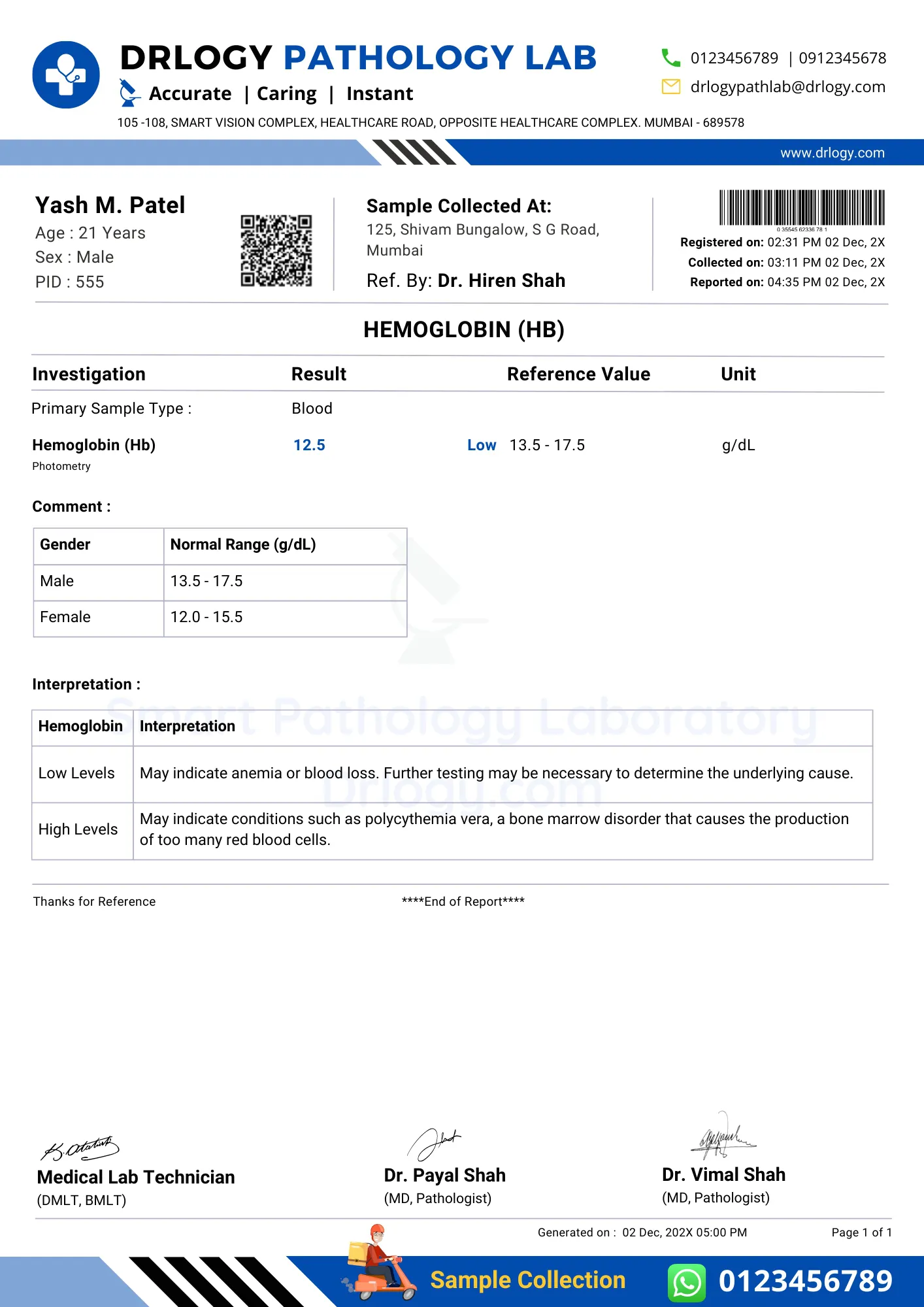
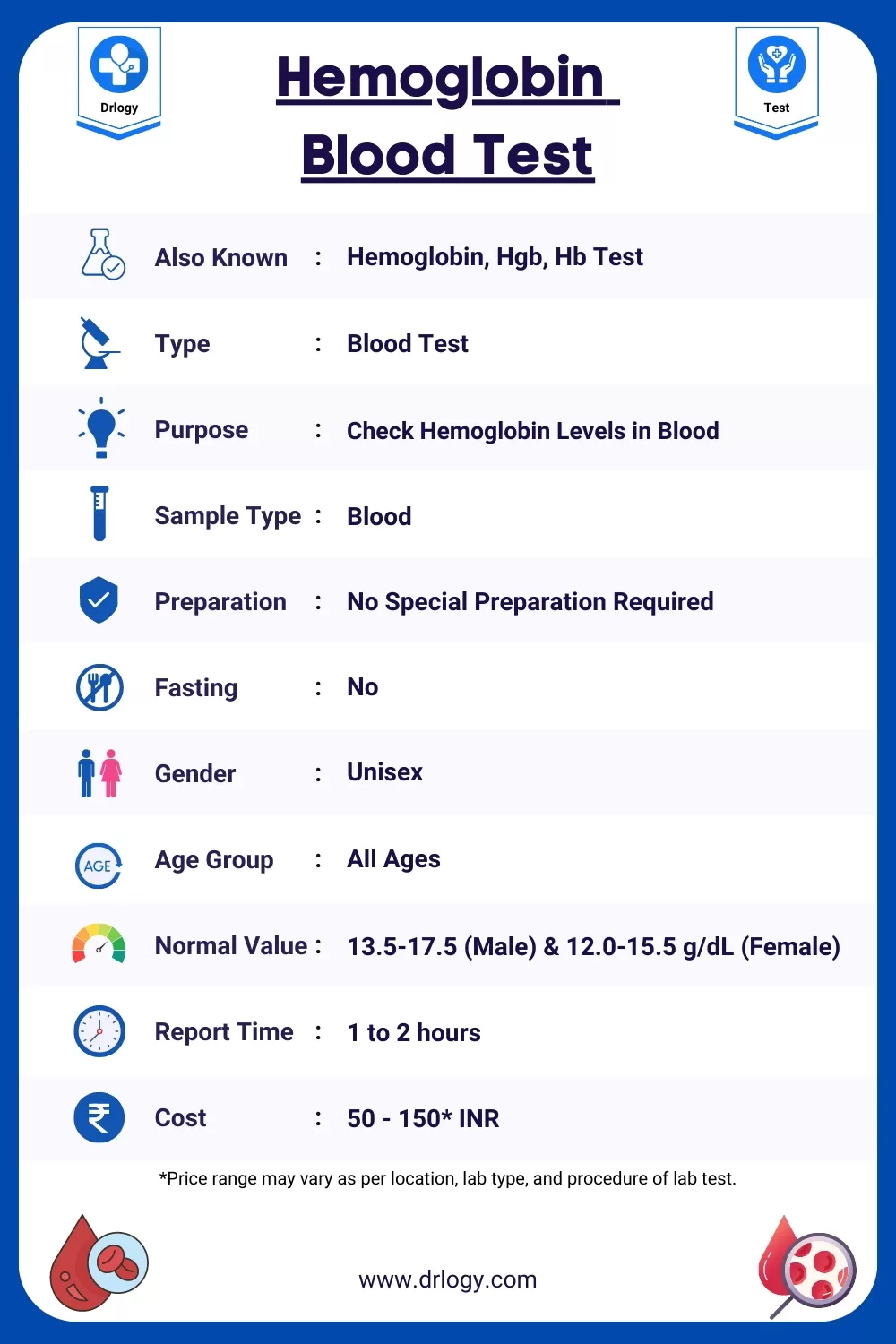
Haemoglobin is a protein found in red blood cells that carries oxygen from the lungs to the body’s tissues and returns carbon dioxide from the tissues back to the lungs. In the context of a digital blood test result, this metric is represented as a numerical value—typically grams per deciliter (g/dL)—that functions as a primary indicator of your blood’s oxygen-carrying capacity. However, the technology behind generating this number has evolved significantly.
Automation in the Laboratory Information System (LIS)
Modern blood analysis is a marvel of automated engineering. When your sample is processed, it moves through high-throughput analyzers that utilize spectrophotometry to measure haemoglobin. The device shines a specific wavelength of light through a hemolyzed blood sample; the amount of light absorbed is directly proportional to the concentration of haemoglobin. This analog signal is then converted into digital data by the Laboratory Information System (LIS).
The LIS is the backbone of clinical data management. It ensures that your haemoglobin value is not just a standalone number but is cross-referenced with your demographic data, historical results, and the specific reference ranges dictated by the laboratory’s proprietary algorithms. This software-driven process minimizes human error and allows for the rapid dissemination of results to patient portals and electronic health records (EHRs).
API Integration and Personal Health Ecosystems
One of the most significant trends in health technology is the ability to integrate lab results into personal health ecosystems via Application Programming Interfaces (APIs). Apps like Apple Health, MyChart, and specialized wellness platforms allow users to pull their haemoglobin data directly from the lab’s server. This integration transforms a static PDF report into dynamic data that can be tracked over time. For tech-savvy users, this means haemoglobin levels are no longer a “one-off” snapshot but a longitudinal data stream that can be correlated with other digital metrics such as sleep quality, VO2 max, and heart rate variability.
AI and Predictive Analytics: Beyond the Reference Range
While a standard lab report provides a “normal” range for haemoglobin, artificial intelligence is redefining what these numbers mean for the individual. AI-driven diagnostic tools are now capable of analyzing haemoglobin levels within the context of thousands of other data points to provide predictive insights that a human eye might miss.
Machine Learning in Anemia Detection
Anemia, characterized by low haemoglobin levels, is a common condition that AI is particularly adept at identifying in its early stages. Machine learning algorithms can scan historical health data to identify subtle downward trends in haemoglobin concentration before they even drop below the clinical “normal” threshold. By applying pattern recognition to a user’s digital health history, software can flag potential iron deficiencies or chronic inflammatory responses, prompting preemptive interventions.
These AI models are trained on massive datasets of anonymized blood results, allowing them to account for variables such as altitude, smoking status, and athletic training—all of which influence what a “healthy” haemoglobin level looks like for a specific user. This shift from reactive diagnostics to proactive data analysis is a cornerstone of the “Health 3.0” movement.
Population Health and Big Data
On a macro level, the aggregation of haemoglobin data contributes to large-scale population health analytics. Tech companies and research institutions use de-identified blood test results to map nutritional deficiencies across geographic regions or to monitor the side effects of new medications in real-time. The digital nature of modern haemoglobin reporting allows for a level of data granularity that was previously impossible, enabling the tech industry to assist public health officials in identifying emerging health trends with unprecedented speed.
The Future of Wearables: Non-Invasive Haemoglobin Monitoring
The “holy grail” of health technology is the transition from invasive blood draws to continuous, non-invasive monitoring. While we are already accustomed to tracking heart rate and oxygen saturation (SpO2) via smartwatches, the tech industry is making significant strides in non-invasive haemoglobin tracking.
Optical Sensors and Near-Infrared Spectroscopy (NIRS)
Current wearable technology predominantly uses photoplethysmography (PPG) to measure heart rate. However, next-generation wearables are experimenting with Near-Infrared Spectroscopy (NIRS) to estimate haemoglobin levels through the skin. By emitting specific wavelengths of light into the tissue and measuring the backscatter, these sensors can detect the concentration of haemoglobin molecules in the underlying capillaries.
The engineering challenge lies in the “noise” created by skin tone, tissue thickness, and movement. Despite these hurdles, several startups and major tech firms are developing specialized sensors that aim to provide real-time haemoglobin data. For endurance athletes and individuals with chronic conditions like kidney disease, the ability to monitor haemoglobin fluctuations via a wrist-worn device would revolutionize how they manage their performance and health.
The Impact of Real-Time Bio-Feedback
Integrating real-time haemoglobin data into the consumer tech interface creates a powerful bio-feedback loop. Imagine a fitness app that adjusts your training intensity based on your morning haemoglobin reading, or a nutritional app that suggests iron-rich meals when your levels dip. This level of personalized, data-driven guidance represents the pinnacle of digital health integration, where biological metrics and software work in tandem to optimize human performance.
Data Security and the Ethics of Bio-Digital Integration
As haemoglobin levels move from secure clinical servers to consumer apps and cloud-based platforms, the issue of digital security becomes paramount. Your blood chemistry is perhaps the most intimate data you possess, and its protection is a major focus for the tech industry.
Encryption and HIPAA Compliance in the Cloud
Health-tech companies must navigate a complex landscape of regulations, such as HIPAA in the United States and GDPR in Europe. When your haemoglobin results are synced to an app, the data must be encrypted both in transit and at rest. Tech providers are increasingly utilizing blockchain-inspired decentralized storage methods to ensure that users maintain ownership of their biological data. This ensures that while the data is accessible for your own analysis or for sharing with a physician, it remains shielded from unauthorized third parties or data brokers.
The Ethics of “Black Box” Interpretations
A growing concern in the tech space is the “black box” nature of some proprietary health algorithms. If a wellness app tells a user their haemoglobin levels are “sub-optimal” based on a secret formula, it can lead to unnecessary anxiety or self-medication. The tech industry is currently facing pressure to move toward “Explainable AI” (XAI), where the logic behind a digital health recommendation is transparent and grounded in peer-reviewed clinical standards. As haemoglobin tracking becomes more consumer-facing, the balance between user-friendly UI and scientific accuracy remains a critical design challenge.
The Role of Telehealth and Integrated Diagnostics
The final piece of the tech puzzle regarding haemoglobin results is the rise of telehealth. The digital availability of lab results has facilitated a shift away from in-person follow-ups for routine blood work.
Virtual Consultations and Data Sharing
Telehealth platforms now allow patients to share their digital haemoglobin reports with specialists across the globe in seconds. Integrated video conferencing tools often feature data-overlay capabilities, allowing a doctor and patient to look at the same digital charts and trend lines in real-time. This connectivity ensures that a low haemoglobin result can be addressed immediately, with digital prescriptions and follow-up tests ordered through the same unified interface.

Smart Labs and Home Testing Kits
The rise of the “Smart Lab” and at-home testing kits further bridges the gap between technology and traditional medicine. Companies are developing home-based devices that can measure haemoglobin from a single finger-prick, sync the result via Bluetooth to a smartphone, and automatically upload the data to a clinical cloud. This decentralization of the lab environment is powered by advancements in microfluidics and low-energy wireless communication, making health monitoring more accessible and data-rich than ever before.
In summary, haemoglobin in blood test results is no longer just a static metric for medical diagnosis; it is a vital data point within a vast digital ecosystem. From the software that processes the sample in the lab to the AI that interprets the trends and the wearables that aim to monitor it in real-time, technology is fundamentally changing how we interact with our own biology. As we continue to integrate these metrics into our digital lives, the focus remains on accuracy, security, and the actionable insights that this data can provide.
aViewFromTheCave is a participant in the Amazon Services LLC Associates Program, an affiliate advertising program designed to provide a means for sites to earn advertising fees by advertising and linking to Amazon.com. Amazon, the Amazon logo, AmazonSupply, and the AmazonSupply logo are trademarks of Amazon.com, Inc. or its affiliates. As an Amazon Associate we earn affiliate commissions from qualifying purchases.