
In the high-stakes world of pharmaceutical investing and business finance, the emergence of a new proprietary compound is more than a medical milestone; it is a significant market event. Lybalvi, a combination of olanzapine and samidorphan, represents a strategic evolution in the antipsychotic drug market. Developed by Alkermes, this medication was designed to address a specific “pain point” in the pharmaceutical landscape: the metabolic side effects that often lead to treatment discontinuation and, consequently, revenue loss. For investors and financial analysts, Lybalvi is not just a treatment for schizophrenia and bipolar I disorder; it is a case study in market positioning, patent strategy, and the monetization of clinical innovation.
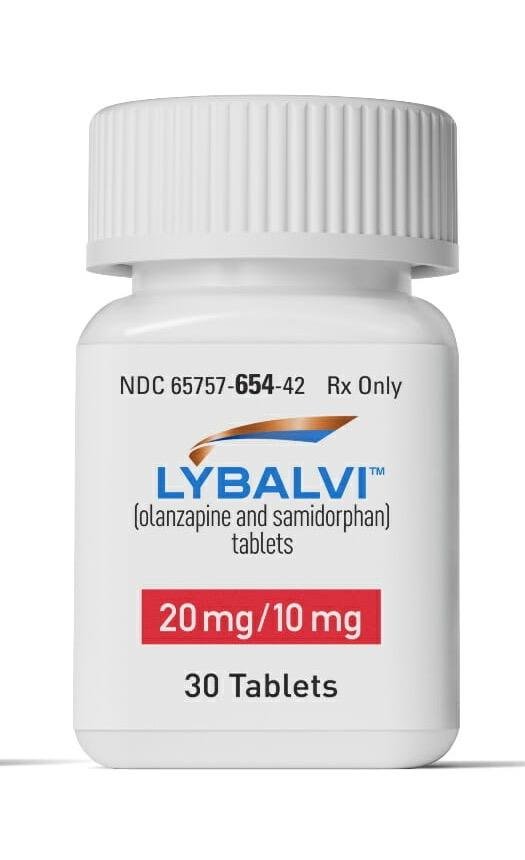
The Pharmaceutical Business Model: Why Lybalvi Matters to Investors
The pharmaceutical industry operates on a high-risk, high-reward model where the “Money” niche is dominated by R&D expenditures versus long-term patent yields. Lybalvi stands as a prime example of how companies can breathe new financial life into existing molecules by solving a secondary problem. Olanzapine (originally marketed as Zyprexa by Eli Lilly) has long been a gold standard for efficacy but was plagued by significant weight gain, which impacted its long-term marketability and patient compliance.
Market Positioning and Competitive Edge
From a business finance perspective, Lybalvi’s competitive edge lies in its “added value” proposition. By pairing olanzapine with samidorphan (an opioid antagonist designed to mitigate weight gain), Alkermes created a premium product in a crowded market. Investors look for this type of differentiation because it allows for a higher price point than generic olanzapine. In the world of business finance, this is known as price skimming or value-based pricing, where the company charges a premium for the added benefit of weight management—a major factor in the multi-billion dollar mental health sector.
Patent Lifecycle and Revenue Protection
One of the most critical aspects of pharmaceutical investing is the “patent cliff.” When a drug loses patent protection, its revenue usually drops by 80% or more as generics enter the market. Alkermes strategically developed Lybalvi to extend the revenue-generating life of olanzapine-based therapy. By securing new patents for the combination and the specific samidorphan molecule, the company has created a “moat” around its market share. For those looking at long-term financial tools and stock portfolios, understanding these patent timelines is essential for predicting a company’s cash flow over the next decade.
Analyzing the Financial Impact of FDA Approval and Market Entry
The financial journey of a drug like Lybalvi begins long before it reaches the pharmacy shelf. It involves years of capital allocation, clinical trials, and regulatory navigation. When Lybalvi received FDA approval in June 2021, it triggered a series of financial shifts for Alkermes, moving the asset from the “Research and Development” column to the “Commercial Revenue” column.
The Cost-Benefit Ratio of Samidorphan Integration
The development of samidorphan was a significant capital investment. In business finance, the Return on Investment (ROI) for a new drug must account for the hundreds of millions spent in Phase I, II, and III trials. For Lybalvi, the financial gamble was whether the mitigation of weight gain would be significant enough to convince insurance payers to list it on their preferred formularies. If a drug is too expensive and the benefit is marginal, the “Money” aspect fails. However, because weight gain leads to expensive secondary conditions like diabetes (which costs the healthcare system billions), Lybalvi has a strong financial argument for reimbursement.
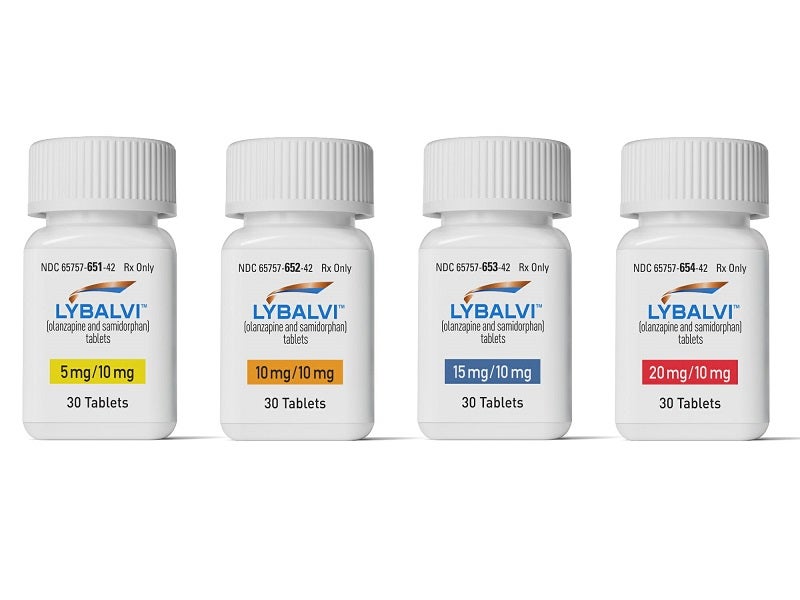
Stock Performance and Analyst Expectations for Alkermes
Since the launch of Lybalvi, financial analysts have closely monitored Alkermes’ quarterly earnings. The “Money” story here is one of growth trajectories. Investors analyze the “uptake curve”—how quickly doctors switch patients from generics to the branded Lybalvi. A steep uptake curve usually correlates with a rising stock price (ALKS). For those focused on side hustles in stock trading or professional investing, tracking the prescription data (TRx and NRx) for Lybalvi provides a data-driven way to value the company’s specialty medicines portfolio.
Strategic Investment Considerations in the Mental Health Sector
Investing in the mental health sector requires an understanding of both the clinical need and the financial ecosystem of healthcare. Lybalvi represents a specific sub-sector: the “atypical antipsychotic” market, which is worth billions globally.
Market Share Acquisition in the Antipsychotic Space
Lybalvi’s primary financial goal is to capture market share from established players like Bristol Myers Squibb (Abilify) and Janssen (Invega). In business terms, this is a “market share grab.” Alkermes employs a massive sales force to target high-prescribing psychiatrists. The cost of this sales force is a major line item in their financial statements. Investors must weigh the Selling, General, and Administrative (SG&A) expenses against the growing revenue. If the revenue grows faster than the sales costs, the company achieves “operating leverage,” which is a “green flag” for financial health.
Risk Assessment: Regulatory Hurdles and Insurance Coverage
No financial analysis is complete without a risk assessment. For Lybalvi, the primary financial risk is the “Payer Landscape.” In the United States, Pharmacy Benefit Managers (PBMs) hold the keys to the kingdom. If PBMs decide that Lybalvi is too expensive and require patients to “fail” on cheaper generics first (a process called step therapy), it slows down revenue. Financial experts analyze “Gross-to-Net” (GTN) spreads—the difference between the list price of the drug and the actual money the company keeps after rebates and discounts to insurers. A narrowing GTN spread is a risk to the bottom line.
The Future of Biotech Investing: Scaling Through Innovation
As we look at the future of pharmaceutical finance, Lybalvi serves as a template for how “Mid-Cap” biotech companies can scale into major industry players. The success of this one product can provide the capital necessary for future acquisitions and the development of new pipelines.
Long-term Growth Projections for the Lybalvi Portfolio
Financial modeling for Lybalvi often extends 10 to 15 years into the future. Analysts project peak sales, which for Lybalvi are estimated by some to reach $700 million to $1 billion annually. This level of cash flow is transformative for a company’s balance sheet. It allows for debt reduction, share buybacks, or reinvestment into “Next-Gen” digital health tools and AI-driven drug discovery. For the individual investor, seeing a drug move from “Launch Phase” to “Growth Phase” is where the most significant wealth creation occurs.
Diversification and the Role of Specialty Pharma
Lybalvi is a cornerstone of Alkermes’ diversification strategy. In business finance, relying on a single product is dangerous. However, by using the profits from Lybalvi to fund their oncology (cancer) research and other neuroscience projects, Alkermes is practicing classic portfolio diversification. This reduces the “single-point-of-failure” risk and makes the company a more attractive target for acquisition by “Big Pharma” giants like Pfizer or Novartis. An acquisition usually comes with a significant premium on the stock price, providing a lucrative exit strategy for investors.
In conclusion, “What is Lybalvi?” is a question that can be answered through the lens of medical science, but for those in the Tech, Brand, and Money sectors, it is most importantly a story of strategic financial engineering. It is a product that addresses a costly medical side effect, leverages patent law to protect market share, and serves as a primary revenue engine for a major biotech entity. Whether you are a retail investor looking for the next growth stock or a business analyst studying the pharmaceutical market, Lybalvi represents the complex intersection of healthcare needs and capitalistic opportunity. Understanding its financial mechanics is key to navigating the broader landscape of pharmaceutical and biotech investing.
aViewFromTheCave is a participant in the Amazon Services LLC Associates Program, an affiliate advertising program designed to provide a means for sites to earn advertising fees by advertising and linking to Amazon.com. Amazon, the Amazon logo, AmazonSupply, and the AmazonSupply logo are trademarks of Amazon.com, Inc. or its affiliates. As an Amazon Associate we earn affiliate commissions from qualifying purchases.