
The question of “what a PA earns” is one of the most frequent inquiries in the realms of career planning and personal finance. However, the answer is multifaceted, depending heavily on whether the “PA” refers to a Physician Assistant in the medical field or a Personal Assistant within the corporate and executive sectors. Both roles are vital components of their respective industries, but their financial trajectories, bonus structures, and long-term wealth-building potential differ significantly.
In today’s shifting economic landscape, understanding the earning power of these roles is essential for anyone looking to maximize their human capital. This guide explores the financial intricacies of PA roles, the variables that influence total compensation, and the strategic moves necessary to reach the upper echelons of these pay scales.

The Financial Landscape of the Physician Assistant Profession
In the medical sector, the Physician Assistant (PA) role has consistently ranked as one of the best jobs for high return on investment (ROI). Unlike surgeons or specialists who may spend a decade in training while accumulating massive debt, a PA can enter the workforce with a master’s degree and begin earning a six-figure salary relatively quickly.
Median Salaries and Entry-Level Expectations
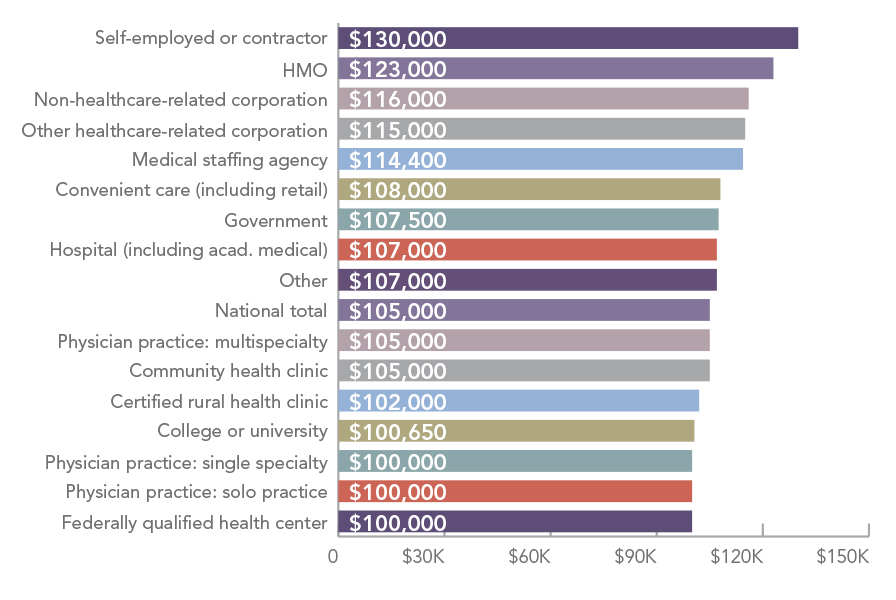
According to recent labor statistics and financial reports, the median annual wage for Physician Assistants hovers between $125,000 and $130,000. For entry-level professionals, the starting salary is rarely meager; most new graduates can expect to see offers ranging from $95,000 to $110,000, depending on their geographic location and the setting of the facility.
From a personal finance perspective, this high floor allows for aggressive debt repayment or early investment. Because the educational path is shorter than that of a physician, the “opportunity cost” of staying out of the workforce is lower, allowing PAs to begin compounding their wealth in their mid-to-late 20s.
Top-Paying Specialties in Medicine
Not all PA roles are created equal when it comes to the bottom line. Specialized PAs often command a premium due to the complexity of the work and the revenue they generate for a practice.
- Cardiovascular and Cardiothoracic Surgery: These PAs often earn at the top of the bracket, sometimes exceeding $160,000 to $180,000 per year.
- Dermatology: Known for a better work-life balance and high profitability, dermatology PAs can earn substantial bonuses based on procedures and cosmetic treatments.
- Emergency Medicine: Due to the high-stress environment and shift differentials, PAs in the ER often see significant increases in their base pay through overtime and holiday premiums.
Geographic Impact on Physician Assistant Income
In the world of finance, location is a primary driver of purchasing power. A PA earning $150,000 in San Francisco may have less discretionary income than a PA earning $120,000 in a low-cost-of-living area like Indianapolis or San Antonio.
High-Cost vs. Low-Cost Regions
The highest salaries for PAs are typically found in states like California, New York, and Washington. In these hubs, it is not uncommon for experienced PAs to earn over $170,000. However, when calculating “real” earnings, one must account for state income taxes and housing costs.
For example, a PA in Texas—a state with no state income tax—might retain a larger percentage of their gross income compared to a peer in New York City. For a professional looking to build a robust investment portfolio, choosing a location with a favorable tax climate and moderate housing costs can accelerate financial independence by several years.
The Rural Incentive and Financial Bonuses
An often-overlooked financial strategy for PAs is working in “Health Professional Shortage Areas” (HPSAs). To attract talent to rural or underserved areas, the federal government and private healthcare systems offer significant financial incentives. These can include:
- Student Loan Repayment Programs: Some programs offer $50,000 or more toward student loans in exchange for a two-year commitment.
- Sign-on Bonuses: It is common for rural hospitals to offer $10,000 to $30,000 as an upfront sign-on bonus.
- Relocation Allowances: Fully covered moving expenses can save a professional thousands in post-tax dollars.
The Corporate PA: Earnings of Personal and Executive Assistants
Shifting focus to the business world, a Personal Assistant (PA) or Executive Assistant (EA) serves as the right hand to high-net-worth individuals or C-suite executives. While the entry-level floor is lower than that of a medical PA, the ceiling for elite corporate PAs is surprisingly high, sometimes rivaling the salaries of middle management.
Navigating the Executive Support Salary Scale
In the corporate sector, a junior Personal Assistant might start at $50,000 to $65,000. However, as one moves into the role of an Executive Assistant to a CEO of a Fortune 500 company or a high-profile hedge fund manager, the numbers change drastically. Senior EAs in major financial hubs like London, New York, or Hong Kong can earn base salaries between $120,000 and $160,000.
The value of a corporate PA is measured in “time saved” for the executive. In high-finance environments where an executive’s hour is worth thousands of dollars, a PA who manages logistics, communications, and operations flawlessly becomes an indispensable asset, justified by a high salary.
Performance Bonuses and Total Compensation Packages
One of the key differences in corporate PA earnings is the structure of the compensation package. Unlike medical roles, which are often salary-based, corporate PAs often participate in:
- Discretionary Bonuses: At the end of a successful fiscal year, an EA might receive a bonus ranging from 10% to 30% of their base salary.
- Equity and Stock Options: In the tech sector, PAs may be granted RSUs (Restricted Stock Units), which can lead to significant wealth if the company’s valuation grows.
- Perks as Indirect Income: High-level PAs often receive perks that reduce their personal expenses, such as paid travel, high-end tech gadgets, and premium health insurance, all of which contribute to their overall financial health.
Strategic Financial Growth and Career Longevity
Regardless of the type of PA role, maximizing earnings requires more than just showing up for work. It requires a strategic approach to “career compounding.”
Maximizing ROI: Education vs. Lifetime Earnings
For those in the medical field, the decision to pursue a PA degree versus an MD is a classic financial calculation. While a doctor eventually earns more, the “break-even” point—the age at which the doctor’s cumulative net worth exceeds the PA’s—often doesn’t occur until their 40s or 50s due to the PA’s head start in the workforce.
To maximize this advantage, a PA should focus on early investment. By putting the initial high salary into 401(k)s, IRAs, or brokerage accounts during their 20s, a PA can utilize the power of time to build a retirement fund that rivals those with much higher peak salaries.
Side Hustles and Consulting for PAs
Modern professionals are increasingly diversifying their income streams.
- Medical PAs can engage in “Locum Tenens” work—traveling to facilities with temporary staffing shortages for significantly higher hourly rates (often $100-$150/hour plus expenses). They can also act as legal medical consultants or adjunct professors.
- Corporate PAs often leverage their organizational skills to start “Virtual Assistant” agencies or provide freelance lifestyle management for multiple clients, effectively turning their expertise into a scalable business.
Future Outlook: Inflation, Demand, and Salary Trends
As we look toward the next decade, the earning potential for PAs remains bullish. The “silver tsunami” (the aging baby boomer population) ensures that the demand for medical PAs will outstrip supply, which naturally puts upward pressure on wages. In many states, legislative changes are allowing PAs to practice with more autonomy, which increases their value to healthcare systems.
In the corporate world, as the global economy becomes more complex, the need for high-level “gatekeepers” and operational experts remains steady. Even with the rise of AI, the nuanced judgment, emotional intelligence, and high-level problem-solving of a human PA remain irreplaceable for top-tier executives.

Conclusion: Evaluating the Total Value
When asking “what does a PA earn,” the numerical salary is only one part of the equation. To truly understand the financial value of the role, one must look at the stability of the income, the speed of entry into the workforce, and the potential for performance-based bonuses.
For the medical Physician Assistant, the path leads to a stable, high-income career with immense social utility and strong ROI. For the corporate Personal Assistant, the path offers the potential for high-stakes networking, significant bonuses, and a front-row seat to wealth creation at the highest levels of business. In either case, the PA role stands as a testament to how specialized skills and efficient support can command a premium in the modern economy. For those who manage their earnings wisely, a career as a PA is not just a job, but a powerful engine for long-term financial prosperity.
aViewFromTheCave is a participant in the Amazon Services LLC Associates Program, an affiliate advertising program designed to provide a means for sites to earn advertising fees by advertising and linking to Amazon.com. Amazon, the Amazon logo, AmazonSupply, and the AmazonSupply logo are trademarks of Amazon.com, Inc. or its affiliates. As an Amazon Associate we earn affiliate commissions from qualifying purchases.