
In the modern marketplace, the intersection of social history and corporate strategy has become a critical focal point for brand longevity. As we explore the question “What is Loving Day?”, we must look beyond the historical date and delve into its significance as a benchmark for inclusive brand strategy, corporate identity, and the evolution of consumer expectations.
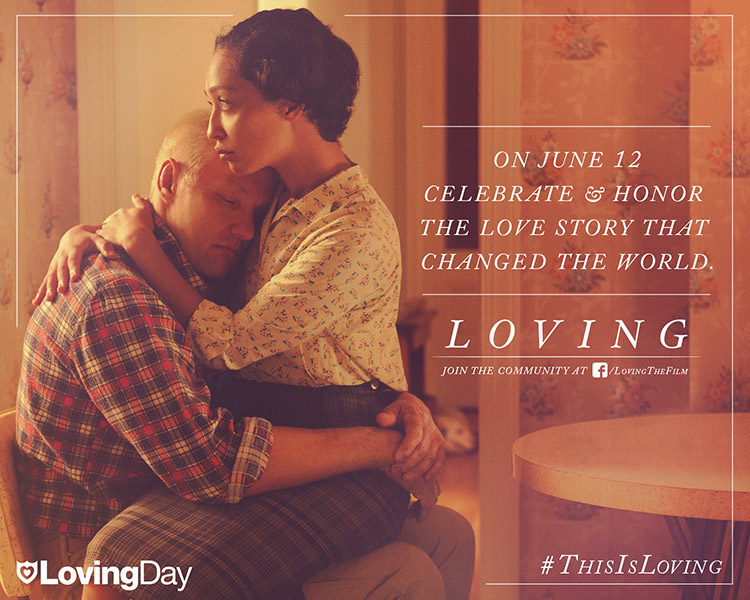
Loving Day, observed annually on June 12th, commemorates the 1967 landmark Supreme Court decision in Loving v. Virginia, which struck down all state laws banning interracial marriage. While it began as a celebration of a legal victory for civil rights, it has transformed into a powerful cultural symbol. For brand strategists and marketing professionals, Loving Day represents more than a calendar event; it is a litmus test for a brand’s commitment to diversity, equity, and inclusion (DEI) and its ability to connect with an increasingly multicultural demographic.
The Strategic Importance of Loving Day in Brand Value Alignment
In the current era of “belief-driven buying,” consumers no longer view products in a vacuum. They align themselves with brands that mirror their personal values. Loving Day offers a unique opportunity for brands to demonstrate their understanding of social progress and human rights.
Defining the History as a Brand Foundation
To authentically integrate Loving Day into a brand strategy, one must first understand the narrative of Richard and Mildred Loving. Their journey from a small town in Virginia to the highest court in the land is a story of resilience, justice, and the fundamental right to love. From a branding perspective, this narrative provides a “North Star” for companies aiming to communicate themes of unity and courage. When a brand acknowledges Loving Day, it isn’t just celebrating a court case; it is signaling to its audience that it values the sanctity of the individual and the progress of society.
Why Social Milestones Matter to Brand DNA
A brand’s “DNA” is the collection of values and missions that define its existence. In the past, brands often remained neutral on social issues to avoid alienating potential customers. However, the modern digital landscape has shifted this paradigm. Silence is now often interpreted as complicity or a lack of core values. By incorporating historical milestones like Loving Day into their corporate identity, brands build a more robust, multidimensional persona that resonates with the complexities of human experience.
Moving from Neutrality to Advocacy
The transition from being a “neutral vendor” to a “social advocate” is a delicate strategic move. Loving Day serves as an entry point for brands to practice advocacy that is grounded in historical fact rather than fleeting trends. This movement helps insulate a brand against “cancel culture” by establishing a long-term track record of supporting civil liberties, thereby strengthening its reputation and authority in the social justice space.
Building an Inclusive Corporate Identity through Historical Recognition
The way a brand recognizes Loving Day can either bolster its credibility or expose its lack of depth. This section explores how to operationalize inclusivity within a brand’s visual and communicative framework.
Authenticity vs. Performative Marketing
The greatest risk a brand faces when engaging with Loving Day is the perception of “performative activism”—the act of making a superficial gesture toward a cause without taking meaningful action. To avoid this, brand strategists must ensure that the recognition of Loving Day is backed by internal policies. If a brand celebrates interracial families in its advertisements but lacks diversity in its boardroom, the mismatch will eventually lead to a brand crisis. Authenticity is the currency of the modern brand; it requires a holistic alignment between external messaging and internal operations.
Visual Representation and Digital Assets
For brands in the design and marketing space, Loving Day is an opportunity to audit their visual language. Inclusive branding means ensuring that digital assets—from social media imagery to website stock photos—reflect the reality of the global population. This isn’t about meeting a “quota”; it is about accurate representation. By featuring diverse families and stories on Loving Day, brands demonstrate that their products and services are designed for everyone, regardless of racial or ethnic background.

Case Studies: Brands that Lead with Inclusivity
Several global brands have successfully integrated the spirit of Loving Day into their corporate identity. For example, brands like Airbnb and Ben & Jerry’s have historically used their platforms to advocate for civil rights, using Loving Day as a moment to educate their followers through long-form content and storytelling. These brands do not just post a graphic; they provide context, link to historical resources, and highlight the ongoing work required to maintain equality. These case studies prove that when social advocacy is integrated into a brand’s core strategy, it yields higher engagement and deeper customer loyalty.
The Strategic Impact of DEI on Consumer Loyalty and Market Share
Beyond the ethical considerations, there is a clear business case for why brands should care about Loving Day. The demographic shifts in the global market make inclusive branding a financial necessity.
Appealing to Gen Z and the Alpha Generation
The youngest generations of consumers are the most diverse in history. For Gen Z and the emerging Generation Alpha, the concept of a “post-racial” society is not just an ideal; it is their reality. They expect the brands they support to be active participants in the conversation about equality. By recognizing Loving Day, a brand positions itself as a forward-thinking entity that understands the cultural nuances of its future customer base. Failing to recognize these milestones can lead to brand obsolescence as younger consumers migrate toward companies that represent their worldview.
The ROI of Emotional Connection
Branding is, at its heart, the art of building an emotional connection. Loving Day is inherently emotional—it is a celebration of love over legal barriers. When a brand taps into this sentiment authentically, it creates a “sticky” relationship with its audience. This emotional ROI manifests in higher retention rates, word-of-mouth marketing, and a “brand halo” effect that makes consumers more likely to forgive the brand during minor missteps.
Building Long-term Trust through Social Milestones
Trust is the most difficult asset for a brand to acquire and the easiest to lose. Consistency is the key to building trust. By making Loving Day a recurring part of the annual marketing calendar, a brand demonstrates that its commitment to diversity is not a one-off reaction to current events, but a permanent part of its corporate strategy. Over time, this consistency builds a reservoir of goodwill that distinguishes the brand from competitors who only engage with social issues when it is convenient.
Operationalizing Loving Day: Internal Branding and Culture
A brand’s external identity is a reflection of its internal culture. To truly understand and celebrate Loving Day, a company must look inward.
Empowering Employee Resource Groups (ERGs)
The most effective brand strategies for Loving Day are often those that are “bottom-up” rather than “top-down.” Employee Resource Groups (ERGs) play a vital role in this. By empowering employees from diverse backgrounds to lead the conversation around Loving Day, companies ensure that their messaging is nuanced and respectful. This internal engagement boosts employee morale and ensures that the brand’s public-facing content is vetted by those with lived experiences.
Beyond the Calendar: Year-Round Inclusivity
The strategic pitfall of many brands is the “calendar-only” approach—celebrating Black History Month in February, Pride in June, and Loving Day on June 12th, only to return to “business as usual” for the rest of the year. Effective brand strategy requires that the values celebrated on Loving Day are woven into the company’s year-round operations. This includes diversity in hiring, inclusive product development, and equitable supply chain management. When the values of Loving Day are operationalized, the brand becomes a true leader in its niche.

Metrics of Success in DEI Branding
How does a brand measure the success of its Loving Day initiatives? While traditional metrics like social media engagement and sentiment analysis are important, the true measure of success is found in long-term brand equity. This is measured through consumer surveys on brand perception, the diversity of the brand’s talent pipeline, and the brand’s ability to maintain relevance in a multicultural market. A successful Loving Day strategy isn’t measured by a spike in sales on June 12th, but by the gradual strengthening of the brand’s reputation as an inclusive and socially responsible entity.
In conclusion, “What is Loving Day?” is a question that every brand strategist should be able to answer. It is a landmark of civil rights that offers a profound framework for building a modern, inclusive, and authentic brand identity. By moving beyond performative gestures and integrating the values of equality and unity into their core DNA, brands can build lasting connections with a global audience and secure their place in a more equitable future.
aViewFromTheCave is a participant in the Amazon Services LLC Associates Program, an affiliate advertising program designed to provide a means for sites to earn advertising fees by advertising and linking to Amazon.com. Amazon, the Amazon logo, AmazonSupply, and the AmazonSupply logo are trademarks of Amazon.com, Inc. or its affiliates. As an Amazon Associate we earn affiliate commissions from qualifying purchases.