
In the modern media landscape, a title is more than just a label; it is a brand. When audiences ask, “What is Lovecraft Country about?” they are often seeking an explanation of a complex narrative that sits at the intersection of horror and history. However, from a brand strategy perspective, Lovecraft Country—both the novel by Matt Ruff and the high-profile HBO adaptation—represents a masterclass in brand subversion. It is an intellectual property (IP) that takes the established, yet deeply problematic, “Lovecraft” brand and retools its core assets to serve a diametrically opposed message.

To understand what Lovecraft Country is about in a professional branding context, we must examine how it navigates legacy brand toxicity, employs narrative inversion as a marketing tool, and solidifies HBO’s corporate identity as a purveyor of “prestige” social commentary.
The Paradox of the Lovecraftian Brand
Before one can analyze Lovecraft Country, one must understand the “Lovecraft” brand itself. H.P. Lovecraft, the early 20th-century father of cosmic horror, created a distinct aesthetic characterized by “The Great Old Ones,” eldritch terrors, and the crushing realization of human insignificance. In branding terms, Lovecraftian horror is a “power brand” in the genre space, influencing thousands of games, movies, and books.
The Problematic Legacy of H.P. Lovecraft
The primary challenge in leveraging the Lovecraft brand is its inherent toxicity. H.P. Lovecraft was notoriously racist, and his fear of the “other” was a foundational element of his storytelling. For a modern brand, associating with this name carries significant reputational risk. Lovecraft Country addresses this head-on. Instead of ignoring the founder’s flaws, it uses them as the brand’s primary antagonist. What the story is “about,” strategically speaking, is the reclamation of a brand name by those whom the original brand sought to exclude.
The Power of the “Cthulhu” Aesthetic in Modern Marketing
Despite the creator’s personal history, the visual and atmospheric cues of Lovecraftian horror (tentacles, cosmic dread, ancient deities) remain highly marketable assets. Lovecraft Country utilizes these recognizable “brand logos” of the horror world to attract a core audience of genre fans. Once the audience is engaged, the narrative performs a bait-and-switch, replacing the imaginary monsters with the very real horrors of Jim Crow America. This is a sophisticated use of brand recognition to facilitate a much deeper, more challenging conversation.
Rebranding Horror: The Strategy of Narrative Inversion
In branding, “Narrative Inversion” occurs when a company takes the traditional expectations of a product and flips them to create a new market category. Lovecraft Country does this by shifting the focus of “the unknown.”
Flipping the Script on Protagonists
Traditionally, the Lovecraftian brand featured white, male scholars as the protagonists—figures who represented the “status quo” being disrupted by chaos. Lovecraft Country pivots this brand identity by placing Black characters at the center. By doing so, it changes the fundamental value proposition of the horror genre. The “monsters” are no longer just external, supernatural threats; they are internal, systemic social structures. From a brand strategy standpoint, this creates a “Blue Ocean” within the horror market—a space where historical drama and supernatural horror coexist in a way that feels entirely fresh to the consumer.
Using Genre Tropes as Brand Identity
Every successful brand has a “vibe” or a set of tropes that consumers rely on. Lovecraft Country expertly manages these tropes. It uses the pulpy, adventurous feel of 1950s travelogues and science fiction magazines—a brand of “Americana” that was historically segregated. By inserting Black bodies into these “All-American” brand spaces, the story acts as a corrective brand audit. It asks the viewer to reconsider what “classic American adventure” looks like and who is allowed to be the face of that brand.
The HBO Branding Synergy: High-Concept Content and Social Relevance
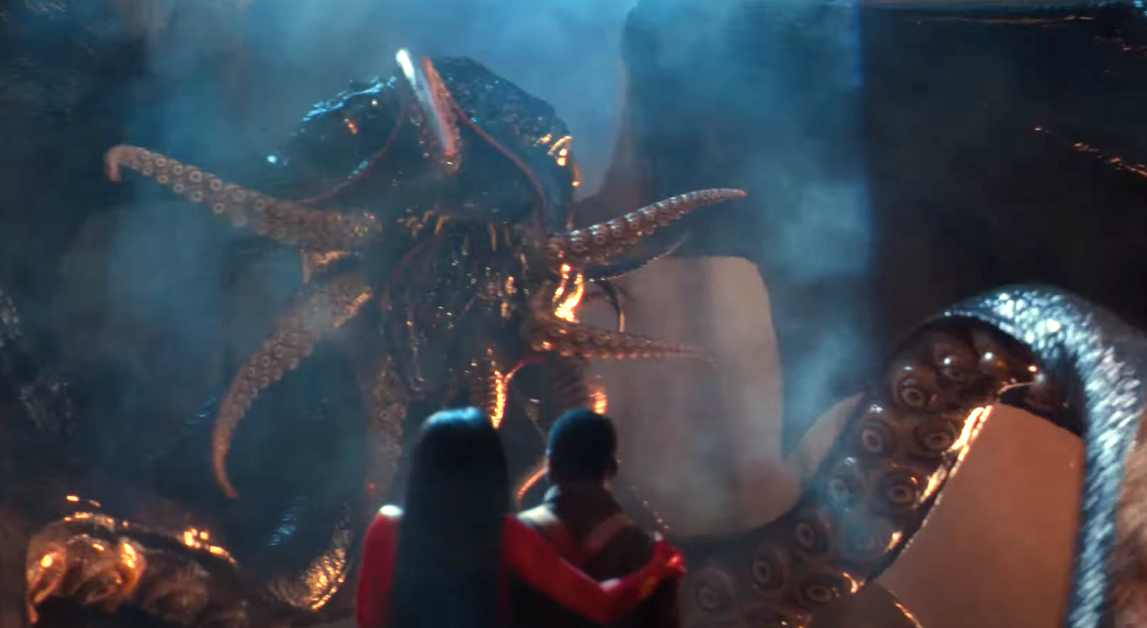
When HBO acquired the rights to Lovecraft Country, it wasn’t just buying a horror story; it was investing in a brand alignment strategy. HBO has long positioned itself as the “Gold Standard” of television—a brand that offers more than just entertainment, but cultural significance.
Prestige Television as a Marketing Tool
For HBO, Lovecraft Country served to reinforce its corporate identity as a leader in “Prestige TV.” By pairing high-budget special effects (tech-driven branding) with deep social critiques, HBO signaled to its subscribers that its content brand is intellectually rigorous. In a crowded streaming market where Netflix and Disney+ compete on volume, HBO competes on “brand weight.” Lovecraft Country is about maintaining that premium brand positioning by tackling complex themes of race, heritage, and power that “lesser” brands might avoid.
Attracting the Modern Conscientious Consumer
Modern consumers, particularly Millennials and Gen Z, gravitate toward brands that demonstrate social awareness and authenticity. Lovecraft Country perfectly targets this demographic. It is a “socially conscious brand” packaged as an entertaining thriller. By exploring the “Green Book” era through a genre lens, the show builds a brand of “Edutainment.” It provides value to the viewer not just through thrills, but through a visceral exploration of history, thereby increasing the “Brand Equity” of the series in the eyes of a socially aware audience.
Brand Lessons for Content Creators and Marketers
The success and structure of Lovecraft Country offer several key takeaways for brand strategists and creators looking to navigate difficult legacies or saturated markets.
Leveraging Nostalgia with Caution
Nostalgia is one of the most powerful tools in branding, but it is also one of the most dangerous. Lovecraft Country shows that you can leverage the aesthetic of the past (the 1950s cars, the classic horror tropes) without endorsing the prejudices of that era. This is “Critical Nostalgia”—a brand strategy that acknowledges the beauty of a vintage aesthetic while being honest about its historical context. Marketers can learn from this by ensuring that when they “reboot” or “revive” old brands, they do so with a modern ethical lens.
Building Authenticity Through Cultural Context
One of the reasons Lovecraft Country resonated so deeply was its commitment to cultural authenticity. From the soundtrack featuring contemporary Black artists to the specificities of the Black travel experience in the mid-century, the brand felt “real.” In the world of marketing, authenticity cannot be faked. A brand must understand the cultural context of its audience to build trust. Lovecraft Country is about the power of a narrative that knows exactly who it is for and what it stands for, which is the cornerstone of any legendary brand.
Embracing “Friction” as a Brand Asset
Most brands try to eliminate friction to make the consumer experience as smooth as possible. However, Lovecraft Country uses friction—the discomfort of the horror, the anger of the social injustice—as a core part of its brand identity. This “Challenging Brand” approach ensures that the content is memorable. In a sea of “safe” corporate content, a brand that isn’t afraid to make its audience uncomfortable can often achieve a higher level of engagement and long-term brand loyalty.

Conclusion: The Lasting Impact of Lovecraft Country on the Media Brand Landscape
To answer the question “What is Lovecraft Country about?” through the lens of brand strategy is to recognize it as a transformative cultural asset. It is a project that took the “Lovecraft” name—a brand synonymous with cosmic dread and exclusionary ideologies—and completely overhauled its DNA.
Through narrative inversion, HBO-backed prestige positioning, and a fearless approach to social commentary, Lovecraft Country created a new brand blueprint. It proved that you could use the “Master’s tools” (the tropes of a legendary horror creator) to dismantle the “Master’s house” (the legacy of racism inherent in the genre).
For brand managers, marketers, and creators, Lovecraft Country serves as a reminder that no brand is fixed in stone. With the right strategy, even the most problematic legacies can be reclaimed, redefined, and rebranded for a new generation. It is about the power of story to act as a brand pivot, turning a legacy of fear into a narrative of empowerment and resilience. In the end, Lovecraft Country is about the most important aspect of any brand: who gets to tell the story, and whose perspective defines the world.
aViewFromTheCave is a participant in the Amazon Services LLC Associates Program, an affiliate advertising program designed to provide a means for sites to earn advertising fees by advertising and linking to Amazon.com. Amazon, the Amazon logo, AmazonSupply, and the AmazonSupply logo are trademarks of Amazon.com, Inc. or its affiliates. As an Amazon Associate we earn affiliate commissions from qualifying purchases.