
In the intricate landscape of modern economics, terms like “minimum wage” and “living wage” are often used, sometimes interchangeably, yet they represent fundamentally different concepts with profound implications for individuals, businesses, and society at large. While the minimum wage is a legally mandated lowest hourly rate an employer can pay, often set at a level that aims to prevent exploitation and provide a basic safety net, the living wage is a far more nuanced and ambitious benchmark. It represents the income an individual must earn to afford a decent standard of living for themselves and their family, covering essential needs without the reliance on public assistance or excessive debt.
This article delves into the core definition of a living wage, exploring its components, economic and social impacts, and the various methodologies used to calculate it. We will examine why this concept is gaining increasing traction globally, not just as a moral imperative but as a pragmatic approach to fostering economic stability, reducing inequality, and building more resilient communities. Understanding the living wage is crucial for policymakers, employers, employees, and consumers alike, as it shapes the debate around fair compensation, financial well-being, and the sustainable future of our economies.
Defining the Living Wage: Beyond Bare Minimums
The concept of a living wage emerges from the recognition that an income should not merely allow survival, but rather enable an individual to participate fully in society and provide for their family’s fundamental needs. It is a critical distinction from the minimum wage, which, in many regions, falls short of this ideal, leaving countless working individuals struggling to make ends meet.
The Crucial Distinction from Minimum Wage
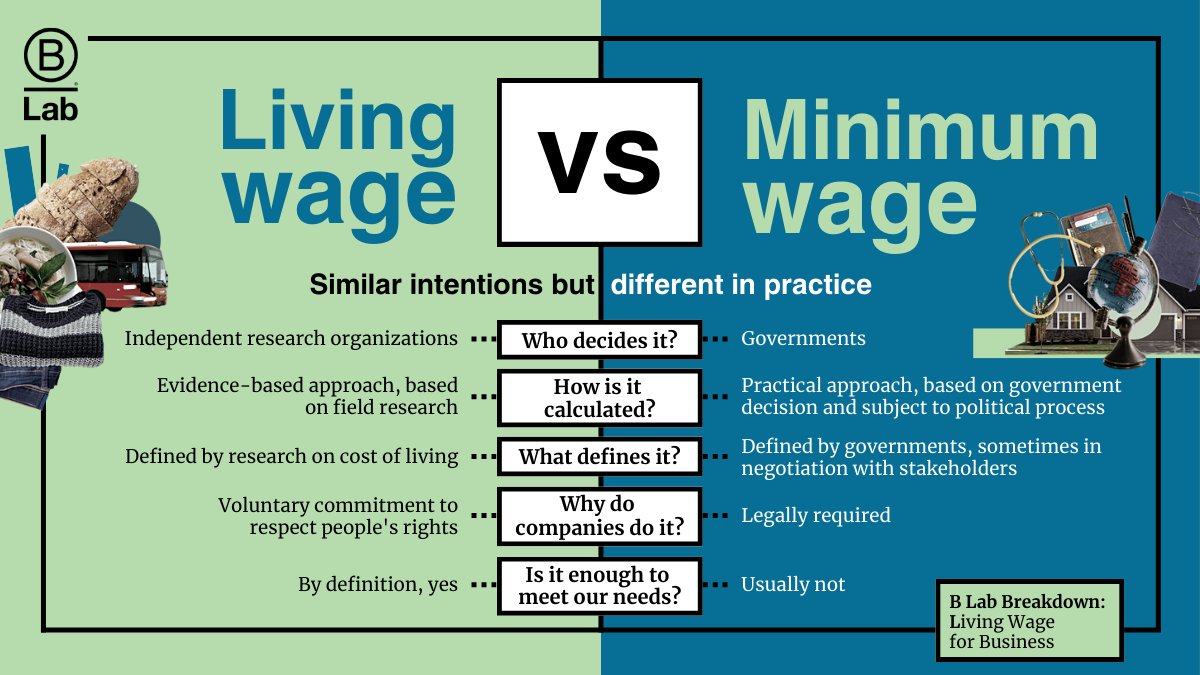
The minimum wage, mandated by law, serves as the lowest legal remuneration for work performed. Its primary goal is often to establish a floor to prevent extreme exploitation and ensure a basic income level. However, this floor is frequently determined by political compromise, economic models that may not fully reflect real-world costs, or historical benchmarks, rather than a thorough assessment of what it genuinely costs to live. Consequently, while a minimum wage aims to reduce poverty, it often fails to lift families out of it, leading to situations where full-time workers must still rely on food banks, public housing, or multiple jobs to survive.
The living wage, by contrast, is not a legal requirement but an ethical and economic standard. It is calculated to meet actual basic costs of living in a specific geographic area, factoring in necessities that the minimum wage often overlooks. It shifts the focus from merely avoiding destitution to achieving a degree of financial stability and human dignity.
Essential Components of a Living Wage Calculation
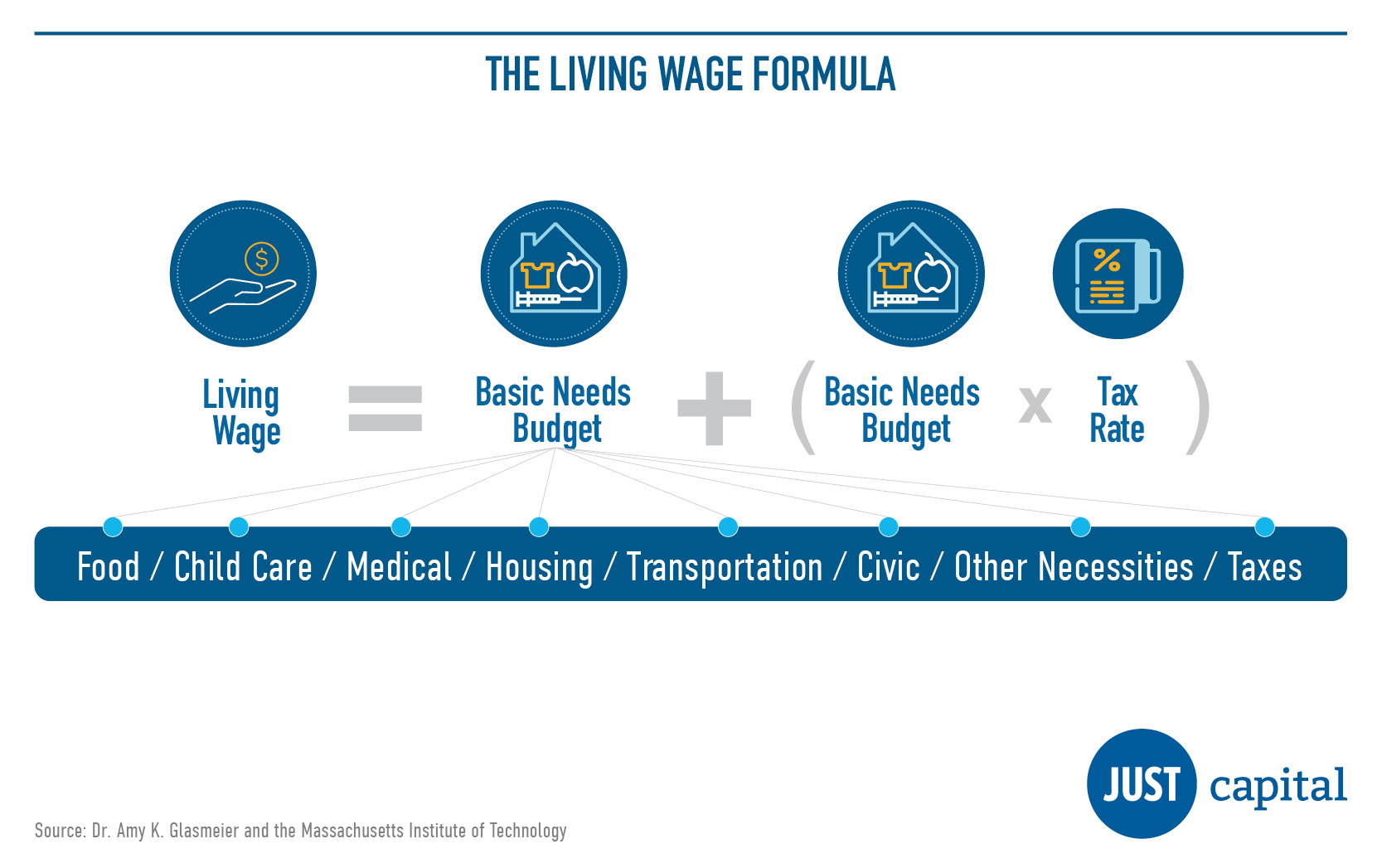
Calculating a living wage is a complex undertaking, as it must account for a comprehensive basket of goods and services that constitute a decent standard of living. These components are typically broken down into several key categories:
- Housing: This is often the largest expenditure and includes rent or mortgage payments, property taxes, utilities (electricity, heating, water), and basic maintenance. Calculations must consider the average cost of safe and adequate housing in a given region.
- Food: A living wage must cover the cost of a nutritious and balanced diet for all household members, based on local food prices and dietary guidelines. This goes beyond the cheapest possible calories to ensure health and well-being.
- Healthcare: Access to healthcare is fundamental. This component includes health insurance premiums, co-pays, prescription medications, and other out-of-pocket medical expenses not covered by insurance.
- Childcare: For families with children, childcare costs can be astronomically high, often rivaling or exceeding housing expenses. A living wage calculation must realistically account for these necessary expenses to allow parents to work.
- Transportation: This includes costs associated with commuting to work, school, and other essential activities, such as public transport fares, vehicle maintenance, fuel, insurance, and car payments.
- Other Necessities: This broad category covers a range of essential items and services:
- Clothing: Appropriate attire for work, school, and everyday life.
- Personal Care: Hygiene products, haircuts, etc.
- Education: School supplies, uniforms, and minimal funds for educational enrichment.
- Contingency/Savings: A small allowance for emergencies, modest savings, or unexpected expenses, crucial for financial resilience.
- Modest Recreation/Social Inclusion: A minimal amount for social activities or entertainment, acknowledging the human need for leisure and community participation.
These components are meticulously researched and localized, often varying significantly even within the same country, to provide an accurate reflection of what it truly costs to live.
Regional Variations and the Cost of Living
One of the most critical aspects of the living wage is its inherent variability. There is no single, universal living wage figure because the cost of living differs dramatically from one location to another. Housing prices in a major metropolitan area will far exceed those in a rural town. Food costs, transportation options, and even healthcare expenses can vary based on regional economic factors and access to services.
Organizations that calculate living wages, such as MIT’s Living Wage Calculator in the United States or the Living Wage Foundation in the UK, publish data for specific cities, counties, or regions. These calculations often differentiate based on household size (e.g., single adult, single adult with one child, two adults with two children) to provide a more accurate and applicable benchmark. This regional specificity ensures that the living wage is a realistic and relevant standard for local communities.
The Economic and Social Impact of a Living Wage
The transition towards widespread adoption of living wages carries with it a ripple effect that touches various facets of society, from individual well-being to macroeconomic stability. The impacts are complex, often debated, but increasingly supported by empirical evidence.
Benefits for Workers and Families
For individual workers and their families, earning a living wage can be transformative. The most immediate and tangible benefit is the alleviation of financial stress. When basic needs are met, individuals experience:
- Improved Health Outcomes: Less stress, better nutrition, and access to healthcare contribute to physical and mental well-being, reducing chronic health issues associated with poverty.
- Enhanced Educational Opportunities: Parents can afford school supplies, extracurricular activities, and sometimes even pursue further education or training themselves, creating a virtuous cycle for future generations.
- Increased Economic Stability and Reduced Debt: Families are less likely to fall into cycles of debt, can save for emergencies, and potentially build assets, fostering long-term financial security.
- Greater Work-Life Balance: The need to work multiple jobs or excessive hours to survive diminishes, allowing for more time with family, community engagement, and personal development.
- Boosted Morale and Dignity: Earning a fair wage for a full day’s work instills a sense of value and dignity, enhancing overall job satisfaction and self-esteem.
These individual benefits aggregate to create a more stable, healthier, and engaged workforce, contributing positively to communities.
Benefits for Businesses and the Economy

While some businesses initially express concern about increased labor costs, a strong case can be made for the long-term benefits of paying a living wage:
- Reduced Employee Turnover: Workers who are fairly compensated are more likely to stay with their employers, reducing recruitment and training costs.
- Increased Productivity and Morale: Employees who are not constantly stressed about financial insecurity are more focused, engaged, and motivated, leading to higher productivity and better quality of work.
- Improved Product Quality and Customer Service: A stable, well-trained, and motivated workforce is better equipped to deliver high-quality products and superior customer service, enhancing brand reputation.
- Lower Absenteeism: Healthier, less stressed employees are less likely to miss work due to illness or personal crises.
- Enhanced Brand Reputation and Consumer Loyalty: Businesses that commit to paying a living wage are often viewed more favorably by consumers and can attract socially conscious customers.
- Stimulated Local Economies: When low-wage workers have more disposable income, they spend it locally, stimulating demand for goods and services, and supporting other local businesses. This increased purchasing power can lead to job creation and economic growth.
- Reduced Public Costs: Fewer people relying on public assistance programs (food stamps, Medicaid, housing subsidies) means reduced strain on government budgets.
Challenges and Criticisms
Despite its numerous potential benefits, the living wage concept also faces challenges and criticisms:
- Increased Labor Costs for Businesses: This is the most common concern, particularly for small businesses and those in competitive industries with thin margins. Critics argue that higher wages could lead to job losses, reduced investment, or businesses relocating to areas with lower labor costs.
- Inflationary Pressures: Some economists worry that significant increases in wages could lead to a general rise in prices, negating the purchasing power gains for workers.
- Complexity of Calculation: The regional variability and the need to constantly update calculations based on fluctuating costs of living make it a complex standard to implement and enforce.
- Impact on Low-Skilled Jobs: Concerns are sometimes raised that if wages for entry-level or low-skilled jobs rise too high, businesses might invest more in automation or reduce the number of such positions.
- Definition of “Decent Standard of Living”: What constitutes a “decent standard” can be subjective and change over time, leading to debates about what should or should not be included in the calculation.
Addressing these criticisms often involves a combination of phased implementation, support for small businesses, and a broader economic strategy that includes workforce development and productivity enhancements.
Calculating and Implementing a Living Wage
The theoretical understanding of a living wage needs to translate into practical application. This involves robust methodologies for calculation and strategies for its adoption across various sectors.
Methodologies and Organizations Behind the Numbers
Several reputable organizations worldwide are dedicated to calculating and advocating for living wages. Their methodologies typically involve:
- Market Basket Approach: This is the most common method. Researchers identify a comprehensive list of essential goods and services (the “market basket”) for a household of a specific size and composition in a given area. They then price each item in the local market.
- Poverty Line Plus Approach: Some methods start with an official poverty line and then add a percentage to account for costs beyond absolute destitution, aiming for a more dignified standard of living.
- Minimum Income Standard (MIS): This approach, often used in the UK, involves focus groups of ordinary citizens determining what income is needed to achieve a socially acceptable minimum standard of living, accounting for both necessities and social participation.
Prominent organizations include the Living Wage Foundation (UK), which certifies employers committed to paying a real living wage based on the cost of living; the MIT Living Wage Calculator (USA), which provides detailed data for every county in the U.S.; and various regional research institutions and advocacy groups that tailor calculations to their specific contexts. These organizations constantly update their figures to reflect current economic realities.
Employer Adoption and Certification Programs
While not legally mandated, many businesses are voluntarily adopting living wage policies. This trend is driven by a combination of factors:
- Ethical Considerations: Companies recognize their social responsibility to ensure their employees can live with dignity.
- Business Benefits: As discussed earlier, businesses realize the tangible benefits of reduced turnover, increased productivity, and enhanced reputation.
- Consumer Pressure: A growing segment of consumers prefers to support businesses that treat their employees fairly.
- Employee Engagement: Attracting and retaining top talent, especially in competitive markets, can be easier for companies offering a living wage.
To support this voluntary adoption, certification programs have emerged. Organizations like the Living Wage Foundation in the UK and Living Wage for US offer accreditation to employers who commit to paying all their employees (including contractors) a certified living wage. These certifications provide a credible stamp of approval, signaling to consumers and job seekers a company’s commitment to fair labor practices. The process typically involves an application, verification of wage rates, and ongoing monitoring.
Policy Implications and Advocacy
The living wage is not solely a corporate responsibility; it also has significant policy implications. Advocacy for a living wage often focuses on:
- Raising the Statutory Minimum Wage: While distinct, efforts to raise the minimum wage closer to a living wage standard are a common policy goal.
- Targeted Subsidies and Support: Governments can complement living wage efforts by providing support in high-cost areas, such as affordable housing initiatives or universal childcare, which indirectly reduces the income needed to achieve a living wage.
- Procurement Policies: Local and national governments can mandate that contractors and suppliers they work with pay a living wage, using their purchasing power to drive change.
- Public Awareness Campaigns: Educating the public about the difference between minimum and living wages, and the societal benefits of the latter, is crucial for building broad support.
Policymakers face the challenge of balancing economic competitiveness with social equity. Debates often revolve around the pace of implementation, the specific industries affected, and the support mechanisms needed for businesses during the transition. However, the growing evidence of positive impacts strengthens the case for public policy to facilitate the movement towards living wage economies.
The Difference It Makes: Towards a Sustainable Future
The debate surrounding the living wage is not merely academic; it has tangible impacts on individual lives and the fabric of society. Moving towards a living wage future is seen by many as a critical step in building more equitable, resilient, and economically vibrant communities.
The pursuit of a living wage is, at its heart, an investment. It is an investment in human capital, recognizing that when individuals are financially secure, they are better able to contribute to their families, their workplaces, and their communities. It is an investment in economic stability, understanding that a stronger consumer base and reduced reliance on public services foster more robust local economies. Ultimately, what is a living wage? It is a benchmark for economic justice, a commitment to human dignity, and a practical pathway towards a more sustainable and prosperous future for all.
aViewFromTheCave is a participant in the Amazon Services LLC Associates Program, an affiliate advertising program designed to provide a means for sites to earn advertising fees by advertising and linking to Amazon.com. Amazon, the Amazon logo, AmazonSupply, and the AmazonSupply logo are trademarks of Amazon.com, Inc. or its affiliates. As an Amazon Associate we earn affiliate commissions from qualifying purchases.