
In the intricate dance of supply and demand that defines market economies, prices typically adjust freely to reach equilibrium, reflecting the value consumers place on goods and services and the cost producers incur to provide them. However, there are instances where market forces alone may lead to outcomes deemed socially or economically undesirable. It is in these situations that governments sometimes intervene, imposing controls designed to steer markets toward specific objectives. One such intervention is the price ceiling—a maximum price set by law that can be charged for a good or service. This economic tool, while often implemented with benevolent intentions to protect consumers and ensure affordability, carries a complex array of potential consequences that can ripple through personal finance, business operations, and the broader economy.
Understanding Price Ceilings: A Fundamental Economic Tool
A price ceiling is more than just a number; it’s a policy instrument with profound implications for how markets function and how individuals and businesses manage their finances. Its theoretical underpinnings and practical application are crucial for anyone seeking to understand economic policy and its impact on everyday life.
Defining the Price Ceiling
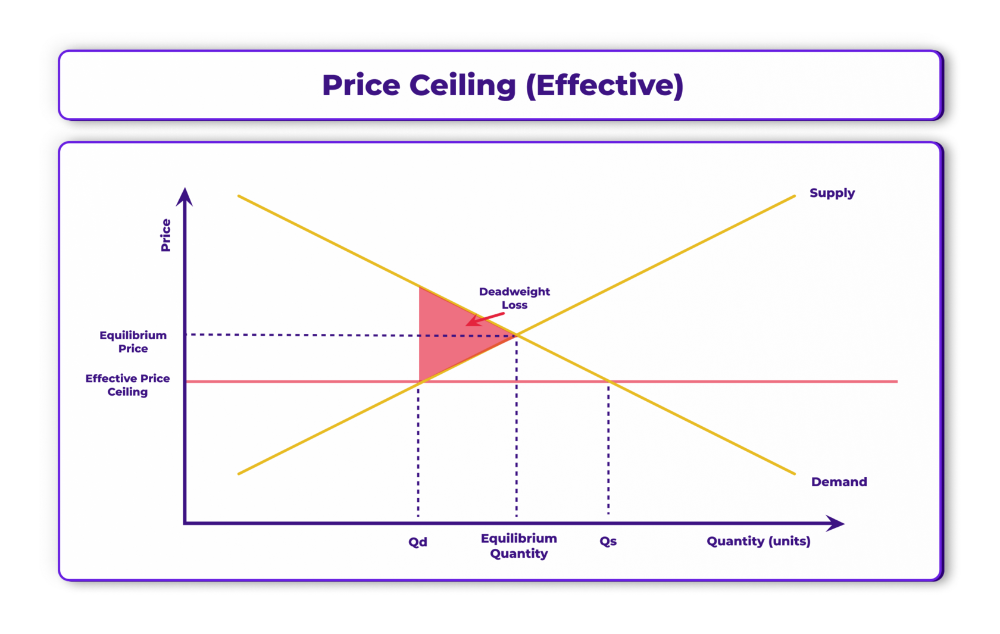
At its core, a price ceiling is a legally mandated maximum price. This means that sellers are prohibited from charging more than this specified limit, regardless of what market forces of supply and demand might otherwise dictate. The ceiling is always set below the equilibrium price—the price that would naturally prevail in a free market where the quantity demanded equals the quantity supplied. If a price ceiling were set above the equilibrium price, it would be non-binding, as the market price would simply settle below it naturally, rendering the ceiling irrelevant. The true impact of a price ceiling comes into play only when it actively prevents prices from rising to their natural market-clearing level.
The Rationale Behind Price Ceilings
The primary motivation for imposing a price ceiling is typically to protect consumers, especially those with lower incomes, from what is perceived as exploitative or unaffordable prices for essential goods and services. Governments might intervene to:
- Ensure Affordability: For necessities like housing, food, or energy, price ceilings can make these items accessible to a wider segment of the population.
- Prevent Exploitation: In times of crisis, natural disaster, or market monopolies, price gouging can occur. Ceilings aim to curb such practices, ensuring fair access to vital resources.
- Reduce Inflationary Pressures: While less common for this purpose, in specific sectors, price ceilings can be used as part of a broader strategy to control rising costs.
- Support Social Equity: By making certain goods and services cheaper, price ceilings can contribute to a more equitable distribution of resources, aligning with social welfare objectives.
How Price Ceilings Are Implemented
Implementation of price ceilings can vary significantly. They might be national laws, state-level regulations, or municipal ordinances. For instance, a city council might pass a rent control law, or a federal government might impose price caps on certain pharmaceutical drugs or during national emergencies. The enforcement mechanism often involves regulatory bodies, fines for non-compliance, and public awareness campaigns. Businesses operating in regulated markets must meticulously track these limits, as violations can lead to severe penalties, affecting their bottom line and reputation. For consumers, understanding these ceilings can empower them to recognize and report potential overcharging, protecting their personal finances.
Real-World Manifestations: Classic Examples of Price Ceilings
While the concept of a price ceiling is theoretical, its application has been widespread throughout history and across various sectors of the economy. Examining concrete examples provides invaluable insight into both their intended effects and their often-complex real-world outcomes.
Rent Control: A Widespread Application
Perhaps the most common and widely debated example of a price ceiling in modern economies is rent control. Many cities and municipalities around the world implement rent control policies to address housing affordability crises. Under rent control, landlords are legally restricted from charging more than a certain amount for rental units, or from increasing rent by more than a specified percentage annually. The goal is to make housing more affordable for tenants, especially long-term residents and low-income individuals, preventing displacement due to rapidly increasing market rents.
For instance, in cities like New York, San Francisco, and Berlin, various forms of rent control exist. In these markets, the demand for housing often far outstrips supply, leading to rapidly escalating rents. Rent control is introduced to cap these prices, theoretically ensuring that existing tenants can afford to stay in their homes. From a personal finance perspective, this can significantly reduce housing costs for those lucky enough to secure a rent-controlled apartment, freeing up income for other expenses or savings.
Utility Price Caps: Ensuring Affordability
Another crucial area where price ceilings are often applied is in public utilities, such as electricity, natural gas, and water. Utility companies often operate as natural monopolies, meaning it’s inefficient for multiple companies to provide the same service (e.g., laying multiple sets of power lines). Without regulation, these monopolies could charge exorbitant prices. Consequently, government bodies—like public utility commissions—often impose price caps on the rates these companies can charge consumers.
These caps ensure that essential services remain affordable for households and businesses, preventing utilities from exploiting their dominant market position. For instance, a state regulatory commission might set a maximum kilowatt-hour rate for electricity or a maximum therm rate for natural gas. This directly impacts household budgets, making energy costs predictable and manageable for families and businesses alike.
Emergency Price Controls: Crisis Management
In times of national crisis, such as natural disasters, pandemics, or wars, governments frequently resort to emergency price controls to prevent price gouging on essential goods. Following a hurricane, for example, states might enact laws prohibiting gasoline stations, hardware stores, or hotels from drastically increasing prices for necessary supplies like water, generators, or accommodation. The aim is to ensure that critical items remain accessible to the affected population and to prevent unscrupulous businesses from exploiting vulnerability.
During the initial phases of the COVID-19 pandemic, many jurisdictions implemented price ceilings on items like face masks, hand sanitizer, and essential medical supplies to curb exorbitant price increases driven by panic buying and opportunistic sellers. These measures, while temporary, are a clear demonstration of price ceilings being used as a tool for social protection during extraordinary circumstances.
The Double-Edged Sword: Economic Impacts of Price Ceilings
While the intentions behind price ceilings are generally benevolent, their economic effects are complex and often extend beyond the immediate goal of lower prices. They can create both intended benefits and unintended consequences that warrant careful consideration.
Intended Benefits: Protecting Consumers and Ensuring Access
The most immediate and obvious benefit of a price ceiling, for those it successfully targets, is lower prices. This can significantly alleviate financial burdens for consumers, especially for necessities. For instance, a family living in a rent-controlled apartment saves a substantial amount of money each month, which can then be allocated to food, education, healthcare, or savings. This increased disposable income can improve the quality of life and reduce financial stress. By making essential goods more affordable, price ceilings can also promote greater equity and access, ensuring that even lower-income individuals can afford basic necessities.
Unintended Consequences: Shortages and Black Markets
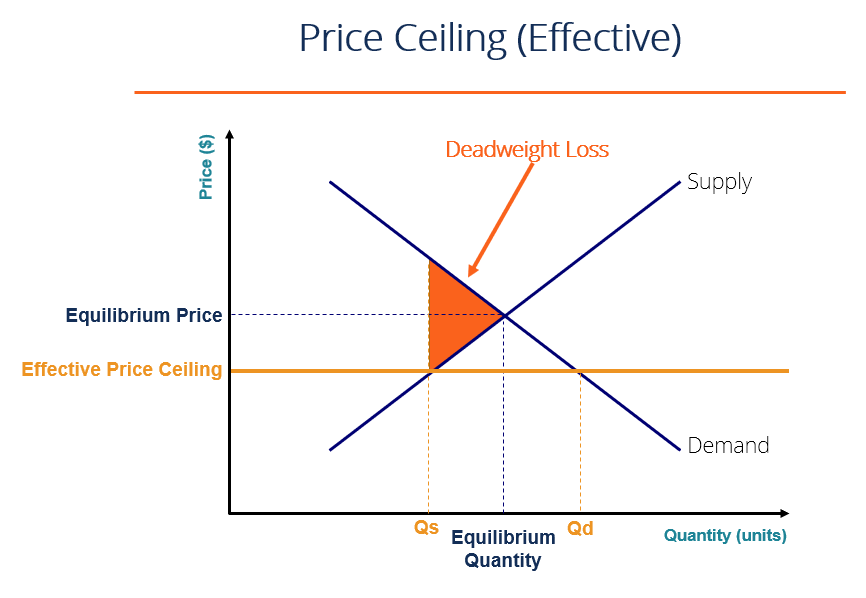
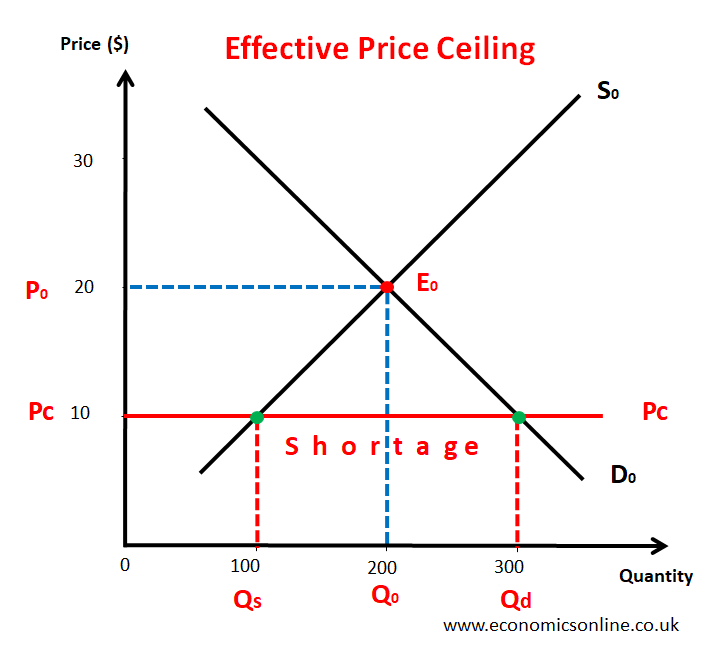
One of the most common and significant unintended consequences of a binding price ceiling is a shortage. When the price is artificially kept below the equilibrium level, the quantity demanded by consumers typically exceeds the quantity supplied by producers. Sellers have less incentive to produce or sell at the lower price, while buyers are eager to purchase more at the reduced cost. This imbalance leads to queues, waiting lists, and an inability for many willing buyers to find the product.
For example, strict rent control can lead to a shortage of available rental units. Landlords might choose to convert apartments into condos, neglect maintenance (as they can’t raise rents to cover costs), or simply remove units from the rental market entirely. This reduces the overall housing stock, making it even harder for new residents to find accommodation.
Furthermore, shortages often give rise to black markets. When a good is scarce due to official price caps, an unofficial market can emerge where the good is sold at prices above the legal ceiling. This is particularly prevalent with goods like illicit drugs but can also manifest in legal goods under strict price controls (e.g., subletting rent-controlled apartments at higher-than-legal rates). Black markets operate outside the law, offer no consumer protection, and can lead to criminal activity.
Impact on Quality and Innovation
Price ceilings can also negatively impact the quality of goods and services. If producers cannot raise prices to cover increasing costs or invest in improvements, they may respond by cutting corners, using cheaper materials, or reducing customer service to maintain profitability. In the context of rent control, this often manifests as neglected building maintenance, as landlords lack the financial incentive or means to invest in property upkeep when their rental income is capped.
Innovation can also suffer. New businesses might be deterred from entering a market with strict price ceilings because the potential for profit is limited. Existing businesses may have less incentive to develop new products or improve existing ones if they cannot recoup their investment through higher prices. This can stifle economic growth and limit consumer choice in the long run.
Administrative Costs and Enforcement Challenges
Implementing and enforcing price ceilings incur administrative costs for governments. Regulatory bodies need staff to monitor prices, investigate complaints, and prosecute violations. Businesses also face compliance costs, needing to track regulations and adjust their pricing strategies. Effective enforcement can be challenging, particularly in large and complex markets, leading to inconsistent application and potential loopholes.
Price Ceilings in Broader Financial and Business Contexts
The implications of price ceilings extend beyond immediate market interactions, touching upon broader financial planning, business strategy, and the role of government in shaping economic landscapes.
Implications for Investment and Business Strategy
For businesses, operating under price ceilings demands a different financial strategy. Companies in regulated sectors must focus intensely on cost efficiency, as their revenue streams are capped. This might involve process optimization, supply chain management, or even consolidation to achieve economies of scale. Investment decisions in these sectors are heavily influenced by regulatory outlooks. If investors perceive that price ceilings will severely limit profitability, capital may flow elsewhere, hindering growth and job creation in the affected industry. For personal investors, understanding which industries are subject to price controls is crucial when evaluating potential stock purchases, as these regulations can significantly impact a company’s financial performance and valuation.
Consumer Behavior and Personal Finance Decisions
Price ceilings influence consumer behavior in predictable ways. While they make goods more affordable for some, they can also lead to rationing, long queues, or the need to spend time searching for goods. For individuals, personal finance decisions might be impacted by the availability (or lack thereof) of goods under price control. For instance, if housing is rent-controlled but scarce, individuals might choose to live further from work or settle for lower-quality housing than they would otherwise prefer. Conversely, those benefiting from lower prices gain financial flexibility, allowing them to allocate more funds to savings, debt reduction, or other investments, directly impacting their long-term financial health.
Government’s Role in Market Intervention
Price ceilings highlight the ongoing debate about the appropriate level of government intervention in markets. Proponents argue for intervention to correct market failures, promote equity, and protect vulnerable populations. Critics, however, contend that such interventions distort markets, lead to inefficiencies, and ultimately harm consumers and producers alike. Policymakers must weigh the immediate benefits of price affordability against the potential for long-term market distortions, resource misallocation, and the emergence of black markets.
Navigating the Complexities: When Are Price Ceilings Effective?
Given their mixed track record, understanding the conditions under which price ceilings might be effective, and what alternative or complementary policies exist, is vital for sound economic management.
Conditions for Success
Price ceilings are most likely to achieve their intended goals and minimize negative externalities when they are:
- Temporary: Short-term price controls during emergencies or crises can prevent immediate exploitation without causing long-term market distortions.
- Targeted: Applied to specific goods or services that are genuine necessities and where market failures (like monopolies or information asymmetry) are clearly present.
- Modest: Set not too far below the equilibrium price, reducing the incentive for large-scale shortages or black markets.
- Accompanied by supply-side measures: If a price ceiling on housing is imposed, it should ideally be paired with policies to increase housing supply to prevent severe shortages.
The Importance of Market Dynamics and Policy Design
The efficacy of a price ceiling heavily depends on the specific market dynamics at play. Markets with inelastic supply or demand might react differently than highly elastic ones. Careful policy design is paramount. This includes establishing clear enforcement mechanisms, considering the administrative burden, and anticipating both first-order (lower prices) and second-order (shortages, quality degradation) effects. A nuanced understanding of microeconomics is essential for policymakers to avoid creating more problems than they solve.
Alternative and Complementary Policies
Often, direct price controls are not the most efficient or effective way to achieve social goals. Alternative policies that work with market forces rather than against them can yield better results:
- Subsidies: Instead of capping prices, governments can subsidize consumers (e.g., housing vouchers) or producers (e.g., subsidies for affordable housing development) to achieve affordability without distorting market prices.
- Income Support: Direct financial aid or minimum wage policies can boost purchasing power for low-income individuals, enabling them to afford market prices without the need for price controls.
- Increasing Supply: For goods like housing, the most sustainable solution to high prices is often to increase the supply through deregulation, zoning reform, and incentivizing construction.
- Anti-Monopoly Regulation: Addressing market power through antitrust laws can prevent monopolies from charging exploitative prices, allowing markets to function more competitively.
In conclusion, a price ceiling is a powerful economic intervention aimed at capping prices, often with the noble goal of making essential goods and services more affordable. Examples like rent control, utility price caps, and emergency price controls illustrate its widespread application. While beneficial for some consumers in the short term, its implementation is a delicate balancing act, fraught with potential pitfalls such as shortages, reduced quality, and the emergence of black markets. For businesses and individuals, understanding the mechanisms and consequences of price ceilings is crucial for navigating financial landscapes shaped by government policy, highlighting the enduring complexity of market regulation in the pursuit of economic equity and stability.
aViewFromTheCave is a participant in the Amazon Services LLC Associates Program, an affiliate advertising program designed to provide a means for sites to earn advertising fees by advertising and linking to Amazon.com. Amazon, the Amazon logo, AmazonSupply, and the AmazonSupply logo are trademarks of Amazon.com, Inc. or its affiliates. As an Amazon Associate we earn affiliate commissions from qualifying purchases.