
Liposarcoma, a rare and complex form of cancer that originates in the fat cells of soft tissues, has long presented a significant challenge to the medical community. Because it often manifests as a deep-seated mass in the limbs or abdomen, its early detection and precise classification have historically relied on the subjective eyes of highly specialized pathologists and radiologists. However, we are currently witnessing a seismic shift in how this disease is approached. The intersection of high-performance computing, artificial intelligence (AI), and advanced biotechnology is transforming liposarcoma from a diagnostic enigma into a data-driven challenge.
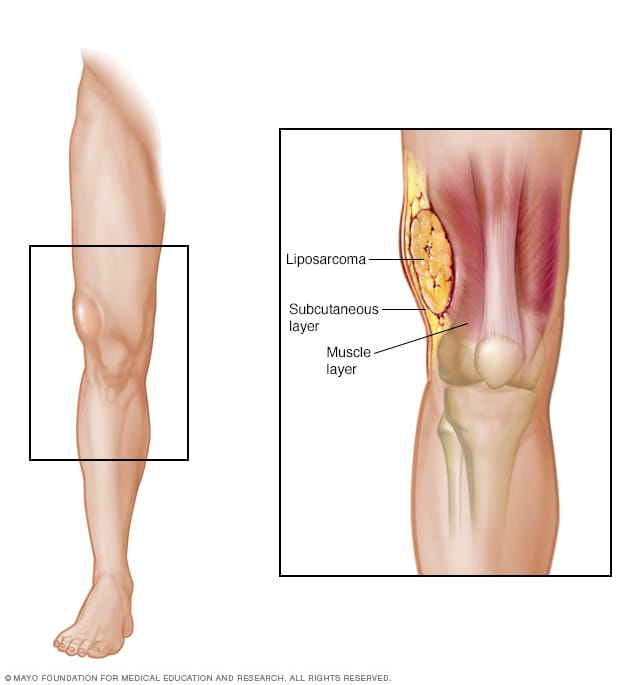
In the modern technological landscape, understanding “what is a liposarcoma tumor” is no longer just a biological question; it is a computational one. By leveraging the latest trends in software and hardware, the medical-tech industry is developing tools that can identify subtle genetic markers and radiographic patterns invisible to the human eye.
Precision Diagnostics: AI and Machine Learning in Liposarcoma Identification
The first hurdle in treating liposarcoma is its tendency to mimic benign fatty growths, such as common lipomas. Distinguishing between a harmless lump and a malignant well-differentiated liposarcoma is a task where technology is now providing a decisive edge.
Computer-Aided Detection (CAD) and Radiomics
Radiomics is a burgeoning field of technology that extracts large amounts of quantitative data from standard medical images (CT, MRI, or PET scans) using data-characterization algorithms. For liposarcoma, software platforms now use “texture analysis” to evaluate the heterogeneity of a tumor. While a human radiologist might see a slightly irregular mass, a radiomic algorithm can analyze thousands of pixels to identify microscopic density variations that indicate malignancy. These AI-driven tools serve as a “second set of eyes,” significantly reducing the margin of error in initial screenings and helping surgeons determine the exact boundaries of a tumor before the first incision is made.
Deep Learning Models for Histopathological Subtyping
Liposarcoma is not a monolithic disease; it exists in several subtypes, including well-differentiated, myxoid, pleomorphic, and dedifferentiated. The “gold standard” for diagnosis is histopathology—looking at tissue under a microscope. Tech startups are now integrating Deep Learning (DL) models into digital pathology workflows. By training Convolutional Neural Networks (CNNs) on millions of scanned pathology slides, software can now categorize liposarcoma subtypes with accuracy rates that rival or exceed senior pathologists. These tools don’t just speed up the diagnostic process; they provide a standardized, objective metric that ensures patients receive the specific treatment protocol required for their particular tumor subtype.
Genomic Sequencing and the Big Data of Rare Tumors
At its core, a liposarcoma tumor is a result of genetic “glitches,” such as the amplification of the MDM2 and CDK4 genes. The ability to map these glitches has been revolutionized by the plummeting cost of genomic sequencing and the rising power of bioinformatic software.
Next-Generation Sequencing (NGS) and Personalized Protocols
Next-Generation Sequencing (NGS) is a technology that allows for the rapid sequencing of entire genomes or targeted gene panels. In the context of liposarcoma, NGS software analyzes the tumor’s DNA to identify specific mutations that might make it susceptible to certain “smart” drugs. This is the essence of precision medicine: moving away from a one-size-fits-all chemotherapy approach and toward a software-informed, personalized treatment plan. By inputting genomic data into cloud-based analysis platforms, oncologists can match a patient’s specific tumor profile against a global database of clinical trials and drug responses.
Cloud Computing and Global Collaborative Data Repositories
Because liposarcoma is rare, any single hospital might only see a handful of cases per year. This “small data” problem makes research difficult. Tech-driven solutions like the “Cancer Cloud” allow researchers to aggregate anonymized data from thousands of facilities worldwide. Using secure, encrypted cloud infrastructure, researchers can apply “Big Data” analytics to discover patterns in liposarcoma progression that were previously hidden. These platforms utilize distributed computing to process massive datasets, enabling the simulation of how different chemical compounds might interact with the tumor’s molecular structure, effectively moving drug discovery from the “wet lab” to the “dry lab.”

Innovative Treatment Modalities: Robotics and Advanced Radiotherapy
Once a liposarcoma is identified and mapped, the focus shifts to removal and eradication. This is where hardware engineering and sophisticated control software take center stage.
Robotic-Assisted Surgery for Complex Resections
Liposarcomas often grow in the retroperitoneum—the deep area behind the abdominal organs—making surgery incredibly risky. Robotic surgical systems, such as the Da Vinci platform, provide surgeons with enhanced visualization, dexterity, and precision. These robots use advanced software to filter out a surgeon’s hand tremors and provide a 3D, high-definition view of the surgical field. For a liposarcoma patient, this means smaller incisions, less blood loss, and the ability to remove tumors that were once considered “unresectable” due to their proximity to vital organs and blood vessels.
Proton Therapy and AI-Driven Dosimetry
Radiation therapy is a common treatment for liposarcoma, but traditional X-rays can damage surrounding healthy fat and muscle. Proton therapy is a more precise alternative, and it relies heavily on complex software to function. AI-driven dosimetry software calculates the exact path of the proton beam to ensure it “stops” precisely within the tumor. Modern systems now use real-time tracking software that can adjust the beam in milliseconds if the patient moves or breathes, ensuring that the maximum dose of radiation hits the liposarcoma while sparing the surrounding healthy tissue.
The Future of Patient Monitoring: Wearables and Remote Biometric Tracking
The battle against liposarcoma doesn’t end after surgery or radiation. Monitoring for recurrence is a lifelong commitment, and digital health technology is making this process more proactive and less invasive.
IoT-Integrated Post-Operative Care
The Internet of Things (IoT) is entering the oncology space through wearable devices that monitor vital signs, activity levels, and even localized skin temperature changes. For a patient recovering from liposarcoma surgery, these devices can stream real-time data to a mobile app used by their clinical team. If the software detects an anomaly—such as a sudden spike in inflammation markers or a decrease in mobility—it can trigger an alert for an early check-up. This shift from “reactive” to “proactive” monitoring is crucial for catching recurrences at their earliest, most treatable stages.
Digital Twins in Oncology Modeling
One of the most exciting frontiers in tech is the concept of the “Digital Twin.” This involves creating a virtual, computational model of a patient’s unique physiology and their specific liposarcoma tumor. Using this software model, doctors can “test” various treatment scenarios in a virtual environment before applying them to the patient. Will a specific drug combination shrink the tumor? How will the patient’s heart react to a certain chemotherapy? By running thousands of simulations on a digital twin, the medical team can optimize the treatment strategy with a level of foresight that was previously impossible.

Conclusion: A New Era of Tech-Enabled Oncology
The question of “what is a liposarcoma tumor” is being answered with increasing clarity through the lens of modern technology. We are no longer limited to basic imaging and broad-spectrum treatments. Through the integration of AI-driven diagnostics, genomic big data, robotic precision, and continuous digital monitoring, the medical-tech industry is turning the tide against this rare malignancy.
As software continues to evolve and hardware becomes more sophisticated, the focus will shift even further toward prevention and early-stage interception. The synergy between technologists and oncologists ensures that liposarcoma is no longer a “hidden” threat but a quantifiable target. In this era of digital transformation, technology is not just a tool; it is the very foundation upon which the future of cancer care is being built.
aViewFromTheCave is a participant in the Amazon Services LLC Associates Program, an affiliate advertising program designed to provide a means for sites to earn advertising fees by advertising and linking to Amazon.com. Amazon, the Amazon logo, AmazonSupply, and the AmazonSupply logo are trademarks of Amazon.com, Inc. or its affiliates. As an Amazon Associate we earn affiliate commissions from qualifying purchases.