
The enduring appeal of Indiana Jones, the whip-cracking archaeologist, is undeniable. For decades, his adventures have captivated audiences, blending thrilling action with historical intrigue. Yet, the introduction of his son, Mutt Williams, in Indiana Jones and the Kingdom of the Crystal Skull, sparked considerable debate and a notable shift in how the franchise’s narrative and, by extension, its brand, was perceived. This article delves into the brand implications of introducing a successor to a beloved character, examining the strategic decisions, audience reception, and the lasting impact on the Indiana Jones legacy.
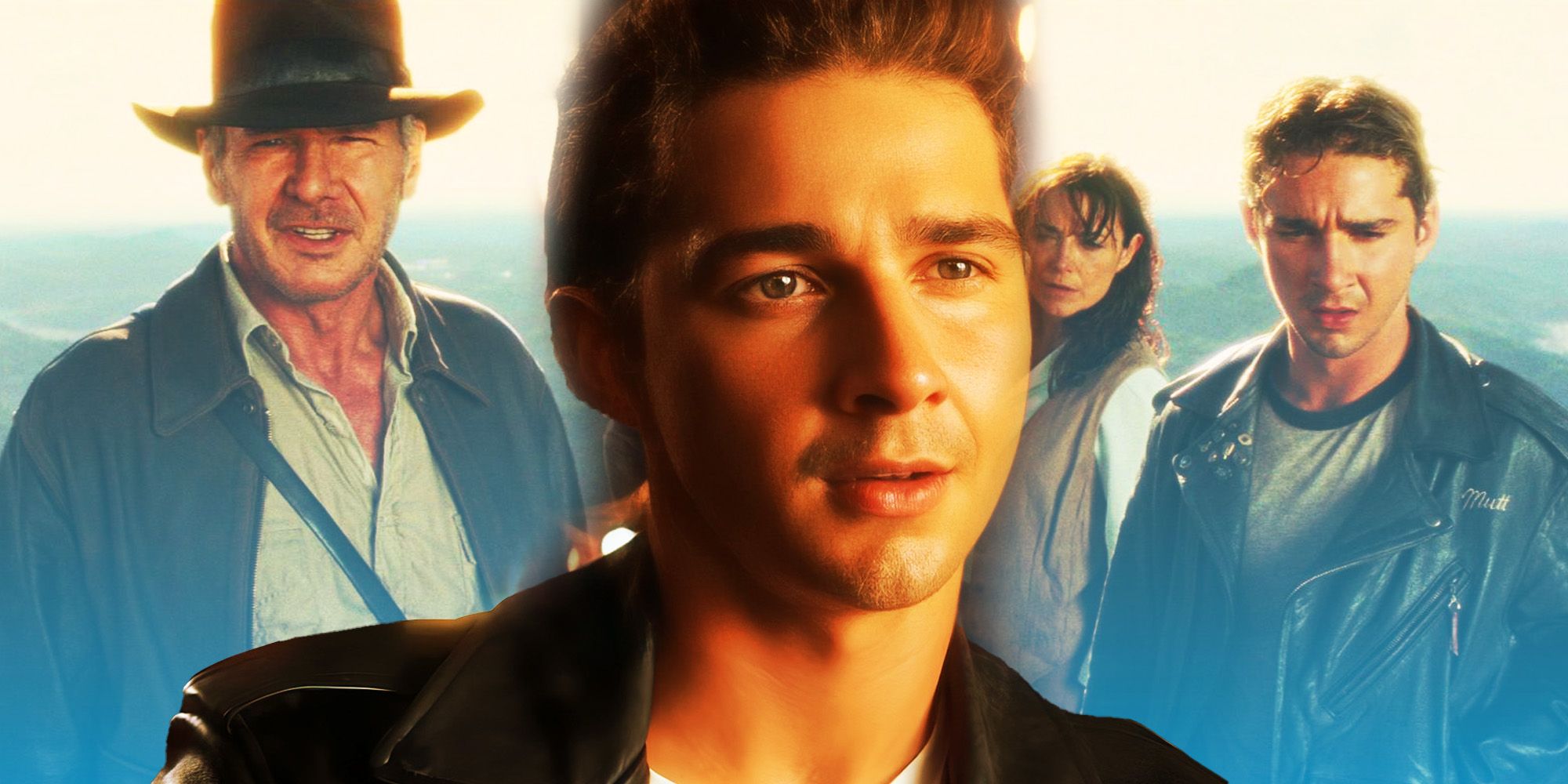
The Perilous Path of Succession: Introducing a New Face to a Familiar World
The decision to introduce a son for Indiana Jones was a significant one, fraught with inherent brand risks. For any established franchise, especially one built around an iconic central figure, the introduction of a successor is a delicate balancing act. It can inject new life and potential for future installments, but it can also dilute the original appeal and alienate long-standing fans if not handled with meticulous care.
Legacy Characters and the Burden of Expectation
Indiana Jones, as a character, is synonymous with a specific set of attributes: a tweed jacket, a fedora, a fearless pursuit of historical artifacts, and a certain roguish charm. These elements, deeply ingrained in the public consciousness, form the core of the Indy brand. When the narrative pivots to a new generation, the challenge lies in creating a character who can inherit this legacy without simply being a carbon copy, while also establishing their own unique identity. Mutt Williams, with his greaser aesthetic and rebellious streak, represented a departure from Indy’s more academic and somewhat buttoned-up persona. This contrast, while intended to create generational dynamism, ultimately proved a point of contention for many fans.
The “Legacy Sequel” Strategy: A Double-Edged Sword
The introduction of Mutt Williams can be seen as an early iteration of what is now commonly referred to as a “legacy sequel” or “requel.” This strategy aims to bridge the gap between original fans and a new audience by featuring established characters alongside new ones who can potentially carry the franchise forward. While this approach has seen success in other properties, its execution with Indiana Jones highlighted the unique difficulties associated with deeply entrenched, singular characters. The expectation was that Mutt would not just exist alongside Indy but would embody a new chapter of the adventure. However, the narrative struggled to fully integrate him into the core appeal of the Indy experience, leaving him feeling more like an appendage than a true successor in many viewers’ eyes.
Navigating Fan Expectations and Brand Dilution
The core brand of Indiana Jones is incredibly strong and well-defined. Fans associate it with adventure, mystery, and the spirit of discovery. Introducing a new character, particularly one who is presented as the “son,” inherently brings expectations. Will he possess his father’s intellect, his courage, his moral compass? Will he be a worthy successor? The brand suffered when the narrative didn’t effectively address these unspoken questions, or perhaps when the answers didn’t resonate with the established fanbase. The “son” aspect also invited comparisons, and in this instance, Mutt Williams found it difficult to escape the shadow of his iconic father, leading to a perception of brand dilution rather than expansion.
The Marketing of Mutt Williams: An Attempted Brand Extension
The marketing surrounding Indiana Jones and the Kingdom of the Crystal Skull played a crucial role in how Mutt Williams was positioned and ultimately perceived. The film’s promotional materials often highlighted the father-son dynamic, attempting to frame it as a natural evolution of the Indiana Jones universe. This was a deliberate brand extension, seeking to broaden the franchise’s appeal and secure its future.
Character Archetypes and Audience Connection
Mutt Williams was designed with certain archetypes in mind: the rebellious youth, the chip off the old block with a modern edge. The marketing leaned into this, showcasing his athleticism and his own unique brand of problem-solving. The intent was to create a character that a new generation could connect with, while also appealing to the existing fanbase through his familial tie to Indy. However, the archetypal resonance didn’t quite land. Instead of a fresh, compelling addition, Mutt often felt like a manufactured element, lacking the organic charisma that defined his father. This disconnect hindered the brand extension, as the intended audience connection failed to materialize effectively.
The “Next Generation” Narrative: A Strategic Imperative
The inclusion of Mutt was a clear strategic imperative for Lucasfilm and Paramount. Franchises, especially those with an aging central figure, need a plan for continuity. The “next generation” narrative is a well-worn path, but its success hinges on the compelling nature of the new characters and their ability to seamlessly integrate into the existing world. For Mutt, this integration proved challenging. While the film attempted to establish him as capable and integral to the plot, his character arc often felt subservient to Indy’s, rather than a fully realized journey of his own. This prevented him from truly establishing his own distinct brand within the franchise.
Building Anticipation vs. Alienating Core Fans

The marketing’s focus on the father-son relationship was intended to build anticipation. It suggested a passing of the torch, a continuation of the Indy spirit. However, for a significant portion of the fanbase, Indiana Jones is inextricably linked to Harrison Ford. The idea of a successor, while logically sound for future installments, was met with a degree of skepticism. The marketing, in its attempt to create buzz, may have inadvertently amplified this skepticism by placing Mutt Williams too prominently in the narrative’s spotlight, potentially overshadowing the very character that had built the brand’s immense equity.
The Critical Reception and Brand Repercussions
The critical reception of Mutt Williams was a significant factor in his perceived impact on the Indiana Jones brand. While the film itself received mixed reviews, the character of Mutt Williams was a frequent target of criticism, further complicating the franchise’s brand narrative.
Character Development and Audience Engagement
A key area of criticism for Mutt Williams was his character development, or lack thereof. Many critics and audience members felt he was underdeveloped, lacking the depth and complexity that made Indiana Jones such a compelling figure. His motivations often seemed simplistic, and his actions, while contributing to the plot, didn’t always feel earned or deeply rooted in his character. This lack of robust character development directly impacted audience engagement. If a new character isn’t relatable or interesting on their own merits, it becomes difficult for the audience to invest in their journey or see them as a worthy successor. This, in turn, negatively affected the overall brand perception of the film and the franchise’s future potential.
The “Green Lantern” Comparison and Brand Association
The unfortunate comparison of Mutt Williams to the critically panned Green Lantern movie, and particularly its titular character played by Ryan Reynolds, began to surface in some discussions. This was a damaging association for the Indiana Jones brand. While not directly related to the character’s abilities, the comparison spoke to a perceived lack of originality and impact. It suggested that, like Green Lantern, Mutt Williams was a new character introduced into an established universe who failed to resonate with audiences and felt somewhat out of place. Such negative brand associations, even if informal, can linger and significantly impact the public’s perception of a franchise’s viability and creative direction.
The Shadow of the Original: A Test of Brand Endurance
The enduring power of the original Indiana Jones films lies in their iconic status, their groundbreaking action, and the inimitable performance of Harrison Ford. The introduction of Mutt Williams served as a stark reminder of this. The brand of Indiana Jones is so strongly tied to its original iteration that any new elements are inevitably held up against that benchmark. The critical and fan response indicated that Mutt Williams, at least in Kingdom of the Crystal Skull, did not measure up. This wasn’t necessarily a failure of the concept of a successor, but rather a failure of execution in a way that respected and built upon the existing brand equity. The brand’s endurance, in this instance, was tested, and the experiment of introducing a new leading man alongside Indy revealed the immense challenge of replicating such iconic success.
The Future of the Indy Brand: Re-evaluation and Reinvention
The reception to Mutt Williams has undoubtedly influenced how the Indiana Jones brand is approached moving forward. The lessons learned from this particular narrative experiment are invaluable for any franchise considering similar succession strategies.
Learning from the Past: Adapting the Brand for a New Era
The experience with Mutt Williams provides a clear case study for how not to introduce a successor to a beloved, singular character. The brand of Indiana Jones is precious, and any future attempts to expand its universe must be handled with extreme care. This means not simply slotting in a new character but carefully considering how they can organically contribute to the established lore and appeal. The focus needs to be on creating compelling, original narratives that honor the legacy while forging a distinct path. This could involve exploring new characters who are tangential to Indy’s direct lineage, or perhaps a more nuanced integration that allows Indy to remain the central focus while setting up future adventures.
The Power of a Singular Icon: Reaffirming the Core Brand Value
Ultimately, the Indiana Jones brand is built on the singular charisma and adventurous spirit of Dr. Henry “Indiana” Jones Jr. The lukewarm reception to Mutt Williams underscored this. While sequels and new characters are vital for longevity, the core brand value lies with the iconic hero. Future installments will likely need to acknowledge this, ensuring that any new characters serve to enhance, rather than dilute, the core appeal of Indiana Jones. The success of Indiana Jones and the Dial of Destiny, with its focus on an aging Indy and a more integrated role for Phoebe Waller-Bridge’s Helena Shaw, suggests a potential shift towards this more nuanced approach to legacy.
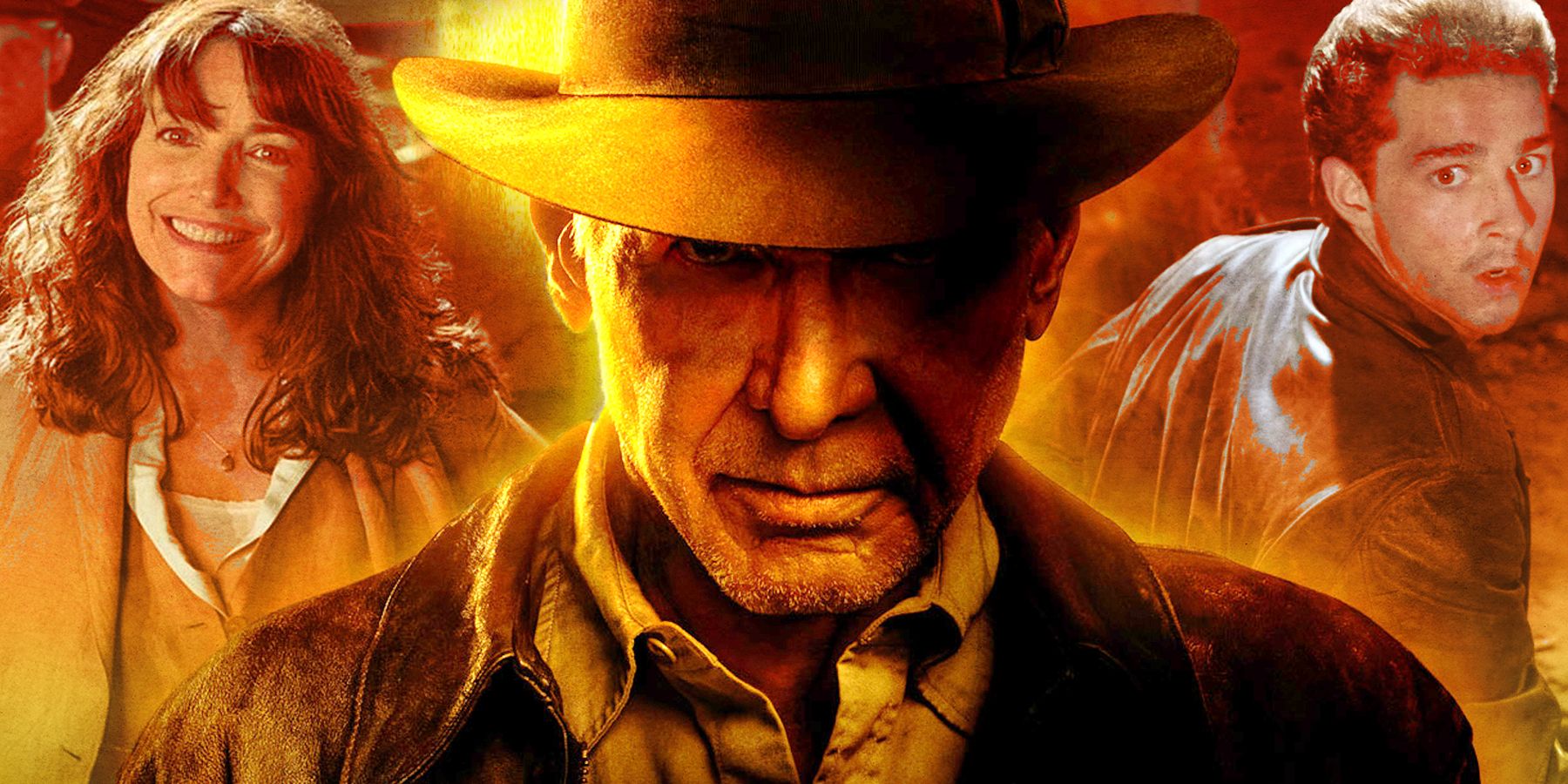
Diversification and Evolution: The Ongoing Brand Challenge
The challenge for any long-standing franchise is to evolve without losing its identity. The Indiana Jones brand, with its rich history and global appeal, is no exception. The introduction of Mutt Williams was an attempt at diversification and evolution, but the execution fell short. The future of the brand will likely involve a continuous process of re-evaluation and reinvention, seeking new ways to tell compelling stories that resonate with both long-time fans and a new generation. The legacy of Indiana Jones is powerful, and its future hinges on a strategic and creative approach that respects its past while boldly charting a new course.
aViewFromTheCave is a participant in the Amazon Services LLC Associates Program, an affiliate advertising program designed to provide a means for sites to earn advertising fees by advertising and linking to Amazon.com. Amazon, the Amazon logo, AmazonSupply, and the AmazonSupply logo are trademarks of Amazon.com, Inc. or its affiliates. As an Amazon Associate we earn affiliate commissions from qualifying purchases.