
The digital age, characterized by its reliance on intricate electronics, high-resolution displays, and precision optical components, has elevated the humble cleaning cloth from a simple household item to a critical tool for maintaining device performance and longevity. At the forefront of this evolution is the lint-free cloth, an indispensable accessory for anyone serious about preserving the integrity and functionality of their technology. But what exactly defines a lint-free cloth, and why is its specialized design so crucial in the tech landscape?
The Imperative of Purity: Understanding Lint-Free Technology
In an era where every pixel counts and microscopic dust can impair functionality, the concept of “lint-free” transcends mere cleanliness; it becomes a fundamental requirement for optimal tech maintenance. Understanding what makes a cloth lint-free is key to appreciating its vital role.

The Problem with Lint: A Microscopic Menace
Lint, at its core, refers to loose fibers and tiny particles that detach from textiles. While innocuous on a countertop, these seemingly insignificant specks pose a significant threat to sensitive technological components. On high-definition screens, lint manifests as distracting smudges and streaks, degrading visual clarity. For camera lenses, microscopic fibers can cause glare, reduce sharpness, and even appear as artifacts in images. Within the intricate confines of electronic circuitry, lint can act as an insulator, disrupting electrical connections, or worse, serve as a conductor if combined with moisture, potentially leading to short circuits or component damage. Even in data centers, airborne particulates, including lint, are meticulously controlled to prevent interference with magnetic media and laser optics critical for data storage and retrieval. The cumulative effect of lint is a gradual degradation of performance, compromised user experience, and a shortened lifespan for expensive devices.
Defining “Lint-Free”: More Than Just a Marketing Term
When a product is labeled “lint-free,” it signifies a meticulous design and manufacturing process aimed at minimizing particle shedding. It’s not just about a cloth that seems clean; it’s about a material engineered to resist releasing fibers during use, even under friction. This quality is particularly vital in environments where even the smallest contaminants can have substantial negative impacts. For tech users, “lint-free” translates to a guarantee that when cleaning a smartphone screen, a DSLR lens, or a sensitive circuit board, they are not inadvertently introducing new contaminants that could undermine their cleaning efforts or harm the device. It speaks to a level of precision and reliability that generic cloths simply cannot offer, making it an essential characteristic for any material intended for interaction with delicate electronics and optics.
The Science Behind Lint-Free Fabrication
Achieving true lint-free performance is not accidental; it’s the result of advanced material science and engineering. The construction of these specialized cloths involves careful selection of materials, sophisticated manufacturing techniques, and stringent quality control protocols to ensure they meet the exacting demands of technological applications.
Material Matters: Microfiber, Polyester, and Beyond
The foundation of a high-quality lint-free cloth lies in its material composition. Synthetic fibers are overwhelmingly preferred over natural fibers (like cotton) because their inherent structure is less prone to shedding. Polyester, often blended with polyamide (nylon), is a popular choice due to its strength, durability, and low particulate generation. Microfiber, a subset of these synthetic blends, is particularly effective. Defined by fibers finer than one denier, microfiber cloths boast an enormous surface area and a high density of microscopic filaments. This unique structure allows them to trap dust, dirt, and even microscopic bacteria without releasing their own fibers. The synthetic nature also means these fibers can be engineered for specific properties, such as static dissipation or superior absorbency, which are critical for various tech cleaning tasks. Other advanced materials, including cellulose blends or specially treated non-woven fabrics, are also employed, especially in highly sensitive cleanroom applications, each selected for its specific particulate control characteristics.
Weaving and Edge Finishing: Preventing Particulate Release
Beyond the raw material, the way a lint-free cloth is constructed plays a pivotal role in its performance. Traditional woven fabrics, especially those with loosely spun yarns, are inherently prone to shedding. Lint-free cloths often employ tight, continuous filament knits or non-woven construction where fibers are bonded rather than woven. This minimizes the number of loose ends and prevents individual fibers from breaking free. Crucially, the edges of lint-free cloths are often finished using specialized techniques. Laser cutting or ultrasonic sealing melts and fuses the fabric edges, effectively encapsulating any potential loose fibers and preventing fraying. Hemmed edges, if present, are usually done with continuous filament thread that is tightly stitched, again, to prevent any shedding. These meticulous details in manufacturing ensure that the cloth itself does not become a source of contamination.
Contamination Control: Manufacturing and Packaging Standards
The integrity of a lint-free cloth extends to its production environment. Many high-grade lint-free cloths, particularly those destined for critical applications, are manufactured and processed in controlled environments, such as ISO Class cleanrooms. These facilities maintain ultra-low levels of airborne particles, temperature, and humidity, ensuring that the cloths are pristine from the moment of their creation. After manufacturing, they are typically laundered in deionized water and packaged in sealed, anti-static bags. This careful packaging protects the cloths from contamination during transit and storage, ensuring they remain lint-free and ready for use in sensitive tech applications right out of the package. These rigorous standards differentiate professional-grade lint-free cloths from their consumer counterparts, reflecting the critical need for absolute purity in advanced technological environments.
Critical Applications in the Tech Ecosystem
The specific attributes of lint-free cloths make them indispensable across a wide spectrum of technological applications, from consumer electronics to highly specialized industrial environments. Their ability to clean without leaving residue or introducing contaminants is paramount for functionality and longevity.
Display Screens and Optics: Protecting Visual Clarity
Perhaps the most common and immediately recognizable application of lint-free cloths is in cleaning display screens and optical components. Modern devices, from smartphones and tablets to laptops and high-end monitors, feature sophisticated displays that are highly susceptible to scratches and smudges. Lint-free microfiber cloths are ideal for this task; their soft, non-abrasive fibers effectively lift dust, fingerprints, and oils without leaving behind any residue or fine scratches. Similarly, for camera lenses, binoculars, telescopes, and even virtual reality headsets, a lint-free cloth is essential. Any fiber or particle left on an optical surface can degrade image quality, create aberrations, or even damage delicate coatings. The precision required for clear viewing and imaging makes these cloths a non-negotiable tool for photographers, videographers, and anyone using optics.
Electronics and Circuitry: Mitigating Performance Risks
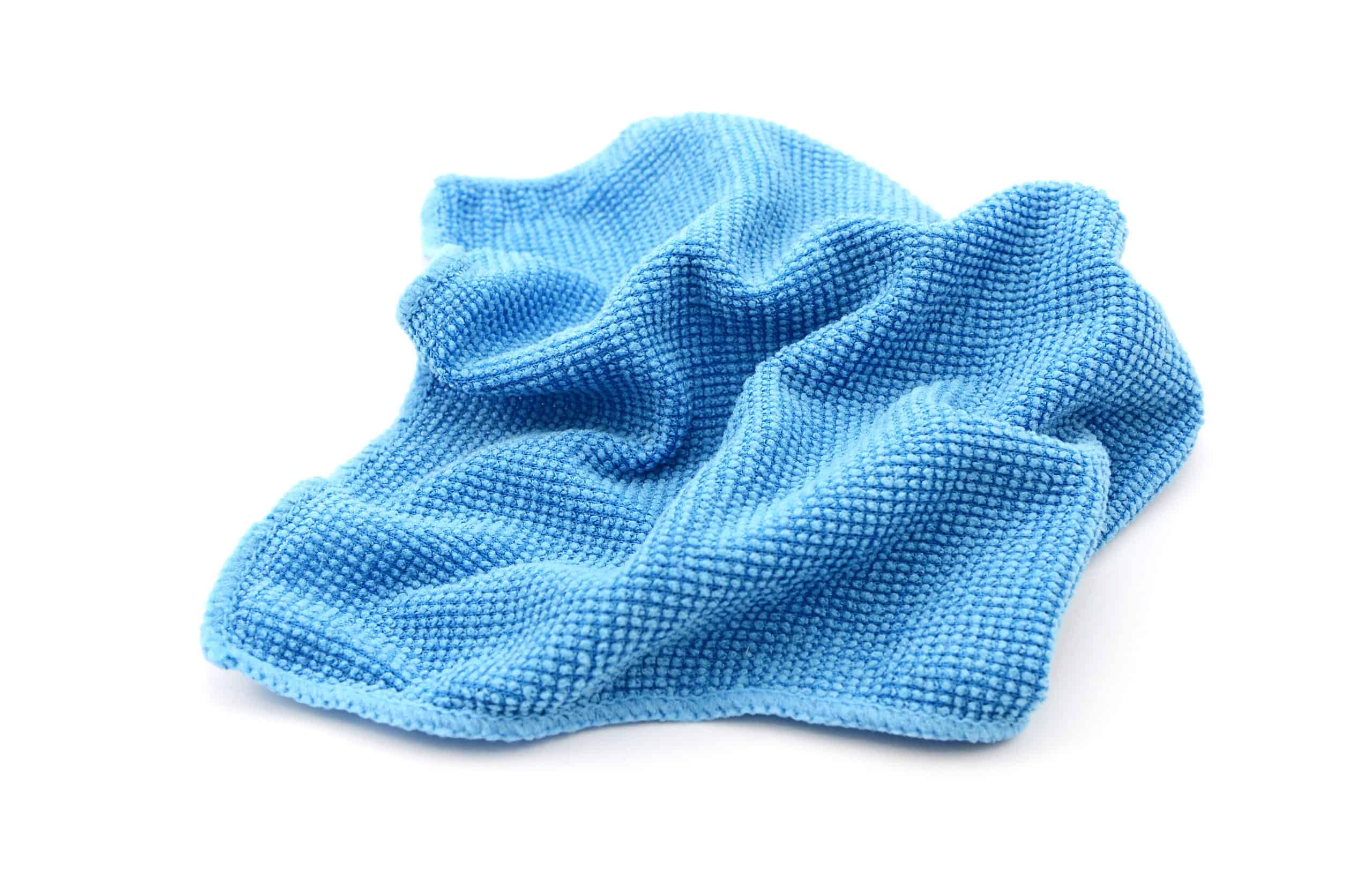
Beyond visible surfaces, lint-free cloths play a crucial role in maintaining the internal workings of electronic devices. When opening a computer case for upgrades, cleaning a delicate circuit board, or working with micro-components, the introduction of foreign particles can have severe consequences. Lint can create short circuits, interfere with heat dissipation, or disrupt sensitive connections. Anti-static lint-free cloths are particularly valuable here, as they not only prevent particulate contamination but also dissipate static charges that could otherwise damage static-sensitive components like CPUs, GPUs, and memory modules. Technicians and hobbyists alike rely on these cloths to ensure clean, safe, and effective handling of electronic components during assembly, repair, or maintenance, safeguarding against performance issues and potential component failure.
Data Storage and Precision Instruments: The Unseen Threat
In highly specialized tech sectors, the demands for a particle-free environment are even more stringent. Data centers, for example, house vast arrays of servers and storage devices where even microscopic dust can interfere with sensitive read/write heads on hard drives or contaminate optical media. Lint-free cloths are critical for maintaining the cleanliness of these environments and for cleaning server racks, network equipment, and backup storage devices. Similarly, in laboratories and manufacturing facilities that utilize precision instruments (e.g., microscopes, laser alignment tools, 3D printers with fine nozzles), the smallest particle can throw off calibrations or lead to defects. Lint-free wipes, often pre-saturated with specific cleaning solutions, are used to maintain the absolute cleanliness required for accurate measurements and reliable operation, preventing costly errors and downtime.
Cleanroom Environments: The Ultimate Lint-Free Zone
At the pinnacle of contamination control are cleanroom environments, essential for industries like semiconductor manufacturing, aerospace, pharmaceuticals, and biotechnology. In these ultra-controlled spaces, even human skin flakes or exhaled breath are considered contaminants. Lint-free cloths and wipes are a foundational element of cleanroom protocols. Designed and packaged under strict cleanroom conditions themselves, these cloths are used for routine surface cleaning, equipment wiping, and spill management to maintain the pristine conditions necessary for manufacturing microscopic components or conducting sensitive research. Without highly specialized, ultra-low-particulate lint-free materials, achieving and maintaining the stringent cleanliness standards of these critical tech environments would be impossible.
Selecting the Right Lint-Free Cloth for Your Tech Needs
Choosing the appropriate lint-free cloth is not a one-size-fits-all decision. The optimal choice depends on the specific device, the type of cleaning required, and the environment in which it will be used. Understanding key characteristics will help you make an informed selection.
GSM and Absorbency: Matching Cloth to Task
GSM, or Grams per Square Meter, is a measure of a cloth’s density. Higher GSM often indicates a thicker, more plush cloth with greater absorbency. For cleaning delicate screens or optical lenses where liquid cleaning solutions might be used (sparingly, of course), a higher GSM microfiber cloth can be beneficial due to its superior ability to absorb and hold liquid, preventing streaks. Conversely, for dry dusting or wiping down less sensitive surfaces, a lower GSM cloth might suffice. The absorbency of a lint-free cloth is also critical when dealing with spills or applying specific cleaning agents. Highly absorbent cloths are effective at picking up liquids quickly and thoroughly, minimizing the need for multiple passes and reducing the risk of leaving residues. For tech, this often means ensuring the cloth can effectively wick away oils and smudges without saturating the device.
Washability and Reusability: Longevity and Value
The reusability of a lint-free cloth is a significant factor for both economic and environmental reasons. High-quality lint-free microfiber cloths are designed to be washable and reusable multiple times without losing their lint-free properties. This makes them a more sustainable and cost-effective option compared to disposable wipes. However, proper washing techniques are crucial to maintain their integrity. Washing lint-free cloths separately, with mild detergent (free of fabric softeners), and air-drying or tumble-drying on low heat helps preserve their fiber structure and ensure they remain effective. The longevity of a cloth means less frequent replacement, offering better long-term value, particularly for consistent tech maintenance needs.
Static Dissipation: A Crucial Feature for Sensitive Electronics
For cleaning or handling sensitive electronic components, such as circuit boards, hard drives, or memory modules, static electricity poses a significant risk. An electrostatic discharge (ESD), even one imperceptible to humans, can permanently damage delicate microprocessors and integrated circuits. Therefore, choosing lint-free cloths with static dissipative properties is paramount. These cloths are often treated with anti-static agents or incorporate conductive fibers that safely channel static charges away from sensitive components, preventing damaging ESD events. Always look for anti-static certifications or explicit mentions of ESD-safe properties when selecting cloths for internal computer work or handling bare circuit boards. This added layer of protection is essential for anyone working directly with vulnerable electronic hardware.
Best Practices for Lint-Free Cloth Use and Maintenance
Even the highest quality lint-free cloth requires proper handling and care to maintain its effectiveness and prolong its lifespan. Adhering to best practices ensures that your cloth continues to provide optimal cleaning performance without introducing new contaminants to your valuable technology.
Proper Cleaning Techniques: Gentle Touch, Maximum Impact
When using a lint-free cloth on tech surfaces, the technique is as important as the cloth itself. Always apply a gentle touch, as excessive pressure can potentially scratch delicate coatings, especially on screens or lenses. For screens, lightly wipe in one direction, then change direction for a second pass, or use a gentle circular motion. For optics, it’s often best to start by gently blowing away loose dust with a dedicated air blower, then lightly wiping with the cloth from the center outwards. Avoid harsh rubbing. When using a cleaning solution (always specifically designed for electronics and applied to the cloth, not directly to the device), ensure the cloth is only damp, not saturated. A dry lint-free cloth is often sufficient for daily dusting and fingerprint removal, while a slightly damp cloth can tackle more stubborn smudges.
Washing and Drying: Preserving Lint-Free Integrity
To maintain the lint-free properties of reusable cloths, proper washing is critical. Always wash lint-free cloths separately from other laundry to prevent them from picking up lint from cotton towels or other fabrics. Use a mild detergent and avoid fabric softeners, as these can leave residues that clog the microfiber structure and diminish its effectiveness. Hot water can help remove oils and grime, but follow the manufacturer’s recommendations. Air-drying is preferred, as it avoids the potential heat damage or static buildup from tumble dryers. If machine drying, use the lowest heat setting and remove promptly. Never use bleach, as it can degrade the fibers and coatings. Proper washing ensures the cloth remains highly absorbent and continues to capture particles effectively without shedding its own fibers.

Storage: Preventing Re-Contamination
Once cleaned and dried, storing your lint-free cloth correctly is crucial to prevent re-contamination. Exposing a clean cloth to dusty environments will render it less effective for sensitive tasks. Store lint-free cloths in a clean, sealed container, such as a zip-lock bag or a dedicated case. Keep them away from areas where dust or lint might easily settle, like laundry rooms or open shelves. For tech users, dedicating a specific compartment in a camera bag or tech toolkit for a lint-free cloth, protected from other items, ensures it’s always ready for immediate, pristine use. Proper storage safeguards your investment in a high-quality lint-free cloth and guarantees it will perform optimally when your valuable technology needs it most.
aViewFromTheCave is a participant in the Amazon Services LLC Associates Program, an affiliate advertising program designed to provide a means for sites to earn advertising fees by advertising and linking to Amazon.com. Amazon, the Amazon logo, AmazonSupply, and the AmazonSupply logo are trademarks of Amazon.com, Inc. or its affiliates. As an Amazon Associate we earn affiliate commissions from qualifying purchases.