
In the landscape of modern consumerism, subscription services have become a ubiquitous fixture, transforming how we access entertainment, goods, and essential utilities. Among these, Amazon Prime stands as a titan, offering a sprawling ecosystem of benefits that range from expedited shipping to digital entertainment. For many, the question isn’t whether to join, but “how much is Amazon Prime now?” and, more importantly, “is it worth the investment?” This article delves exclusively into the financial dimensions of Amazon Prime, providing a meticulous breakdown of its current costs, evaluating its economic value, and offering strategic insights for budgeting and maximizing your savings within the money category. Understanding the true financial commitment and potential returns of a Prime membership is crucial for savvy consumers navigating their personal finances.

Unpacking Amazon Prime’s Current Pricing Structures
The first step in any financial assessment is understanding the direct cost. Amazon Prime offers various pricing tiers designed to accommodate different consumer segments, each with its own financial implications. The core offerings are straightforward, but special programs provide significant discounts that can dramatically alter the cost-benefit equation for eligible individuals.
Standard Membership: Monthly vs. Annual Rates
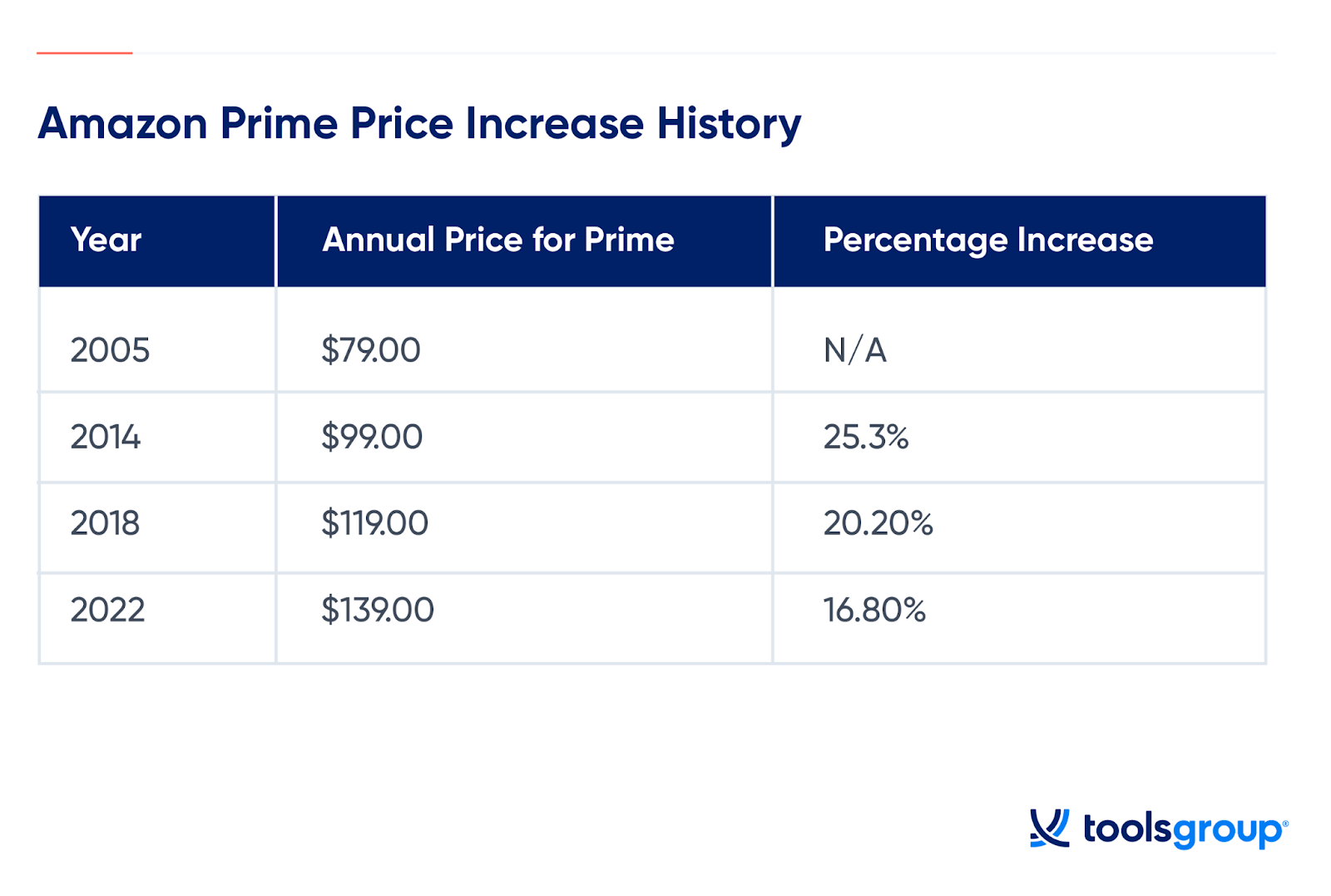
For the average consumer, Amazon Prime presents two primary billing cycles: monthly and annual. The annual membership typically offers the most significant financial advantage, costing around $139 per year. When broken down, this equates to approximately $11.58 per month, representing a substantial saving compared to the monthly option. The monthly membership is generally priced at $14.99 per month, offering flexibility without a long-term commitment. While this monthly option might appeal to those who prefer not to pay a lump sum or foresee only needing Prime for short periods (e.g., holiday shopping), the cumulative cost over 12 months amounts to nearly $180, an annual premium of over $40 compared to the yearly plan. From a pure financial perspective, committing to the annual plan is almost always the more economical choice for consistent users. This difference highlights a common subscription strategy: reward customer loyalty and long-term commitment with lower effective rates.
Discounted Tiers: Savings for Students and EBT/Medicaid Recipients
Amazon recognizes that not all consumers have the same disposable income, and consequently, it extends highly beneficial discounted pricing to specific demographics.
- Prime Student: For enrolled college students, Amazon offers a significantly reduced rate. After a generous 6-month free trial, Prime Student membership costs approximately $69 per year (or $7.49 per month). This half-price annual subscription represents an incredible financial boon for students, helping them manage their budgets while still accessing essential Prime benefits like free shipping for textbooks and study supplies, as well as entertainment.
- EBT/Medicaid Recipients: In a move to increase accessibility, Amazon also provides a discounted Prime membership for qualifying recipients of EBT and Medicaid benefits. These individuals can subscribe for approximately $6.99 per month. While this is a monthly plan, the per-month cost is substantially lower than the standard monthly rate, making Prime’s extensive benefits more attainable for those on tighter budgets. This particular discount underscores a broader financial inclusion strategy, recognizing the diverse economic realities of its potential customer base.
These discounted tiers are not merely goodwill gestures; they are strategic financial decisions by Amazon to expand its market reach and foster long-term customer relationships by making the service affordable to a wider demographic. For eligible individuals, exploring these options is a crucial step in optimizing their personal finance.
Beyond the Sticker Price: Evaluating Prime’s Financial Value Proposition
While knowing the direct cost is fundamental, the true financial assessment of Amazon Prime lies in evaluating its value proposition. From a money perspective, this means quantifying the savings and benefits derived from the membership that would otherwise incur separate costs. Prime isn’t just one service; it’s a bundle, and each component contributes to its overall economic worth.
Quantifying Savings from Free Expedited Shipping
Perhaps the most immediately tangible financial benefit of Amazon Prime is the free expedited shipping on eligible items. For frequent online shoppers, this can translate into significant savings. Consider the typical cost of standard shipping, which can range from $5 to $10 per order. If a Prime member places just one order per month that would otherwise incur a shipping fee, they save $60 to $120 annually. If they place multiple orders weekly or during peak shopping seasons, these savings can quickly exceed the annual membership fee. Furthermore, Prime often includes free two-day or even same-day shipping in many areas, a premium service that would command even higher fees if purchased à la carte. For businesses or individuals who rely on prompt delivery, the implicit value of time saved and the avoidance of expedited shipping surcharges adds another layer to Prime’s financial benefit. Calculating your personal shipping frequency and typical non-Prime shipping costs is an excellent way to benchmark this specific value.
The Hidden Value of Prime Video and Music
Beyond shipping, Prime’s digital entertainment offerings, primarily Prime Video and Prime Music, hold substantial financial weight.
- Prime Video: Included with the membership, Prime Video offers a vast library of movies, TV shows, and original content. If one were to subscribe to a standalone streaming service of comparable quality and breadth, the cost could easily range from $8 to $15 per month, totaling $96 to $180 annually. By bundling this service, Prime effectively provides a significant saving for those who would otherwise subscribe to a similar platform. For individuals already paying for other streaming services, Prime Video may offer an opportunity to consolidate or replace a separate subscription, further optimizing their entertainment budget.
- Prime Music: While not as extensive as Amazon Music Unlimited, Prime Music offers an ad-free catalog of 100 million songs, included with the membership. Standalone music streaming services typically cost $10-$15 per month. For casual listeners, the included Prime Music can eliminate the need for another separate music subscription, translating to an annual saving of $120 to $180.
These digital benefits, often viewed as “extras,” represent real dollar-for-dollar savings that can quickly justify the entire Prime membership fee, especially for households that utilize these services regularly.
Grocery Savings: Whole Foods Market and Amazon Fresh Benefits
In recent years, Prime’s value proposition has expanded significantly into the grocery sector, offering compelling financial incentives for shoppers at Whole Foods Market and through Amazon Fresh.
- Whole Foods Market: Prime members enjoy exclusive discounts on select items and an extra 10% off sale items (excluding alcohol). For regular Whole Foods shoppers, these savings can be substantial over the course of a year. Additionally, many locations offer free two-hour grocery delivery from Whole Foods for Prime members on orders over a certain threshold, eliminating delivery fees that can typically range from $5 to $10 per order.
- Amazon Fresh: Similarly, Amazon Fresh offers free grocery delivery for Prime members on eligible orders in select areas, again saving on standard delivery fees. For families or individuals who frequently order groceries online, these combined benefits can amount to hundreds of dollars in savings annually, directly impacting household food budgets. These benefits strategically position Prime as an essential tool for managing everyday expenses, extending its financial utility beyond traditional e-commerce.
Additional Perks: Prime Reading, Gaming, and Exclusive Deals
Beyond the headline benefits, Prime includes a host of other perks that, while individually smaller, collectively add to its financial value.
- Prime Reading: Access to a rotating selection of free e-books, magazines, and comics. This can save money on individual book purchases.
- Prime Gaming: Free games, in-game content, and a free monthly Twitch channel subscription. For gamers, this can be a direct saving on entertainment.
- Exclusive Deals: Early access to Lightning Deals and special Prime member-only sales, particularly during events like Prime Day. These can lead to significant discounts on products, providing an opportunity for strategic purchasing and budget optimization.
Each of these adds incremental financial value, contributing to the overall argument for Prime’s worth from a money perspective.
Is Amazon Prime Worth the Investment? A Personal Cost-Benefit Analysis
Determining whether Amazon Prime is a wise financial investment is not a one-size-fits-all answer. It requires a personal cost-benefit analysis, weighing the annual fee against your individual usage patterns and the monetary value you derive from its various features. This section guides you through assessing Prime’s fiscal prudence for your specific situation.
Calculating Your Break-Even Point for Shipping Savings
To objectively assess Prime’s value, start by calculating your break-even point for shipping. If the annual Prime membership costs $139, and you estimate that non-Prime shipping would cost, on average, $8 per order, you would need to place approximately 18 orders per year (139 / 8 = 17.375) to recoup the membership fee solely through shipping savings. If you frequently order smaller items that often incur shipping fees, or if you regularly opt for faster shipping options, this threshold might be easily met. Conversely, if you only make a handful of Amazon purchases annually and typically qualify for free standard shipping (e.g., by bundling orders above a certain threshold), then the shipping benefit alone may not justify the cost. Be honest about your purchasing habits; an inflated estimate can lead to a financially suboptimal decision.

Assessing Your Usage of Digital Entertainment Benefits
Next, evaluate your engagement with Prime Video and Prime Music. Do you actively watch content on Prime Video, or do you primarily use other streaming services? If Prime Video is your primary source of entertainment, consider the cost of a comparable standalone streaming service (e.g., Netflix, Hulu). If Prime Video effectively replaces one or more of these services for you, the savings can be significant. Similarly, if Prime Music serves your daily listening needs, you might be able to cancel a separate Spotify or Apple Music subscription. If, however, you rarely use these features because you already have other preferred subscriptions or simply don’t consume much digital media, then their inherent financial value to you diminishes considerably. The key is to assess what you would have paid for these services if they weren’t included with Prime.
Factoring in Convenience and Time Savings
While harder to quantify directly in dollars and cents, the value of convenience and time savings should not be overlooked in a holistic financial assessment. Free two-day or same-day delivery can save you trips to physical stores, which in turn saves on fuel costs, parking fees, and, most importantly, your valuable time. For busy professionals or parents, this convenience can be priceless. The ability to quickly order essentials, avoid long checkout lines, and have groceries delivered can free up hours in your week, which can be redirected towards more productive activities or personal leisure. Though not an explicit line item in a budget, the opportunity cost of time saved holds significant, albeit indirect, financial value.
When Prime Might Not Be Fiscally Prudent
Despite its myriad benefits, there are scenarios where Amazon Prime might not be a fiscally prudent choice.
- Infrequent Shoppers: If you rarely shop on Amazon (fewer than 1-2 times per month) and your purchases often meet the minimum for free standard shipping, the core shipping benefit may not outweigh the fee.
- Limited Use of Digital Benefits: If you already subscribe to multiple streaming and music services and find yourself rarely using Prime Video or Prime Music, then a significant portion of Prime’s bundled value is lost.
- Alternative Savings: If you are highly disciplined about shopping around, using coupon codes, and waiting for sales, you might find ways to save more money without a Prime membership, especially if you can consolidate orders to meet free shipping thresholds.
- Budget Constraints: For those on extremely tight budgets where every dollar counts, a $139 annual fee or even a $6.99 monthly fee might be better allocated to essential needs, despite the potential long-term savings.
Ultimately, the decision boils down to a personalized calculation of perceived value versus direct cost, viewed through the lens of your unique spending habits and financial priorities.
Strategic Approaches to Maximizing Your Prime Membership Savings
For those who have determined that Amazon Prime offers a net financial benefit, there are several strategies to ensure you’re getting the absolute most out of your investment and potentially reducing its effective cost. These tactics focus on optimizing your subscription type, leveraging sharing features, and taking advantage of financial incentives.
The Financial Advantage of Annual Billing
As discussed, opting for the annual Prime membership at $139 (standard rate) rather than the monthly $14.99 option results in an immediate saving of over $40 per year. For anyone who anticipates using Prime consistently for more than a few months, this is a straightforward financial decision that minimizes expenditure. If you’re on a student or EBT/Medicaid plan, the annual saving is still significant compared to its respective monthly option, if available. Always assess your long-term commitment before defaulting to the monthly payment, as flexibility often comes with a financial premium.
Exploring Household Sharing Options
Amazon Prime offers a valuable feature called “Amazon Household,” which allows two adults and up to four teens or children to share many Prime benefits. This includes free shipping, Prime Video, Prime Reading, and more. From a financial perspective, this is a powerful way to reduce the effective cost per person. If you split the annual $139 fee with another adult, your individual cost drops to approximately $69.50 per year, making the service even more affordable. This can be particularly beneficial for roommates, couples, or extended family living in the same household. While some benefits, like Prime Music Unlimited (separate add-on) or personal purchase histories, remain individual, the core cost-saving features are accessible to both adults, significantly enhancing the return on investment for the household budget.
Leveraging Credit Card Rewards and Promotions
Savvy consumers can further offset the cost of their Prime membership by strategically using credit card rewards or taking advantage of special promotions.
- Amazon Credit Cards: Amazon often partners with financial institutions to offer co-branded credit cards (e.g., Amazon Prime Rewards Visa Signature Card). These cards typically provide significant cash back or rewards points on Amazon purchases, which can then be redeemed to cover the annual Prime fee or other expenses. Some cards even offer a direct statement credit for Prime membership.
- Bank and Carrier Promotions: Occasionally, banks, mobile carriers, or other service providers offer promotions that include a free or discounted Amazon Prime membership as a perk for signing up for their services or meeting certain spending thresholds. Keeping an eye on these offers can provide an opportunity to secure Prime benefits at a reduced or zero out-of-pocket cost. Regularly checking your credit card offers or bank statements for such promotions can lead to unexpected savings.
Periodically Reviewing Your Subscription Needs
Finally, a crucial aspect of responsible financial management is the periodic review of all your subscription services, including Amazon Prime. Set a reminder to re-evaluate your Prime membership annually, perhaps just before your renewal date. Ask yourself:
- Am I still actively using the shipping benefits to a degree that justifies the cost?
- Am I truly leveraging Prime Video, Prime Music, and other digital benefits?
- Have my shopping habits changed? Do I now buy more locally or from other retailers?
- Are there new alternative services that offer better value for my specific needs?
This annual check-up ensures that your money is continually being well-spent and helps you avoid paying for services you no longer fully utilize. It empowers you to adjust or cancel your membership if it no longer aligns with your financial goals or lifestyle.
Managing Your Prime Subscription: Financial Implications and Control
Effective management of your Amazon Prime subscription isn’t just about knowing the cost; it’s also about understanding the financial implications of renewal, cancellation, and how to integrate it into your broader personal finance strategy. Taking control of your subscription ensures you’re never paying for more than you need.
Simple Steps to Adjust or Cancel Your Membership
Amazon makes it relatively straightforward to manage your Prime membership. You can easily find the “Manage Prime Membership” section within your account settings. From there, you can:
- Change your billing cycle: Switch from monthly to annual to save money, or vice-versa for increased flexibility.
- Disable auto-renewal: If you’re unsure about renewing but want to keep the benefits until the current period ends, you can turn off auto-renewal. This prevents unexpected charges and gives you time to make a decision.
- End membership: You can choose to end your membership immediately or at the end of your current billing cycle. Amazon typically offers a clear path to do so, often with prompts highlighting the benefits you’d lose, encouraging reconsideration. Being aware of these options means you’re always in control of your financial commitment.
Understanding Refunds for Unused Portions
A key financial consideration when cancelling is understanding Amazon’s refund policy. If you cancel your Prime membership, you may be eligible for a full or partial refund, depending on your usage.
- Full Refund: If you cancel a paid membership and have not used any Prime benefits (such as free shipping or Prime Video) since your last charge, you are usually eligible for a full refund.
- Partial Refund: If you have used some Prime benefits, Amazon may issue a partial refund based on the remaining unused portion of your membership.
This policy means that even if you realize a Prime membership isn’t financially viable for you partway through an annual plan, you might not lose the entire upfront cost, mitigating some of the financial risk of committing to an annual plan. It encourages users to try the service knowing there’s a safety net.
Budgeting for Amazon Prime in Your Personal Finances
Finally, for those who regularly use and value Amazon Prime, it’s essential to integrate its cost into your personal budget. Treat it like any other fixed expense, such as a streaming service or a gym membership.
- Annual Plan: If you opt for the annual plan, budget for the lump sum payment once a year. Consider setting aside a small amount monthly into a dedicated savings fund to avoid a sudden large expenditure.
- Monthly Plan: If you’re on a monthly plan, ensure the $14.99 (or discounted rate) is accounted for in your recurring monthly expenses.
By actively budgeting for Prime, you ensure it aligns with your overall financial goals and doesn’t become an unexpected drain on your funds. It transitions from a variable or forgotten cost to a deliberate and planned investment in your consumer lifestyle.
In conclusion, “how much is Amazon Prime now” extends far beyond its direct price tag. It encompasses a deep dive into its multifaceted financial value, the strategic opportunities for savings, and the responsible management of its recurring costs within a personal financial framework. By thoroughly evaluating its various dimensions, consumers can make informed decisions that align their spending with their true needs and maximize their return on investment.
aViewFromTheCave is a participant in the Amazon Services LLC Associates Program, an affiliate advertising program designed to provide a means for sites to earn advertising fees by advertising and linking to Amazon.com. Amazon, the Amazon logo, AmazonSupply, and the AmazonSupply logo are trademarks of Amazon.com, Inc. or its affiliates. As an Amazon Associate we earn affiliate commissions from qualifying purchases.