
In the contemporary educational landscape, the integration of technology has shifted from a luxury to a fundamental requirement. As schools deploy 1:1 device initiatives—providing every student with a laptop or tablet—the challenge of maintaining a safe, productive, and compliant digital environment has become paramount. Central to this mission is the Lightspeed Filter Agent.
At its core, the Lightspeed Filter Agent is a sophisticated piece of software designed to provide cloud-managed web filtering and digital safety monitoring for student devices, regardless of their location. Unlike legacy systems that relied on physical hardware within a school building, the Filter Agent is a client-side application that ensures security policies follow the user. This article explores the technical architecture, core functionalities, and the strategic importance of the Lightspeed Filter Agent in the modern tech ecosystem.

Understanding the Technical Architecture of Lightspeed Filter Agent
To understand what the Lightspeed Filter Agent is, one must first understand the evolution of network security. Traditionally, schools used “appliances”—heavy servers sitting in a rack—that filtered internet traffic only when students were on the school’s Wi-Fi. The moment a student took their Chromebook or MacBook home, the filter often ceased to function, or required a clunky VPN (Virtual Private Network) to route traffic back to the school.
The Shift to Cloud-Native Filtering
The Lightspeed Filter Agent represents a “cloud-native” approach. It is a lightweight software component installed directly on the operating system (ChromeOS, Windows, macOS, or iOS). Because it lives on the device, it intercepts web requests at the source. This eliminates the need for backhauling traffic to a central server, significantly reducing latency and improving the browsing experience for the user.
How the Agent Intercepts Traffic
The agent operates at the system level or as a browser extension, depending on the platform. When a user enters a URL or clicks a link, the Filter Agent checks the request against a massive database of categorized websites hosted in the Lightspeed Cloud. Using an API-driven architecture, the agent receives an “allow” or “block” command in milliseconds. This process includes SSL decryption capabilities, allowing the agent to inspect encrypted traffic (HTTPS) to ensure that even within secure sites, malicious or inappropriate content is filtered without compromising the user’s privacy on sensitive sites like banking or healthcare.
Key Features and Capabilities for Educational Environments
The Lightspeed Filter Agent is not merely a “blocker” of websites; it is a comprehensive management suite that leverages artificial intelligence and machine learning to categorize the web in real-time.
Advanced Content Filtering and CIPA Compliance
For schools in the United States, compliance with the Children’s Internet Protection Act (CIPA) is a legal and financial necessity. The Filter Agent automates this compliance by blocking access to obscenity, child pornography, and content harmful to minors. However, it goes further by offering granular “Social Media Control.” Administrators can allow access to platforms like Facebook or Twitter for specific grade levels while restricting them for others, or even set “read-only” modes where students can view content but not post.
SmartPlay: Revolutionizing Video Management
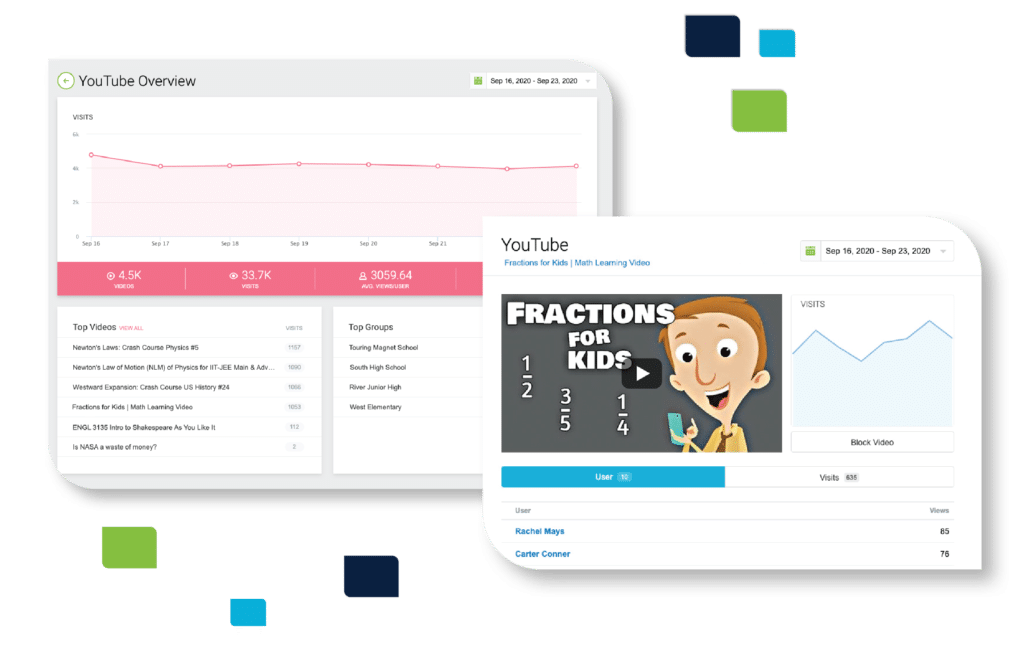
One of the most significant challenges in tech-enabled classrooms is YouTube. While it is an invaluable educational resource, it is also a rabbit hole of distractions and inappropriate comments. The Lightspeed Filter Agent features “SmartPlay” technology. This sub-feature automatically filters millions of YouTube videos, allowing only educational content to load while stripping away the sidebar recommendations, comments, and non-educational “distraction” videos. This ensures that the agent serves the pedagogical goals of the institution.
Real-Time AI Categorization
The internet grows by millions of pages daily. A static list of blocked sites is insufficient. The Lightspeed Filter Agent utilizes an AI engine that scans new and uncategorized pages in real-time. If a student attempts to access a brand-new “proxy” site (used to bypass filters), the agent analyzes the page’s metadata, text, and structure, categorizing it instantly and blocking it if it violates the school’s security policy.
Cross-Platform Deployment and Integration
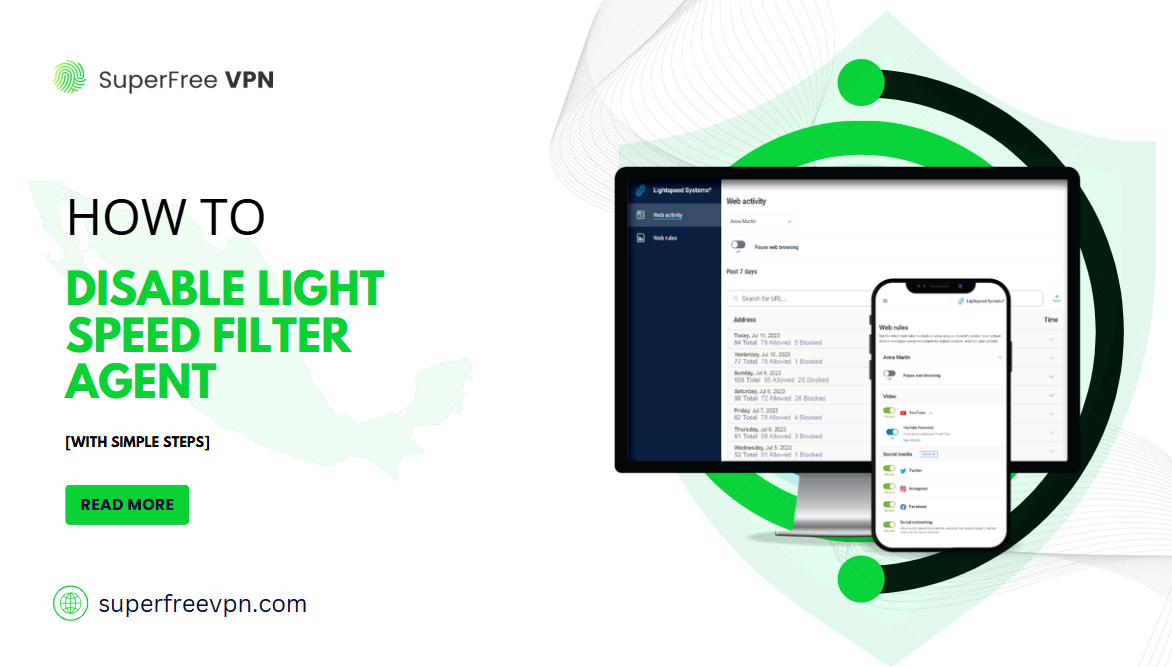
One of the primary reasons IT departments utilize the Lightspeed Filter Agent is its versatility across diverse hardware environments. Modern schools are rarely “monolithic”; they often use a mix of iPads for younger students, Chromebooks for middle schoolers, and Windows or Mac laptops for high schoolers and staff.
Platform-Specific Agents
The “Agent” is tailored for each operating system to ensure stability:
- Chrome Extension: For Chromebooks, the agent is deployed via the Google Admin Console, ensuring it cannot be disabled by the student.
- Windows/macOS Agents: These operate as system-level services, filtering all browsers (Chrome, Safari, Edge, Firefox) and even non-browser applications that attempt to connect to the internet.
- iOS SmartFilter: For iPads, the agent integrates with Apple’s “Global HTTP Proxy” or uses a dedicated filtered browser to maintain control within the mobile ecosystem.
Integration with Student Information Systems (SIS)
Technology is only effective if it is easy to manage. The Lightspeed Filter Agent integrates directly with directories like Google Workspace, Microsoft Azure (Active Directory), and SIS platforms like PowerSchool or Skyward. This allows for “Identity-Based Filtering.” Instead of applying one rule to the whole school, the agent knows who is logged into the device and applies specific policies based on their age, classroom, or extracurricular needs.
The Role of AI in Student Safety and Mental Health
In recent years, the role of filtering software has expanded from “security” to “safety.” The Lightspeed Filter Agent plays a critical role in the “Lightspeed Alert” ecosystem, which uses the agent’s data to protect student well-being.
Behavioral Analysis and Self-Harm Alerts
The agent monitors search queries and site visits for “indicators of concern.” If a student searches for terms related to self-harm, suicide, or extreme violence, the agent flags this activity. High-level AI analyzes the context—distinguishing between a student researching “The Holocaust” for a history project and a student searching for instructions on how to hurt themselves.
Preventing Cyberbullying and Threats
By monitoring web-based communication tools, the agent can identify patterns of cyberbullying. If a student is being targeted or if there are threats of school violence, the system generates real-time alerts for school counselors or administrators. This proactive approach allows schools to intervene before a digital interaction escalates into a real-world tragedy. This transformation from a “web filter” to a “safety net” is what defines the next generation of educational technology.
Administrative Benefits: Visibility and Reporting
For IT administrators and school leaders, the Lightspeed Filter Agent provides a “single pane of glass” view into the digital health of their organization.
Data-Driven Insights
The agent collects massive amounts of anonymized data that can be turned into actionable insights. Administrators can see which educational apps are being used most frequently, helping them justify the return on investment (ROI) for software licenses. Conversely, they can identify “shadow IT”—unauthorized apps that students or teachers are using that might pose a data privacy risk.
Ease of Troubleshooting and Maintenance
Because the agent is cloud-managed, updates happen automatically. IT teams do not need to manually patch every laptop. If a student is having trouble accessing a legitimate site, the administrator can look up that specific user’s activity log in the cloud console, identify the blocking rule, and push an update to the agent in real-time. This level of agility is essential in a fast-paced learning environment where five minutes of downtime can ruin a lesson plan.
Conclusion: The Future of the Filter Agent in a Digital-First World
The Lightspeed Filter Agent is far more than a simple parental control tool. It is a sophisticated, AI-driven security component that sits at the intersection of network engineering and educational psychology. By moving filtering to the device level, it has solved the “off-network” problem that plagued school districts for a decade.
As we look toward the future, the agent will likely become even more integrated with AI, offering personalized learning environments where the filter doesn’t just block “bad” content, but actively suggests “good” content based on the student’s curriculum. In an era where digital safety is as important as physical safety, the Lightspeed Filter Agent stands as a critical line of defense, ensuring that the internet remains a tool for empowerment rather than a source of distraction or danger. For any institution serious about 1:1 computing and CIPA compliance, understanding and deploying a robust agent-based filtering system is no longer optional—it is the foundation of a modern digital campus.
aViewFromTheCave is a participant in the Amazon Services LLC Associates Program, an affiliate advertising program designed to provide a means for sites to earn advertising fees by advertising and linking to Amazon.com. Amazon, the Amazon logo, AmazonSupply, and the AmazonSupply logo are trademarks of Amazon.com, Inc. or its affiliates. As an Amazon Associate we earn affiliate commissions from qualifying purchases.