
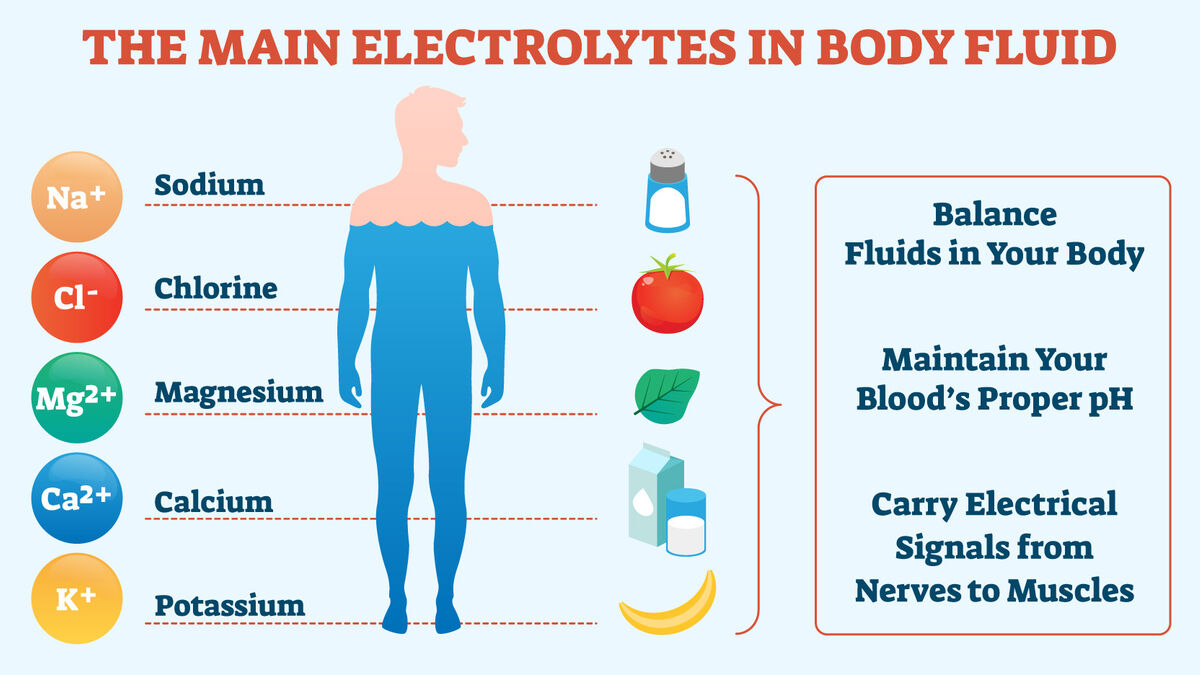
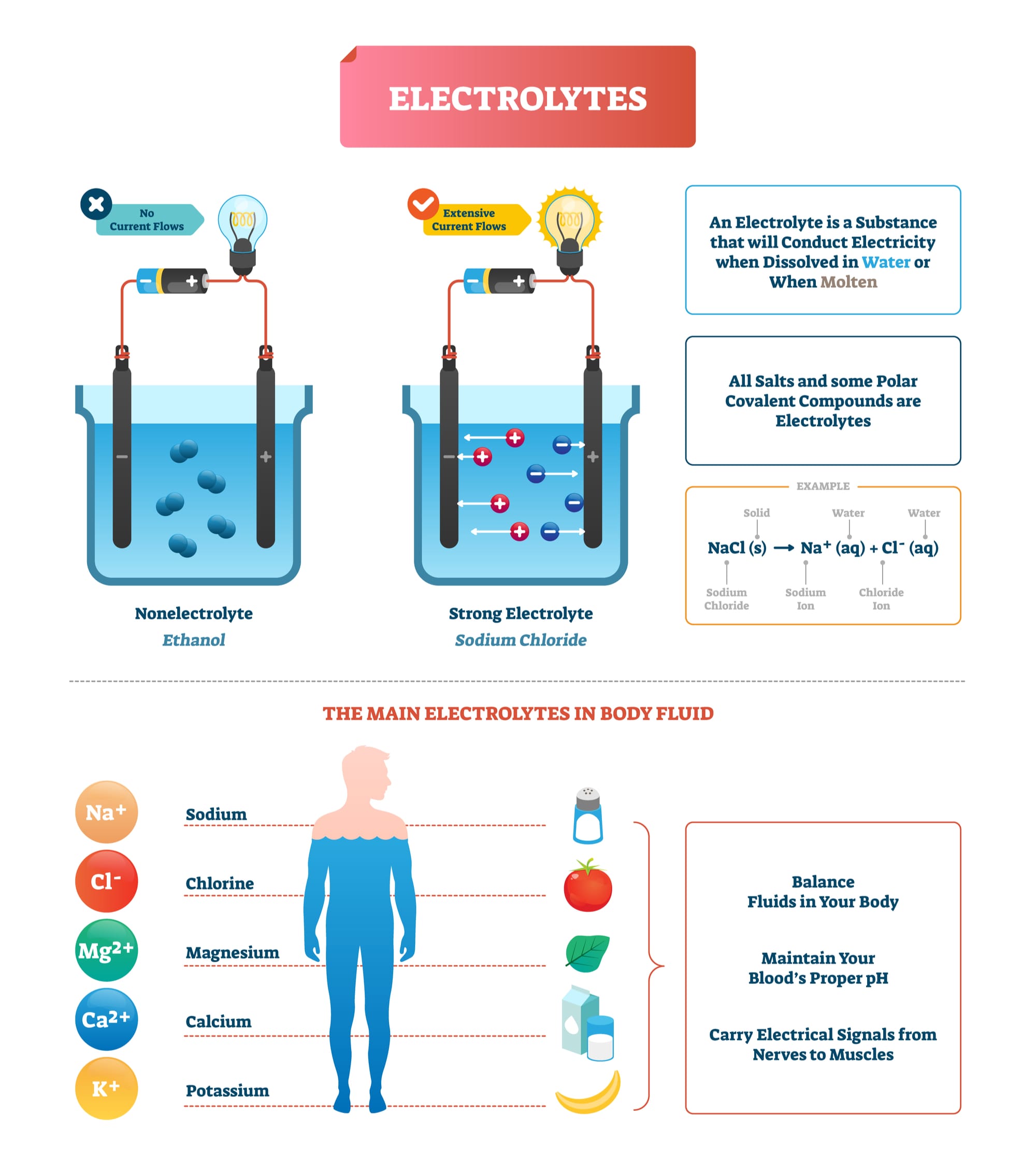
In the traditional sense, electrolytes—minerals like sodium, potassium, calcium, and magnesium that carry an electric charge—have been the domain of sports science and clinical medicine. However, as we enter the era of the “Quantified Self,” the biological function of these ions has become a focal point for the technology sector. What electrolytes do to the body is no longer a mystery solved only by blood tests in a lab; it is a real-time data stream processed by wearables, artificial intelligence, and sophisticated bio-sensors.
By understanding the technological infrastructure currently being built to monitor these vital minerals, we gain insight into the future of preventative health, elite athletic performance, and the integration of biology with digital systems.
The Bio-Tech Frontier: Real-Time Monitoring of Ion Concentrations
For decades, understanding what electrolytes were doing in a person’s body required invasive blood draws and hours of laboratory wait times. Today, the technology sector has pivoted toward non-invasive, continuous monitoring. The goal is to move from “reactive” health—fixing an imbalance after it occurs—to “proactive” optimization through data.
Wearable Sweat Sensors and Microfluidics
The most significant tech breakthrough in electrolyte monitoring is the development of microfluidic sweat sensors. Unlike a standard smartwatch that tracks heart rate via light (photoplethysmography), these specialized devices capture microscopic amounts of perspiration. Inside the patch or wearable, micro-channels guide the sweat over electrochemical sensors that measure the concentration of sodium and chloride ions.
Companies like Epicore Biosystems and hydration-focused tech startups are pioneering these “lab-on-the-skin” platforms. For a user, the tech translates the biological “output” of electrolytes into a digital “input,” telling them exactly when their sodium levels drop to a point that would impair cognitive function or muscle contraction.
Interstitial Fluid Analytics and Transdermal Tech
Beyond sweat, the tech industry is looking deeper into the body. Taking a cue from Continuous Glucose Monitors (CGMs), new transdermal sensors are being developed to measure electrolyte concentrations in the interstitial fluid (the fluid between cells). These sensors utilize microneedles—too small to cause pain—that interface with the body’s internal environment. This represents a massive leap in tech capability, as it allows for the monitoring of potassium and calcium, which are critical for heart rhythm and nerve signaling but are not as easily measured through surface-level sweat.
AI and Predictive Algorithms in Electrolyte Balance
Data is meaningless without interpretation. The tech industry’s greatest contribution to understanding what electrolytes do to the body lies in the “Intelligence Layer”—the software and algorithms that process raw biological signals into actionable insights.
Hyper-Personalized Nutrition Apps
We are seeing the rise of AI-driven platforms that integrate data from multiple sources: the weather (via GPS), the user’s metabolic rate (via heart rate sensors), and their electrolyte loss (via sweat patches). By processing these variables, machine learning models can predict an “electrolyte crash” before it happens.
For example, if an algorithm knows that an athlete is training in 90-degree humidity and has a high-sodium sweat profile, it can send a push notification to their augmented reality (AR) glasses or smartwatch, specifying the exact milligram dosage of potassium and sodium needed to maintain cellular homeostasis. This is the transition from generic advice to “precision hydration.”
Machine Learning in Clinical Settings
In a clinical tech context, AI is being used to analyze “Big Data” from hospital monitors to understand how electrolyte fluctuations correlate with patient outcomes. Electrolytes regulate the “voltage” of our cells; when they are out of balance, the heart can enter an arrhythmia. Tech firms are developing predictive algorithms for Intensive Care Units (ICUs) that flag subtle shifts in serum potassium levels. These AI tools can alert medical staff to a potential cardiac event hours before a traditional monitor would trigger an alarm, effectively using tech to master the body’s electrical grid.
The Internet of Medical Things (IoMT) and Critical Care
The “Internet of Medical Things” refers to the ecosystem of connected medical devices that share data over a network. When it comes to the role of electrolytes in the body—specifically their role in maintaining fluid balance and pH levels—the IoMT is revolutionizing how we manage chronic conditions and emergency care.
Remote Patient Monitoring (RPM)
For patients with chronic kidney disease or heart failure, electrolyte balance is a matter of life and death. New tech platforms allow for Remote Patient Monitoring (RPM), where “smart” scales and handheld electrolyte analyzers send data directly to a cardiologist’s dashboard. If the tech detects a spike in sodium retention (which causes water retention and stresses the heart), the system can automatically adjust the patient’s digital prescription or trigger a telehealth intervention. This connectivity ensures that the critical work electrolytes do—regulating blood pressure and volume—is constantly overseen by a digital guardian.
Smart IV Infusion Systems
In modern hospitals, the administration of electrolytes has moved from manual calculation to “Smart Pump” technology. These are IoT-enabled infusion pumps integrated with the hospital’s Electronic Health Records (EHR). When a doctor prescribes a potassium drip, the smart pump cross-references the patient’s latest lab results and weight, using software to ensure the infusion rate doesn’t exceed safe biological limits. This tech layer acts as a fail-safe, preventing human error in the delicate balance of bodily chemistry.
Future Trends: Bio-Integrated Circuitry and Beyond
As we look toward the next decade, the line between “the body” and “the device” will continue to blur. The tech industry is currently exploring bio-integrated circuitry—electronics that are not just worn on the skin but are biologically compatible and potentially permanent.
Implantable Micro-Sensing
The future of understanding electrolyte function may lie in permanent, injectable bio-sensors. These sensors, the size of a grain of rice, would stay in the tissue for months, communicating via Near Field Communication (NFC) with a smartphone. This would provide a 24/7 “dashboard” of the body’s internal chemistry. For high-performance professions—astronauts, deep-sea divers, or elite soldiers—knowing exactly what electrolytes are doing to their muscle endurance and neural processing in real-time is a strategic advantage.
The Convergence of Health-Tech and Digital Twins
One of the most exciting trends in the tech space is the creation of a “Digital Twin.” This is a virtual model of a person’s unique physiology. By fedding constant data about electrolyte intake, excretion, and metabolic use into a digital twin, researchers can run simulations. They could ask the software: “What happens to this individual’s heart rhythm if their magnesium levels drop by 15% under high-stress conditions?”
This predictive power allows for personalized “stress-testing” in a virtual environment before a person ever risks their health in the real world. It moves the conversation from “what do electrolytes do to the body in general” to “what do electrolytes do to your body specifically.”

Conclusion: The Tech-Enabled Human
Electrolytes are the fundamental conductors of the human body’s bio-electrical system. Without them, our brains couldn’t fire a single thought, and our hearts couldn’t beat. However, for most of human history, these processes were invisible and “silent” until something went wrong.
The technology sector has changed that paradigm. Through the development of advanced sensors, AI-driven analytics, and interconnected medical devices, we have turned the movement of minerals across cell membranes into a legible, manageable, and optimizable data set. As tech continues to evolve, our ability to monitor, predict, and enhance what electrolytes do to the body will not only improve athletic performance but will redefine the very boundaries of human health and longevity. We are no longer just “taking” electrolytes; we are managing our body’s electrical infrastructure with the precision of a high-end data center.
aViewFromTheCave is a participant in the Amazon Services LLC Associates Program, an affiliate advertising program designed to provide a means for sites to earn advertising fees by advertising and linking to Amazon.com. Amazon, the Amazon logo, AmazonSupply, and the AmazonSupply logo are trademarks of Amazon.com, Inc. or its affiliates. As an Amazon Associate we earn affiliate commissions from qualifying purchases.