
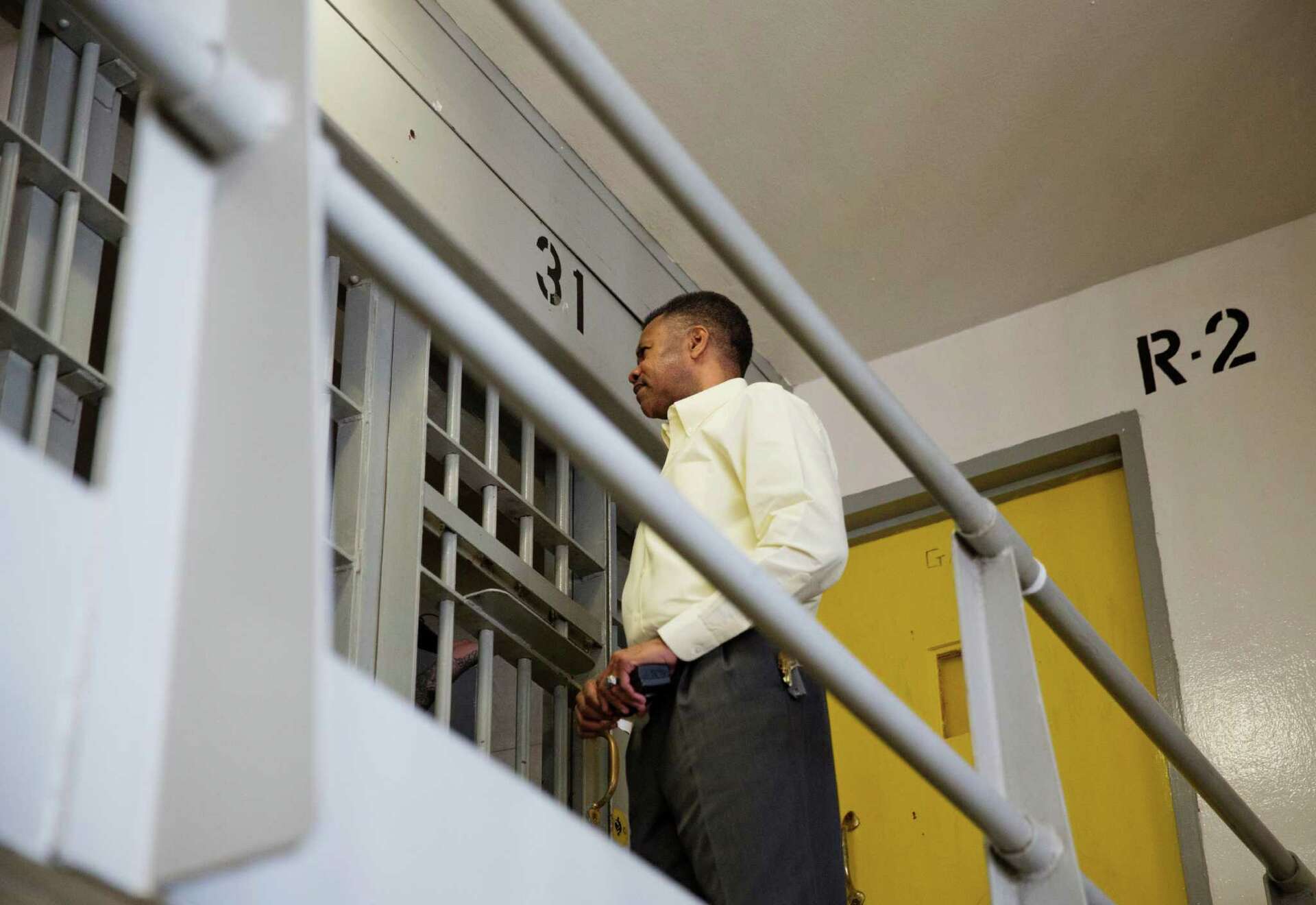
In the modern era, the phrase “life in prison” evokes images of iron bars, concrete walls, and isolation. However, in the state of Georgia, the reality of incarceration is undergoing a radical digital transformation. As the Georgia Department of Corrections (GDC) looks toward modernization, technology has become an inextricable part of the daily existence of the incarcerated population. From the way inmates communicate with their families to the methods through which they receive an education, technology is redefining the landscape of Georgia’s penal system. This article explores the multifaceted tech ecosystem within Georgia’s prisons, examining how software, hardware, and digital security are shaping the correctional experience.
The Rise of Inmate Tablets: Connectivity and Content Behind Bars
The most visible change in Georgia’s correctional facilities over the last decade is the introduction of specialized inmate tablets. No longer are inmates solely dependent on a single shared wall phone in a loud common room. The transition to personal handheld devices has revolutionized the internal economy and the daily routine of life in prison.
Communication Software: Breaking the Isolation Barrier
In Georgia, companies like Securus Technologies and Global Tel Link (GTL) have implemented proprietary software platforms that allow inmates to send and receive electronic messages, similar to email but highly regulated. These platforms, such as JPay or GettingOut, provide a vital link to the outside world.
Life in prison in Georgia now involves “e-messaging,” where families can send photos and short videos to their incarcerated loved ones. This software includes rigorous scanning protocols; AI-driven algorithms and human monitors review content for keywords or symbols associated with gang activity or illicit behavior. This tech-driven communication helps maintain family ties, which data suggests is a primary factor in reducing recidivism, yet it also places a digital footprint on every interaction an inmate has with the outside world.
EdTech in the Cell: Educational Opportunities and Vocational Training
Beyond communication, these tablets serve as mobile classrooms. The “life” of an inmate in Georgia increasingly includes the use of Learning Management Systems (LMS) specifically designed for secure environments. Through partnerships with educational providers, inmates can access GED prep materials, vocational training modules, and even college-level coursework.
This shift to EdTech allows for self-paced learning, which is critical in a facility where staffing shortages might otherwise cancel traditional classroom sessions. Software suites offer libraries of thousands of eBooks, spanning from classical literature to technical manuals on plumbing and electrical work. By integrating technology into rehabilitation, Georgia aims to equip inmates with the digital literacy skills necessary for the modern workforce upon their release.
Surveillance and Security: The AI Revolution in Facility Management
While tablets focus on the inmate’s experience, the infrastructure of Georgia’s prisons has seen a massive influx of high-tech security tools. The “life” of an inmate is now lived under the watchful eye of increasingly sophisticated surveillance systems that go far beyond simple CCTV.
Biometrics and Facial Recognition: Enhancing Perimeter Security
Security in Georgia prisons has moved into the realm of biometrics. Many facilities now utilize facial recognition software and iris scanning to verify the identity of everyone entering and exiting the premises—including staff, visitors, and inmates moving between units. This technology minimizes the risk of human error in identity verification and prevents unauthorized access to sensitive areas.
Furthermore, biometric data is used to manage “movement” within the prison. Inmates may need to scan their fingerprints or faces to check into their assigned work details or to receive their medications. This digital record-keeping creates a granular data trail of an inmate’s daily life, allowing administrators to optimize staffing and improve the overall safety of the environment.
Contraband Detection: High-Tech Scanning Solutions
The battle against contraband—specifically cell phones and drugs—has spurred the adoption of advanced scanning tech. Georgia prisons are increasingly employing full-body scanners, similar to those found in airports, which use low-dose X-rays to detect items hidden internally or within clothing.
Additionally, “managed access” technology is a significant trend. This software-based security measure creates a “cellular umbrella” over the prison grounds, intercepting unauthorized cell signals. It allows only pre-approved devices to connect to the network, effectively turning smuggled commercial smartphones into “bricks.” This technological arms race is a defining characteristic of modern life in Georgia’s correctional facilities.
The Ethics of Digital Integration: Balancing Security and Privacy
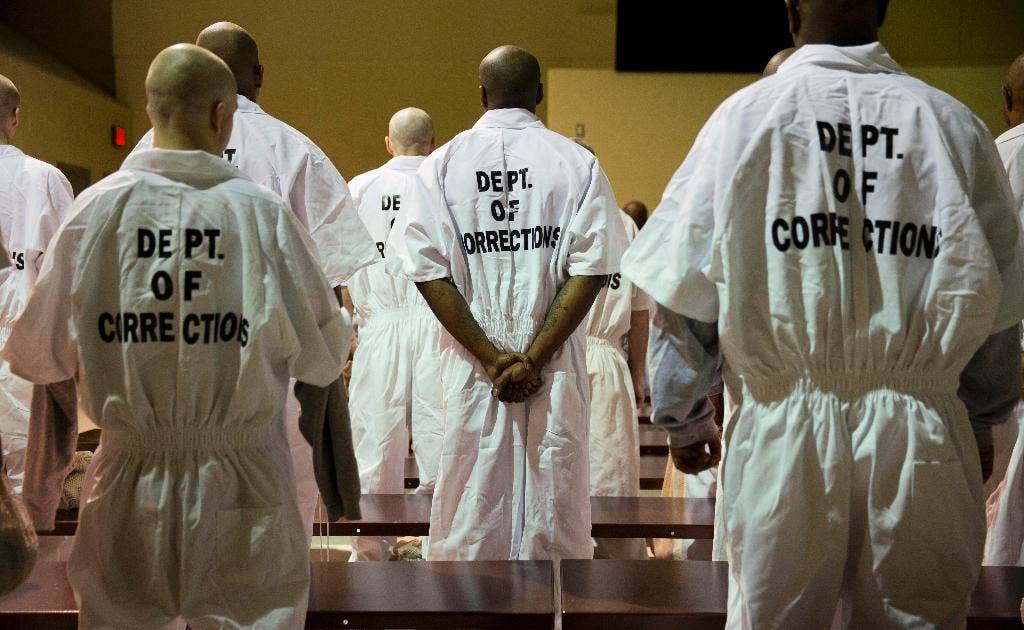
As technology becomes more pervasive, the conversation around life in prison in Georgia must address the ethical implications of the “Digital Prison.” The intersection of technology and human rights presents complex challenges for developers, administrators, and the public.
Data Security and Inmate Privacy Concerns
With every message sent and every book read on a tablet, a massive amount of data is generated. In Georgia, as in other states, there are ongoing debates regarding who owns this data and how it is protected. Digital security in a prison context isn’t just about keeping hackers out; it’s about the privacy of the conversations between an inmate and their legal counsel or family.
The software used in these facilities must be exceptionally robust to prevent inmates from “jailbreaking” the devices to access the open internet. However, the extreme level of monitoring required for security purposes means that inmates have virtually zero expectation of digital privacy. This creates a unique technological environment where the tools meant to connect people are also the tools used for total surveillance.
The Cost of Connectivity: Pay-to-Play Digital Services
From a financial technology perspective, the “Money” aspect of prison tech is a significant part of an inmate’s life. Most digital services in Georgia prisons—such as streaming music, watching movies, or sending messages—operate on a “pay-to-play” model. Inmates or their families must fund digital accounts to use these services.
The software interfaces are designed with integrated payment gateways, making it easy for users to spend “credits.” Critics argue that this creates a digital divide within the prison walls, where those with financial resources have better access to entertainment and communication than those without. This tech-driven economy is a central component of the modern Georgia prison experience, shifting the financial burden of communication from the state to the families of the incarcerated.
Future Trends: AI and Rehabilitation in Georgia’s Correctional Landscape
Looking forward, the trajectory of technology in Georgia’s prisons suggests an even deeper integration of AI and immersive tech. The goal is to move beyond mere containment toward more effective, tech-enabled rehabilitation.
Virtual Reality for Re-entry Preparation
One of the most exciting trends in correctional technology is the use of Virtual Reality (VR) for re-entry training. Life in prison in Georgia can leave an individual disconnected from the rapid pace of the outside world. VR software allows inmates nearing their release date to practice real-world scenarios in a controlled, digital environment.
Inmates can use VR headsets to simulate grocery shopping, using a self-checkout kiosk, or navigating a busy city street—tasks that might seem daunting after decades of incarceration. By utilizing immersive tech, the GDC can provide a “soft landing” for individuals, reducing the shock of re-entry and increasing the likelihood of a successful transition back into society.
Smart Infrastructure and Resource Management
The future of Georgia’s prisons also lies in “Smart” facility management. Internet of Things (IoT) sensors are being considered for monitoring everything from water usage and lighting to the vital signs of inmates in medical units. These AI-driven systems can predict maintenance needs before equipment fails and alert staff to medical emergencies in real-time.
By leveraging big data analytics, Georgia prison administrators can identify patterns in inmate behavior, potentially predicting and preventing violence before it occurs. While this level of algorithmic management sounds like science fiction, it is the logical conclusion of the digital trends currently being implemented across the state.

Conclusion
Life in prison in Georgia is no longer an analog experience. It is a life lived at the intersection of human incarceration and cutting-edge technology. While the primary goal of the prison system remains security and justice, the tools used to achieve these ends have changed the nature of the environment. The introduction of tablets, AI-driven surveillance, and digital education platforms has created a “Digital Frontier” within the wire. As technology continues to evolve, the challenge for Georgia will be to harness these tools in a way that enhances safety and promotes genuine rehabilitation, ensuring that the digital life behind bars serves as a bridge, rather than just another wall.
aViewFromTheCave is a participant in the Amazon Services LLC Associates Program, an affiliate advertising program designed to provide a means for sites to earn advertising fees by advertising and linking to Amazon.com. Amazon, the Amazon logo, AmazonSupply, and the AmazonSupply logo are trademarks of Amazon.com, Inc. or its affiliates. As an Amazon Associate we earn affiliate commissions from qualifying purchases.