
In the dynamic world of commerce, where identity and reputation are paramount, the concept of “infringing on a right” carries significant weight for brands. At its core, infringement signifies the unauthorized use or violation of a legally protected right belonging to another entity. For a brand, this typically involves the misappropriation of intellectual property—assets that are foundational to its identity, market position, and consumer trust. Understanding infringement is not merely a legal exercise; it is a critical component of brand strategy, risk management, and market protection.
The Core Concept of Infringement in Branding
Infringement, in the context of branding, refers to any action that unlawfully encroaches upon the exclusive privileges granted to a brand owner. These privileges are usually enshrined in law, designed to protect the significant investment of time, creativity, and capital that goes into building a brand’s unique presence. When a brand’s right is infringed upon, it can lead to confusion in the marketplace, dilute brand equity, and result in substantial financial and reputational harm.
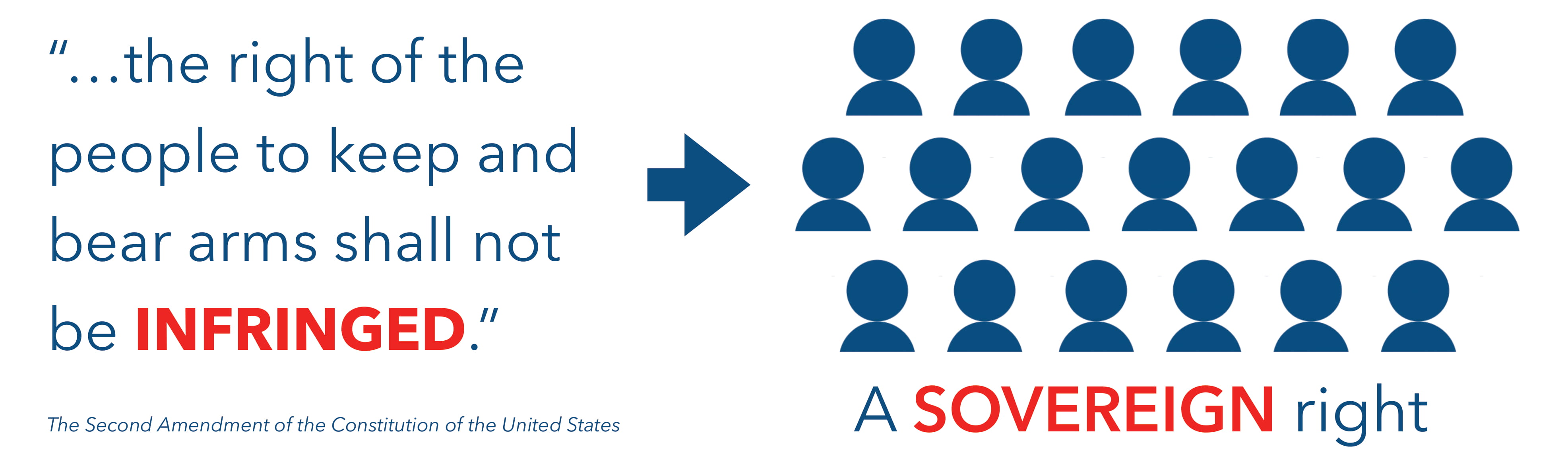
The primary rights susceptible to infringement for brands are intellectual property rights. These include trademarks, copyrights, and sometimes design patents or trade dress. Each of these categories protects a different facet of a brand’s identity and offerings. The legal framework surrounding these rights aims to ensure fair competition and prevent one entity from unfairly benefiting from another’s innovation and reputation.
It’s crucial to distinguish infringement from activities like fair use, parody, or legitimate competitive practices. Fair use, for instance, allows limited use of copyrighted material without permission for purposes such as criticism, commentary, news reporting, teaching, scholarship, or research. Parody, too, is often protected as a form of free speech, provided it genuinely transforms the original work and is not simply a direct copy for commercial gain. Understanding these nuances is vital for both brand owners seeking to protect their assets and for others navigating the complex landscape of intellectual property.
Key Intellectual Property Rights and Their Infringement
The landscape of brand protection is multifaceted, built upon various types of intellectual property. Each type protects a distinct aspect of a brand, and understanding their respective infringement criteria is essential.
Trademark Infringement
A trademark is a recognizable sign, design, or expression which identifies products or services of a particular source from those of others. This includes brand names, logos, slogans, and even unique product packaging or color schemes. The core purpose of trademark law is to prevent consumer confusion regarding the source of goods or services.
Trademark infringement occurs when one party uses a mark that is identical or confusingly similar to a registered trademark, in connection with goods or services that are identical or related to those covered by the registered mark, leading to a likelihood of confusion among consumers. Key factors in determining infringement include:
- Similarity of the Marks: How alike are the two marks visually, phonetically, or conceptually?
- Similarity of the Goods/Services: Do the products or services offered by both parties overlap or compete?
- Strength of the Prior Mark: How well-known and distinctive is the established brand’s trademark?
- Evidence of Actual Confusion: Have consumers actually been confused?
- Marketing Channels Used: Are the products/services sold through similar outlets or advertised in similar ways?
- Intent of the Junior User: Did the infringing party intentionally try to capitalize on the established brand’s goodwill?
Beyond likelihood of confusion, trademark infringement can also occur through dilution, where a famous mark’s distinctiveness is weakened through unauthorized use, even if there’s no direct competition or confusion. This can be by blurring (making the mark less distinctive) or tarnishment (associating the mark with inferior or unsavory products/services). Examples range from blatant counterfeiting of luxury goods to the use of a very similar brand name or logo for a competing product or service.
Copyright Infringement

Copyright protects original works of authorship fixed in a tangible medium of expression. For brands, this encompasses a vast array of assets, including:
- Text: Website content, blog posts, marketing copy, ad scripts, brochures.
- Visuals: Logos (when artistic), photographs, illustrations, infographics, product packaging designs, website layouts, video content, ad creatives.
- Audio: Jingles, background music in advertisements, podcasts.
- Software: Code used for proprietary apps or platforms.
Copyright infringement occurs when someone reproduces, distributes, performs, publicly displays, or creates derivative works from a copyrighted work without permission from the copyright holder. Unlike trademarks, copyright does not protect ideas or facts, only the specific expression of those ideas. Proving infringement typically requires demonstrating:
- Ownership of a Valid Copyright: The brand must own the copyright to the work.
- Copying by the Infringer: The infringing party must have copied elements of the copyrighted work. This can be direct copying or copying significant “substantially similar” portions.
- Access: The infringer must have had access to the copyrighted work.
Common examples in branding include competitors lifting entire sections of website text, unauthorized use of stock photography or original ad creatives, or replicating proprietary software designs.
Design Patent & Trade Dress Infringement
While less commonly discussed than trademarks or copyrights, design patents and trade dress also play a crucial role in protecting a brand’s unique aesthetic and consumer experience.
- Design Patents protect the ornamental design of a functional item, such as the distinctive shape of a branded product, a unique furniture design, or the aesthetic of a tech gadget. Infringement occurs when someone creates or sells an item that is substantially similar in overall appearance to the patented design.
- Trade Dress refers to the overall look and feel of a product or its packaging, or even a business establishment. This could include the distinctive layout and décor of a restaurant chain, the unique combination of colors and shapes on a product’s packaging, or the characteristic user interface of a software application. Trade dress is infringed when an unauthorized party uses a similar trade dress that causes a likelihood of confusion among consumers about the source of goods or services.
The Impact of Infringement on Brands
The consequences of infringement extend far beyond mere legal fees. For brands, an infringement can inflict significant and long-lasting damage across multiple dimensions.
- Financial Losses: Direct financial losses stem from lost sales and market share that are diverted to the infringing party. Brands also incur substantial legal costs for litigation, monitoring services, and cease-and-desist efforts. In cases where infringement is proven, damages awarded can be considerable, but the costs of pursuing such claims are high.
- Reputational Damage and Brand Dilution: Perhaps the most insidious impact is on a brand’s reputation and equity. When consumers encounter infringing products or services, especially if they are of inferior quality, it can erode trust in the authentic brand. This confusion can dilute the distinctiveness of the brand, making it harder for consumers to differentiate the genuine article from imitations. This tarnishes the careful image building and brand messaging.
- Erosion of Competitive Advantage: A brand invests heavily in innovation, design, and marketing to gain a competitive edge. Infringement allows competitors to free-ride on these investments, undermining the brand’s unique selling propositions and making it harder to justify premium pricing or market leadership.
- Loss of Exclusivity: The core value of intellectual property lies in the exclusive rights it grants. Infringement strips away this exclusivity, diminishing the intrinsic value of the brand’s protected assets and making it more challenging to leverage them for future growth and market expansion.

Mitigating Infringement Risks
Proactive strategies are indispensable for brands seeking to protect their rights and minimize the risk of infringement.
- Proactive Registration and Protection: The first line of defense is securing formal legal protection for intellectual property. Registering trademarks with national and international patent and trademark offices provides strong legal backing and public notice of ownership. Similarly, applying for design patents and registering copyrights where applicable strengthens a brand’s position. This due diligence ensures a brand has enforceable rights to stand upon.
- Vigilance and Monitoring: Brands must actively monitor the marketplace for potential infringements. This includes regular online searches, social media monitoring, and engaging specialized brand protection services that use AI and sophisticated algorithms to detect unauthorized use of brand assets. Early detection allows for swifter and often less costly intervention.
- Robust Enforcement Strategies: When infringement is detected, a clear enforcement strategy is crucial. This typically begins with sending a “cease and desist” letter, formally notifying the infringer of the violation and demanding they stop. If this fails, litigation may be necessary to obtain injunctions, seize infringing goods, or recover damages. Having a legal team specialized in intellectual property is vital.
- Comprehensive Due Diligence: Before launching a new brand name, logo, or product design, conducting thorough clearance searches is paramount. This involves searching existing trademark, copyright, and patent databases to ensure the proposed brand asset does not infringe on existing rights. This preventative measure avoids costly disputes down the line.
- Educating Internal Teams: Ensuring all employees, especially those in marketing, product development, and legal departments, understand the importance of intellectual property and how to protect it is crucial. This includes guidelines on proper use of brand assets, understanding licensing agreements, and recognizing potential infringements.
By taking a comprehensive and proactive approach, brands can significantly reduce their vulnerability to infringement, safeguard their valuable intellectual property, and preserve their market position and hard-earned reputation.
aViewFromTheCave is a participant in the Amazon Services LLC Associates Program, an affiliate advertising program designed to provide a means for sites to earn advertising fees by advertising and linking to Amazon.com. Amazon, the Amazon logo, AmazonSupply, and the AmazonSupply logo are trademarks of Amazon.com, Inc. or its affiliates. As an Amazon Associate we earn affiliate commissions from qualifying purchases.