
Leukorrhea, a term often met with a mix of curiosity and concern, refers to the normal, physiological discharge from the vagina. While the term itself might sound medical and even alarming, understanding its characteristics, causes, and when it warrants medical attention is crucial for women’s health. Far from being an anomaly, vaginal discharge is a vital and dynamic aspect of a healthy reproductive system, playing key roles in lubrication, protection, and maintaining the delicate balance of the vaginal environment.
This article aims to demystify leukorrhea, separating common misconceptions from factual information. We will explore the physiological basis of this discharge, delve into the factors that influence its appearance and consistency, and most importantly, provide guidance on recognizing when a change in discharge might indicate an underlying issue. While the website’s primary focus lies in technology, branding, and finance, understanding fundamental aspects of personal well-being, such as reproductive health, is an intrinsic part of overall personal development and can indirectly impact financial and professional productivity. A healthy individual is generally a more productive and financially secure individual.

The Biological Function of Vaginal Discharge
At its core, leukorrhea is a manifestation of the vagina’s remarkable self-cleaning and protective mechanisms. The vaginal walls are lined with cells that continuously shed, and these sloughed-off cells, along with mucus produced by glands in the cervix, form the basis of vaginal discharge. This discharge is not static; its characteristics vary significantly throughout a woman’s menstrual cycle, pregnancy, and even in response to sexual arousal.
The primary functions of this natural discharge include:
- Lubrication: Vaginal discharge provides lubrication, which is essential for comfortable sexual intercourse and reduces friction during everyday activities.
- Protection against Infection: The discharge plays a critical role in maintaining the acidic pH of the vagina (typically between 3.8 and 4.5). This acidity inhibits the growth of harmful bacteria and fungi, thus protecting against infections. Beneficial bacteria, primarily Lactobacillus species, thrive in this acidic environment and further contribute to maintaining vaginal health.
- Cleaning and Waste Removal: The continuous flow of discharge helps to flush out dead cells, bacteria, and other debris, effectively cleaning the vagina and preventing the buildup of potential irritants or pathogens.
Understanding these inherent functions highlights that a certain amount of vaginal discharge is not only normal but indicative of a healthy and functioning reproductive system. It’s a testament to the body’s intricate biological processes working to maintain equilibrium.
Changes Throughout the Menstrual Cycle
The hormonal fluctuations that characterize the menstrual cycle profoundly influence the nature of vaginal discharge. Estrogen, in particular, plays a significant role in stimulating cervical mucus production.
- Menstruation: During menstruation, blood and uterine lining are shed, masking any normal discharge.
- Post-Menstruation: Following menstruation, as estrogen levels begin to rise, the cervix starts to produce more mucus. The discharge during this phase is typically scant, sticky, and whitish or yellowish.
- Ovulation: Leading up to ovulation, estrogen levels peak. This surge in estrogen stimulates the production of abundant, clear, stretchy, and slippery mucus, often described as having an egg-white consistency. This type of discharge is a clear sign of fertility.
- Pre-Menstruation (Luteal Phase): After ovulation, progesterone levels rise, and estrogen declines. This hormonal shift leads to a decrease in cervical mucus production. The discharge becomes thicker, creamier, and more opaque, often appearing white or yellowish again.
These cyclical changes are a natural part of a woman’s reproductive health and are not a cause for concern. They reflect the body’s preparation for potential conception and its subsequent cleansing processes.
Vaginal Discharge During Pregnancy and Menopause
The hormonal landscape shifts dramatically during pregnancy, directly impacting vaginal discharge.
- Pregnancy: The increased levels of estrogen and progesterone during pregnancy lead to a noticeable increase in vaginal discharge. This discharge, often referred to as “leukorrhea of pregnancy,” is typically thin, milky white, and may have a mild odor. Its increased volume helps to prevent vaginal infections, which can be more common during pregnancy. While this increased discharge is normal, any significant changes in color, odor, or accompanied by itching or burning should be reported to a healthcare provider.
- Menopause: As women approach and go through menopause, estrogen levels decline significantly. This reduction in estrogen can lead to a thinning of the vaginal walls and a decrease in natural lubrication. Consequently, vaginal discharge may become scantier, and women may experience vaginal dryness, itching, and a burning sensation. This condition, known as vaginal atrophy or genitourinary syndrome of menopause (GSM), is common and treatable.
When to Seek Medical Advice: Identifying Abnormal Discharge
While leukorrhea is a sign of a healthy vagina, changes in its characteristics can signal an underlying infection or other gynecological issues. It’s crucial to be aware of what constitutes normal discharge and to recognize the warning signs that warrant a visit to a healthcare professional.
The following changes in vaginal discharge should prompt a medical evaluation:

- Abnormal Color: Discharge that is consistently green, gray, or has a rusty brown appearance could indicate an infection.
- Unpleasant Odor: A strong, fishy, or foul odor is a common symptom of bacterial vaginosis (BV) or trichomoniasis.
- Unusual Consistency: Discharge that becomes excessively thick and clumpy, resembling cottage cheese, is a hallmark symptom of a yeast infection.
- Associated Symptoms: The presence of itching, burning, redness, swelling, or pain in the vaginal or vulvar area, along with changes in discharge, strongly suggests an infection or irritation.
- Bleeding between Periods or After Intercourse: This can be a sign of various issues, including infections, cervical polyps, or more serious conditions.
- Increased Volume that is Persistent: While discharge can increase naturally at certain times, a sudden and persistent surge in volume that is different from your usual pattern should be discussed with a doctor.
Common Causes of Abnormal Vaginal Discharge
Several conditions can lead to changes in vaginal discharge beyond normal leukorrhea. Understanding these can help in recognizing potential problems:
- Bacterial Vaginosis (BV): This is the most common vaginal infection in women of childbearing age. It occurs when there is an imbalance of the bacteria normally found in the vagina. BV typically causes a thin, grayish-white discharge with a characteristic fishy odor. It can also be associated with itching and burning.
- Yeast Infections (Candidiasis): These are caused by an overgrowth of Candida fungus, which is normally present in the vagina in small amounts. Yeast infections are characterized by a thick, white, cottage cheese-like discharge, often accompanied by intense itching, redness, and irritation.
- Sexually Transmitted Infections (STIs): Several STIs can manifest with abnormal vaginal discharge.
- Trichomoniasis: This is a common STI caused by a parasite. It often causes a frothy, greenish-yellow discharge with a foul odor, and can also lead to itching and burning.
- Chlamydia and Gonorrhea: These bacterial STIs may not always cause noticeable symptoms, but when they do, they can lead to increased vaginal discharge, which may be yellowish or greenish, along with pain during urination and bleeding between periods.
- Pelvic Inflammatory Disease (PID): This is a serious infection of the reproductive organs, often stemming from untreated STIs. PID can cause abnormal vaginal discharge, along with pelvic pain, fever, and pain during intercourse.
- Irritants and Allergens: Soaps, douches, scented sanitary products, and latex condoms can irritate the delicate vaginal tissues, leading to increased discharge, itching, and redness.
Diagnostic Approaches and Treatment Options
When you consult a healthcare provider about changes in vaginal discharge, they will typically perform a pelvic examination and may collect a sample of the discharge for microscopic analysis or laboratory testing. This helps to identify the specific cause of the abnormality.
Treatment depends entirely on the underlying diagnosis:
- Bacterial Vaginosis: Treated with antibiotics, usually metronidazole or clindamycin, taken orally or as a vaginal cream.
- Yeast Infections: Typically treated with antifungal medications, available as oral pills or vaginal creams and suppositories.
- Trichomoniasis: Treated with a single dose of metronidazole or tinidazole.
- Chlamydia and Gonorrhea: Treated with a course of antibiotics. It is crucial that sexual partners are also treated to prevent reinfection.
- PID: Requires more aggressive treatment, often involving hospitalization and intravenous antibiotics, followed by oral antibiotics.
For irritant-induced discharge, the primary treatment involves identifying and avoiding the offending irritant.
Maintaining Vaginal Health: Preventive Measures and Best Practices
While leukorrhea is a natural bodily function, certain practices can help maintain a healthy vaginal environment and reduce the risk of infections that can alter discharge.
Hygiene and Lifestyle Considerations
- Gentle External Cleansing: The vagina is self-cleaning. The external genital area (vulva) should be washed daily with mild, unscented soap and water. Avoid harsh soaps, douches, and scented feminine hygiene products, as these can disrupt the natural vaginal flora and pH balance.
- Proper Wiping Technique: Always wipe from front to back after using the toilet to prevent the spread of bacteria from the anus to the vagina.
- Breathable Underwear: Opt for cotton underwear, which allows for better air circulation and helps to keep the area dry. Avoid tight-fitting synthetic fabrics that can trap moisture.
- Avoid Douching: Douching is generally not recommended as it washes away the beneficial bacteria that protect the vagina from infection.
- Diet and Hydration: A balanced diet rich in probiotics (found in yogurt and fermented foods) can support a healthy gut and vaginal microbiome. Staying well-hydrated is also important for overall bodily function.
Sexual Health and Practices
- Safe Sex Practices: Using condoms consistently and correctly during sexual activity is crucial for preventing the transmission of STIs, which can significantly impact vaginal health and discharge.
- Regular Check-ups: Women should have regular gynecological check-ups, including Pap smears and STI screenings as recommended by their healthcare provider. Early detection and treatment of infections are key to preventing complications.
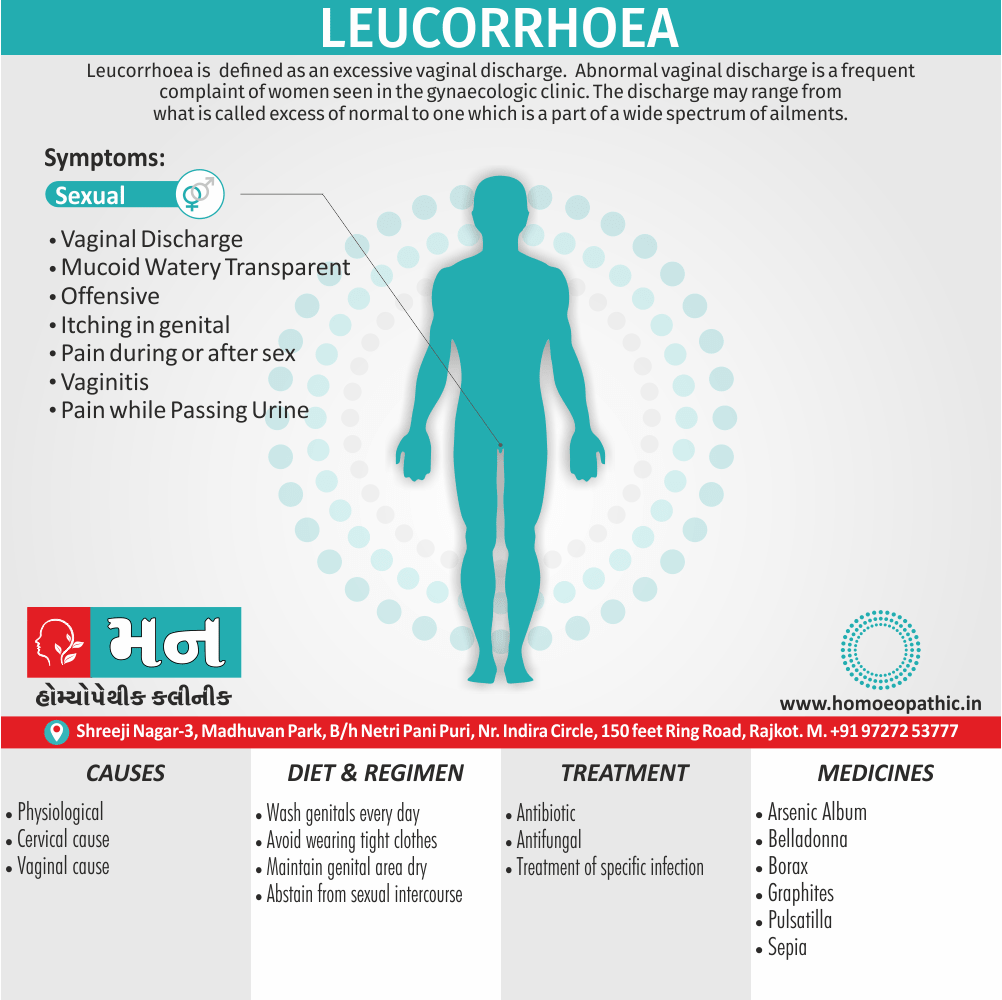
Understanding Your Body
Ultimately, the most effective way to monitor your vaginal health is to become familiar with your own body and its normal patterns. Pay attention to the usual color, consistency, and odor of your discharge. When you notice any significant deviations from your norm, don’t hesitate to seek professional medical advice. Early intervention can often prevent minor issues from becoming major health concerns.
In conclusion, leukorrhea is a natural and healthy bodily function. By understanding its physiological roles, recognizing the variations that occur naturally, and being aware of the signs of abnormality, women can proactively manage their reproductive health. While the complexities of technology, the nuances of branding, and the intricacies of finance are vital for personal and professional growth, a fundamental understanding of one’s own physical well-being, including reproductive health, serves as the bedrock upon which all other pursuits are built. A healthy individual is better equipped to engage with and succeed in all aspects of life, including navigating the digital landscape, building a strong personal brand, and achieving financial security.
aViewFromTheCave is a participant in the Amazon Services LLC Associates Program, an affiliate advertising program designed to provide a means for sites to earn advertising fees by advertising and linking to Amazon.com. Amazon, the Amazon logo, AmazonSupply, and the AmazonSupply logo are trademarks of Amazon.com, Inc. or its affiliates. As an Amazon Associate we earn affiliate commissions from qualifying purchases.