
In the vast landscape of visual communication, where every line, shape, and hue contributes to a brand’s narrative, the art of lettering holds a uniquely powerful position. More than just writing, lettering is the deliberate drawing of letters, each crafted with a specific purpose, aesthetic, and message in mind. It is a bespoke art form that provides brands with a distinct voice, a memorable identity, and an unmistakable presence in a crowded marketplace. Understanding what lettering is, its nuances, and its applications reveals its indispensable value in contemporary brand strategy and design.
The Art and Craft of Drawing Letters
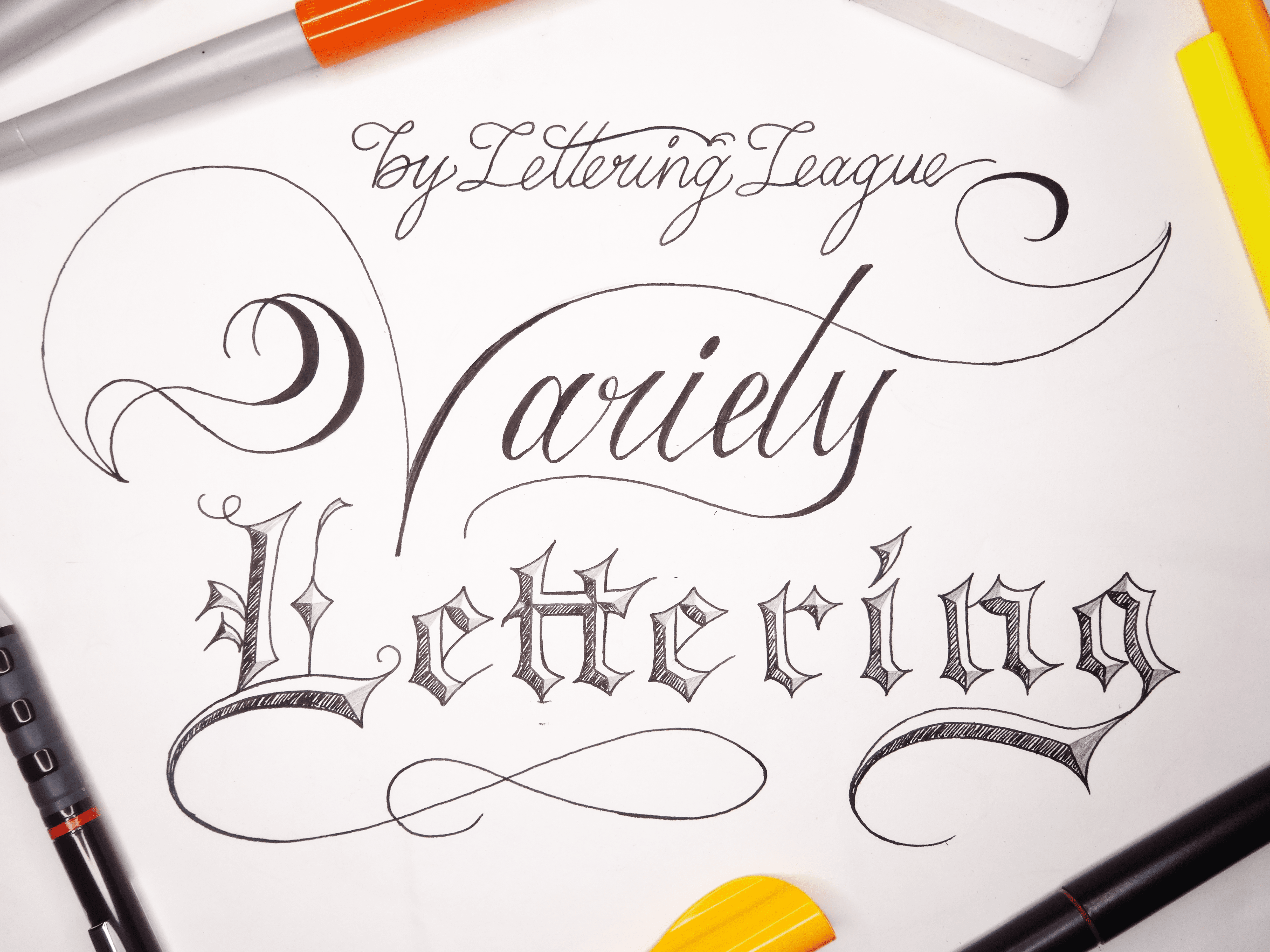
At its core, lettering is an artistic discipline focused on creating custom letterforms. Unlike simply selecting a typeface or writing by hand, lettering involves a meticulous process of illustration, where each character is an individual piece of art, drawn and rendered rather than typed or written with a continuous flow. This distinction is crucial for appreciating its unique contribution to design and branding.
Beyond Fonts: The Distinction from Typography and Calligraphy
To truly grasp what lettering entails, it’s essential to differentiate it from its closely related cousins: typography and calligraphy. While all three deal with written characters, their methodologies and objectives vary significantly.
Typography refers to the art and technique of arranging type to make written language legible, readable, and appealing when displayed. It involves working with existing typefaces (fonts), which are standardized sets of characters designed for mass reproduction. When a designer chooses a font like Helvetica or Times New Roman, they are engaging in typography. The focus is on consistency, legibility, and the effective use of a pre-defined system.
Calligraphy, on the other hand, is the art of beautiful writing. It emphasizes the skill and fluidity of human hand-writing, typically executed with a broad-edged pen, brush, or other writing instruments that allow for varying stroke widths in a single, continuous motion. Calligraphy is about the gesture, the elegance of the stroke, and often the individual expression of the calligrapher. While beautiful, calligraphic pieces are often unique, single-instance creations.
Lettering stands apart. It is about drawing letters, often from scratch, with a specific design outcome in mind. A letterer might begin with a blank canvas and meticulously construct each letterform, considering its shape, weight, serifs or sans-serifs, and overall style to perfectly convey a mood or message. The final product is a custom illustration of text, unique to its application, and not necessarily adhering to the rules of a continuous writing system or the constraints of a pre-existing font. This intentionality allows for unparalleled customization and a truly unique visual signature.
The Intentionality of Custom Lettering
The essence of lettering lies in its intentionality. Every curve, counter, stem, and descender is a deliberate design choice aimed at achieving a specific aesthetic and communicating a precise message. This level of customization allows for an unparalleled alignment between visual form and brand essence. For a brand, this means transcending generic visual language and embracing a tailor-made solution that speaks directly to its values, personality, and target audience. Whether evoking heritage, modernity, playfulness, or sophistication, custom lettering imbues text with a level of character and specificity that mass-produced fonts often cannot achieve.
Lettering’s Indispensable Role in Branding and Design
In the realm of brand strategy and corporate identity, lettering is far from a mere decorative element; it is a foundational pillar for establishing a distinct and memorable presence. Its custom nature makes it an invaluable asset for conveying unique brand stories and personalities.
Crafting Unique Brand Identities
Perhaps the most prominent application of lettering in branding is in the creation of logos and brand marks. A custom-lettered logo offers an unparalleled level of uniqueness. While thousands of companies might use the same standard font for their logotype, a custom-lettered mark ensures that a brand’s name is rendered in a way that is exclusively theirs. This exclusivity is a powerful differentiator, helping a brand to stand out immediately and etch itself into the minds of consumers. From the elegant script of a luxury brand to the bold, block letters of an industrial company, custom lettering instantly communicates the brand’s core identity and values. It allows designers to infuse personality, history, and a bespoke quality directly into the most visible aspect of a brand.
Enhancing Marketing and Communication
Beyond logos, lettering plays a crucial role in various marketing and communication collateral. Headlines for advertisements, titles for product packaging, storefront signage, and editorial designs frequently leverage custom lettering to grab attention, evoke emotion, and reinforce brand messaging.
For example, a custom hand-drawn headline for a product launch can convey excitement and artisanal quality in a way that a standard typeface cannot. On product packaging, unique lettering can signify authenticity, craft, or a specific flavor profile, influencing purchasing decisions. In digital marketing, custom lettered graphics can improve shareability and recall, making content more engaging and visually appealing. The bespoke nature of lettering allows for a direct visual interpretation of marketing copy, enhancing its impact and memorability.
Personal Branding and Creative Expression

Lettering extends its utility to personal branding as well. Artists, designers, writers, and entrepreneurs often use custom lettering for their personal logos, website headers, or social media graphics to articulate their unique style and professional ethos. It provides a visual shorthand for their creative identity, signaling their expertise and artistic vision. For those in creative fields, showcasing original lettering pieces can be a cornerstone of their portfolio, demonstrating skill, versatility, and a distinct aesthetic that attracts clients and collaborators. In this context, lettering becomes a direct expression of individual creativity, helping to build a recognizable and attractive personal brand.
The Design Process: From Concept to Custom Mark
Creating effective custom lettering for a brand is a meticulous process that combines artistic skill with strategic thinking. It’s an iterative journey from abstract ideas to refined, tangible visuals.
Research and Ideation
The process begins with thorough research and ideation. A designer must immerse themselves in the brand’s world, understanding its history, values, target audience, competitive landscape, and strategic objectives. What message needs to be conveyed? What emotions should it evoke? This discovery phase helps define the desired aesthetic, whether it’s classic, modern, playful, minimalist, or ornate. Mood boards, brainstorming sessions, and keyword associations are critical tools at this stage to translate abstract concepts into visual directions.
Sketching and Refinement
Once a clear direction is established, the designer moves to the sketching phase. This is where the magic of lettering truly begins. Initial sketches are loose and exploratory, experimenting with various letterforms, weights, styles, and compositions. The goal is to generate a wide range of possibilities, pushing creative boundaries without immediate concern for perfection. As promising concepts emerge, sketches become more refined, focusing on legibility, balance, harmony, and adherence to the brand’s defined aesthetic. Multiple rounds of sketching and critical review—often involving client feedback—are crucial to narrow down the options and hone in on the strongest designs. This stage often involves detailed anatomical adjustments to each letter, ensuring they work together cohesively as a single, illustrative unit.
Digitization and Application
The selected refined sketches are then digitized. Using vector-based software, the hand-drawn lines are meticulously traced and transformed into scalable digital artwork. This ensures that the lettering can be reproduced flawlessly across various mediums and sizes—from a tiny app icon to a large billboard—without any loss of quality. During digitization, further refinements are made to curves, angles, and spacing to achieve pixel-perfect precision. Finally, the custom lettering is prepared for its intended applications, whether it’s integrated into a logo system, applied to packaging mock-ups, or formatted for web use. Comprehensive guidelines are often created to ensure consistent implementation across all brand touchpoints.
Why Invest in Custom Lettering for Your Brand?
In an increasingly visual and competitive market, the decision to invest in custom lettering is a strategic one, offering a myriad of benefits that extend far beyond aesthetics.
Standing Out in a Crowded Market
In an era saturated with visual content, differentiation is paramount. Custom lettering provides an unparalleled opportunity for a brand to carve out a unique visual niche. While off-the-shelf fonts offer convenience, they also contribute to visual homogeneity. A custom-lettered logo or headline immediately distinguishes a brand from its competitors, making it instantly recognizable and memorable. This distinctiveness helps capture attention and communicates a brand’s commitment to quality and originality.
Communicating Brand Personality
Every brand has a story and a personality. Custom lettering is an incredibly effective tool for visually expressing these intangible qualities. A playful script might suit a children’s toy company, while a strong, structured sans-serif could be perfect for a financial institution. The customizability of lettering allows designers to imbue characters with specific traits that resonate with the brand’s values – be it elegance, ruggedness, modernity, tradition, or whimsy. This direct correlation between visual form and brand character creates a deeper, more emotional connection with the audience.
Building Memorability and Recognition
A custom-lettered design, especially a logo, is inherently more memorable than a generic one. Its unique characteristics stick in the mind, aiding in brand recall and recognition. When consumers encounter a brand repeatedly, a distinct logotype or branded text becomes an ingrained symbol, fostering familiarity and trust. This strong visual anchor helps build brand equity over time, making it easier for customers to identify and choose the brand in future interactions.

Versatility and Longevity
Despite being custom-made, well-designed lettering is remarkably versatile. Once digitized, it can be adapted for a wide array of applications, maintaining its integrity and impact across different scales and mediums. From digital screens and print materials to merchandise and environmental graphics, custom lettering remains consistent and effective. Furthermore, because it’s not tied to fleeting font trends, high-quality custom lettering often possesses a timeless quality, ensuring longevity and relevance for the brand for years to come. It’s an investment that continues to pay dividends in brand perception and market presence.
aViewFromTheCave is a participant in the Amazon Services LLC Associates Program, an affiliate advertising program designed to provide a means for sites to earn advertising fees by advertising and linking to Amazon.com. Amazon, the Amazon logo, AmazonSupply, and the AmazonSupply logo are trademarks of Amazon.com, Inc. or its affiliates. As an Amazon Associate we earn affiliate commissions from qualifying purchases.