
Understanding the precise number of shares a colossal company like Amazon (AMZN) has in circulation is fundamental for investors, financial analysts, and anyone looking to grasp its market valuation and financial health. The concept of outstanding shares is a cornerstone of corporate finance, directly influencing everything from stock price per share to market capitalization and earnings per share. For a company that has undergone significant growth and multiple stock splits, tracing this number offers a fascinating glimpse into its financial strategy and its journey from an online bookseller to a global e-commerce, cloud computing, and digital entertainment behemoth. This article delves into Amazon’s share structure, its evolution, the latest figures, and the profound implications for its valuation and investment appeal.
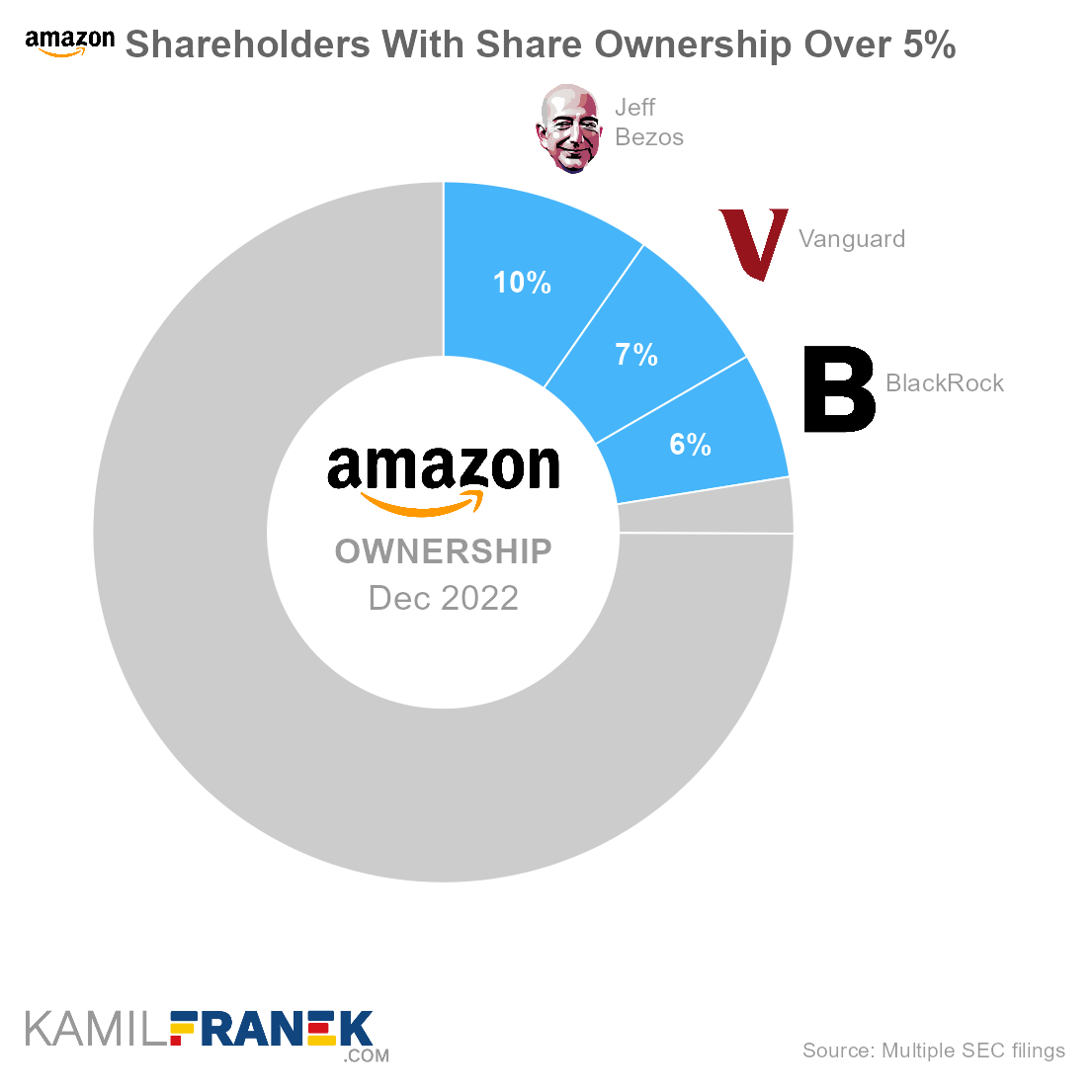
Understanding Amazon’s Share Structure
At its core, a company’s share structure represents the ownership units of the business. For publicly traded entities like Amazon, these shares are bought and sold on stock exchanges, enabling public ownership and capital generation.
What Are Outstanding Shares?
Outstanding shares refer to the total number of shares of a company that are currently held by all its shareholders, including institutional investors, individual investors, and company insiders. This figure is a critical input for many financial calculations. It differs from “authorized shares,” which is the maximum number of shares a company is legally permitted to issue, as defined in its corporate charter. Not all authorized shares are necessarily issued and outstanding. Companies may hold a portion of authorized shares in reserve for future issuances, such as employee stock options or future capital raises. When we talk about “how many shares Amazon has,” we are primarily interested in its outstanding shares, as these are the ones actively trading in the market and contributing to its market capitalization.
Why the Number of Shares Matters for Investors
For investors, the number of outstanding shares is far more than just a statistic; it’s a vital piece of the financial puzzle. Firstly, it directly impacts the stock’s per-share price and, consequently, the company’s market capitalization (share price × outstanding shares). A higher number of shares, all else being equal, can lead to a lower per-share price, making the stock more accessible to a broader range of investors. Secondly, outstanding shares are crucial for calculating earnings per share (EPS), a key profitability metric. EPS is derived by dividing a company’s net income by its outstanding shares. A lower share count can result in a higher EPS, often perceived positively by the market, indicating greater earnings attributable to each unit of ownership. Conversely, share dilution, which occurs when new shares are issued (e.g., through secondary offerings or conversions of convertible bonds), can increase the outstanding share count and dilute the value of existing shares, potentially lowering EPS. Understanding Amazon’s outstanding shares provides context for its valuation ratios, liquidity, and overall market dynamics.
The Evolution of Amazon’s Share Count: A History of Splits
Amazon’s journey from a nascent online bookstore to a market titan has been punctuated by significant growth and strategic financial maneuvers, including several stock splits that have dramatically altered its share count.
Early Growth and Initial Public Offering (IPO)
Amazon went public on May 15, 1997, at an initial offering price of $18.00 per share. At its IPO, Amazon offered 3 million shares to the public, marking the beginning of its life as a publicly traded company. The initial share count was relatively small, reflecting the company’s early stage. As Amazon grew and its stock price surged, the company faced the common challenge of an increasingly expensive share price, which could deter smaller individual investors.
The Impact of Stock Splits on Share Count and Investor Access
Stock splits are corporate actions that increase the number of a company’s shares by dividing each existing share into multiple shares. While the total value of an investor’s holding remains the same immediately after a split, the per-share price decreases proportionally. The primary motivations for stock splits include making shares more affordable and accessible to a wider pool of investors, thereby increasing liquidity. Amazon has executed multiple stock splits throughout its history:
- June 2, 1998: 2-for-1 split. This doubled the number of outstanding shares and halved the share price.
- January 5, 1999: 3-for-1 split. This tripled the number of shares existing prior to this split.
- September 1, 1999: 2-for-1 split. Again, this doubled the share count.
These early splits were indicative of Amazon’s rapid growth and soaring stock price during the dot-com boom, making its shares more palatable to individual investors. For nearly 23 years after the 1999 split, Amazon operated without another stock split, leading its share price to climb into the thousands of dollars, making it one of the most expensive stocks on a per-share basis.
Amazon’s Recent Stock Split: A Deep Dive into 2022
After more than two decades, Amazon announced another significant stock split, a 20-for-1 split that took effect on June 6, 2022. This was a monumental event for a company of Amazon’s size. For every one share an investor owned before the split, they received 19 additional shares, bringing their total to 20 shares. Consequently, the price per share was adjusted downwards by a factor of 20. For example, if Amazon’s stock was trading at $2,400 per share before the split, it would trade at approximately $120 per share after.
The rationale behind this split was consistent with historical motives: to make the stock more attractive to a broader base of investors, particularly retail investors who might have found a four-figure share price prohibitive. It also made the stock more amenable for inclusion in price-weighted indices like the Dow Jones Industrial Average, though Amazon has not yet been added. This 2022 split dramatically increased Amazon’s outstanding share count, making it crucial for current financial analysis.
Decoding Amazon’s Current Share Landscape

To determine the most up-to-date outstanding share count for Amazon, one must consult the company’s latest financial reports. These figures are not static and can fluctuate due to various corporate actions.
Pinpointing the Latest Outstanding Share Count
As of its latest quarterly or annual filings (e.g., 10-K for annual, 10-Q for quarterly, or its most recent earnings release), Amazon’s outstanding share count can be found in the consolidated balance sheets or the notes to financial statements. Companies are required to report this figure accurately. While the exact number constantly evolves, post the 2022 20-for-1 stock split, Amazon’s outstanding shares significantly increased.
For illustrative purposes, prior to the 2022 split, Amazon had approximately 500 million shares outstanding. After the 20-for-1 split, this figure multiplied by 20, bringing the outstanding share count into the realm of 10 billion shares (500 million x 20 = 10 billion). It is imperative for investors to always refer to Amazon’s most recent official SEC filings (e.g., its latest Form 10-K or 10-Q) for the precise and most current outstanding share count, as this number can slightly vary each quarter due to events like executive stock option exercises or minor share repurchases. This post-split figure is a massive number, reflecting the colossal scale of Amazon’s market capitalization when multiplied by its current share price.
Authorized vs. Outstanding Shares: A Key Distinction
It’s important to reiterate the difference between authorized and outstanding shares. Amazon, like any public company, has a certain number of shares authorized in its corporate charter. This is the maximum number of shares it is allowed to issue. The outstanding shares are merely a subset of the authorized shares – those that have actually been issued to investors and are currently in circulation. Amazon keeps a reserve of authorized but unissued shares, which it can use for future capital raising, mergers and acquisitions, or employee compensation plans. The market primarily focuses on outstanding shares because they represent actual ownership and influence market valuation.
Implications of Amazon’s Share Count for Valuation and Investment
The sheer volume of Amazon’s outstanding shares has multifaceted implications for its market valuation, investment appeal, and financial metrics.
Market Capitalization and Per-Share Value
The fundamental relationship between outstanding shares and market capitalization is direct: Market Cap = Share Price × Outstanding Shares. While a stock split increases the outstanding shares, it proportionally decreases the share price, leaving the total market capitalization unchanged immediately after the split. However, a lower per-share price, as a result of a split, can broaden the investor base. With its billions of outstanding shares, Amazon maintains one of the largest market capitalizations globally, reflecting its massive scale and market dominance. This large market cap also signifies its influence on major market indices and global economic trends. The relatively lower per-share price post-split makes AMZN stock more accessible for investors using smaller sums of capital, potentially increasing trading volume and liquidity.
Earnings Per Share (EPS) and Share Dilution
EPS is a critical measure of profitability. After the 2022 split, Amazon’s EPS would also be divided by 20, assuming the net income remained constant. For instance, if Amazon reported $100 EPS before the split, it would report $5 EPS after the split. While the total earnings for the company remain the same, they are now distributed over a larger number of shares. This recalibration is important for comparative analysis, as investors often look at trends in EPS to gauge a company’s profitability growth. Potential future share dilution from new issuances (e.g., for employee compensation or acquisitions) could further increase the outstanding share count and dilute EPS, a factor sophisticated investors continuously monitor. Conversely, share buybacks, though less common for growth-focused Amazon historically, could reduce outstanding shares and boost EPS.
Investor Accessibility and Liquidity
One of the most immediate and tangible benefits of a high outstanding share count, especially one resulting from a stock split, is increased investor accessibility and liquidity. A lower share price means that individual investors can buy Amazon stock without committing a large sum for a single share, making it easier to build a diversified portfolio. This increased accessibility often leads to higher trading volumes, which in turn enhances liquidity. Higher liquidity means that investors can buy and sell shares more easily without significantly impacting the stock price, providing a more efficient market for Amazon’s shares. This is particularly relevant for a company as widely followed and traded as Amazon.
The Strategic Role of Shares in Amazon’s Future
Amazon’s management continually assesses its capital structure, and the number of outstanding shares plays a strategic role in its future financial decisions and growth trajectory.
Share Buybacks and Their Potential Impact
While Amazon historically has been more focused on reinvesting its earnings back into the business for growth rather than returning capital to shareholders through extensive share buybacks, the possibility always exists. Share buybacks occur when a company repurchases its own shares from the open market, reducing the number of outstanding shares. This action can boost EPS, increase the per-share value of remaining shares, and signal management’s confidence in the company’s undervaluation. Given Amazon’s immense cash flow generation, a shift towards more aggressive buybacks, though not its historical norm, could significantly impact its share count and shareholder value in the future, particularly as it matures.
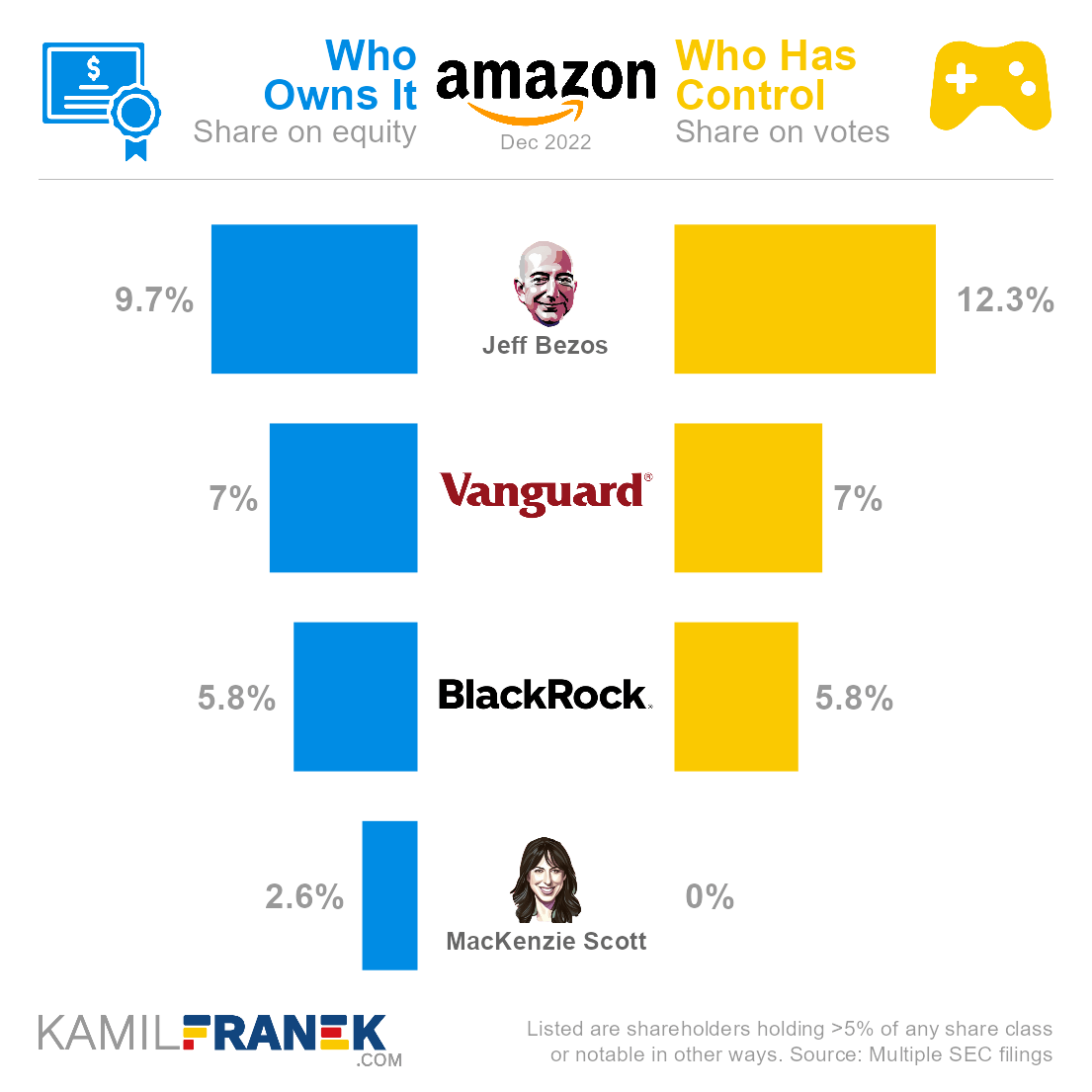
Navigating Future Growth and Capital Allocation
The management of outstanding shares is intrinsically linked to Amazon’s long-term growth strategy and capital allocation decisions. Whether through issuing new shares for strategic acquisitions, using shares for employee compensation plans to attract top talent, or potentially considering buybacks, the share count remains a dynamic element of Amazon’s financial strategy. The company must balance its need for capital to fuel its diverse and expanding ventures (e.g., AWS, advertising, logistics, healthcare) with maintaining shareholder value and an attractive stock price. The sheer volume of shares post-split gives Amazon substantial flexibility, allowing it to leverage its equity for various corporate finance initiatives without unduly impacting the market.
In conclusion, the question of “how many shares does Amazon have” transcends a simple numerical answer. It opens a window into the financial intricacies of one of the world’s most valuable companies, revealing how stock splits, investor accessibility, valuation metrics, and strategic financial planning are all interconnected. For anyone investing in or analyzing Amazon, understanding its outstanding share count is an essential part of comprehending its past, present, and future financial trajectory.
aViewFromTheCave is a participant in the Amazon Services LLC Associates Program, an affiliate advertising program designed to provide a means for sites to earn advertising fees by advertising and linking to Amazon.com. Amazon, the Amazon logo, AmazonSupply, and the AmazonSupply logo are trademarks of Amazon.com, Inc. or its affiliates. As an Amazon Associate we earn affiliate commissions from qualifying purchases.