
Understanding Lent: A Cultural and Observational Lens for Brands
Lent is a significant religious observance within Christianity, traditionally a 40-day period of fasting, prayer, and almsgiving that precedes Easter. For brands operating in diverse global markets, understanding the meaning and implications of Lent transcends mere religious knowledge; it becomes a critical component of cultural intelligence, informing brand strategy, marketing campaigns, and corporate identity. A nuanced comprehension allows brands to navigate consumer behavior, align messaging authentically, and foster deeper connections with their target audiences during a period of introspection and self-discipline for millions worldwide.
The Core Principles of Lent: Sacrifice, Reflection, and Renewal
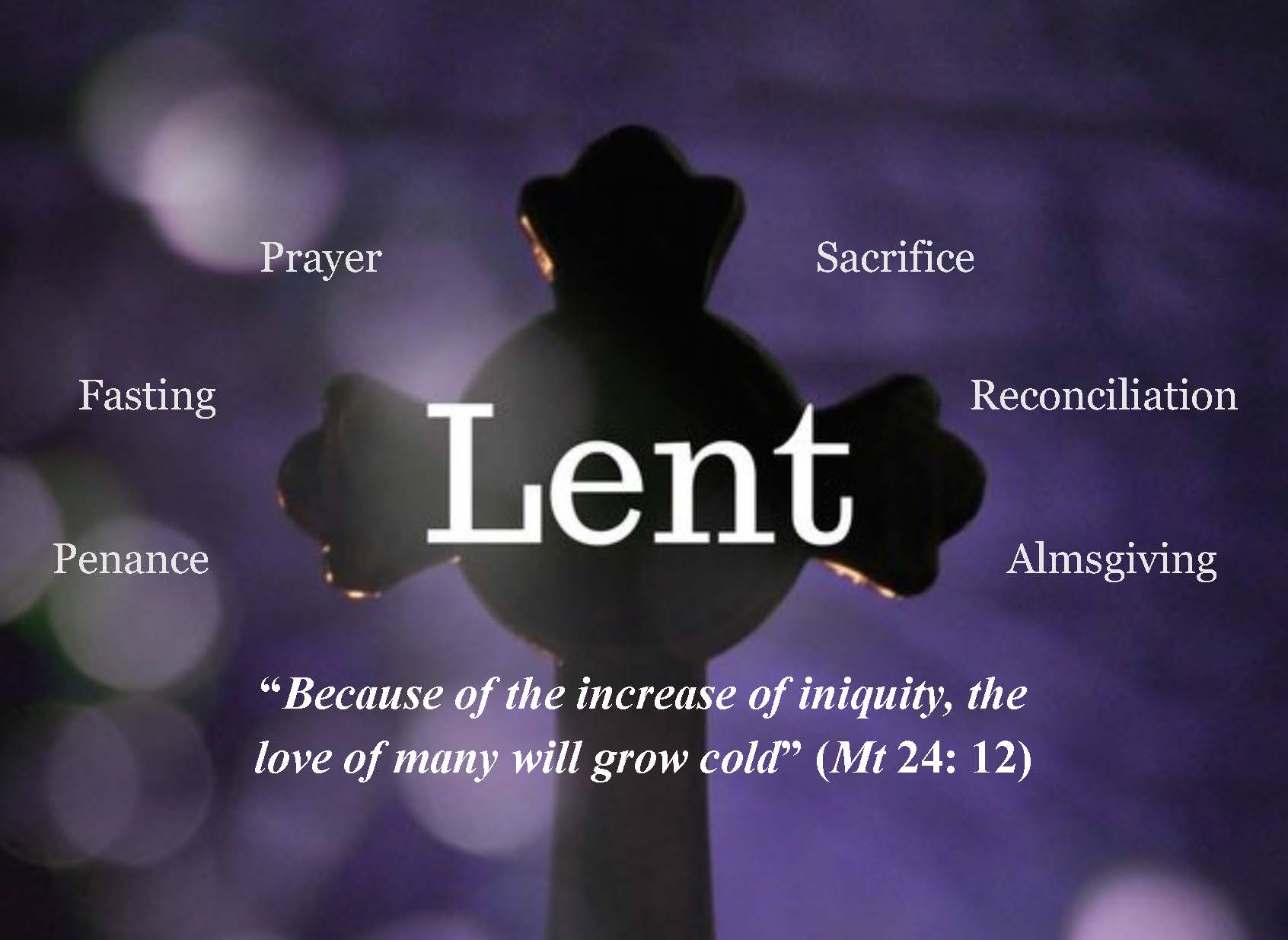
At its heart, Lent commemorates the 40 days Jesus spent fasting in the desert, facing temptation. Beginning on Ash Wednesday and concluding on Holy Saturday (the day before Easter Sunday), it is a solemn season designed for spiritual purification and preparation for the celebration of Christ’s resurrection. Key practices traditionally include:

- Fasting: Historically, this meant one full meal and two smaller meals, with no meat on Ash Wednesday and Fridays during Lent. Modern interpretations vary, with many observers choosing to “give up” certain luxuries, habits, or foods (e.g., chocolate, alcohol, social media).
- Prayer: An increased focus on spiritual discipline and a deeper connection with faith.
- Almsgiving: Acts of charity and giving to those in need, emphasizing compassion and community responsibility.
For brands, these core principles signal a period where consumers may be more inclined towards simplicity, ethical consumption, generosity, and thoughtful engagement. Messages that resonate with themes of renewal, intentionality, and contribution often find a more receptive audience than those focused purely on indulgence or material acquisition. Understanding this foundational meaning helps brands avoid missteps and identify opportunities for authentic interaction.
Demographics and Observance: Who Observes Lent?
While Lent is most prominently observed by Catholics, it is also a practice within various Protestant denominations, including Lutherans, Methodists, Presbyterians, and Anglicans. Orthodox Christians observe a similar period, though with different timings and practices. Geographically, this means Lenten observance is widespread across Europe, North and South America, parts of Africa, and communities globally where Christianity is prevalent.
The level of observance can vary significantly, from strict adherence to traditional fasting rules to more personal commitments like giving up a specific habit or taking on a positive new practice (e.g., volunteering). Brands must recognize this diversity, understanding that while not all consumers will be actively observing Lent, its cultural ripple effects—such as a general mood of reflection or a temporary shift in dietary preferences—can still influence a broader consumer base. A brand’s awareness of this widespread, albeit varied, observance demonstrates cultural sensitivity and intelligence.
Lent’s Impact on Consumer Behavior and Market Dynamics
The Lenten season introduces distinct shifts in consumer behavior and market dynamics, driven by personal commitments to sacrifice, reflection, and charity. Brands that are attuned to these changes can strategically adapt their offerings and messaging to remain relevant and respectful during this period.
Shifting Consumption Patterns During Lent
One of the most noticeable impacts of Lent on consumer behavior is the alteration of purchasing and consumption habits, particularly concerning food and beverages.
- Dietary Adjustments: The tradition of abstaining from meat on Fridays during Lent, and sometimes on other specific days, significantly boosts the demand for fish, seafood, and vegetarian/vegan alternatives. Restaurants and grocery stores often see a surge in demand for these products. Beyond meat, many also reduce or eliminate alcohol, sweets, and other “luxuries,” leading to a potential dip in sales for these categories.
- Reduced Indulgences: Consumers often “give up” specific items or activities for Lent. This could range from specific types of food or drink to entertainment, luxury purchases, or even digital habits like excessive social media use. Brands in these sectors may experience temporary reduced engagement or sales, necessitating a strategic recalibration of promotional efforts.
- Increased Demand for Essentials/Mindful Products: Conversely, there might be a subtle shift towards more “essential” or “mindful” purchases. Products that support home cooking, healthy eating, spiritual practices, or simple living might see increased interest as consumers focus on introspection and self-improvement.
The “Giving Up” Mentality and Brand Engagement
The pervasive “giving up” mentality during Lent isn’t just about abstaining; it’s also about intentionality and self-discipline. For brands, this can mean:
- Appealing to Values: Consumers may be more receptive to brands that align with values such as generosity, community support, health, or personal growth. Marketing that emphasizes shared values or a brand’s commitment to social good can resonate more powerfully.
- Focus on Utility and Purpose: Rather than promoting extravagance, brands might highlight the utility, longevity, or ethical sourcing of their products. Messages about durability, sustainability, or mindful consumption can align well with the Lenten spirit of conscious choices.
- Digital Detox and Authentic Connection: With many choosing to reduce screen time or social media engagement, brands might find that overly aggressive or constant digital marketing can be counterproductive. Instead, focusing on more meaningful, less frequent, or more community-oriented digital interactions might be more effective. The goal is to avoid appearing tone-deaf to a period of reduced indulgence and increased reflection.
Navigating Lent in Brand Strategy and Marketing
For brands, Lent presents both challenges and opportunities. Strategic planning is essential to respectfully engage with consumers while aligning brand activities with the prevailing cultural mood.
Aligning Brand Messaging with Lenten Themes
Effective brand communication during Lent requires sensitivity and an understanding of the season’s core themes.
- Empathy and Subtlety: Overt celebratory or indulgent messaging can feel out of place. Brands that adopt a more subdued, thoughtful, and empathetic tone tend to fare better. This doesn’t mean silence, but rather a shift in focus.
- Highlighting Positive Values: Messaging can pivot to emphasize themes like community, charity, personal growth, simplicity, and compassion. Brands can showcase their commitment to social responsibility or highlight products/services that support healthy habits, family time, or charitable giving. For example, a food brand might promote meat-alternative recipes, or a financial service might highlight tools for budgeting and mindful spending.
- Avoiding Clashes: Brands should review their scheduled campaigns to ensure they don’t inadvertently clash with the solemnity of Lent. High-energy parties, excessive indulgence, or luxury-focused promotions might be paused or rephrased during this period.
Product and Service Adaptation
Brands can proactively adapt their offerings to meet Lenten-specific demands and consumer preferences.
- Food and Beverage Innovation: Restaurants can introduce special Lenten menus featuring fish, vegetarian, and vegan options. Grocery stores can create dedicated displays for meat substitutes, seafood, and healthy, simple meal ingredients. Beverage brands might promote non-alcoholic alternatives or mindful hydration options.
- Mindful Consumption Products: Retailers could highlight products that support reflection, self-care, or charitable giving. This might include books, journals, ethical goods, or products from brands with strong CSR initiatives.
- Service Adjustments: Service industries can also adapt. Wellness brands might offer programs focused on mindfulness or digital detox. Educational platforms might promote courses on personal development or community service.
Corporate Social Responsibility (CSR) and Authentic Engagement
Lent is an opportune time for brands to amplify their Corporate Social Responsibility initiatives, aligning with the season’s emphasis on almsgiving and community support.
- Charitable Partnerships: Brands can partner with charities, organize donation drives, or launch campaigns where a portion of sales goes to a specific cause. This demonstrates genuine commitment to community welfare, resonating with the Lenten spirit of giving.
- Ethical Sourcing and Sustainability: Highlighting efforts in ethical sourcing, sustainable practices, or fair trade can appeal to consumers who are more mindfully evaluating their purchases.
- Employee Engagement: Encouraging employees to participate in volunteering or charitable activities can foster a positive internal culture and externally reflect the brand’s values. Authenticity is paramount; CSR efforts should be genuine and consistent with the brand’s overall identity, not merely a seasonal tactic.
Personal Branding and the Lenten Ethos
The principles of Lent can also be applied to personal branding, offering a framework for intentional self-presentation and connection.
Digital Fasting and Mindful Presence
For individuals building a personal brand, Lent’s emphasis on “giving up” can translate into a conscious approach to digital interactions.
- Strategic Content Creation: Instead of constant posting, individuals might focus on creating highly valuable, thoughtful content that resonates more deeply. Quality over quantity becomes a guiding principle.
- Digital Detox: Taking a deliberate break from social media or reducing screen time can improve focus, foster genuine connections, and allow for deeper reflection, which can inform more authentic personal branding efforts moving forward. This demonstrates self-awareness and discipline, valuable personal brand attributes.
- Intentional Engagement: Rather than passively consuming or superficially interacting, personal brands can focus on meaningful dialogue, offering support, or sharing insights that genuinely contribute value to their networks.
Building Authenticity Through Values
Lent encourages introspection and a focus on core values. For personal branding, this means:
- Reflecting Core Principles: It’s an opportunity to ensure that one’s online persona and professional actions truly reflect their deeply held beliefs and ethics. This fosters integrity and trust.
- Communicating Purpose: Beyond skills and achievements, personal brands can use this period to articulate their purpose, passion, and how they aim to make a positive impact. This resonates with the Lenten themes of meaning and contribution.
- Showcasing Compassion and Generosity: Personal brands can highlight their involvement in charitable causes, mentorship, or community support, demonstrating an alignment with the Lenten call to almsgiving and care for others. This humanizes the brand and builds a reputation based on empathy.
Strategic Considerations for Brands During Lent
Successfully navigating Lent requires a blend of cultural understanding, strategic planning, and genuine empathy.
Timing and Cultural Sensitivity
Brands must be acutely aware of the specific dates and phases of Lent, particularly Ash Wednesday, Holy Week, and Easter itself. Promotions or content that might be appropriate before or after Lent could be jarring or offensive during its more solemn periods. Cultural sensitivity extends to recognizing the diverse ways Lent is observed globally and tailoring approaches accordingly. A one-size-fits-all strategy is unlikely to be effective. Researching local customs and preferences can prevent missteps and build rapport.

Opportunities for Meaningful Connection
Ultimately, Lent offers a unique opportunity for brands to move beyond purely transactional relationships. By demonstrating an understanding and respect for this significant period, brands can foster deeper, more meaningful connections with their audiences. This involves:
- Building Trust: Acknowledging and respecting cultural and religious observances builds trust and positions the brand as a thoughtful, responsible entity.
- Reinforcing Values: It allows brands to demonstrate their commitment to values that resonate with consumers, such as community, integrity, and social responsibility.
- Enhancing Brand Reputation: Brands that navigate such periods with grace and insight enhance their overall reputation and often earn greater loyalty from their customer base, translating cultural awareness into a competitive advantage in the marketplace.
Understanding the meaning of Lent, from its foundational principles to its subtle influence on consumer behavior, is an indispensable aspect of modern brand strategy. It enables brands to communicate more effectively, engage more authentically, and build stronger relationships in an increasingly diverse and values-driven world.
aViewFromTheCave is a participant in the Amazon Services LLC Associates Program, an affiliate advertising program designed to provide a means for sites to earn advertising fees by advertising and linking to Amazon.com. Amazon, the Amazon logo, AmazonSupply, and the AmazonSupply logo are trademarks of Amazon.com, Inc. or its affiliates. As an Amazon Associate we earn affiliate commissions from qualifying purchases.