
In the landscape of modern consumerism, subscription services have become an integral part of many household budgets, and few are as ubiquitous or as comprehensive as Amazon Prime. From rapid delivery to an expansive digital entertainment library, Prime offers a compelling suite of benefits. However, for the financially astute consumer, the core question remains: “How much is Prime membership for Amazon?” This isn’t merely a query about a price tag; it’s an invitation to a deeper financial analysis, weighing recurring costs against perceived value, and understanding how this particular subscription fits into a broader personal finance strategy.

This article will delve into the precise costs associated with Amazon Prime, explore the financial value proposition it offers, and provide a framework for integrating this significant recurring expense into your personal financial planning. Our focus will remain squarely on the monetary implications, guiding you through the direct and indirect costs, potential savings, and strategic considerations that empower you to make an informed financial decision about an Amazon Prime membership.
Deconstructing the Core Costs of Amazon Prime
Understanding the direct cost of Amazon Prime is the first step in any financial evaluation. Amazon offers several membership tiers, each designed to cater to different financial circumstances and usage patterns. Discerning these options is crucial for making a financially optimized choice.
Standard Annual and Monthly Rates
For the majority of subscribers, Amazon presents two primary payment structures for Prime: an annual membership and a monthly option.
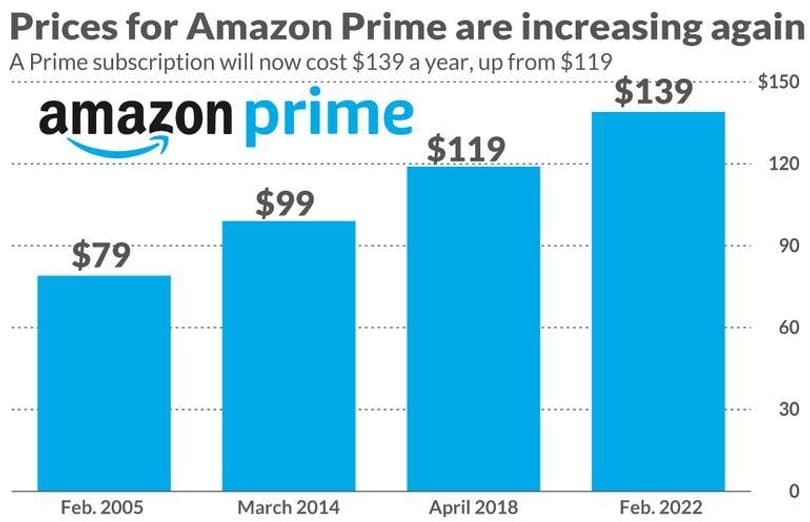
Historically, the annual membership has been the more cost-effective choice for those committed to a full year of service. At the time of writing, the standard annual fee for Amazon Prime in the U.S. is $139. Paying upfront for the year represents a significant discount compared to the cumulative monthly cost, typically saving members around $30 to $40 annually, depending on the current monthly rate. This annual lump sum, while larger upfront, effectively lowers the average monthly expense, making it an attractive proposition for long-term users.
The monthly membership, on the other hand, offers greater flexibility. Priced at approximately $14.99 per month, this option allows subscribers to cancel at any time without commitment beyond the current billing cycle. While it costs more over a 12-month period (equating to roughly $179.88 annually), its appeal lies in its adaptability. It’s ideal for individuals who anticipate needing Prime for specific, shorter periods – perhaps during peak holiday shopping seasons, for a particular series on Prime Video, or to take advantage of Prime Day deals without a year-long commitment. Financially, it’s a premium for flexibility, and consumers should weigh this against the potential savings of the annual plan.
Discounted Memberships: Students and Qualifying Government Assistance
Amazon recognizes that not all financial situations are equal and extends significantly discounted Prime memberships to specific demographics, making the service more accessible and demonstrating a keen awareness of market segmentation based on financial capacity.
For students, Amazon offers Prime Student. This program is a game-changer for those navigating tighter budgets. Students can typically sign up for a generous six-month free trial, providing full Prime benefits without immediate financial outlay. Following the trial, Prime Student membership costs approximately $7.49 per month or $69 per year. This represents a substantial 50% discount off the standard Prime membership. Beyond the core Prime benefits, Prime Student often includes exclusive student-centric deals, further enhancing its financial appeal for this demographic. Eligibility generally requires a valid .edu email address or proof of enrollment in a degree-granting program. From a personal finance perspective, this is an excellent opportunity to leverage a valuable service at a fraction of the cost, making it an almost indispensable tool for budget-conscious students.
Additionally, Amazon extends a discounted Prime membership to qualifying recipients of government assistance programs, such as EBT and Medicaid. This specialized tier typically costs around $6.99 per month. This initiative underscores Amazon’s commitment to broader accessibility, acknowledging that the financial benefits of Prime – particularly expedited delivery of essentials and access to digital resources – can significantly impact households with limited disposable income. This substantially reduced monthly fee makes the comprehensive Prime ecosystem attainable for a segment of the population for whom the standard rates might be prohibitive, transforming Prime from a luxury into a financially viable utility.
The Cost of Add-on Channels and Services
While the core Prime membership provides a robust suite of benefits, it’s crucial to understand that not everything under the Amazon umbrella is included. Many additional services and channels within Prime Video require separate subscriptions, representing potential “add-on” costs that can quickly escalate a consumer’s total monthly expenditure if not carefully monitored.
Amazon Prime Video serves as a hub for various streaming channels, allowing subscribers to consolidate their entertainment subscriptions. Services like HBO Max, Showtime, Starz, Paramount+, and many niche channels can be subscribed to directly through Prime Video. While convenient, each of these channels carries its own monthly fee, typically ranging from $5 to $15. For instance, adding HBO Max might cost an additional $15.99 per month on top of your Prime membership fee. Financially, this means a Prime member could easily be spending an extra $30, $40, or even more per month if they subscribe to multiple add-on channels.
Similarly, other Amazon services like Amazon Music Unlimited (a more extensive music library than Prime Music, which is included with Prime) or Kindle Unlimited (an all-you-can-read ebook subscription, separate from Prime Reading which offers a rotating selection of free books) also incur additional monthly fees. Amazon Music Unlimited, for example, is typically around $8.99 per month for Prime members, while Kindle Unlimited costs $11.99 per month.
For the financially savvy consumer, careful consideration must be given to these potential add-ons. While they offer enhanced entertainment and services, they represent distinct financial commitments separate from the core Prime fee. It’s essential to regularly review these subscriptions, assess their individual usage and value, and cancel any that are no longer providing sufficient return on investment to prevent “subscription creep” from quietly eroding your budget.
Beyond the Sticker Price: Evaluating Prime’s Financial Value
The true financial assessment of Amazon Prime extends far beyond its monthly or annual fee. It necessitates a comprehensive look at the tangible and intangible savings and benefits that can offset, or even outweigh, the cost of membership. For many, Prime isn’t just an expense; it’s a strategic investment that can generate significant financial value, especially when utilized effectively.
Quantifying Free Shipping Savings
Perhaps the most universally recognized benefit of Amazon Prime is its expedited, often two-day, free shipping on millions of eligible items. For frequent online shoppers, this benefit alone can translate into substantial monetary savings.
Consider the alternative: without Prime, standard shipping fees on Amazon orders can range from a few dollars to upwards of $10 or more, depending on the item’s size, weight, and delivery speed. If an individual places just one order per month that would otherwise incur a $5 shipping fee, that’s $60 saved annually. For a household that frequently orders multiple items, perhaps weekly, those shipping costs could easily accumulate to well over $100 or even $200 per year.
To truly quantify your personal free shipping savings, track your Amazon orders for a month or two, noting what shipping costs you would have incurred without Prime. Multiply that by 12, and you’ll have a clear estimate of your annual savings. If this figure approaches or exceeds your annual Prime membership fee, then the shipping benefit alone could justify the subscription from a purely financial standpoint. Moreover, the psychological benefit of not having to add items to meet a free shipping threshold – thereby avoiding impulse buys – also holds a subtle financial advantage.
Exclusive Deals, Prime Day, and Grocery Discounts
Prime membership unlocks a tier of exclusive deals and discounts that can lead to significant financial advantages throughout the year.
The most prominent example is Prime Day, Amazon’s annual sales event exclusively for Prime members. During this multi-day event, prices on a vast array of products, from electronics to home goods, are slashed dramatically. Savvy shoppers who plan their purchases around Prime Day can secure substantial savings on big-ticket items or everyday necessities. For instance, if you’re in the market for a new smart TV, a Prime Day deal could easily save you hundreds of dollars, potentially offsetting your Prime membership cost several times over with a single purchase.
Beyond Prime Day, Prime members often gain early access to Lightning Deals and receive exclusive discounts on select items year-round. These can range from small percentages off to significant markdowns, providing continuous opportunities for savings.
For those who shop at Whole Foods Market, Amazon Prime offers valuable grocery discounts. Prime members receive an extra 10% off hundreds of sale items and exclusive weekly deals on select products. These savings, particularly for regular Whole Foods shoppers, can add up considerably over time. A family that spends $100 weekly at Whole Foods could easily save $10-$20 per visit just from the Prime discounts on sale items, amounting to hundreds of dollars annually – a direct financial offset to the Prime fee.
The Hidden Value of Digital Benefits (Streaming, Music, Books)
While not always immediately quantifiable in direct monetary savings, the digital benefits bundled with Amazon Prime offer substantial financial value by reducing or eliminating the need for separate subscriptions to comparable services.
Prime Video provides an extensive library of movies and TV shows, including Amazon Originals. If a household pays for a separate streaming service like Netflix or Hulu, Prime Video can serve as a primary or supplementary entertainment source, potentially allowing for the cancellation or reduction of other streaming subscriptions. For example, if Prime Video fulfills 50% of your streaming needs, you might opt for a basic tier of another service or cancel one entirely, saving $10-$15 per month.
Amazon Music Prime offers access to millions of songs and thousands of ad-free stations and playlists. While not as extensive as Amazon Music Unlimited or Spotify Premium, it often suffices for casual listeners, negating the need for a separate paid music streaming service (which can cost $10-$15 monthly). For those who primarily listen to music in the background or discover new artists, this inclusion can represent a tangible monthly saving.
Prime Reading and the Kindle Owners’ Lending Library provide access to a rotating selection of ebooks, magazines, and comics. While not a full replacement for Kindle Unlimited, these features allow Prime members to read a significant amount of content without additional cost. For avid readers, this can reduce spending on individual book purchases or eliminate the need for a separate ebook subscription.
From a financial perspective, the collective value of these digital services should be assessed against what you would otherwise pay for comparable standalone services. If Prime Video helps you cut back on another streaming service, or Prime Music delays your need for a paid music subscription, then these “hidden” benefits directly contribute to the financial justification of your Prime membership.
Integrating Prime into Your Personal Financial Strategy
For many consumers, Amazon Prime is more than just a convenience; it’s a significant recurring expense that warrants careful consideration within a broader personal financial strategy. Properly integrating Prime into your budget involves more than just noting its cost; it requires an active assessment of its necessity, value, and potential impact on spending habits.
Budgeting for Subscriptions: Avoiding “Subscription Creep”
In today’s digital economy, “subscription creep” is a pervasive financial challenge. This refers to the gradual accumulation of multiple monthly or annual subscriptions that, individually, seem affordable but collectively exert a substantial drag on a household budget. Amazon Prime, while offering comprehensive value, is a prominent example of such a recurring expense.
To effectively budget for Prime and other subscriptions, begin by creating a comprehensive list of all your recurring services. Include streaming platforms, software licenses, gym memberships, and any other automated payments. Assign each an annual and monthly cost. Once you have this holistic view, evaluate each subscription critically:
- Is it essential? (e.g., internet, mobile phone).
- Does it provide significant, consistent value? (e.g., a streaming service you watch daily, Prime if you use all its benefits).
- Are there cheaper alternatives?
- Do you still use it regularly?
For Amazon Prime, specifically, determine if you are maximizing its diverse benefits (shipping, video, music, deals). If you’re primarily using it for one or two features, the value proposition might be diminished compared to its cost. Allocate a specific line item in your monthly budget for “Subscriptions,” and ensure the combined total fits comfortably within your disposable income without jeopardizing savings goals or essential expenses. Regular quarterly or semi-annual reviews of your subscription list are crucial to prevent creep and ensure financial optimization.
Calculating Your Personal Return on Investment (ROI) for Prime
A truly insightful financial strategy involves calculating your personal Return on Investment (ROI) for services like Amazon Prime. This goes beyond simply identifying savings; it’s about understanding the net financial benefit or cost.
To calculate your personal ROI:
- Sum your total annual Prime cost: This is your annual fee, plus any specific add-on channels you regularly use (e.g., $139 + $15/month for HBO Max = $319 annually).
- Estimate your annual financial savings/value generated by Prime:
- Shipping Savings: (Average cost per non-Prime shipment) x (Number of orders per year that would incur shipping fees).
- Prime Day/Exclusive Deal Savings: Estimate based on significant purchases made during these events. Be realistic; don’t overinflate.
- Grocery Savings (Whole Foods): (Average weekly savings) x 52 weeks.
- Digital Service Offsets: (Monthly cost of alternative streaming/music/book services you would subscribe to if not for Prime’s offerings) x 12 months.
- Other Value: Consider the value of Prime Wardrobe (if it saves you from buying clothes you don’t keep) or other less direct benefits.
- Subtract total cost from total savings/value.
If your total estimated savings/value is greater than your total Prime cost, you have a positive ROI, indicating that financially, Prime is a sound investment for your specific spending habits. If the costs outweigh the benefits, it signals that Prime might be a net financial drain, prompting a re-evaluation of its necessity. This personalized ROI analysis ensures that your financial decisions are data-driven and aligned with your individual consumption patterns.
Is Prime a Necessity or a Luxury in Your Budget?
Determining whether Amazon Prime is a “necessity” or a “luxury” within your budget is a deeply personal financial assessment, influenced by income, spending habits, priorities, and lifestyle.
For some, particularly busy parents, individuals in rural areas with limited local shopping options, or small business owners relying on quick delivery, Prime can border on a necessity. The time saved through expedited shipping, the convenience of avoiding physical stores, and access to a vast array of products might genuinely optimize their financial time value and reduce stress, thereby justifying the cost. For these individuals, Prime enables a lifestyle or operational efficiency that, if removed, would incur greater costs (in time, gas, or lost opportunities).
For others, especially those who shop infrequently online, rarely utilize streaming services, or prioritize minimalist spending, Prime might be an undeniable luxury. The benefits, while attractive, don’t align with their core needs or provide sufficient financial offset. In such cases, the monthly or annual fee represents a discretionary expense that could be better allocated to high-priority financial goals, such as debt repayment, emergency savings, or investment.
The critical distinction lies in your individual financial ROI calculation and your overall financial goals. If Prime demonstrably saves you more money than it costs, or if it facilitates essential aspects of your life at a cost-effective rate, it leans towards a necessity. If it primarily offers convenience without substantial financial offset, or if that money could provide a greater return elsewhere in your budget, it’s likely a luxury. Acknowledging this distinction is pivotal for conscientious financial management, ensuring that every dollar spent serves a clear purpose within your financial plan.
Smart Money Moves: Maximizing Prime’s Benefits and Minimizing Costs
Once you’ve decided that Amazon Prime holds value for you, the next step is to ensure you’re getting the absolute most out of your membership while being financially prudent. Smart strategies can help you leverage every benefit and avoid unnecessary expenses.
Utilizing Free Trials Effectively
Amazon frequently offers free trials for Prime membership, typically ranging from 30 days to a more generous six months for students. These trials are an invaluable financial tool for several reasons:
- Risk-Free Assessment: They allow you to test all Prime benefits – from shipping speed and video streaming to music and discounts – without any financial commitment. This is the perfect opportunity to conduct your personal ROI calculation before spending a dime.
- Strategic Use for Specific Events: If you only anticipate needing Prime for a specific period, such as holiday shopping, a major sale event like Prime Day, or for a particular show on Prime Video, a free trial can be strategically activated to cover that window. Just remember to set a calendar reminder to cancel before the trial period ends to avoid automatic conversion to a paid membership.
- Evaluating Need: For those on the fence, a trial period can clearly demonstrate whether the benefits genuinely align with your lifestyle and spending habits, informing your long-term financial decision.
Always make sure to mark your calendar for the trial’s expiration date. Amazon automatically rolls free trial users into paid memberships, so proactive cancellation is key to avoiding an unwanted charge if you decide Prime isn’t for you.
Sharing Prime Benefits with Household Members
One of the most underutilized financial benefits of an Amazon Prime membership is the ability to share select perks with other adults in your household. This feature, known as Amazon Household, allows two adults and up to four teens and four children to share digital content and Prime benefits.
For the adults, this means that two individuals residing at the same address can link their Amazon accounts to share Prime shipping, Prime Video, Prime Reading, and other benefits, all under a single Prime membership fee. Financially, this is a significant advantage. Instead of two separate individuals paying $139 each for Prime, they effectively get two Prime memberships for the price of one, cutting the per-person cost in half. This is especially valuable for couples or roommates who both frequently shop on Amazon or use its digital services.
For teens and children, the sharing extends to digital content and the ability to make purchases, with parental controls in place. This consolidation reduces overall household subscription costs and streamlines access to services, contributing to a more efficient household budget. To set up an Amazon Household, both adults must agree to share payment methods, which is a necessary step to confirm residency and eligibility.
Strategic Renewal and Cancellation Considerations
Managing your Prime membership strategically can result in financial savings and avoid unnecessary expenditures.
Strategic Renewal: If you are on an annual plan, consider whether your usage patterns might change in the coming year. For instance, if you anticipate a period of reduced online shopping or a decrease in your entertainment consumption, transitioning to a monthly plan for flexibility, or even canceling temporarily, might be more financially sound than automatically renewing the annual fee. Amazon typically sends renewal reminders, providing an opportunity to reassess your needs.
Cancellation: The process to cancel Prime is straightforward through your Amazon account settings. If you’re nearing the end of your annual or monthly billing cycle and decide the service no longer provides sufficient value, canceling promptly avoids further charges. If you cancel mid-period for an annual membership and haven’t extensively used Prime benefits (e.g., you haven’t taken advantage of free shipping on many items or streamed much Prime Video), Amazon may offer a partial or even full refund for the unused portion of your membership. This possibility is worth exploring if your circumstances change unexpectedly.
Furthermore, if your primary reason for Prime is free shipping, consider whether you consistently meet Amazon’s free shipping threshold for non-Prime members (often around $25-$35 for eligible items). If you often hit this threshold anyway, the value of Prime’s free shipping benefit diminishes.
By actively managing your Prime membership – utilizing trials, sharing benefits, and making informed renewal/cancellation decisions – you ensure that this expense remains a financial asset rather than a liability in your budget.
The Broader Financial Picture: Prime’s Impact on Spending Habits
Beyond the direct costs and quantifiable savings, an Amazon Prime membership can subtly, yet significantly, influence a consumer’s broader financial behavior and spending habits. Understanding these dynamics is crucial for truly comprehensive personal finance management.
The Convenience Factor and Impulse Purchases
The unparalleled convenience offered by Amazon Prime, particularly its expedited free shipping, is a double-edged sword for personal finance. While saving time and eliminating shipping costs, it can also lower the psychological barrier to making purchases.
The ease of one-click ordering and the promise of rapid delivery can encourage more frequent, smaller purchases that might not have been made if a shipping fee or a longer wait time were involved. This increased accessibility can lead to a phenomenon known as “convenience spending,” where the sheer effortlessness of buying results in acquiring items that are more “wants” than “needs.” The perception that shipping is “free” can mask the underlying cost of the item itself, making impulse buys feel less financially impactful than they truly are.
From a financial perspective, it’s vital for Prime members to exercise discipline. Consciously pause before each purchase and ask: “Would I still buy this if I had to pay shipping or wait a week?” If the answer is no, then the convenience of Prime might be subtly encouraging unnecessary spending, ultimately eroding the financial benefits gained from the membership.
Comparing Prime’s Value to Alternatives (Cost of Individual Services)
A critical financial exercise is to compare the comprehensive bundle of Amazon Prime against the aggregated cost of acquiring similar services individually from different providers.
Consider the core components:
- Expedited Shipping: How much would you spend annually on shipping fees from various online retailers if you didn’t have Prime?
- Streaming Video: What’s the monthly cost of a competing streaming service like Netflix, Hulu, or Disney+? ($10-$20/month).
- Music Streaming: What’s the cost of Spotify Premium or Apple Music? ($10-$15/month).
- E-books/Magazines: What would you spend on digital content from other platforms?
- Grocery Discounts: What’s the monetary value of discounts from other loyalty programs?
If you were to subscribe to individual services that replicate Prime’s offerings, you could easily be looking at $30-$50+ per month, or $360-$600+ annually, just for entertainment and expedited shipping from various sources. When viewed through this lens, the $139 annual fee for Prime can appear to be a significantly cost-effective bundle, especially if you actively use many of its features. This comparative analysis helps solidify Prime’s position as either a financially astute choice or an overpriced convenience, depending on your individual consumption profile.

Long-Term Financial Implications of Subscription Loyalty
Finally, the decision to maintain an Amazon Prime membership carries long-term financial implications related to subscription loyalty. Once integrated into your routine, cancelling a service like Prime can feel disruptive, even if it’s no longer providing optimal financial value.
The inertia associated with recurring subscriptions means that many consumers continue to pay for services they underutilize simply because it’s easier than canceling or because they fear missing out on occasional benefits. This passive financial behavior can lead to a consistent drain on disposable income over years.
Furthermore, long-term loyalty to a single platform like Amazon can subtly influence purchasing decisions. The convenience of buying everything from groceries to electronics on Amazon might deter comparison shopping with other retailers, potentially leading to purchases that aren’t the absolute best value available. While Amazon is often competitive, it’s not always the cheapest, and exclusive reliance can limit your access to better deals elsewhere.
From a long-term financial health perspective, it’s imperative to periodically challenge your subscription loyalties. Conduct an annual audit of your Amazon Prime usage and its financial return, comparing it against the cost. Be willing to cancel, even temporarily, if your current financial situation or usage patterns dictate it. This proactive approach ensures that your subscription choices remain dynamic, responsive to your financial goals, and truly beneficial, rather than simply habitual.
Ultimately, “how much is Prime membership for Amazon” is a multifaceted question with answers that extend far beyond a simple dollar figure. It’s an inquiry into personal value, financial optimization, and conscientious budgeting in the modern subscription economy.
aViewFromTheCave is a participant in the Amazon Services LLC Associates Program, an affiliate advertising program designed to provide a means for sites to earn advertising fees by advertising and linking to Amazon.com. Amazon, the Amazon logo, AmazonSupply, and the AmazonSupply logo are trademarks of Amazon.com, Inc. or its affiliates. As an Amazon Associate we earn affiliate commissions from qualifying purchases.