
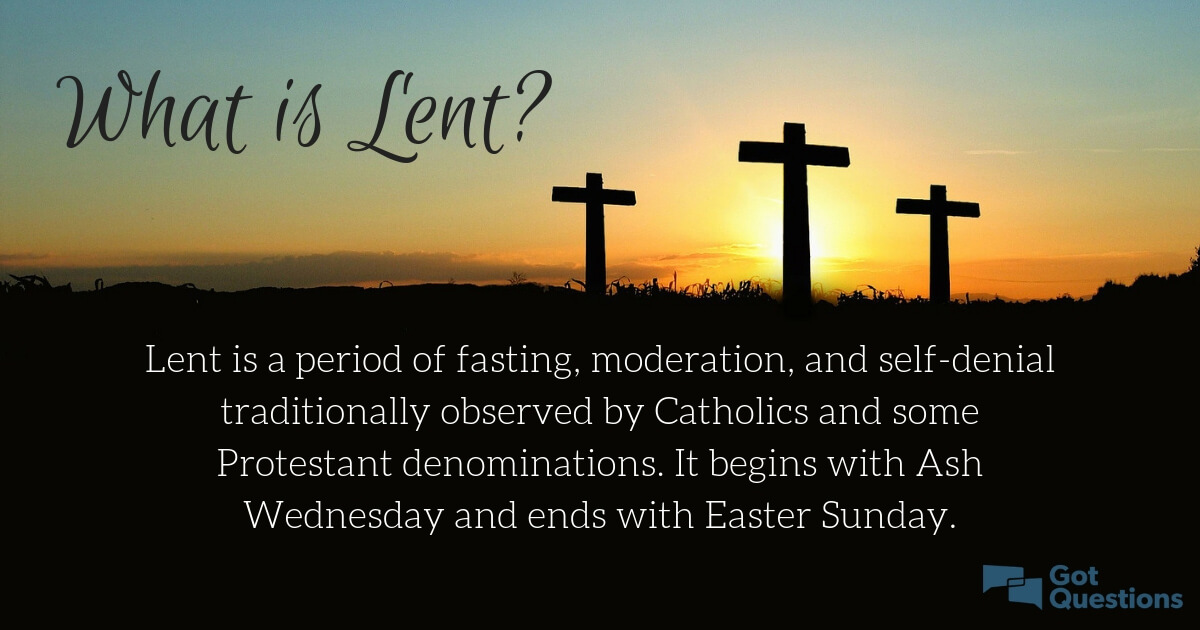
The question “What is Lent?” often arises in discussions, particularly as the Christian liturgical calendar progresses. While the term “Lent” is commonly associated with a specific period of time, its significance extends far beyond a mere count of days. This article will delve into the meaning and historical context of Lent, exploring its purpose, practices, and how its core principles resonate with contemporary life, even for those who don’t observe it religiously. We’ll examine its connection to themes of reflection, renewal, and intentionality – concepts that are increasingly relevant in our fast-paced, technologically driven world, and which can be illuminated through the lenses of personal branding, financial discipline, and leveraging technology for growth.
The Foundation of Lent: A Season of Preparation
At its heart, Lent is a Christian season of spiritual discipline, preparation, and introspection. It is a period observed by many Christian denominations, most notably Roman Catholicism, Eastern Orthodoxy, and many Protestant churches. The duration of Lent is precisely 40 days, a number that holds significant biblical meaning. In the Old Testament, the Israelites wandered in the desert for 40 years, a period of testing and purification before entering the Promised Land. In the New Testament, Jesus spent 40 days fasting in the wilderness, being tempted by Satan, before beginning his public ministry. These 40-day periods represent times of trial, repentance, and spiritual growth.
The 40-Day Countdown: More Than Just a Number
The 40 days of Lent are counted from Ash Wednesday to Holy Saturday. Crucially, Sundays are generally not counted as part of the 40 days of fasting or penitence. This is because each Sunday is considered a mini-Easter, a celebration of Christ’s resurrection, and therefore a day of joy, not necessarily austerity. So, while the calendar span might seem longer, the actual penitential period is 40 days of prayer, fasting, and almsgiving.
Ash Wednesday, the day that initiates Lent, is marked by the imposition of ashes on the foreheads of worshippers. These ashes, typically made from the burnt palms of the previous year’s Palm Sunday, serve as a stark reminder of mortality and the biblical injunction, “Remember that you are dust, and to dust you shall return” (Genesis 3:19). It’s a powerful call to humility and a recognition of our dependence on something greater than ourselves.
The Purpose and Practices of Lent: Reflection, Repentance, and Renewal
Lent is fundamentally a time for individuals to draw closer to God through focused spiritual practices. The core tenets of Lent revolve around three main pillars: prayer, fasting, and almsgiving.
Deepening Prayer and Spiritual Connection
Prayer during Lent is not simply rote recitation but a conscious effort to deepen one’s relationship with the divine. It involves seeking God’s presence, listening for guidance, and engaging in more profound contemplation. This could manifest as increased time spent in personal prayer, reading scripture, or participating in communal prayer services. For many, this period offers an opportunity to step back from the constant noise of daily life and cultivate inner stillness, allowing for a more authentic connection with their spiritual core.
The Discipline of Fasting: Beyond Food
Fasting is perhaps the most widely recognized practice of Lent. However, it’s important to understand that “fasting” in the Lenten context is not solely about abstaining from food. While traditional fasting might involve limiting meals or abstaining from certain types of food (like meat), the broader concept encompasses abstaining from anything that distracts from spiritual focus or hinders one’s relationship with God and others. This could include abstaining from social media, excessive entertainment, or even certain habits that are detrimental to one’s well-being. The purpose of fasting is to discipline the body and mind, to create space for spiritual awareness, and to cultivate empathy for those who experience deprivation regularly. It’s an exercise in self-control and a reminder of our reliance on spiritual sustenance.
Almsgiving: Extending Compassion and Generosity
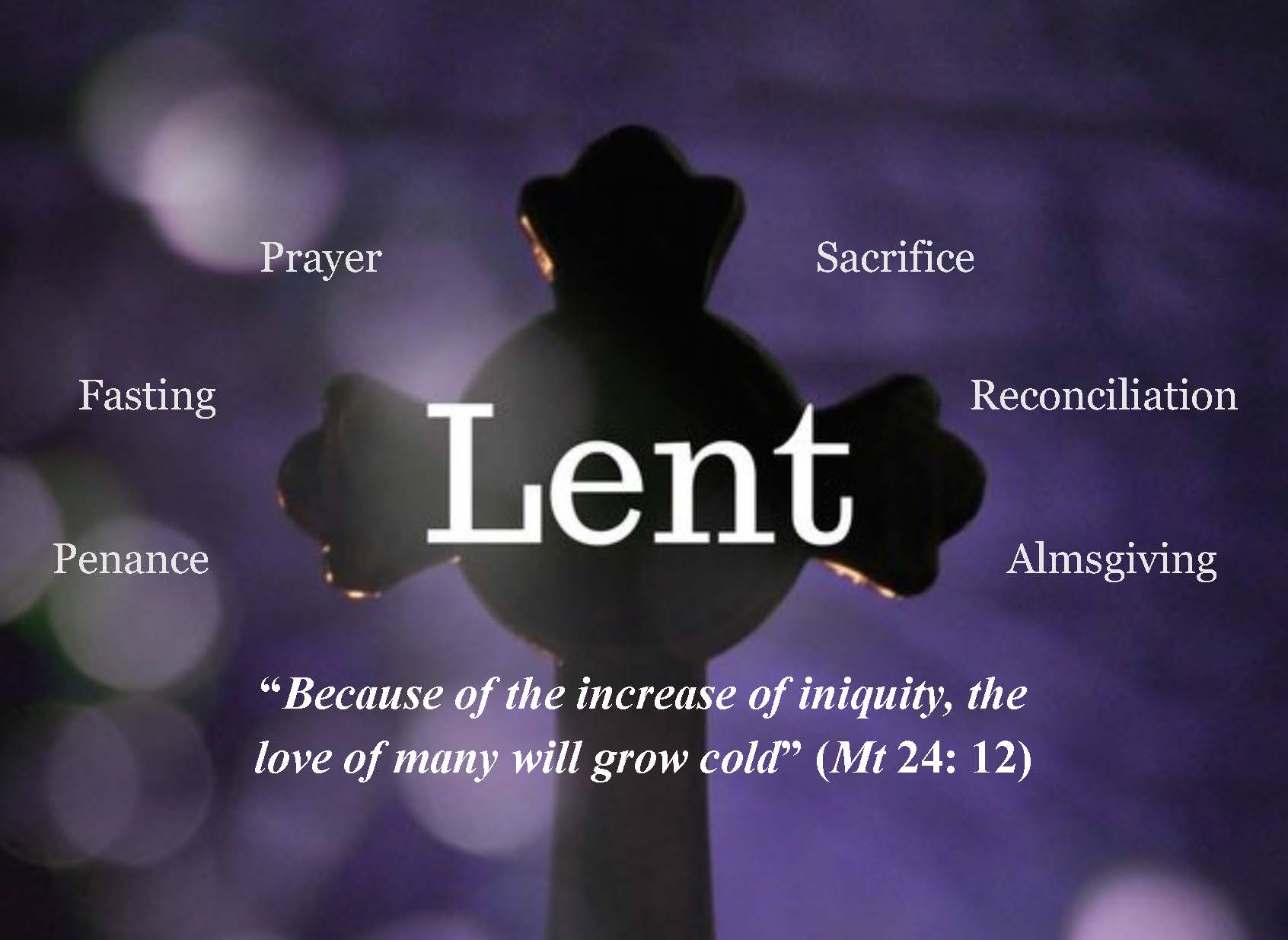
Almsgiving, or charity, is the third pillar of Lenten practice. It involves giving generously to those in need, whether through financial donations, volunteering time, or offering acts of kindness. This practice directly reflects the teachings of Jesus about caring for the poor and marginalized. By giving to others, individuals are encouraged to broaden their focus beyond themselves and to actively participate in alleviating suffering in the world. This can also be seen as a spiritual discipline, cultivating a generous spirit and a commitment to social justice.
Lent in a Modern World: Echoes of Timeless Principles
While Lent is a religious observance, its underlying principles of intentionality, self-discipline, reflection, and a focus on what truly matters are remarkably relevant in secular contexts today. In a world saturated with digital distractions and a constant pursuit of more, the lessons of Lent offer a valuable framework for personal and professional growth.
Branding and Identity: Defining What Truly Matters
In the realm of Brand strategy and personal branding, Lent’s emphasis on stripping away the non-essential and focusing on core values resonates deeply. Just as individuals during Lent examine their lives and make intentional choices about what to keep and what to shed, so too should brands and individuals strive for clarity in their identity.
- Personal Branding: For individuals seeking to build a strong personal brand, Lent’s call to introspection can be a powerful catalyst. What are your core values? What message do you truly want to convey? By consciously choosing to “fast” from activities that dilute your brand or adopting practices that enhance your authentic self, you can refine your personal narrative. This might involve dedicating more time to skill development (analogous to prayer), reducing time spent on superficial online interactions, and actively engaging in activities that showcase your expertise or passions (almsgiving in the form of sharing knowledge).
- Corporate Identity: Companies can also draw parallels. A period of introspection similar to Lent could help a brand clarify its mission, re-evaluate its values, and streamline its offerings to focus on what truly provides value to its customers. By identifying and discarding “noise” – unnecessary features, ineffective marketing channels, or outdated processes – a brand can emerge with a more defined and impactful identity. This mirrors the Lenten practice of shedding the superfluous to reveal the essential.
Financial Discipline and Intentional Spending
The Money aspect of Lent’s principles is equally profound, particularly in relation to personal finance and investment. The practice of fasting and almsgiving encourages a conscious examination of one’s relationship with material possessions and a greater awareness of the impact of spending.
- Personal Finance: For individuals, Lent can be a time to reassess spending habits. “Fasting” from impulse purchases or unnecessary expenses can free up resources for savings, investments, or charitable giving. This aligns with principles of mindful spending and budgeting, where intentionality is key. By understanding where money goes and consciously choosing to direct it towards goals, whether financial security or supporting a cause, individuals can achieve greater financial well-being.
- Online Income and Side Hustles: The discipline fostered by Lenten practices can be applied to generating online income or developing side hustles. This might involve “fasting” from time-wasting online activities to dedicate more hours to skill-building, networking, or creating valuable content. The almsgiving aspect can translate into offering services at a reduced rate to build a portfolio or providing pro-bono work to gain experience, ultimately contributing to long-term financial growth. Financial discipline cultivated during Lent can translate into more strategic and impactful investment decisions.
Technology as a Tool for Spiritual and Personal Growth
In the realm of Tech, Lent offers a fascinating opportunity to re-evaluate our relationship with digital tools. While the season encourages a degree of digital “fasting,” it also highlights the potential of technology when used intentionally and purposefully.
- Productivity and Focus: The digital world is rife with distractions. A Lenten approach to technology could involve consciously “fasting” from social media notifications or time-consuming apps that hinder productivity. Instead, individuals can leverage technology for genuine growth. This might involve using productivity apps to manage time more effectively, engaging with AI tools for learning and creative endeavors, or utilizing digital platforms for spiritual growth, such as devotional apps or online prayer groups.
- Digital Security and Ethical Consumption: Lent’s emphasis on reflection and responsible action can extend to our digital lives. This period can prompt us to consider our digital footprint, prioritize digital security, and engage with technology in a more ethical and mindful manner. Are we consuming information responsibly? Are we protecting our data? These are questions that align with a broader sense of stewardship and care for ourselves and others.

Conclusion: The Enduring Wisdom of Lent
While the specific religious observance of Lent has its origins in ancient traditions, its core messages of introspection, self-discipline, generosity, and intentionality are timeless. The 40 days of Lent serve as a powerful reminder that by consciously choosing what to embrace and what to let go of, we can cultivate deeper spiritual connections, foster personal growth, and make a more meaningful impact on the world around us. Whether one observes Lent religiously or not, its principles offer a valuable framework for navigating the complexities of modern life, from refining our brands and managing our finances to leveraging technology for purpose and well-being. The question “What is Lent?” invites us to consider not just a period of days, but a profound opportunity for transformation.
aViewFromTheCave is a participant in the Amazon Services LLC Associates Program, an affiliate advertising program designed to provide a means for sites to earn advertising fees by advertising and linking to Amazon.com. Amazon, the Amazon logo, AmazonSupply, and the AmazonSupply logo are trademarks of Amazon.com, Inc. or its affiliates. As an Amazon Associate we earn affiliate commissions from qualifying purchases.